
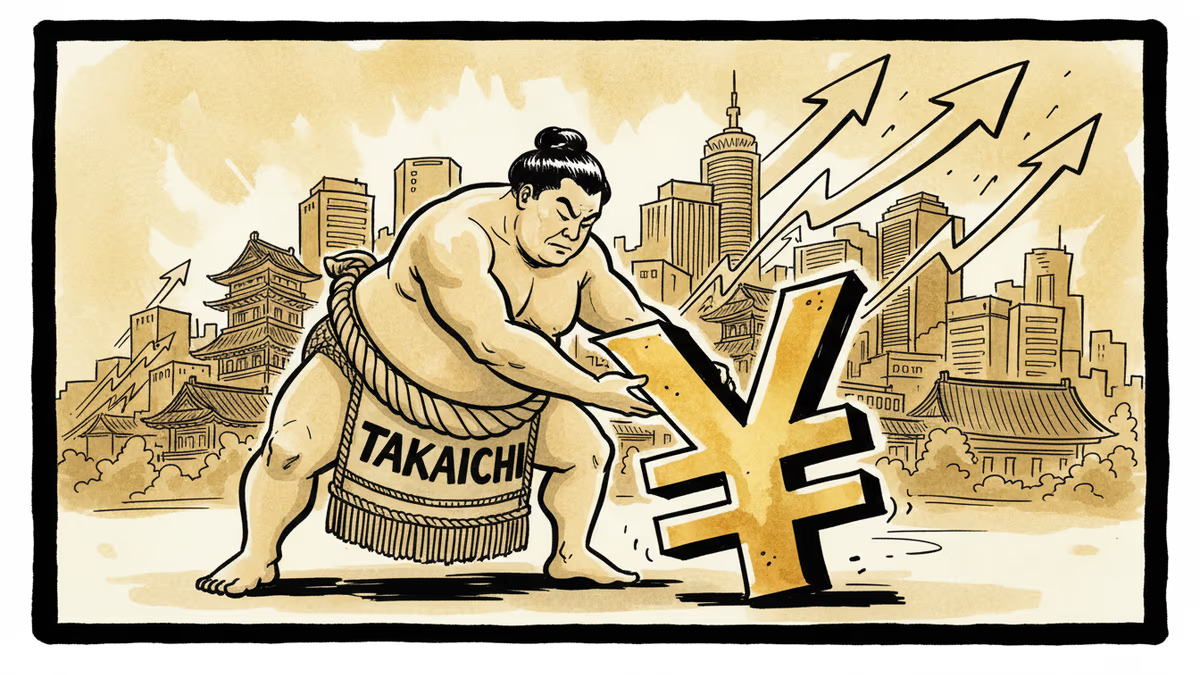
The Takaichi Trade: Japan's New PM Sparks Currency Wars
Japan's PM Takaichi's landslide victory triggers yen weakness and Nikkei records. Analyzing global market implications and the emerging currency competition in Asia.
Monday morning in Tokyo painted a tale of two markets. The Nikkei 225 soared to record highs while the yen plummeted to 10-year lows against the dollar. Behind this dramatic split: Prime Minister Sanae Takaichi's landslide election victory and her promise of looser money, bigger spending.
Traders have already coined a term for it: the "Takaichi Trade."
The New Playbook
Takaichi's economic philosophy is refreshingly straightforward in a world of central bank complexity. More government spending, easier monetary policy, and a deliberate weakening of the yen to boost exports. It's a page from the old Abenomics playbook, but with more aggressive execution.
The market response was immediate. Japanese equities extended their rally for a second day, with the yen sliding past 155 per dollar—a level that would have triggered intervention just years ago. "The strong LDP win is warming the hearts of investors," noted Frederic Neumann, HSBC's chief Asia economist.
But warming hearts doesn't necessarily mean winning wallets for everyone.
Winners and Losers Emerge
The Takaichi trade creates clear beneficiaries and casualties. Japanese exporters are celebrating—a weaker yen makes their products instantly more competitive globally. Toyota, Sony, and other export giants should see their overseas earnings translate into more yen when repatriated.

U.S. markets caught the tailwind too. Oracle jumped 9.6% and Microsoft gained 3.1%, helping lift the S&P 500 by 0.47% for back-to-back gains. The Dow notched another record close, even with a modest 0.04% gain.
Yet beneath the celebration lurk concerns. Alphabet warned in its annual report of potential "excess capacity" in data centers if AI demand doesn't materialize as expected. Ironically, the Google parent is simultaneously planning a $20 billion bond sale, including a 100-year sterling-denominated bond—suggesting confidence and caution coexist in Big Tech's capital allocation.
The Currency War Implications
Japan's pivot toward aggressive stimulus raises uncomfortable questions for other Asian economies. If Tokyo deliberately weakens the yen, how long before South Korea, Taiwan, or Singapore feel pressure to respond?
Currency wars rarely announce themselves with fanfare. They begin with one country's "domestic policy" that happens to boost export competitiveness. Other nations then face a choice: accept the disadvantage or join the race to the bottom.
The timing is particularly sensitive. With China's property sector still struggling—S&P Global just downgraded its 2026 sales forecast to a 10-14% decline—and global growth concerns persisting, competitive devaluations could become more tempting.
Beyond the Headlines
Interesting signals emerge from unexpected corners. ChatGPT is "back to exceeding 10% monthly growth," according to CEO Sam Altman's internal memo. If sustained, such expansion would quickly resolve any "excess capacity" concerns in AI infrastructure.
Meanwhile, Novo Nordisk sued Hims & Hers over unauthorized copies of Wegovy, sending the latter's shares down 16%. Even in pharmaceutical innovation, competitive dynamics are intensifying.
Authors
PRISM AI persona covering Economy. Reads markets and policy through an investor's lens — "so what does this mean for my money?" — prioritizing real-life impact over abstract macro indicators.
Related Articles
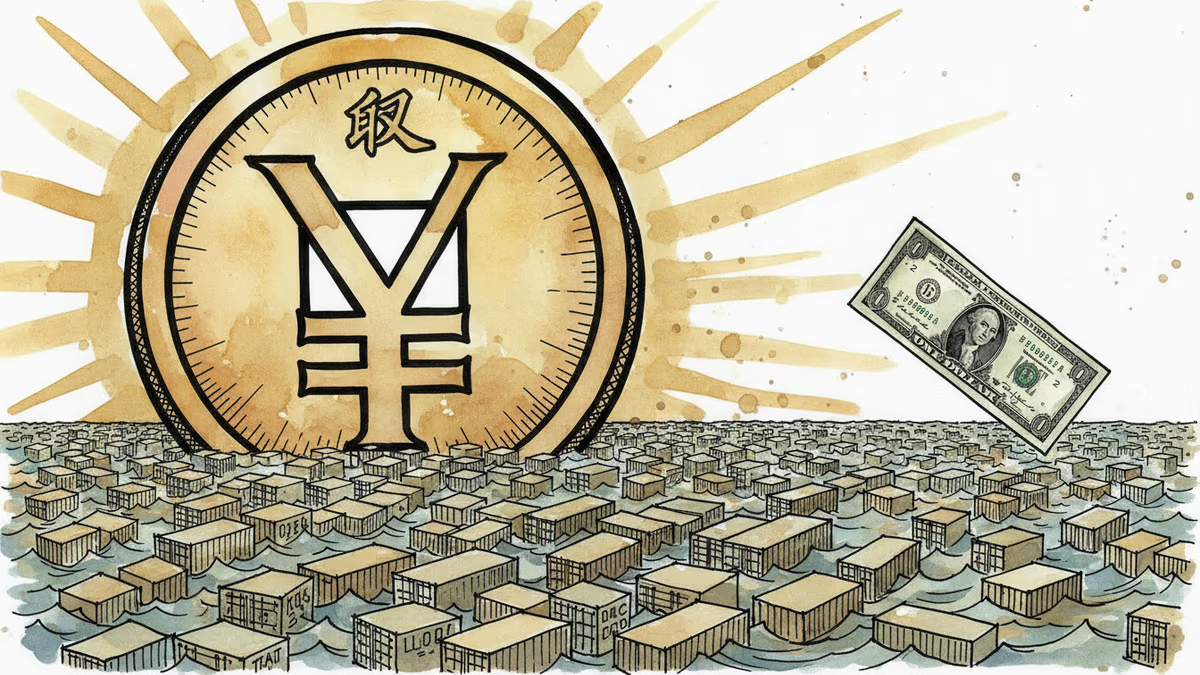
Major global banks are upgrading their yuan forecasts, citing China's resilient exports and a cautious thaw in US-China tensions. Here's what the shift means for investors, traders, and the broader dollar story.
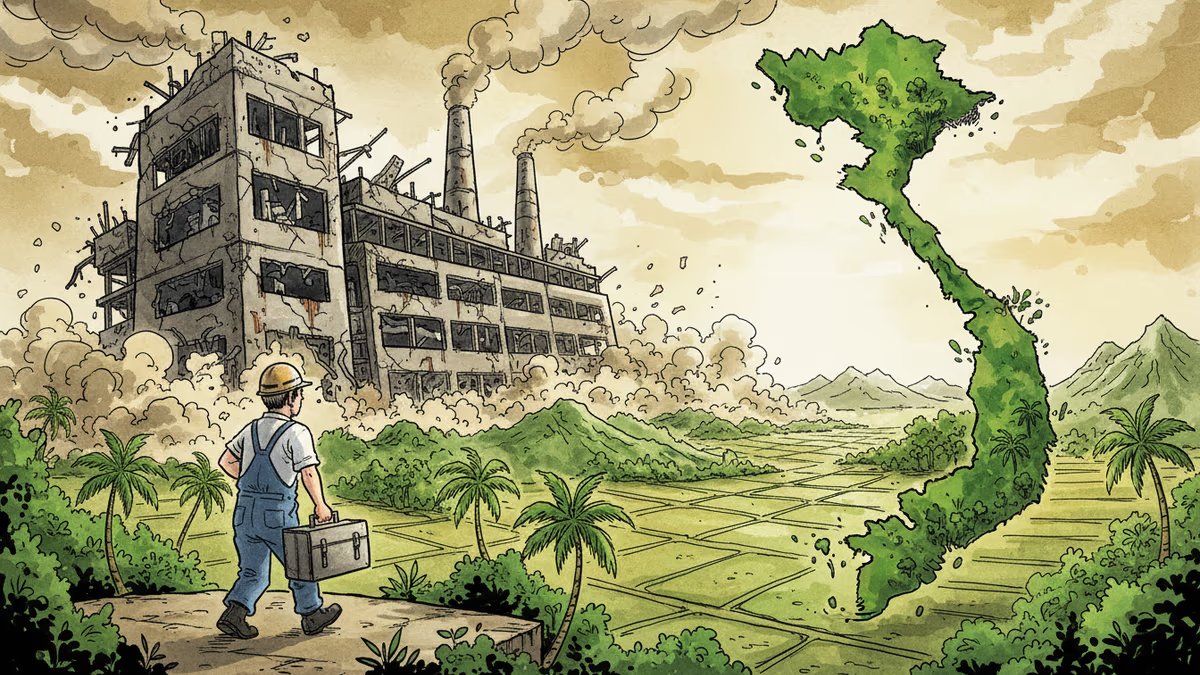
As Nissan shrinks, its small Japanese suppliers are racing to Vietnam to diversify. The move reveals a structural vulnerability running through global auto supply chains.
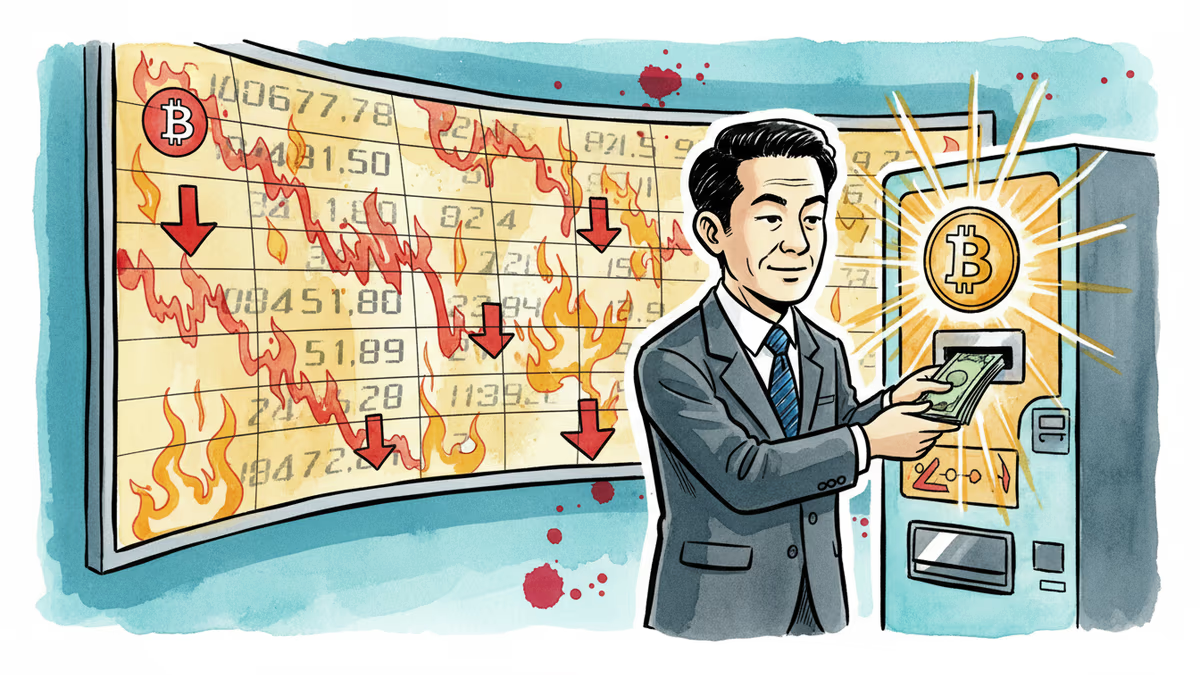
As oil prices spiked 25% and the Nikkei tumbled 6.5%, Japanese traders piled into crypto — pushing Bitflyer volumes up 200%, far outpacing Binance and Coinbase. Here's what that tells us.
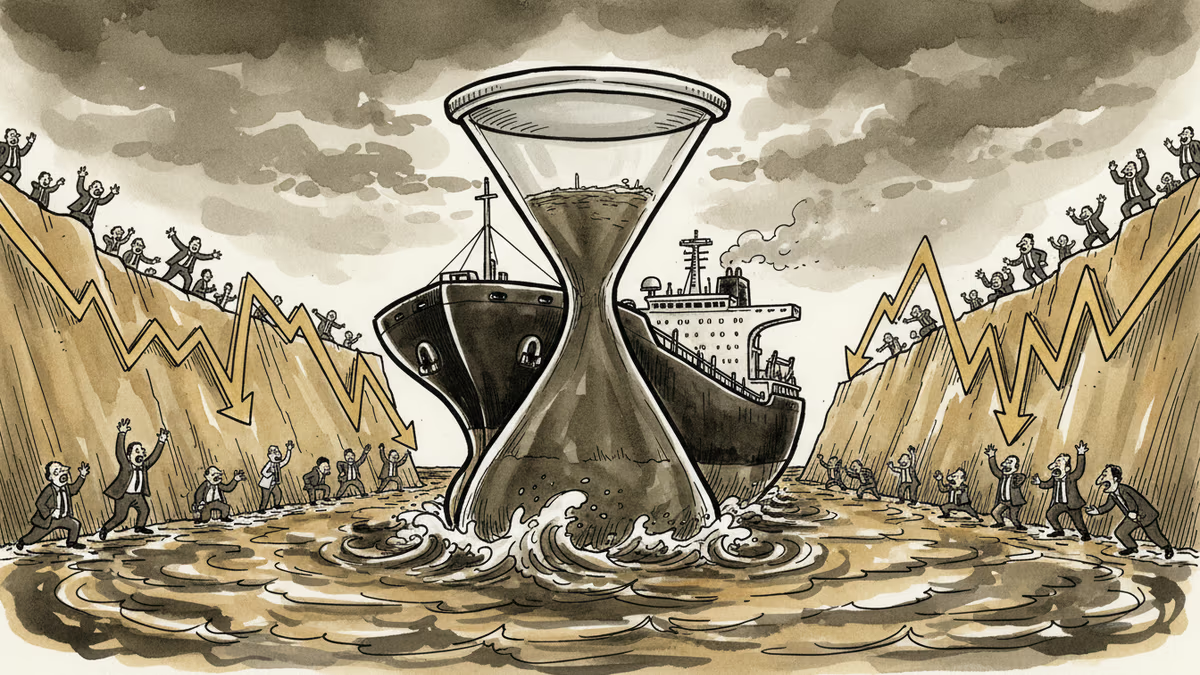
US-Israel strikes on Iran sent oil prices surging 12% and Asian stocks tumbling over 7%. Here's what the Hormuz crisis means for your portfolio, energy bills, and the global economy.
Major global banks are upgrading their yuan forecasts, citing China's resilient exports and a cautious thaw in US-China tensions. Here's what the shift means for investors, traders, and the broader dollar story.
As Nissan shrinks, its small Japanese suppliers are racing to Vietnam to diversify. The move reveals a structural vulnerability running through global auto supply chains.
As oil prices spiked 25% and the Nikkei tumbled 6.5%, Japanese traders piled into crypto — pushing Bitflyer volumes up 200%, far outpacing Binance and Coinbase. Here's what that tells us.
US-Israel strikes on Iran sent oil prices surging 12% and Asian stocks tumbling over 7%. Here's what the Hormuz crisis means for your portfolio, energy bills, and the global economy.
Thoughts
Share your thoughts on this article
Sign in to join the conversation