

Culture
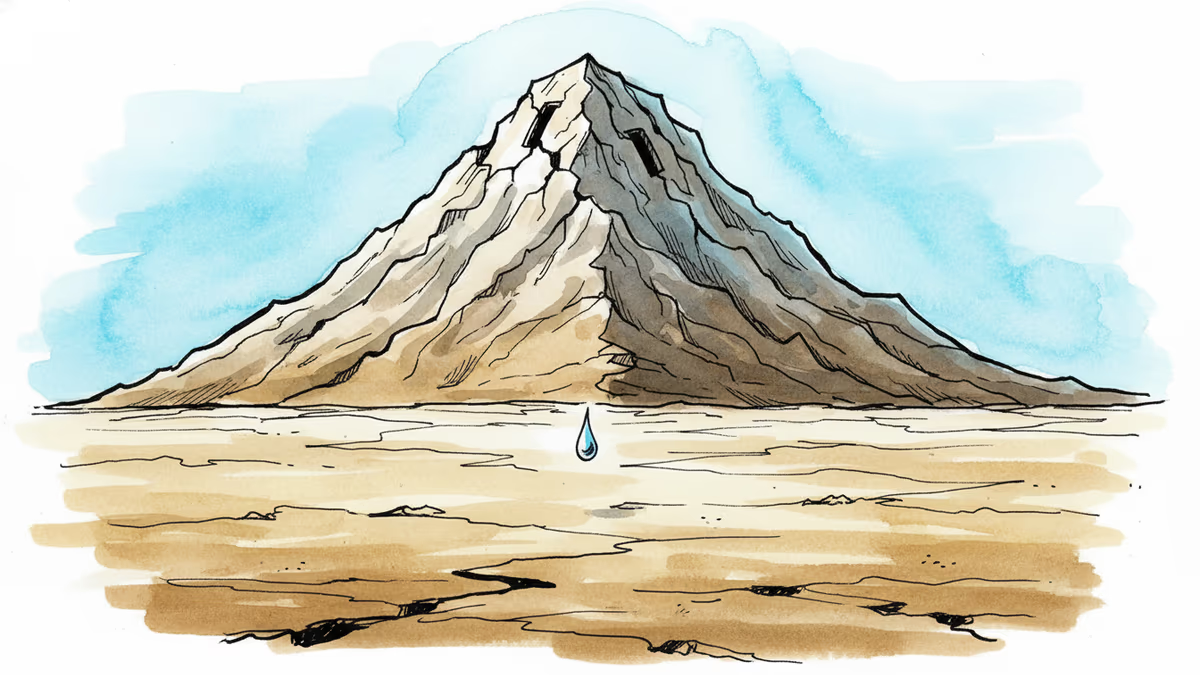
April 1 snowpack readings across the western U.S. hit record lows in 2026 — not because of a dry winter, but because it was too warm. The implications go far beyond drought.
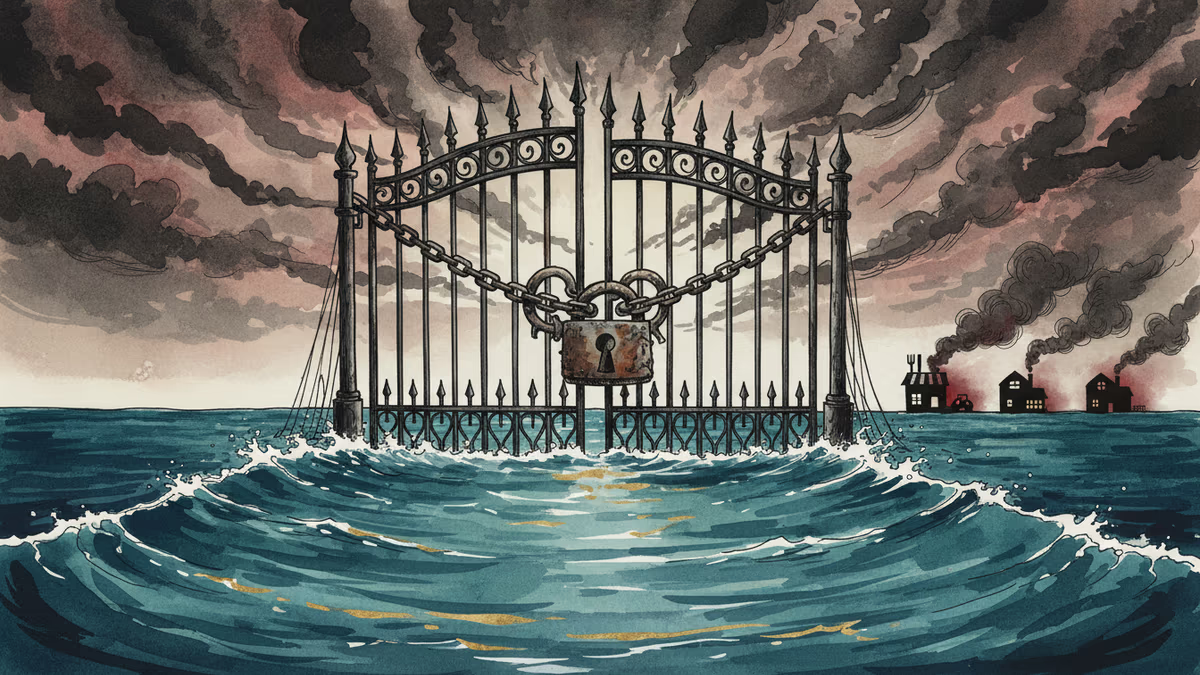
The US-Israeli strikes on Iran shut the Strait of Hormuz—and triggered food shortages, coal rebounds, and rationing across the Global South. Here's what that really means.
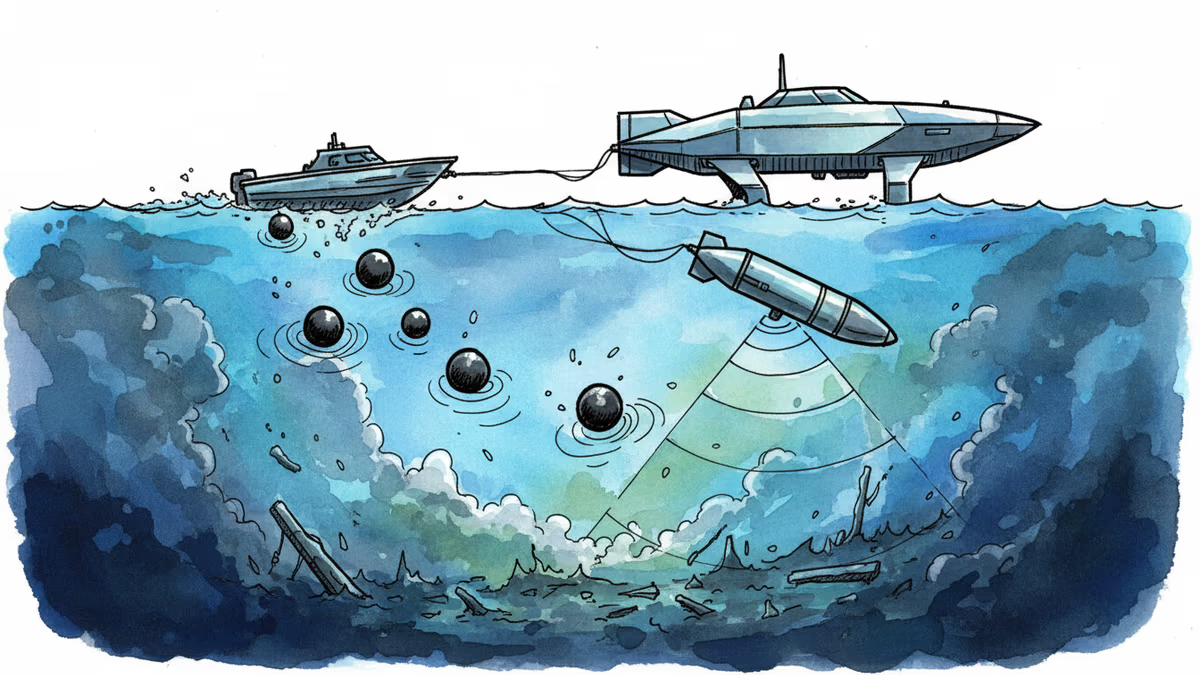
Iran has deployed mines in the Strait of Hormuz. The U.S. Navy just retired its minesweepers. Now AI is being asked to solve a problem that has stumped navies for decades.

PRISM by Liabooks
Place your ad in this space
[email protected]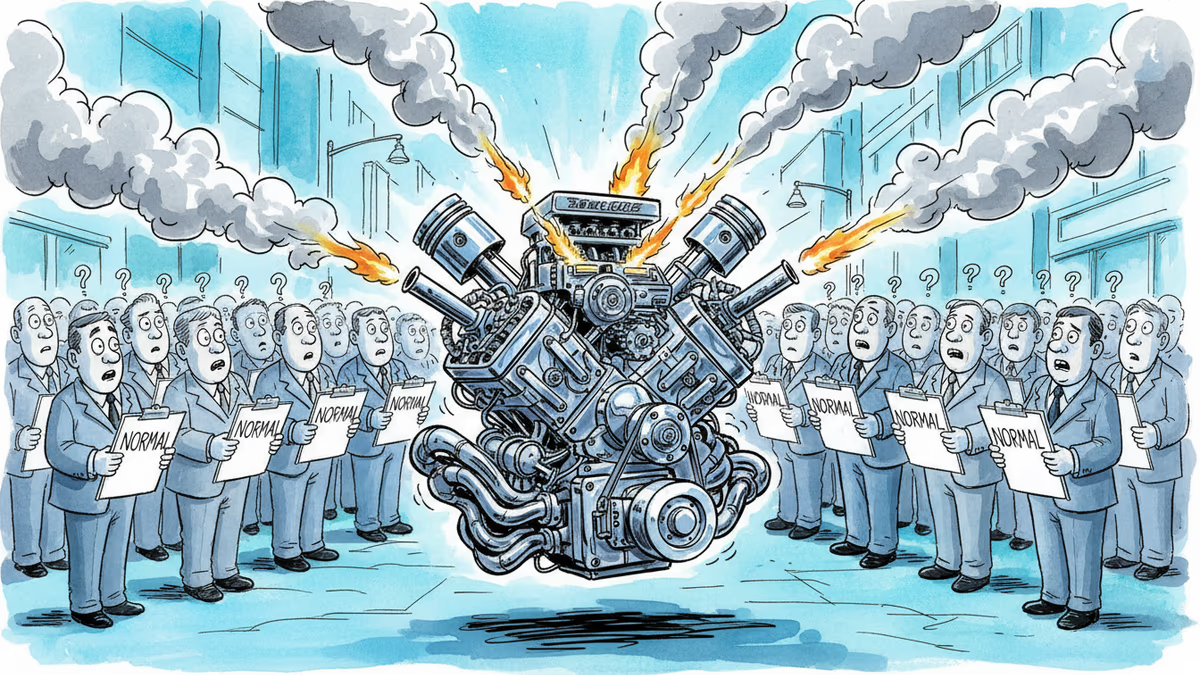
Researcher Anne-Laure Le Cunff argues ADHD is best understood as an impulsive drive for novelty, not a deficit. What does this mean for education, work, and how we define normal?
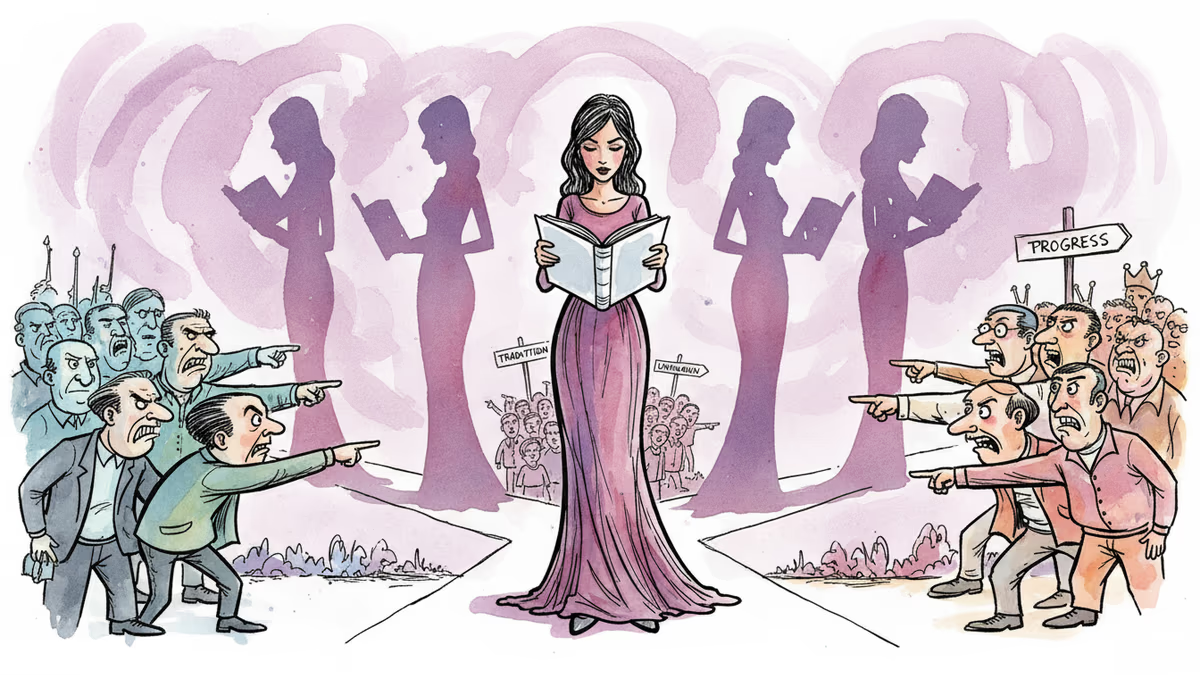
Lindy West's memoir Adult Braces ignites fierce online debate about coercive polyamory, feminist expectations, and who gets to define a woman's choices. A cultural reckoning.
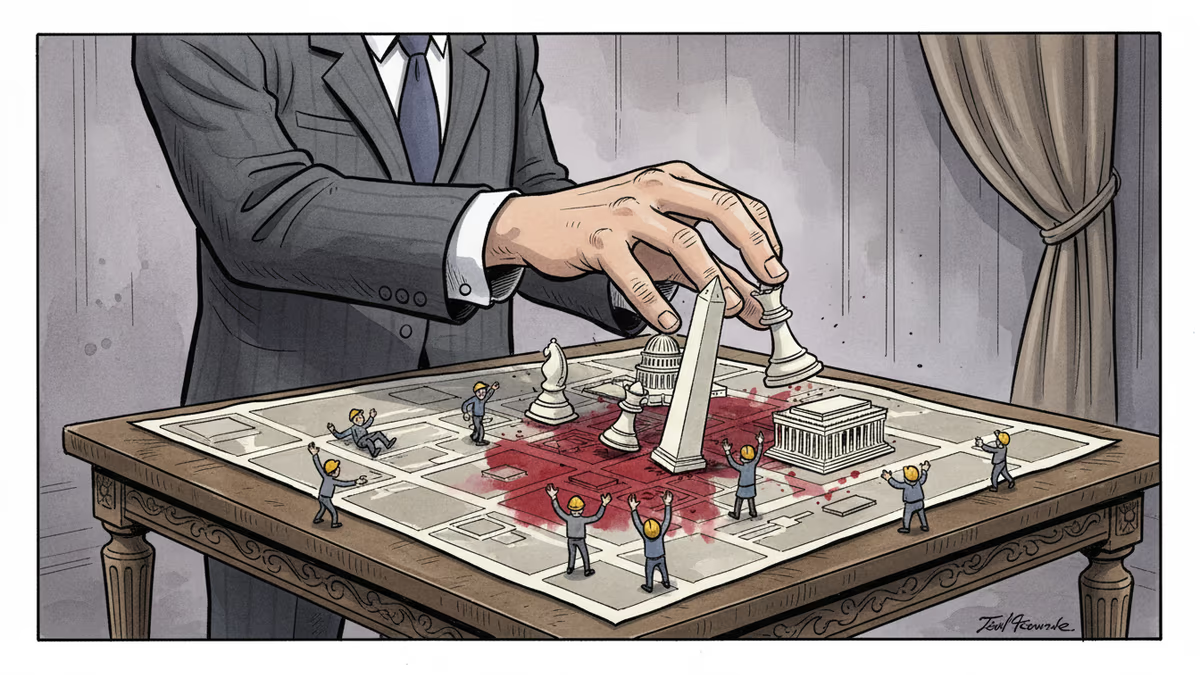
Trump is reshaping Washington DC's built environment—tearing down the White House East Wing, planning a 250-foot arch, and dismantling the design review processes that have protected the city for over a century.
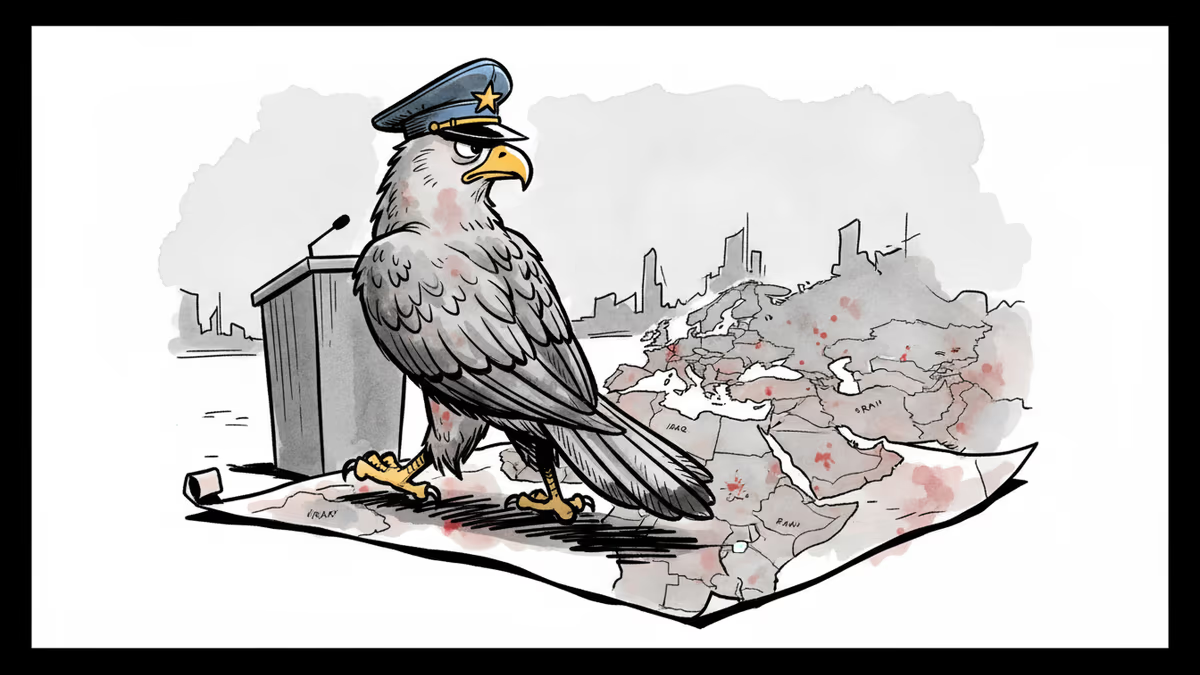
John Bolton, America's most prominent advocate for Iran regime change, is sharply criticizing Trump's Iran war. Same goal, he says—but fatally flawed execution.
PRISM by Liabooks
Place your ad in this space
[email protected]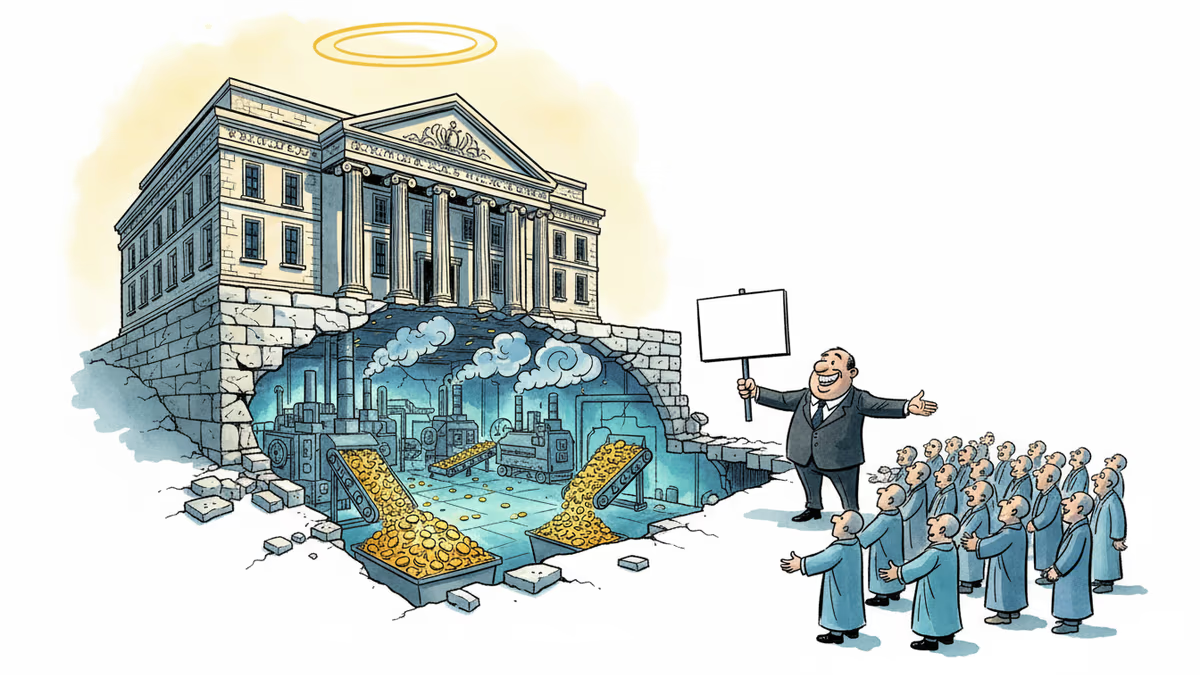
OpenAI's restructuring into a for-profit model raises urgent questions about AI governance, nonprofit law, and whether billion-dollar philanthropy can paper over a structural conflict of interest.
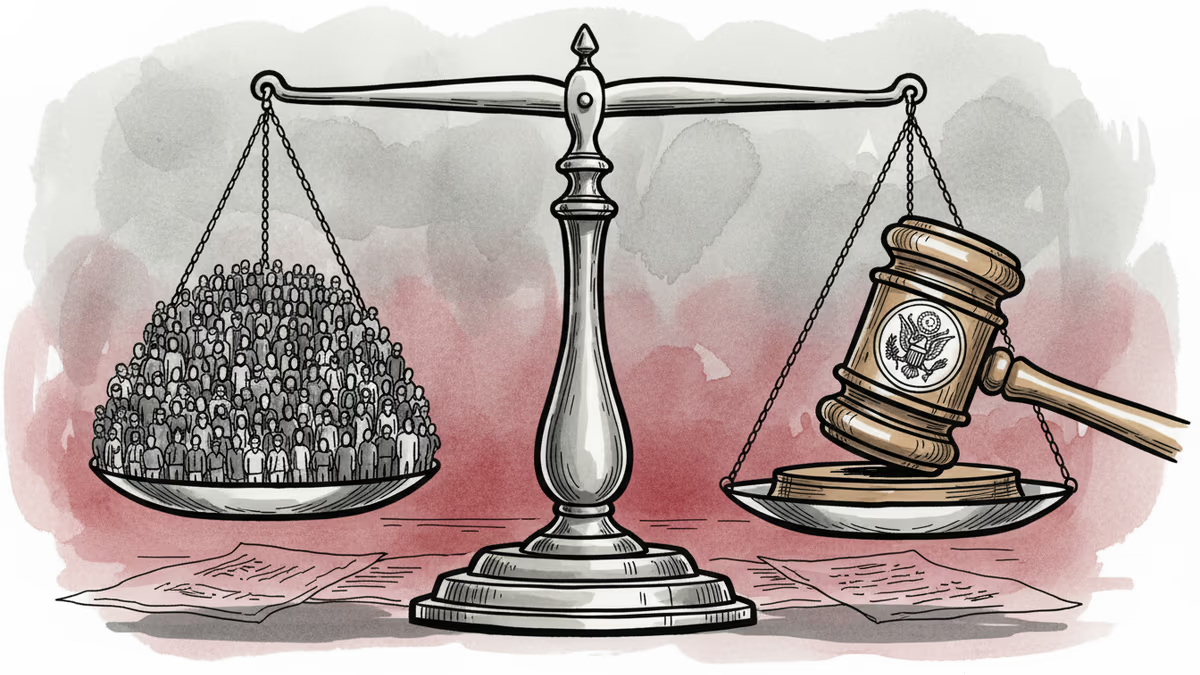
360 judges said Trump's mass detention policy is illegal. 27 said it isn't. So why are those 27 winning? The answer lies in how the administration is playing the courts.
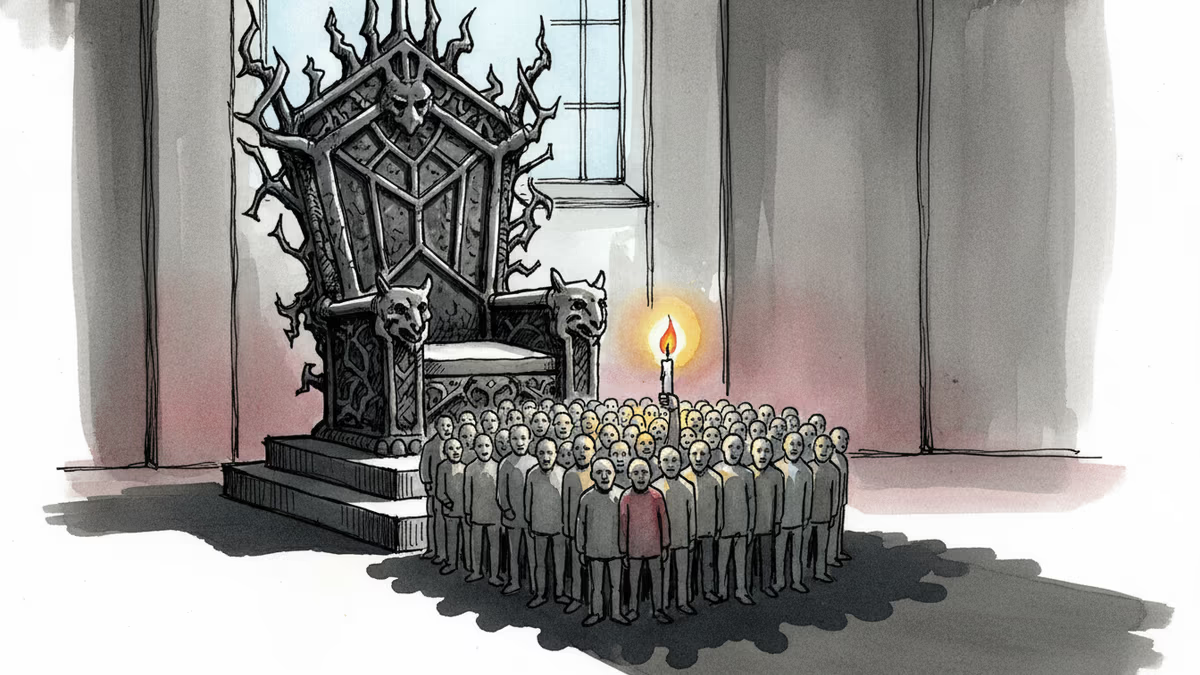
From Hungary to Colombia, scholars who've faced authoritarian regimes share what works, what doesn't, and what the U.S. civil resistance movement can learn from the world.
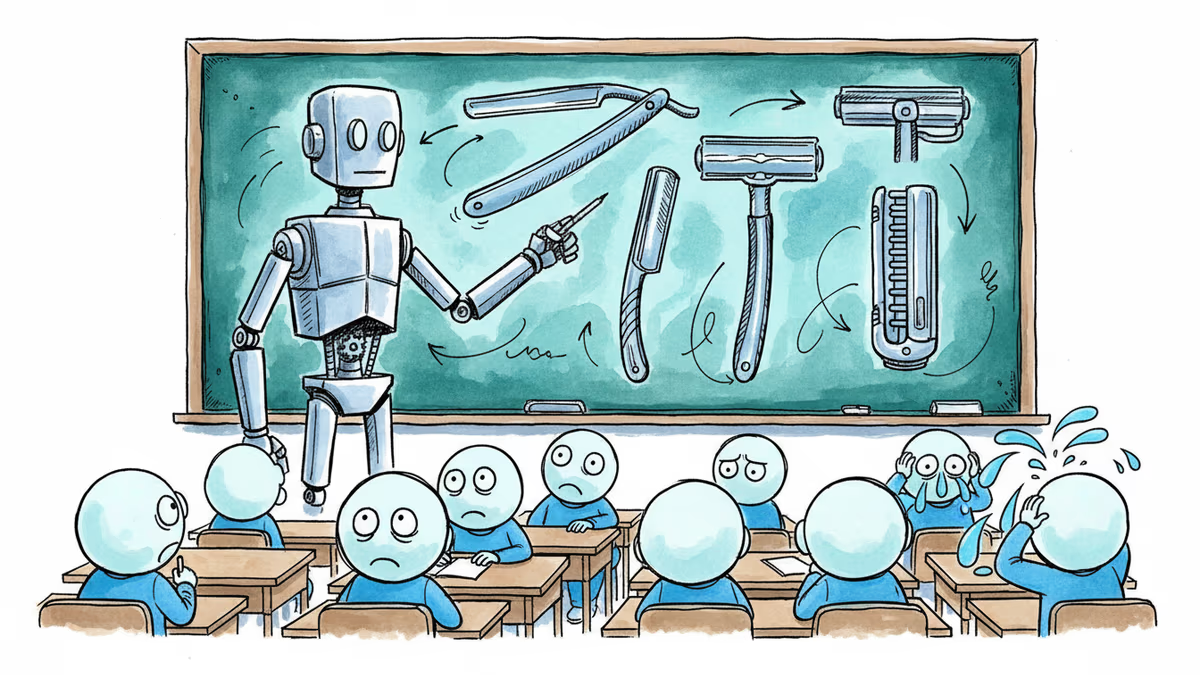
A satirical short story imagines AI-powered classrooms under a Melania Trump education initiative—and asks what we lose when we optimize learning for efficiency.
PRISM by Liabooks
Place your ad in this space
[email protected]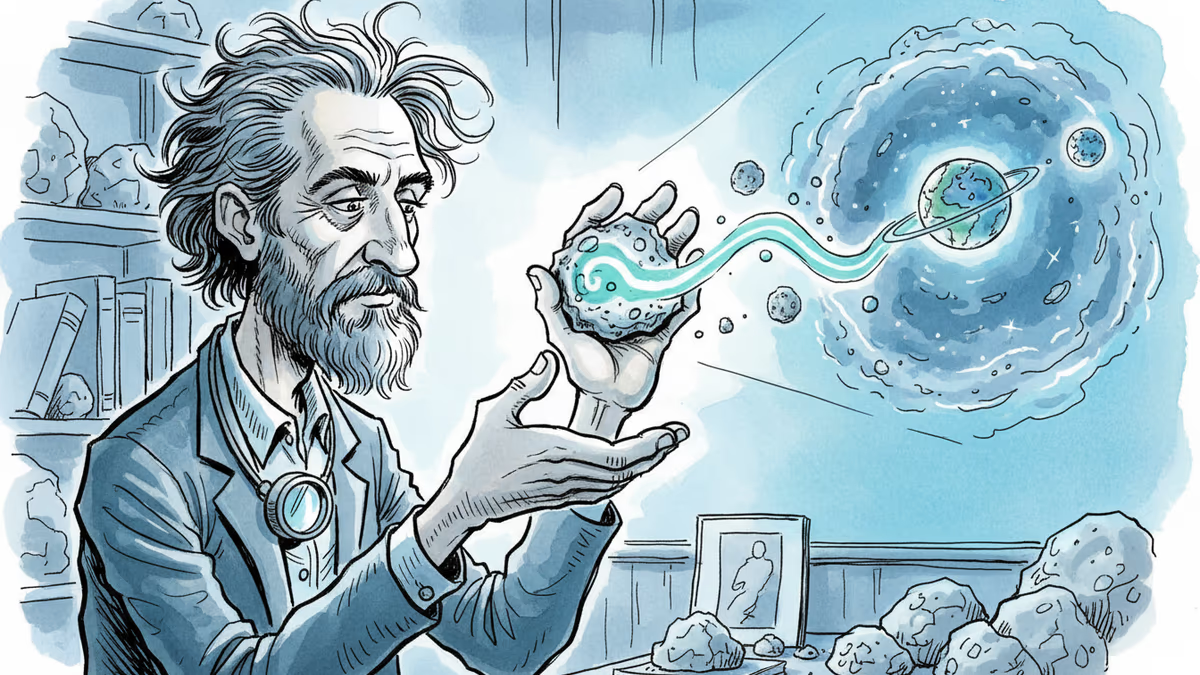
Scientists found titanium in a 3.8-billion-year-old Apollo rock that only forms in low-oxygen environments — and it could rewrite what we know about early Earth.