
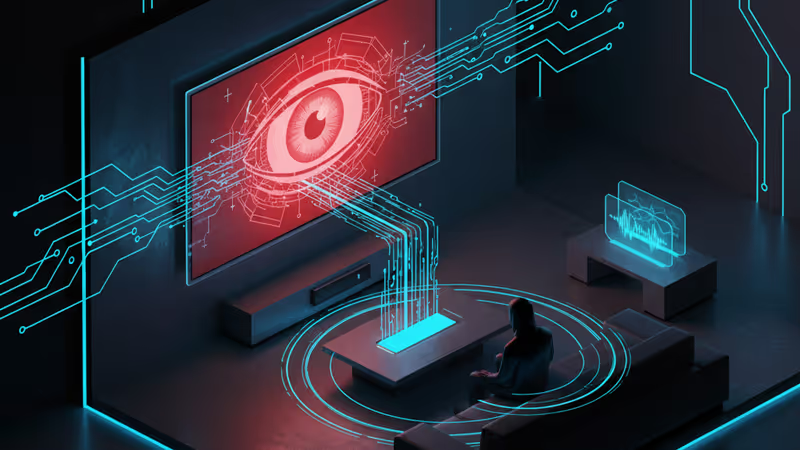
Your Smart TV is Watching You. Texas's Lawsuit is the Warning Shot You Can't Ignore.
Texas is suing Samsung, LG, and Sony, alleging their smart TVs spy on users. PRISM analyzes why this isn't just a lawsuit—it's a battle for the future of IoT and consumer privacy.
The Big Picture
Texas Attorney General Ken Paxton’s lawsuit against Samsung, LG, Sony, Hisense, and TCL isn't just another state-level legal spat. It's a direct assault on the dirty little secret of the consumer electronics industry: the television you bought is no longer just a product. It's a data-harvesting service designed to monetize your attention, and this lawsuit signals that regulators are finally waking up to the implications.
Why This Lawsuit is More Than Just a Headline
For years, the business model for televisions has been quietly shifting. Fierce competition drove hardware margins to near zero. The solution? Transform the TV into a recurring revenue stream. This is what the industry internally calls "Platform+" revenue—money made after the initial sale through advertising, app store commissions, and, most lucratively, selling your viewing data.
The technology at the heart of this lawsuit, Automated Content Recognition (ACR), is the engine of this model. By taking constant snapshots of your screen, it identifies everything you watch—from Netflix to cable news to video games—and sells that insight to data brokers and advertisers. The Texas lawsuit argues this is being done deceptively and without meaningful consent. If successful, it could cripple a primary profit center for these giants and force a fundamental rethink of how smart devices are monetized.
The Deja Vu of Data Collection
This fight isn't entirely new, but the scale and stakes have escalated dramatically. In 2017, the FTC and New Jersey settled a similar case with Vizio for a mere $2.2 million. It was a slap on the wrist that did little to curb the practice across the industry. Paxton's lawsuit, however, seeks damages of up to $10,000 *per violation*. In a state with a population of 30 million, the potential liability is astronomical.
What's different now is the post-Cambridge Analytica public awareness of data privacy and a growing patchwork of state-level regulations. Texas is leveraging its Deceptive Trade Practices Act, a powerful tool that sidesteps the need for a dedicated data privacy law. This legal strategy could be replicated by other states, creating a minefield for any company deploying ambient data collection in their hardware.
PRISM Insight: Second-Order Effects for Consumers and Markets
The immediate legal battle is just the beginning. The ripple effects will impact consumers, investors, and the entire ad-tech ecosystem.
For Consumers: How to Reclaim Your Remote Control
While the lawsuit plays out, you can take action. Manufacturers bury ACR settings deep in their menus under vague names to discourage you from opting out. Here’s what to look for:
- Samsung: Go to Settings > Terms & Privacy > Look for "Viewing Information Services" or "Interest-Based Advertising" and disable them.
- LG: Find Settings > General > Look for "Live Plus" and turn it off.
- Sony, Hisense, TCL (often use Android/Google TV or Roku OS): Search in the settings for options related to "Viewing Data," "Samba TV," or "Personalized Ads" and disable them.
Be aware: Disabling these may not stop all data collection, but it targets the most invasive screen-monitoring features at the heart of the Texas lawsuit.
For Investors: The Hidden Risk in Your Electronics Portfolio
The market has largely priced these stocks based on hardware sales. The "Platform+" revenue is often seen as high-margin gravy. This lawsuit, and others that may follow, reclassifies that gravy as a significant liability. A successful challenge to ACR could wipe out billions in projected high-margin revenue, forcing companies to either raise TV prices—risking market share—or accept lower profitability. This is a material risk that is currently under-appreciated by many investors.
PRISM's Take: The Battle for the Ambient Home
This Texas lawsuit is a pivotal moment in the war for the smart home. It's not just about TVs; it's a proxy battle for every connected device—from your fridge to your speakers—that collects "ambient" data about your life. The core question is this: are we consumers buying a product, or are we unwitting participants in a surveillance-as-a-service business model?
The era of hiding invasive data collection behind a 50-page click-through agreement is ending. The outcome of this case won't just determine how TVs operate in Texas; it will set a powerful precedent for the entire Internet of Things. We are witnessing the first major regulatory pushback against the 'buy the hardware, become the product' economy. For the tech giants involved, the cost of losing could be far greater than any fine; it could be the end of their most profitable new business model.
관련 기사
삼성, LG 등 5대 TV 제조사가 시청자 감시 혐의로 피소됐습니다. 이 소송이 당신의 프라이버시와 TV 산업의 미래에 미칠 영향을 심층 분석하고, 데이터 유출을 막는 방법을 알려드립니다.
삼성, LG 등 스마트TV가 당신의 시청 습관을 몰래 수집해 판매하고 있다는 충격적인 소송이 제기됐습니다. 자동 콘텐츠 인식(ACR) 기술의 위험성과 당신의 프라이버시를 지키는 방법을 심층 분석합니다.

주요 완성차 업체들이 EV에서 발을 빼는 지금, 재규어는 3억 원대 초호화 전기차에 모든 것을 걸었다. 이 위험한 역주행의 성공 가능성을 심층 분석한다.

우버가 구독 서비스의 기만적 관행으로 집단 소송에 직면했습니다. 이 사건이 구독 경제 전반에 미칠 영향과 소비자가 스스로를 보호할 방법을 심층 분석합니다.