
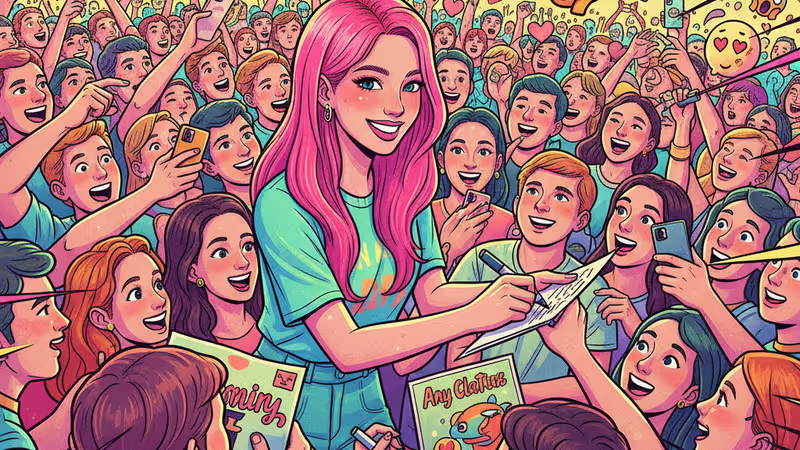
Rosé's Doppelgänger Signed Autographs, and the Internet Is Losing Its Mind
A BLACKPINK Rosé impersonator went viral for signing autographs in China, sparking a global fan debate. Is it harmless fun or a new form of identity theft?
Why This Blew Up The Internet
A BLACKPINK Rosé impersonator didn't just dress up for a fan event in China—she signed autographs and posed as the star, sparking a fierce global debate. The viral moment has fans questioning the line between harmless fandom and deceptive identity theft, revealing deep truths about celebrity culture in the digital age.
The Story: More Than Just a Lookalike
The incident unfolded at a pop-up event in China dedicated to Rosé of BLACKPINK. A woman, bearing a striking resemblance to the K-pop superstar and dressed in her signature style, began interacting with the crowd. But this was no mere cosplay. Videos quickly circulated on platforms like Weibo and X (formerly Twitter) showing the impersonator taking photos with fans and, most controversially, signing autographs for them.
What started as a curiosity quickly snowballed into a major controversy. For the global K-pop fandom, an artist's signature is a cherished, authentic connection. By signing her name, the impersonator crossed a perceived boundary from tribute into deception, triggering a firestorm of criticism and debate that has since gone global.
The Best Reactions: Outrage, Hilarity, and Deep Analysis
The internet did what it does best: react with every possible emotion. We've curated the most insightful and entertaining takes from the chaos.
- The Protective Fan: The dominant sentiment was outrage over the perceived deceit. One user on X summed it up perfectly: "It stops being cute when you start signing things. You are actively deceiving people and profiting from another person's identity. This is not okay."
- The Darkly Humorous Take: Some couldn't help but be impressed by the audacity. A popular comment noted, "The level of confidence you need to show up to a celebrity's own event... dressed as that celebrity... and start signing autographs is honestly something to be studied in a lab."
- The Cultural Critic: Many pointed out the deeper implications for fan culture. As one commenter argued, "This is a masterclass in parasocial relationships. Fans feel a real connection, and this person just inserted a fake into that equation. It devalues the real thing."
- The 'It's Not That Deep' Crowd: A smaller but vocal group suggested the reaction was overblown. "Let's be real, no one there actually thought she was Rosé. It's just performance art at a fan event. Everyone needs to calm down."
Cultural Context: Why This Hit a Nerve Globally
This isn't just about a K-pop star. This incident is a perfect storm of modern cultural phenomena. In the K-pop world, the artist's image and brand are meticulously controlled, and authenticity is paramount. The act of signing an autograph is a direct, personal endorsement, and a fake signature is seen as a violation of that bond.
Globally, this taps into our growing anxieties about identity in the age of AI, deepfakes, and digital avatars. This impersonator was a low-tech version of a high-tech problem: how do we verify authenticity when anyone can convincingly pretend to be someone else? The visceral, emotional reaction from fans is a preview of the larger societal conflicts we will face as this technology becomes more common.
Different regions also have unique contexts. In China, the intense fan economy ('饭圈文化') creates an environment where social capital and influence are fiercely contested. An impersonator gaining clout this way can be seen as a direct challenge within that ecosystem.
PRISM Insight: Breaching the Parasocial Contract
At PRISM, we see this as more than just a viral moment; it's a case study in the unwritten rules of modern fandom. This is about the breach of the 'parasocial contract'.
The Line Between Homage and Identity Theft
Fans invest immense time, emotion, and money into their favorite artists. In return, they receive a sense of connection and authenticity. The impersonator’s actions, specifically signing autographs, broke this contract. She wasn't just dressing *like* Rosé; she was attempting to perform the *function* of Rosé. This shifts the act from harmless tribute to a form of identity theft within the fan community. The outrage isn't just about protecting Rosé; it's about protecting the value and sanctity of the fans' own experiences and emotional investments.
A Precursor to Digital Identity Wars
This human 'deepfake' forces a critical conversation. If a person with a similar face can cause this much confusion and debate, what happens when AI can perfectly replicate a celebrity's face, voice, and mannerisms? The anger directed at this impersonator is a raw, emotional data point. It shows that society is not ready for the ethical complexities of synthetic identity. This incident serves as a crucial warning: the battle for authenticity has already begun, and it's being fought in the comments sections of social media.
관련 기사

모드하우스의 신인 보이그룹 idntt가 15명 완전체 티저를 공개했습니다. K팝의 미래를 바꿀 수 있는 '팬 투표 시스템'에 대한 해외 팬들의 열광과 우려, 그리고 심층 분석.

스트레이 키즈의 서클차트 1위는 단순한 기록이 아닙니다. K팝의 독특한 '팬덤 경제'와 글로벌 팬들의 막강한 영향력을 심층 분석합니다.
광고와 구독료에 지치셨나요? 틱톡에서 화제가 된 무료 공공 도메인 영화 아카이브 '위키플릭스'가 Z세대의 새로운 놀이터가 된 이유를 분석합니다.
박신혜의 신작 '정숙한 세뇌'가 1997년을 배경으로 한 이유. 단순한 복고가 아닌 IMF 시대의 문화적 의미와 해외 팬들의 폭발적 반응을 심층 분석합니다.