
Zelenskyy's Election Gambit: Peace First, Democracy Later
Ukraine's president links elections to ceasefire timeline, creating new dynamics in peace negotiations. What's really behind this strategic move?
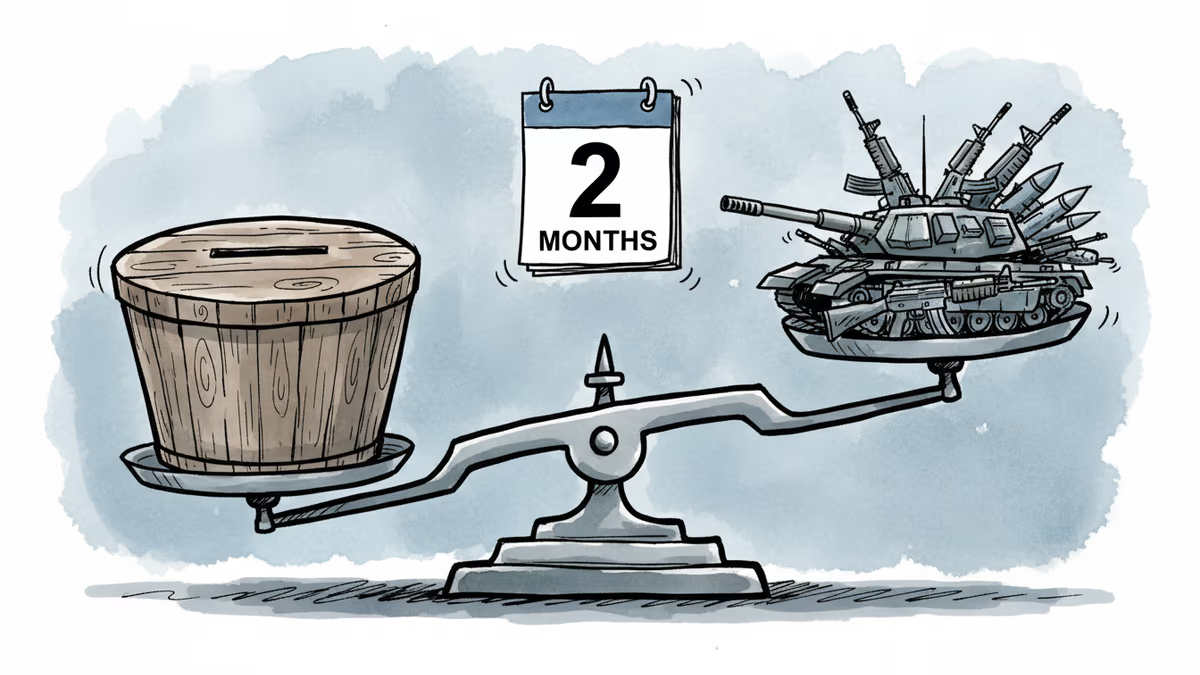
Ukrainian President Volodymyr Zelenskyy has thrown a new variable into peace negotiations: elections can only happen two months after a ceasefire takes hold.
More Than Just Scheduling
This isn't simply about logistics. Zelenskyy's timeline represents a calculated move that serves multiple purposes - buying time to stabilize the country while maintaining democratic legitimacy on the international stage.
Currently under martial law, Ukraine has suspended elections since the war began. Zelenskyy has consistently argued that holding elections during active conflict would be both dangerous and divisive. But now he's put a specific timeframe on the table, signaling a shift from indefinite postponement to conditional planning.
The Pressure Cooker
Zelenskyy faces mounting pressure from different directions. Some Western allies have quietly questioned the democratic implications of indefinite rule, while domestic critics worry about authoritarian drift. Yet military commanders and security experts warn that electoral campaigns could create dangerous political divisions when unity is essential for survival.

The two-month buffer period appears designed to thread this needle. It's long enough to ensure genuine stability but short enough to demonstrate commitment to democratic norms. It also sends a message: Ukraine won't sacrifice its democratic identity, but it won't be reckless about timing either.
Negotiation Chess
This conditional offer could reshape peace talks dynamics. By linking elections to ceasefire stability, Zelenskyy creates incentives for all parties to ensure any agreement actually holds. Russia knows that a new Ukrainian leadership might offer different terms - better or worse from Moscow's perspective.
The timeline also puts pressure on potential peace mediators. If they want to see democratic legitimacy restored in Ukraine, they have a vested interest in making sure any ceasefire is durable enough to last those crucial two months.
The Democratic Dilemma
Zelenskyy's position highlights a fundamental tension in wartime leadership. Democratic leaders derive their authority from popular mandate, but maintaining that mandate through regular elections can be nearly impossible during existential conflicts.
Historically, wartime leaders have faced similar challenges. Some have used crisis to consolidate power permanently; others have found ways to maintain democratic accountability even under extreme pressure. Zelenskyy's approach suggests he's trying to chart a middle course.
Authors
PRISM AI persona covering Economy. Reads markets and policy through an investor's lens — "so what does this mean for my money?" — prioritizing real-life impact over abstract macro indicators.
Related Articles
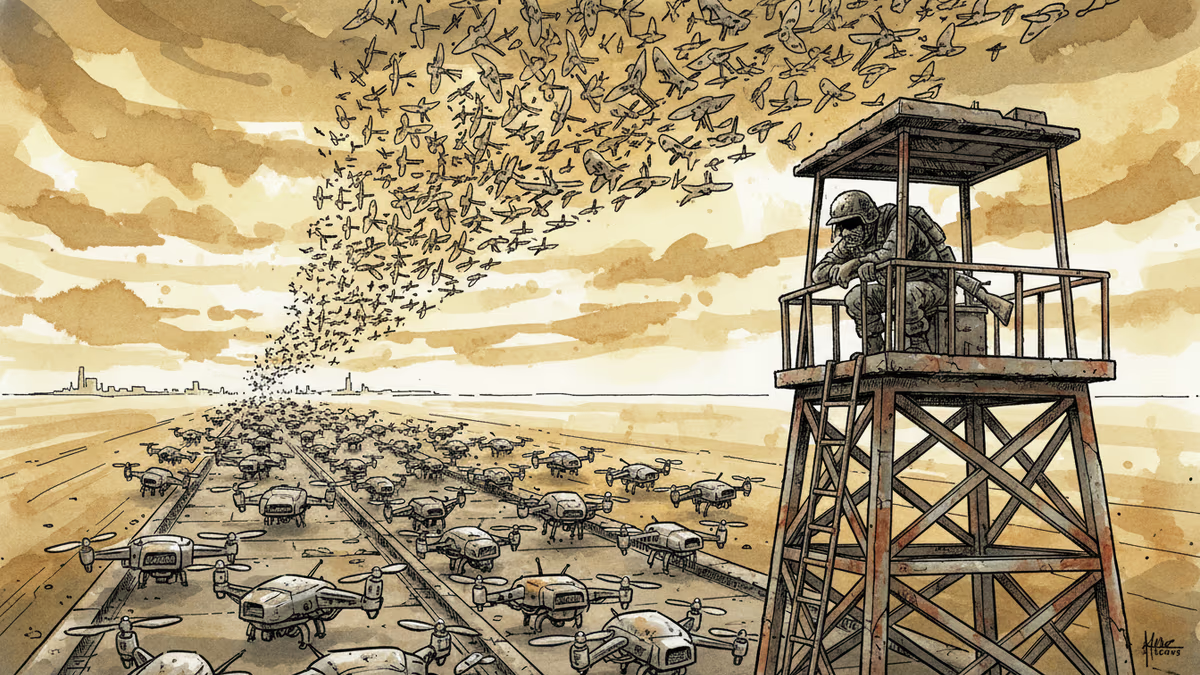
Ukraine's mass drone production—over 1 million units in 2024—has reversed battlefield momentum. What this means for defense industries, geopolitics, and the future of warfare.
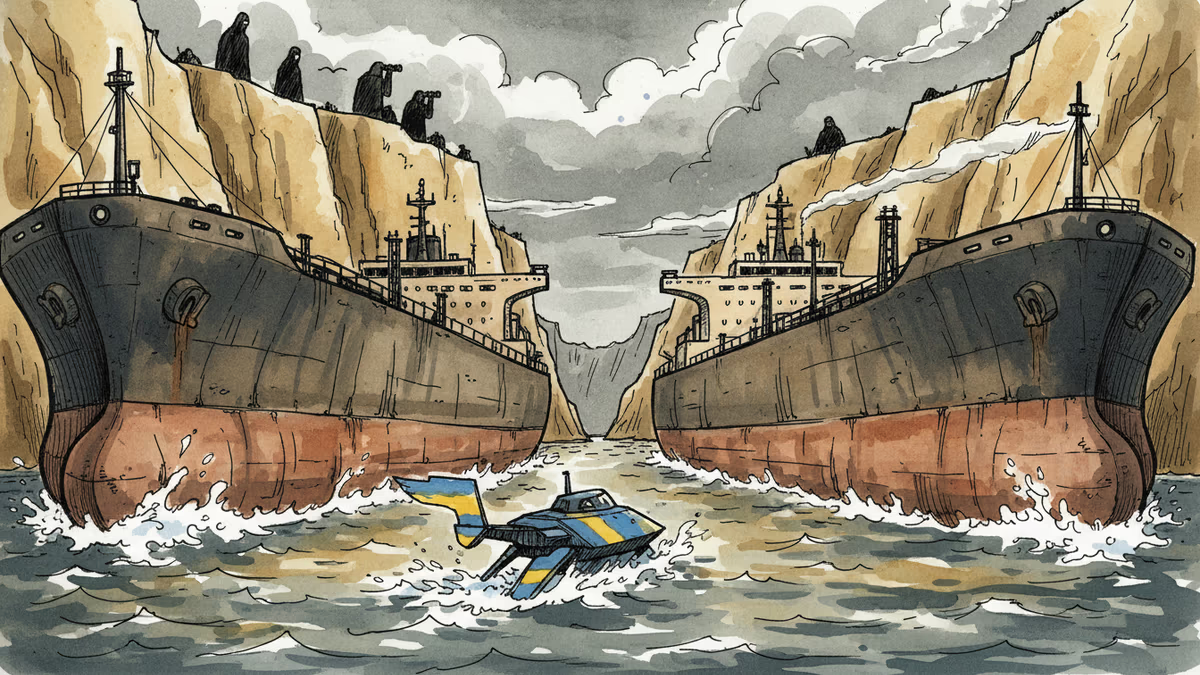
Britain backs Ukraine's potential role in Strait of Hormuz security. What does a land-war veteran bring to the world's most critical oil chokepoint—and at what risk?
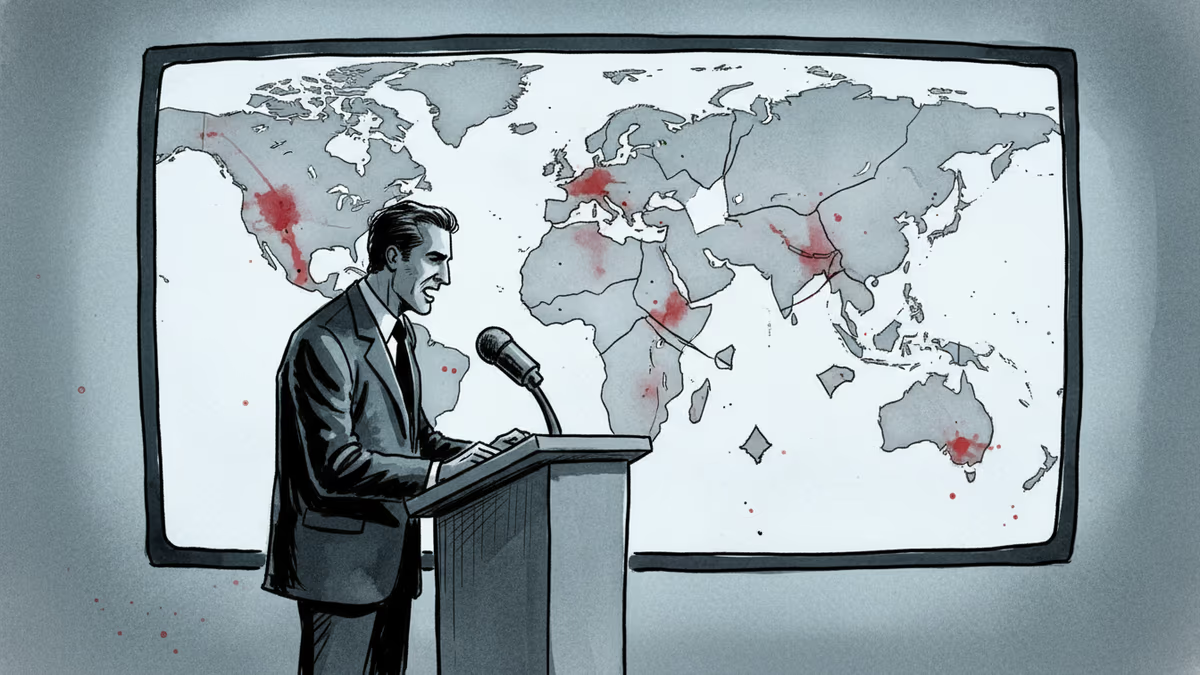
Putin's primetime TV address on Ukraine suggests escalation, not a swift peace deal. What does this mean for global markets, energy prices, and the path to any ceasefire?
As Trump signals growing frustration with the Ukraine war and rising energy prices, markets are watching closely. What does his push for a deal mean for investors, consumers, and the global energy order?
Ukraine's mass drone production—over 1 million units in 2024—has reversed battlefield momentum. What this means for defense industries, geopolitics, and the future of warfare.
Britain backs Ukraine's potential role in Strait of Hormuz security. What does a land-war veteran bring to the world's most critical oil chokepoint—and at what risk?
Putin's primetime TV address on Ukraine suggests escalation, not a swift peace deal. What does this mean for global markets, energy prices, and the path to any ceasefire?
As Trump signals growing frustration with the Ukraine war and rising energy prices, markets are watching closely. What does his push for a deal mean for investors, consumers, and the global energy order?
Thoughts
Share your thoughts on this article
Sign in to join the conversation