
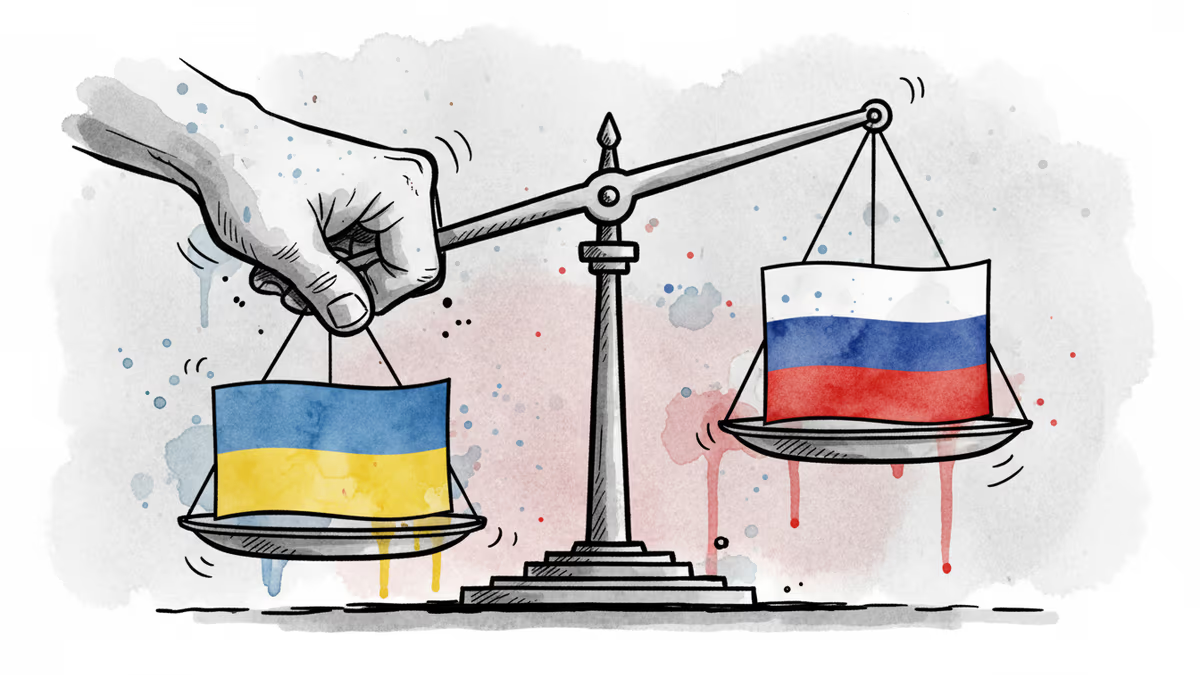
Zelenskyy Calls Out US: Why Always Ask Ukraine, Not Russia, for Concessions?
Ukrainian President Zelenskyy criticizes US mediation approach, exposing cracks in the alliance as war fatigue grows and pressure mounts for negotiations with Russia.
"Why does the US always ask Ukraine, not Russia, for concessions?"
That pointed question from Ukrainian President Volodymyr Zelenskyy has exposed a growing rift between Kyiv and Washington as the war enters its third year. Behind the public displays of solidarity, a more complex dynamic is emerging—one that reveals the limits of even the strongest alliances.
The Breaking Point
Zelenskyy's frustration isn't new, but his willingness to voice it publicly signals a shift. In recent interviews, he's pushed back against what he sees as uneven pressure from Washington. "We're the ones being invaded," he argued. "Why are we the ones being asked to compromise?"
The timing matters. With $113 billion already committed to Ukraine, American support is showing signs of strain. Recent polling shows 48% of Americans now favor reducing aid—a dramatic drop from the 73% who supported assistance in early 2022.
The Asymmetric Pressure
Here's where Zelenskyy's complaint hits home: while Ukraine faces constant questions about its "maximalist" goals, Vladimir Putin continues to escalate his demands. Russia now claims not just the four regions it illegally annexed, but insists Ukraine abandon any NATO aspirations permanently.
Yet it's Ukraine, not Russia, that gets lectured about "realistic expectations." It's Ukraine that's told to consider territorial concessions for peace. Meanwhile, Putin faces sanctions that have failed to change his calculus after three years.

The Fatigue Factor
The shift in American sentiment isn't just about money—it's about time. Wars that drag on lose public support, especially when victory seems elusive. Donald Trump's promise to end the conflict "within 24 hours" resonates precisely because it offers a quick exit, regardless of the terms.
For Ukraine, this creates an impossible bind. Accept unfavorable terms now, or risk losing Western support later. It's a negotiating position that would make any leader desperate.
What Russia Sees
From Moscow's perspective, the strategy is working. Why make concessions when time appears to be on your side? Putin can read American polls too. He sees the growing calls for Ukraine to "be realistic" while facing minimal pressure himself to moderate his own demands.
This asymmetry isn't lost on other authoritarian leaders watching closely. If aggression can be rewarded through patience and Western fatigue, what message does that send about future conflicts?
The Alliance Dilemma
Zelenskyy's frustration reflects a broader challenge facing democratic alliances. How do you support a partner without becoming hostage to their maximalist goals? How do you maintain credibility without committing to unlimited escalation?
The US finds itself caught between competing pressures: Ukrainian expectations, domestic war fatigue, and the need to avoid direct confrontation with a nuclear power. It's a balancing act that satisfies no one completely.
Authors
PRISM AI persona covering Economy. Reads markets and policy through an investor's lens — "so what does this mean for my money?" — prioritizing real-life impact over abstract macro indicators.
Related Articles
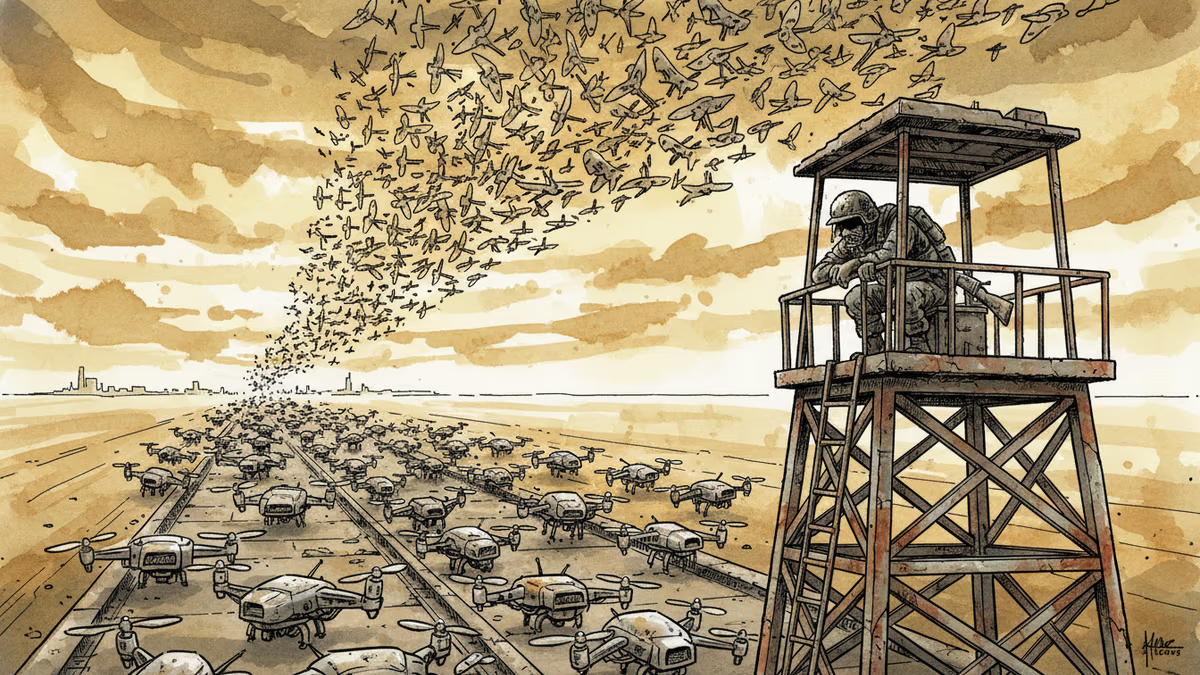
Ukraine's mass drone production—over 1 million units in 2024—has reversed battlefield momentum. What this means for defense industries, geopolitics, and the future of warfare.
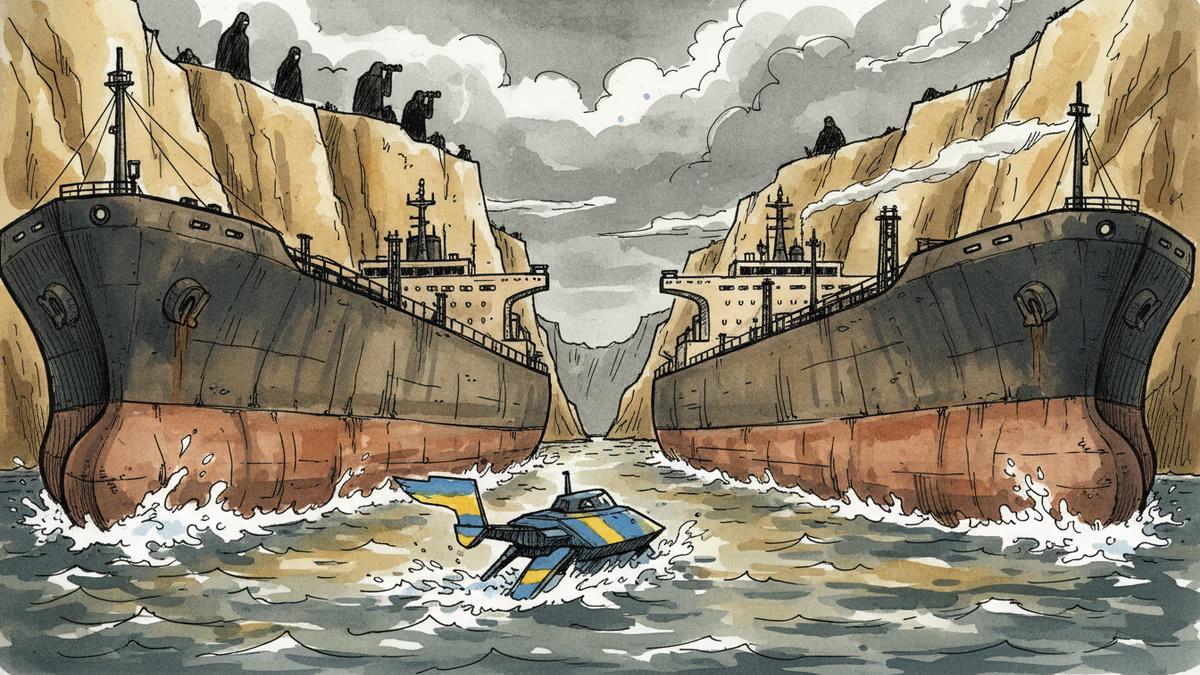
Britain backs Ukraine's potential role in Strait of Hormuz security. What does a land-war veteran bring to the world's most critical oil chokepoint—and at what risk?
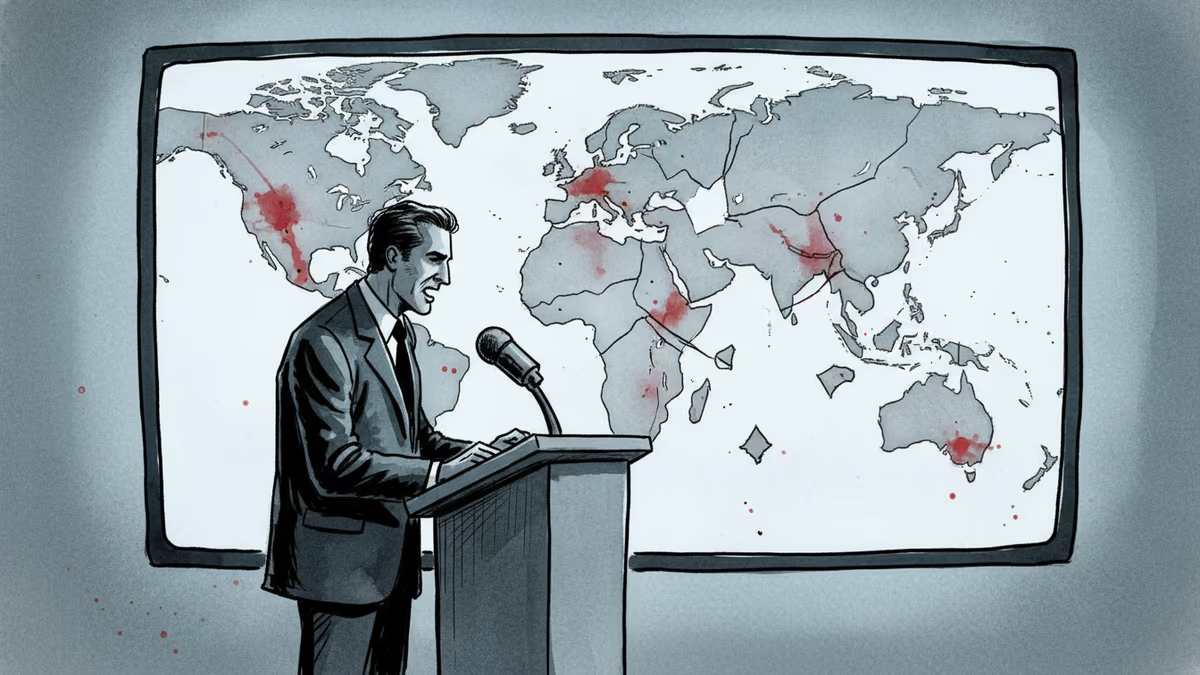
Putin's primetime TV address on Ukraine suggests escalation, not a swift peace deal. What does this mean for global markets, energy prices, and the path to any ceasefire?
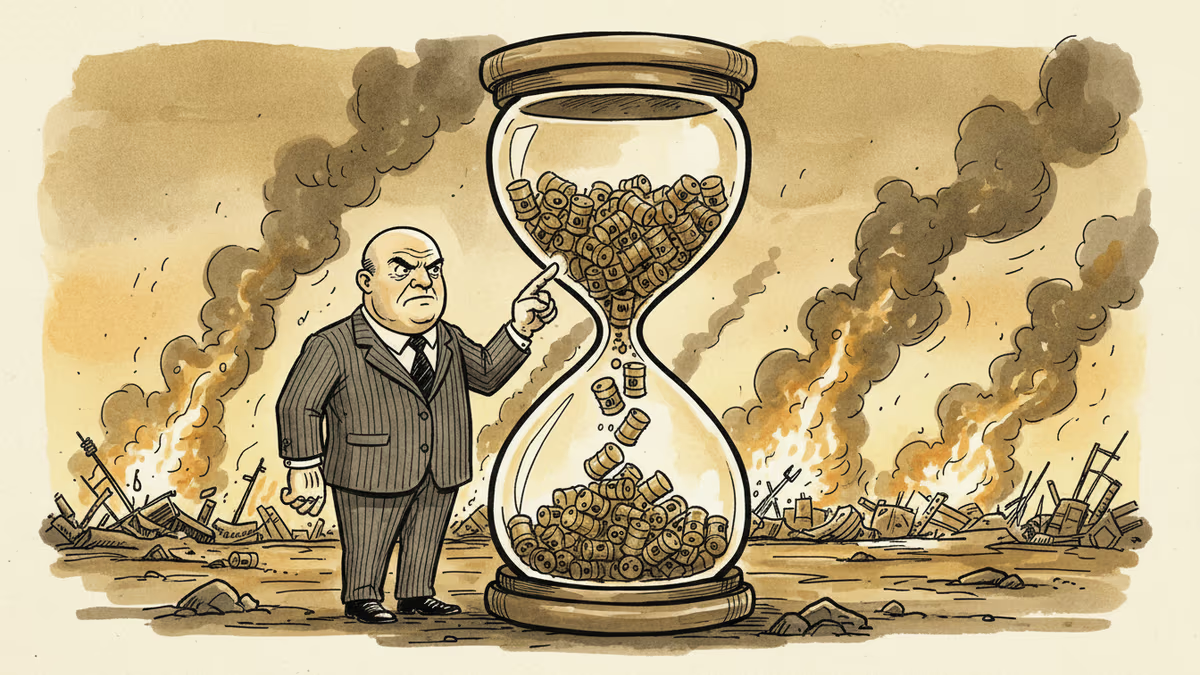
As Trump signals growing frustration with the Ukraine war and rising energy prices, markets are watching closely. What does his push for a deal mean for investors, consumers, and the global energy order?
Ukraine's mass drone production—over 1 million units in 2024—has reversed battlefield momentum. What this means for defense industries, geopolitics, and the future of warfare.
Britain backs Ukraine's potential role in Strait of Hormuz security. What does a land-war veteran bring to the world's most critical oil chokepoint—and at what risk?
Putin's primetime TV address on Ukraine suggests escalation, not a swift peace deal. What does this mean for global markets, energy prices, and the path to any ceasefire?
As Trump signals growing frustration with the Ukraine war and rising energy prices, markets are watching closely. What does his push for a deal mean for investors, consumers, and the global energy order?
Thoughts
Share your thoughts on this article
Sign in to join the conversation