
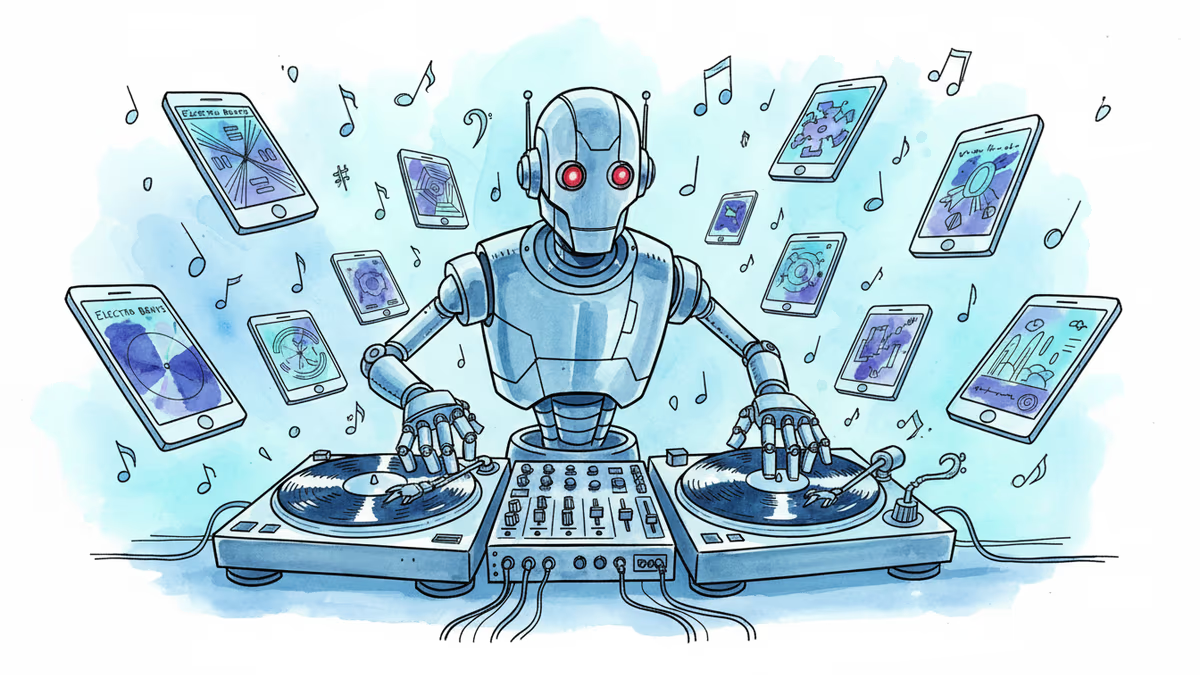
YouTube's AI Playlist War: Premium Users Get the First Shot
YouTube Music launches AI playlist generation for Premium users, joining Spotify in the battle for streaming dominance. What does this mean for music discovery?
The Playlist Arms Race Just Got Personal
YouTube Music users can now turn "raging death metal" or "sad post rock" into instant playlists—but only if they're paying $13.99 a month for Premium. The feature, rolling out to iOS and Android users this week, lets subscribers type or speak prompts like "progressive house mix for a chill party" to generate personalized playlists powered by AI.
It's a familiar playbook: give Premium users the shiny new toy first, then watch free users squirm. But in the increasingly cutthroat streaming wars, this move signals something bigger than just another feature drop.
Following Spotify's Script
YouTube isn't breaking new ground here. Spotify has been experimenting with AI-powered playlist creation, as have Amazon Music and Deezer. The technology itself—analyzing user behavior, musical patterns, and contextual cues—has been brewing in labs for years.
What's notable is the timing. Just days before this AI playlist launch, YouTube quietly restricted free users from viewing song lyrics in the YouTube Music app. The company called it an "experiment with a small percentage of ad-supported users," but the message was clear: want the full experience? Pay up.
This isn't accidental. Google reported 325 million paying subscribers across Google One and YouTube Premium earlier this month—a number that includes both cloud storage and music streaming services. With subscription revenue becoming increasingly crucial to Google's bottom line, every Premium feature becomes a potential conversion tool.

The Free User Squeeze
For the 2 billion monthly users who don't pay for YouTube Premium, the experience keeps getting more restrictive. First came the aggressive ad rollouts. Then the lyrics lockdown. Now AI playlists join the Premium-only club.
It's a calculated risk. Push too hard, and users might jump ship to Spotify (which still offers lyrics to free users) or Apple Music. Don't push hard enough, and conversion rates stagnate while server costs keep climbing.
The question becomes: what's the breaking point? When does feature restriction cross the line from "gentle nudging" to "user hostility"?
The Discovery Dilemma
AI playlist generation touches on something fundamental in music streaming: the balance between algorithmic discovery and human curation. Spotify's success largely stems from its recommendation engine—the uncanny ability to surface songs you didn't know you wanted to hear.
But AI-generated playlists flip the script. Instead of the algorithm surprising you, you're instructing the algorithm. It's discovery on demand rather than serendipitous exploration.
Early users report mixed results. Prompts like "90s classic hits" work predictably well. More nuanced requests—"melancholic indie for rainy Sunday mornings"—sometimes nail the vibe, sometimes deliver generic results that miss the emotional mark entirely.
Authors
Related Articles
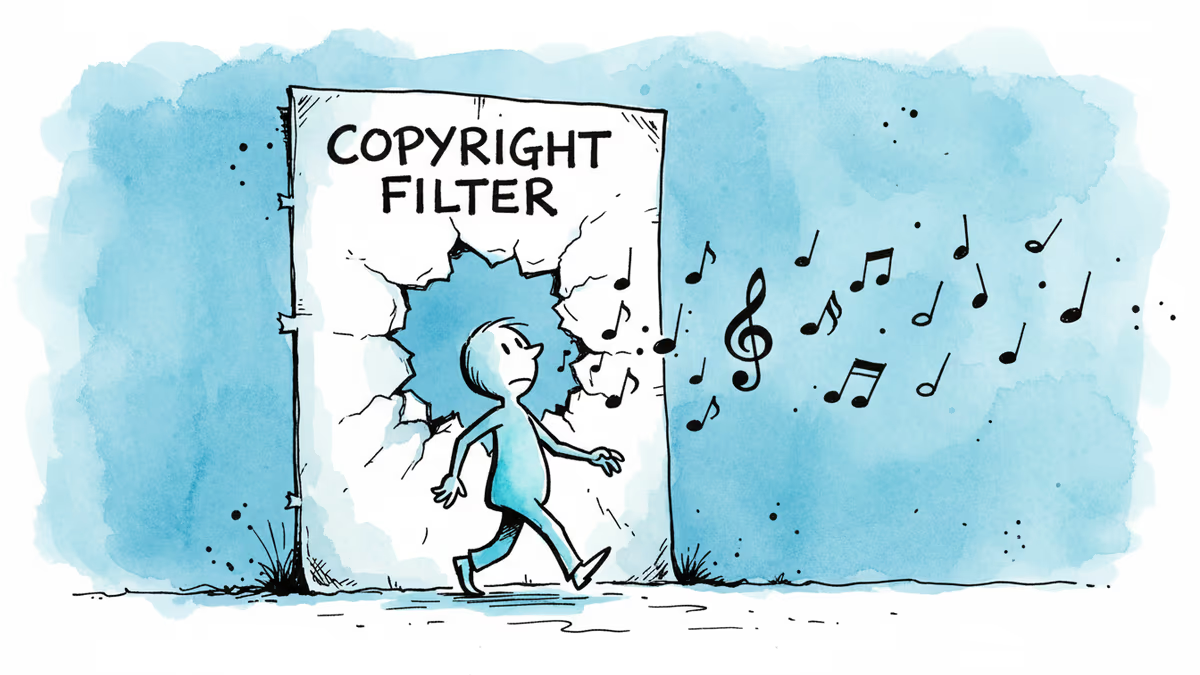
Suno's AI music platform claims to block copyrighted content, but researchers found its filters can be bypassed with minimal effort and free tools, generating near-identical imitations of Beyoncé, Black Sabbath, and more.
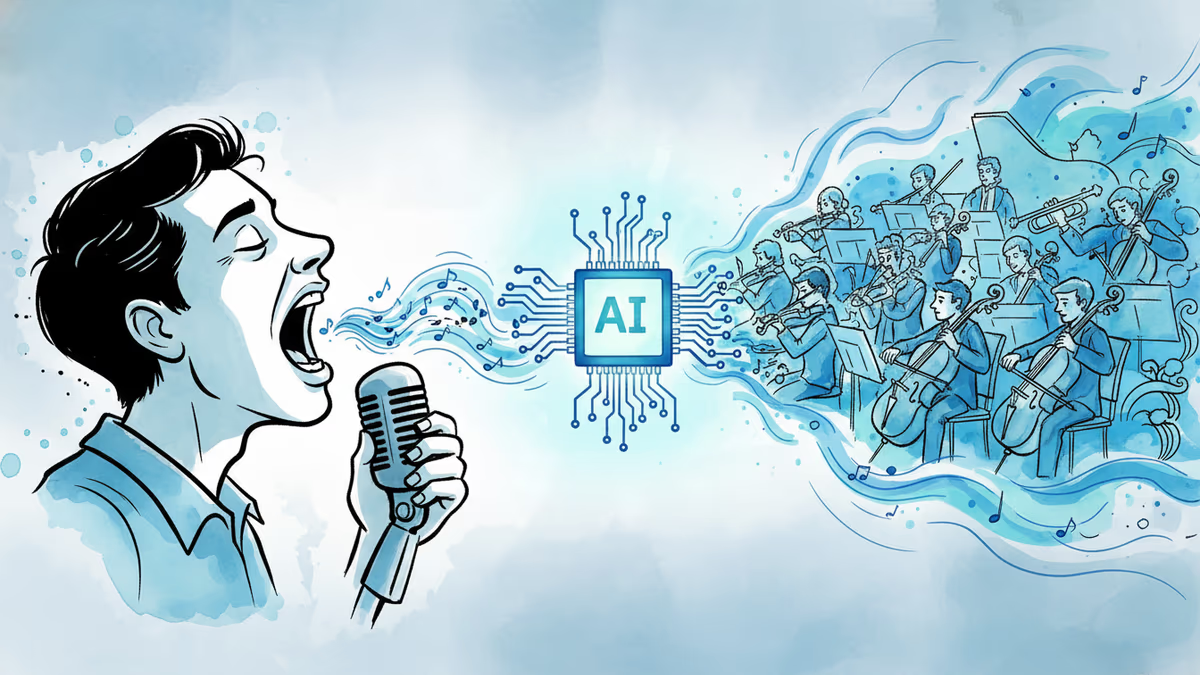
Suno's v5.5 update introduces Voices, My Taste, and Custom Models — shifting AI music from novelty to personalized creative tool. Here's what it means.
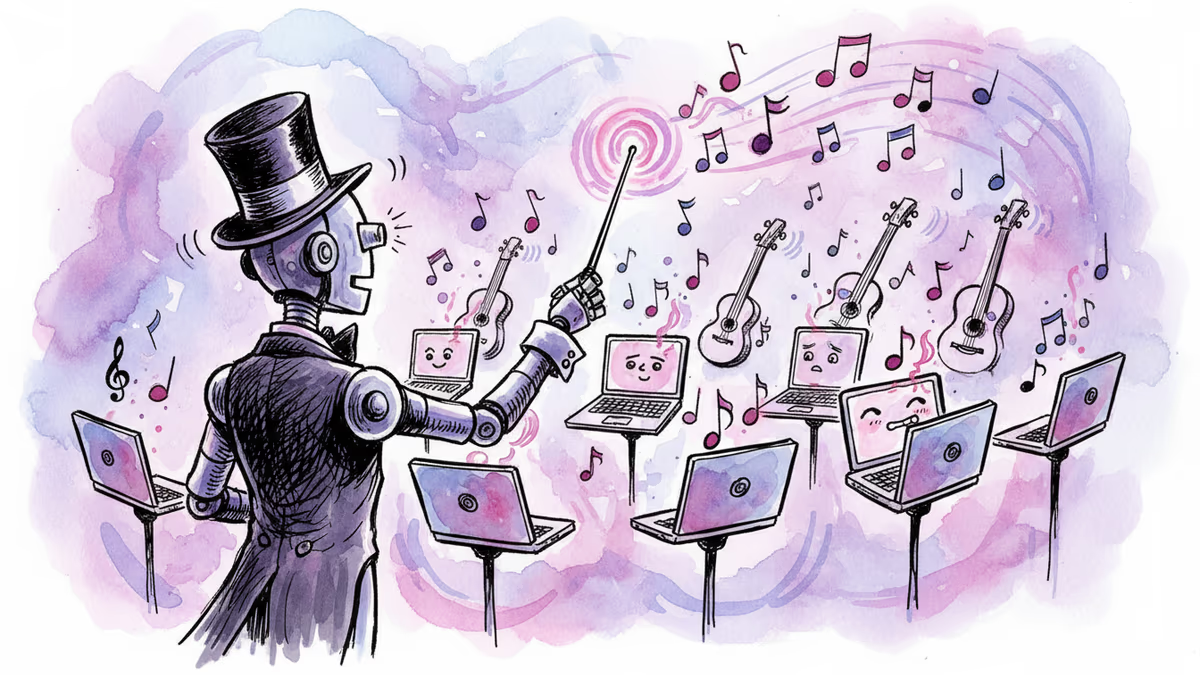
Google deploys Lyria 3 AI model in Gemini app, making AI music generation accessible to everyone. Exploring the implications for music industry and creativity.
Spotify launches 'About the Song' feature providing backstories for music tracks. How this changes the streaming experience and what it means for music discovery.
Suno's AI music platform claims to block copyrighted content, but researchers found its filters can be bypassed with minimal effort and free tools, generating near-identical imitations of Beyoncé, Black Sabbath, and more.
Suno's v5.5 update introduces Voices, My Taste, and Custom Models — shifting AI music from novelty to personalized creative tool. Here's what it means.
Google deploys Lyria 3 AI model in Gemini app, making AI music generation accessible to everyone. Exploring the implications for music industry and creativity.
Spotify launches 'About the Song' feature providing backstories for music tracks. How this changes the streaming experience and what it means for music discovery.
Thoughts
Share your thoughts on this article
Sign in to join the conversation