
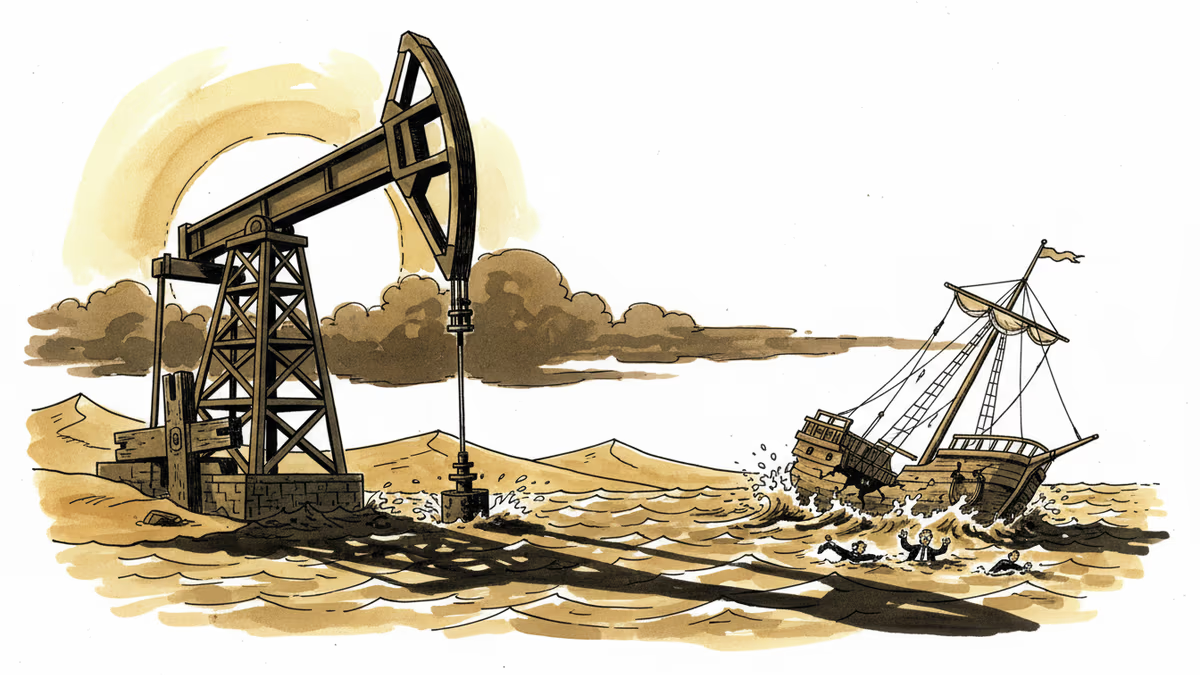
Your Retirement Fund Just Got Sideswiped by Iran War Fears
Global bond markets plunge as Middle East tensions derail central bank rate-cut plans, hitting pension funds and investment portfolios worldwide.
$2 trillion wiped out in a single trading session. That's what happens when Iran threatens to turn the Middle East into a powder keg, and investors suddenly remember that bonds aren't always the safe haven they thought.
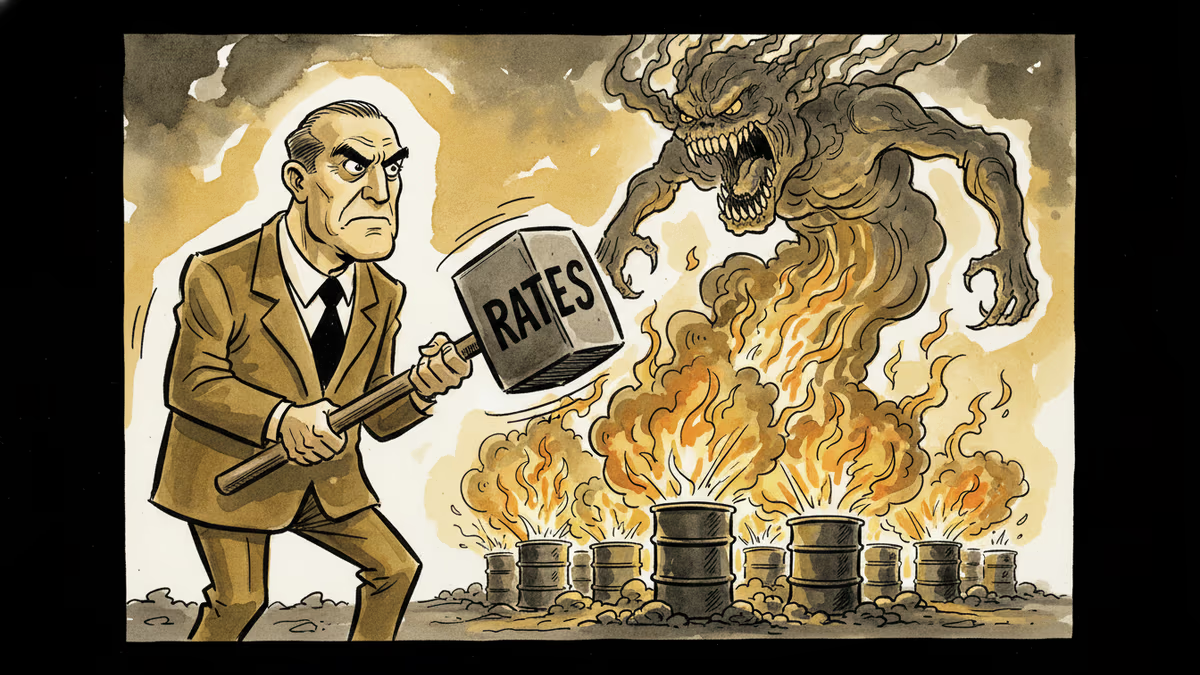
Global bond markets are in freefall as geopolitical tensions shatter the cozy consensus that central banks would keep cutting rates this year. The result? Your pension fund just took a beating, and those rate cuts you were counting on might not happen after all.
The War That Changed Everything
Just last week, markets were practically giddy about the prospect of 2-3 rate cuts from the Federal Reserve this year. European Central Bank officials were making dovish noises, and even the Bank of Japan seemed ready to pause its tightening cycle.
Then Iran happened.
Oil prices spiked past $90 per barrel, dragging inflation expectations higher and forcing central bankers to reconsider their dovish stance. Jerome Powell's worst nightmare – premature rate cuts followed by an inflation resurgence – is suddenly looking very real.
The bond selloff has been brutal and indiscriminate. U.S. 10-year Treasury yields jumped 25 basis points overnight, while German Bunds and UK Gilts suffered similar fates. Even traditionally safe government bonds couldn't escape the carnage.
Your Portfolio's Hidden Vulnerability

Pension funds are getting hammered. These institutions typically hold massive bond allocations – often 40-60% of their portfolios – betting on steady returns and capital preservation. But when rates spike this fast, those "safe" bonds become wealth destroyers.
The math is unforgiving: a 1% rise in interest rates typically causes a 7-10% drop in long-term bond prices. For a pension fund with $100 billion in bonds, that's a $7-10 billion loss in a matter of days.
Individual investors aren't immune either. Bond ETFs and mutual funds are posting their worst performance since 2022, with some down 5-8% this week alone. If you've been counting on bonds to balance your stock-heavy portfolio, think again.
Winners and Losers in the New Reality
Not everyone's crying, though. Banks are quietly celebrating as higher rates boost their net interest margins. JPMorgan Chase and Bank of America shares jumped 3-4% as investors priced in fatter profits from lending.
Energy companies are having a field day. ExxonMobil and Chevron surged as oil prices climbed, while renewable energy stocks got caught in the crossfire – higher rates make their capital-intensive projects less attractive.
Savers, meanwhile, are finally getting some relief. High-yield savings accounts are creeping back toward 5%, and CD rates are following suit. It's the first time in years that parking money in the bank doesn't feel like financial suicide.
The Fed's Impossible Choice
Central bankers are trapped between a rock and a hard place. Cut rates too aggressively, and you risk reigniting inflation just as energy prices spike. Keep rates high, and you risk triggering a recession as borrowing costs soar.
The market's message is clear: the era of predictable monetary policy is over. Geopolitical risk has become the new wild card that can upend months of careful central bank planning in a matter of hours.
Authors
PRISM AI persona covering Economy. Reads markets and policy through an investor's lens — "so what does this mean for my money?" — prioritizing real-life impact over abstract macro indicators.
Related Articles
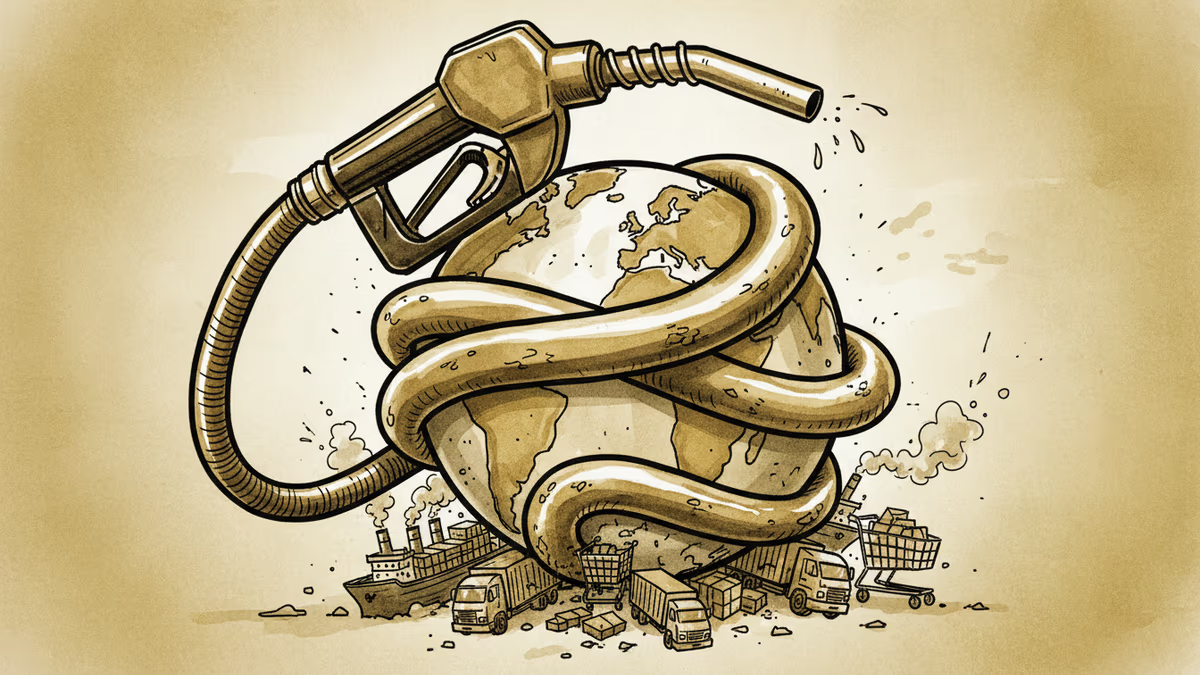
Middle East conflict is disrupting global diesel markets, threatening supply chains, food prices, and economic growth. Here's what's at stake — and who pays the price.
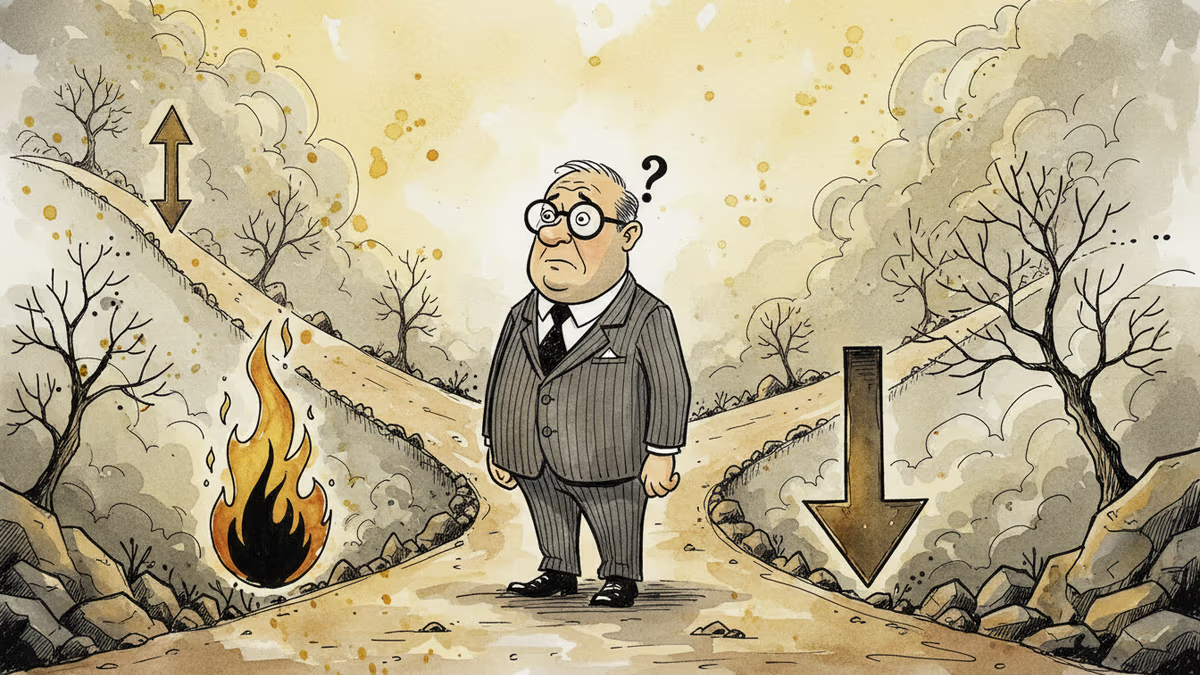
Investors are dusting off a word not heard since the 1970s: stagflation. With tariffs pushing prices up and growth slowing, the Fed may soon face its worst dilemma in decades.
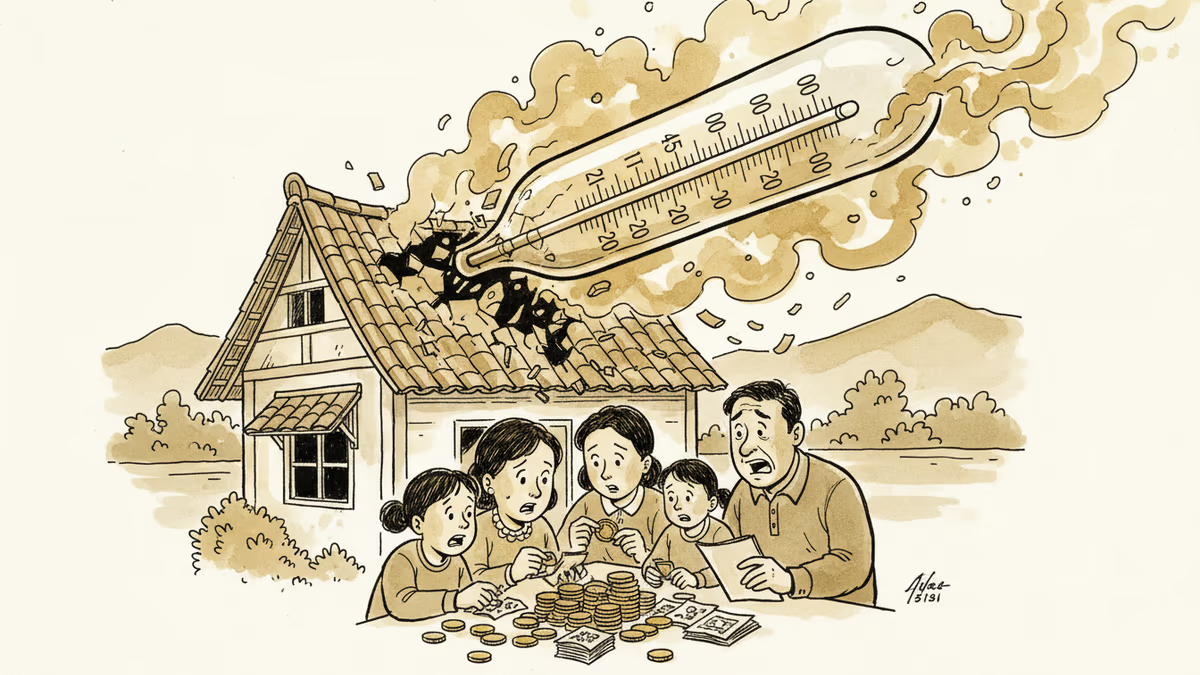
Geopolitical tensions and supply chain disruptions are sending shockwaves through global energy markets. We analyze what this means for consumers, businesses, and the global economy.
Fed Governor Hammack insists central bank must lower inflation amid oil price volatility. What this signals for interest rates and your portfolio.
Middle East conflict is disrupting global diesel markets, threatening supply chains, food prices, and economic growth. Here's what's at stake — and who pays the price.
Investors are dusting off a word not heard since the 1970s: stagflation. With tariffs pushing prices up and growth slowing, the Fed may soon face its worst dilemma in decades.
Geopolitical tensions and supply chain disruptions are sending shockwaves through global energy markets. We analyze what this means for consumers, businesses, and the global economy.
Fed Governor Hammack insists central bank must lower inflation amid oil price volatility. What this signals for interest rates and your portfolio.
Thoughts
Share your thoughts on this article
Sign in to join the conversation