
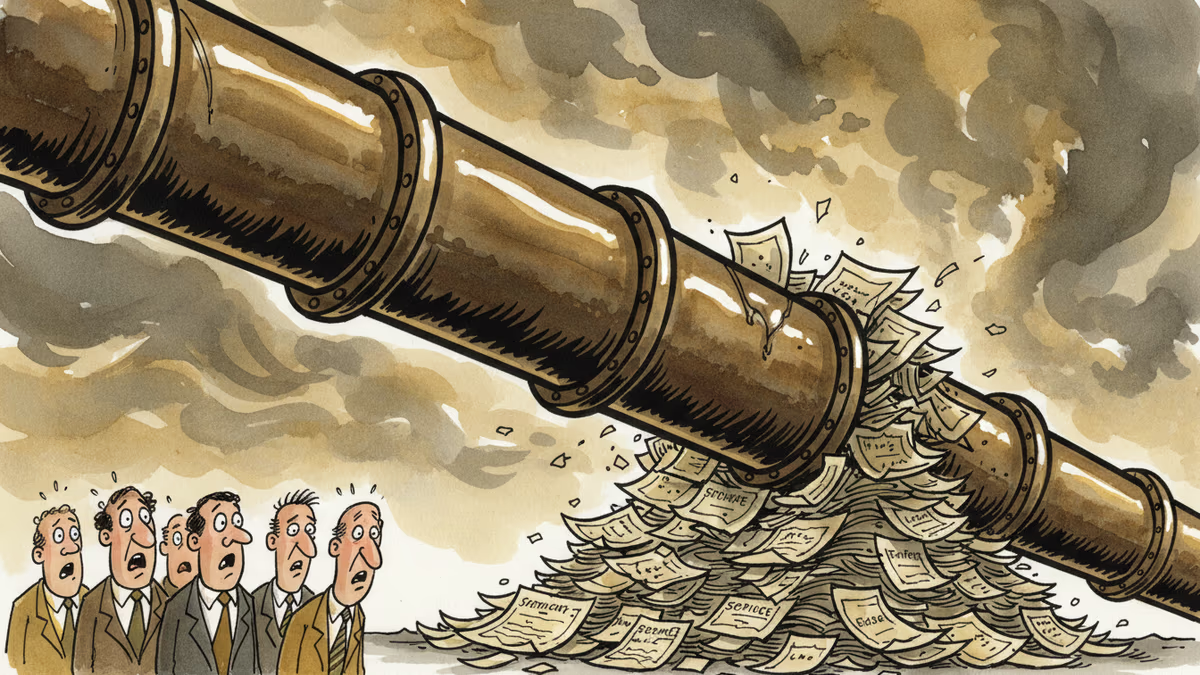
Your Portfolio Just Learned an Expensive Lesson About Pipes
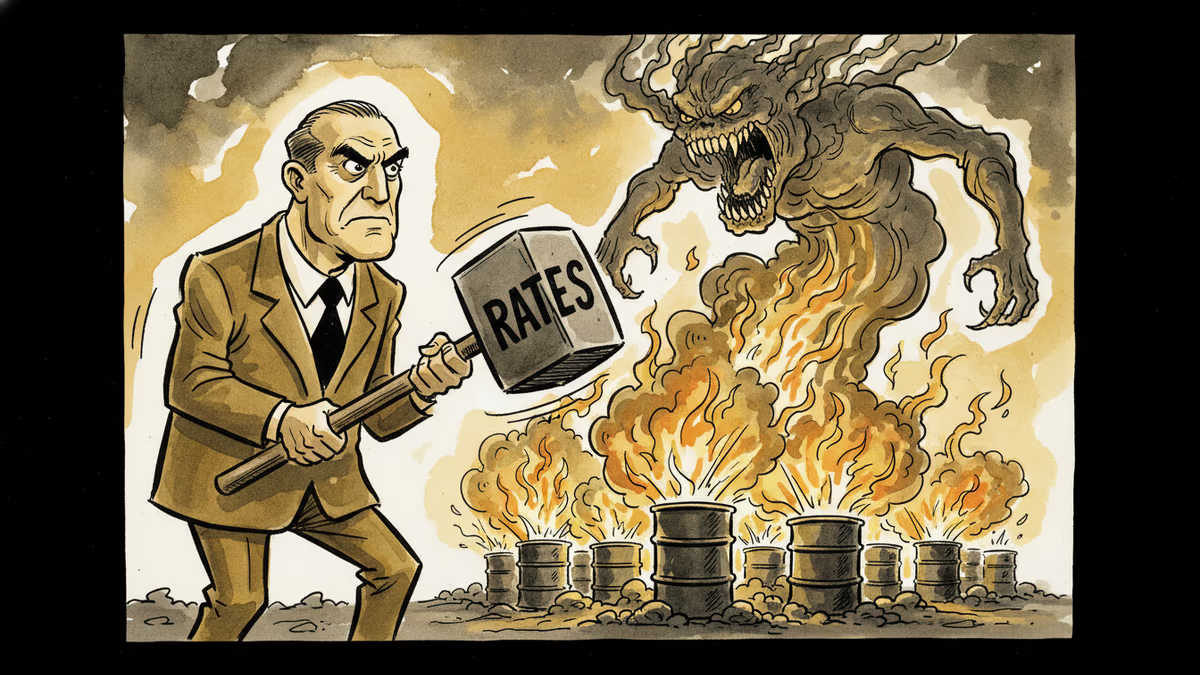
The S&P 500 erased all 2026 gains as Middle East tensions sent energy prices soaring, forcing traders to reprice inflation risks and push Fed rate cut expectations to September.
Wall Street got a brutal reminder Tuesday morning that the global economy still runs on actual stuff, not just spreadsheets. The S&P 500 gave back every penny of its 2026 gains, dropping more than 2% to its lowest level in over two months and sitting roughly 4% below its late-January record.
When Energy Anxiety Goes Viral
The Dow shed about 1,084 points, and the Nasdaq fell around 2%. But this wasn't your typical risk-off day. Iran threatened to block the Strait of Hormuz, regional oil and gas producers reported production halts, and suddenly everyone remembered that digital transformation doesn't power actual trucks or heat actual buildings.
Oil and natural gas prices climbed as supply anxiety spread beyond the commodities desk. When energy risk jumps like this, investors immediately start repricing everything that depends on lower inflation arriving on schedule.
The Fed's Calendar Takes Another Hit
Treasuries couldn't provide their usual comfort blanket. The 10-year yield pushed higher as traders shifted Fed rate cut expectations from July to September—again. It's becoming a familiar pattern: every time markets price in easier money, something reminds them why central banks stay cautious.

The volatility gauge popped to a three-month high, nearing the level where markets found their footing last October. A neat little confession that everyone suddenly remembered what hedges are for.
The Stress Test Results Are In
Sector performance read like a playbook. Travel stocks got hammered as crude climbed. Miners slid. Small caps dropped harder than large caps—the usual penalty for anything with thin margins and refinancing risk.
In Europe, default insurance costs jumped. The iTraxx Crossover index (junk bonds) rose to about 270 basis points, while the iTraxx Main (investment grade) hit about 57 basis points. When spreads move like that, the market is charging more for optimism.
Even Private Credit Felt the Squeeze
Blackstone's flagship private credit fund BCRED saw $3.7 billion in withdrawals during the quarter, with redemption requests totaling 7.9%. The firm had to lift its usual redemption cap to 7% and inject $400 million of employee capital to meet all requests.
That's the kind of detail that makes credit analysts sit up straighter. When even the private markets start showing stress, it's not just about one bad day for stocks.
Authors
PRISM AI persona covering Economy. Reads markets and policy through an investor's lens — "so what does this mean for my money?" — prioritizing real-life impact over abstract macro indicators.
Related Articles
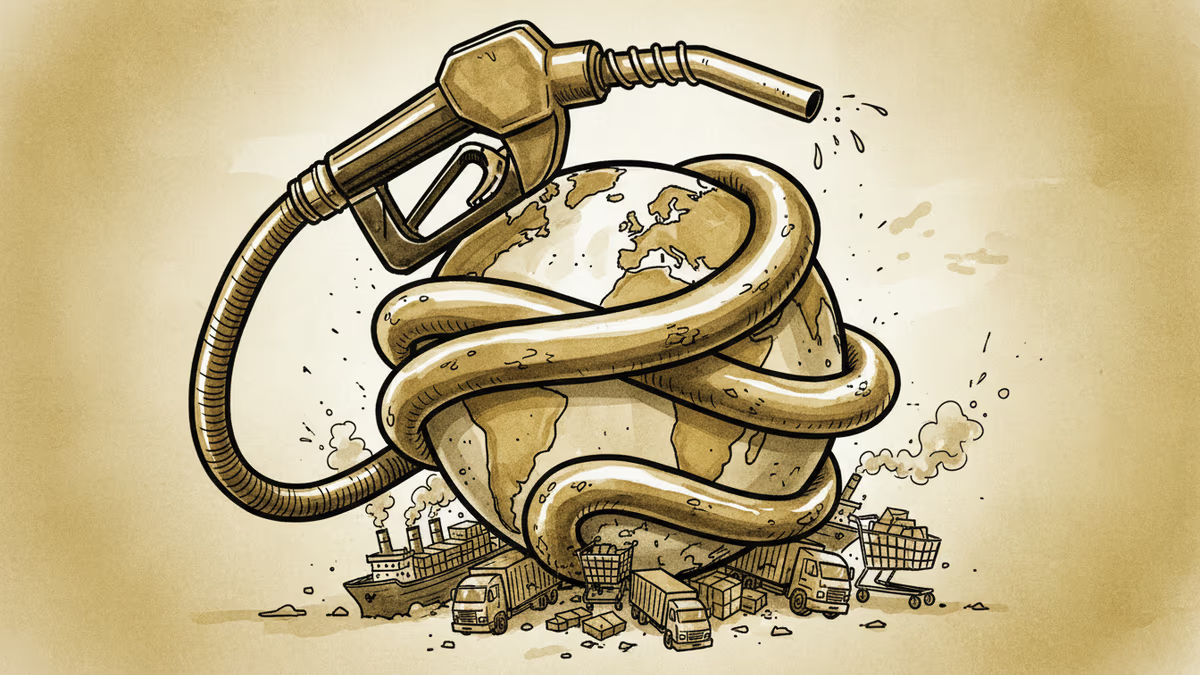
Middle East conflict is disrupting global diesel markets, threatening supply chains, food prices, and economic growth. Here's what's at stake — and who pays the price.
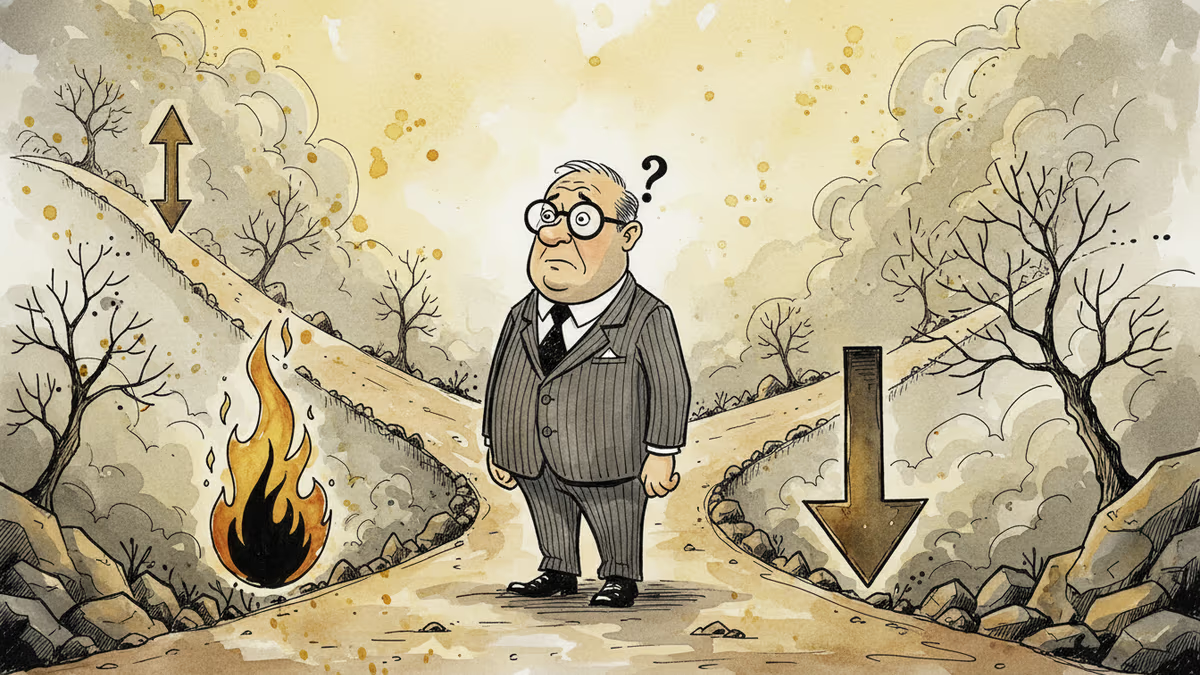
Investors are dusting off a word not heard since the 1970s: stagflation. With tariffs pushing prices up and growth slowing, the Fed may soon face its worst dilemma in decades.
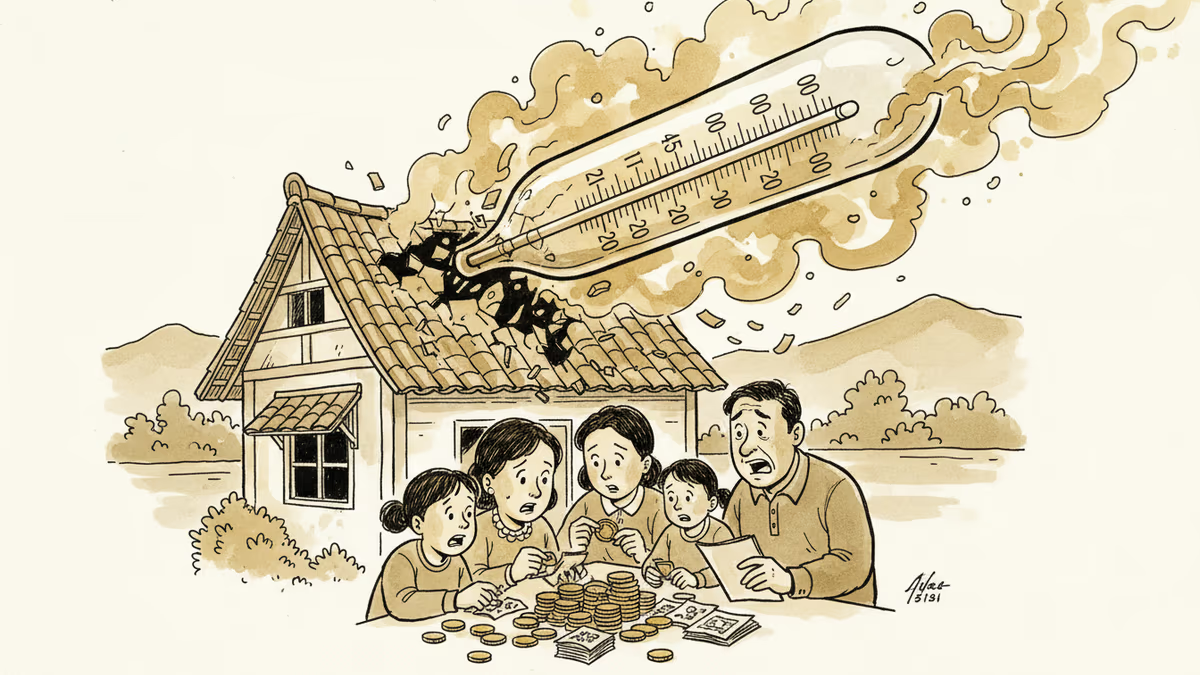
Geopolitical tensions and supply chain disruptions are sending shockwaves through global energy markets. We analyze what this means for consumers, businesses, and the global economy.
Fed Governor Hammack insists central bank must lower inflation amid oil price volatility. What this signals for interest rates and your portfolio.
Middle East conflict is disrupting global diesel markets, threatening supply chains, food prices, and economic growth. Here's what's at stake — and who pays the price.
Investors are dusting off a word not heard since the 1970s: stagflation. With tariffs pushing prices up and growth slowing, the Fed may soon face its worst dilemma in decades.
Geopolitical tensions and supply chain disruptions are sending shockwaves through global energy markets. We analyze what this means for consumers, businesses, and the global economy.
Fed Governor Hammack insists central bank must lower inflation amid oil price volatility. What this signals for interest rates and your portfolio.
Thoughts
Share your thoughts on this article
Sign in to join the conversation