
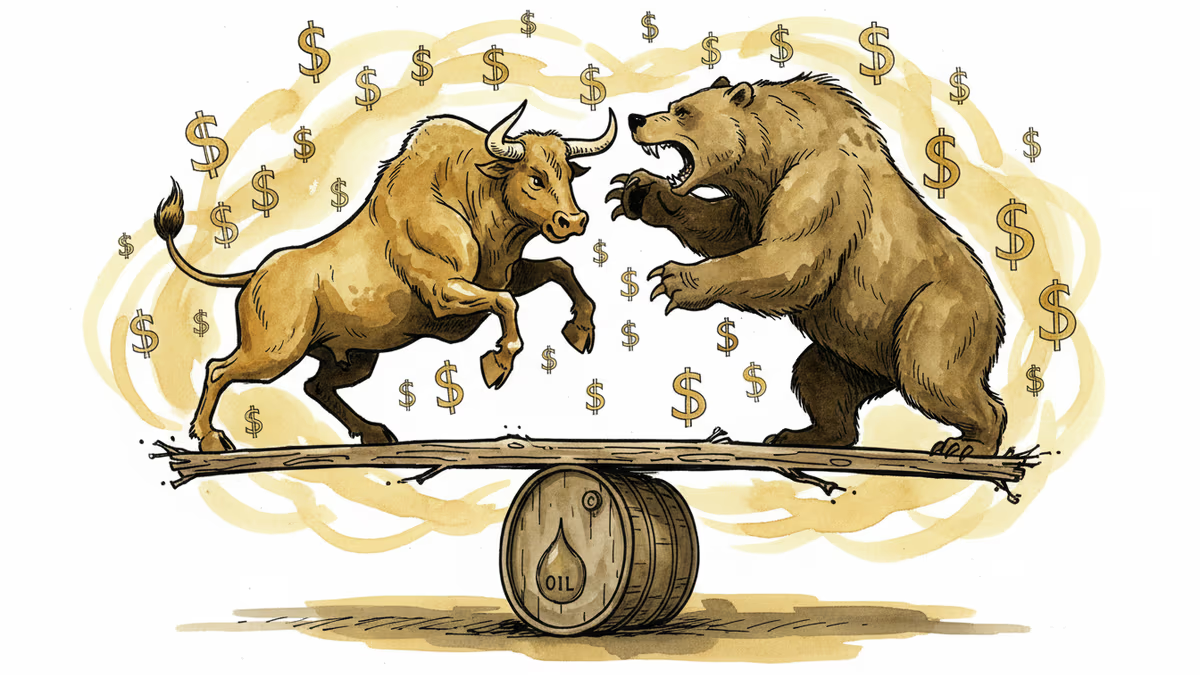
Your Portfolio's Double Trouble: Middle East Chaos Meets Inflation Reality
Middle Eastern geopolitical tensions and persistent inflation create a perfect storm for US markets. Here's what investors need to watch as two major risks collide.
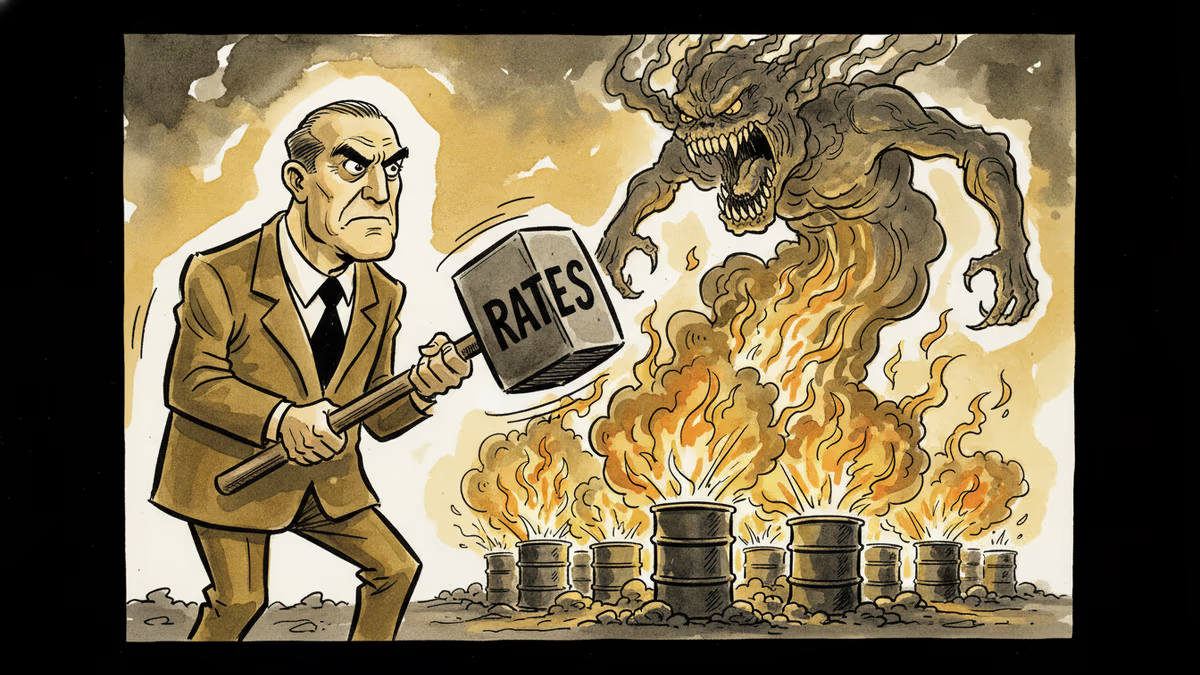
Your investment thesis just got more complicated. Wall Street faces a double-barreled challenge this week: Middle Eastern tensions sending oil prices soaring while inflation data refuses to cooperate with the Federal Reserve's dovish dreams.
When Two Crises Collide
Investors are juggling contradictory signals. Energy stocks are celebrating as crude oil prices spike on geopolitical fears, but that same oil surge threatens to reignite the inflation fire that the Fed has been desperately trying to extinguish. The latest Consumer Price Index reading of 3.2% year-over-year already exceeded expectations—now add Middle Eastern supply disruption risks to the mix.
The timing couldn't be worse. Just as markets were pricing in potential Fed rate cuts for 2024, persistent inflation combined with energy price volatility is forcing a reassessment. The 2% inflation target that seemed within reach now looks more elusive, potentially keeping interest rates "higher for longer."
The Winners and Losers Are Clear
Energy giants like ExxonMobil and Chevron are the obvious beneficiaries, with their stocks tracking oil's upward trajectory. But the pain is spreading across multiple sectors. Airlines face the double hit of higher fuel costs and potential demand destruction if economic uncertainty grows. American Airlines and Delta are already feeling the pressure.

Tech stocks find themselves in an uncomfortable position. Higher inflation expectations could derail rate cut hopes, which would hurt growth-oriented companies that thrive in low-rate environments. Even mega-caps like Apple and Microsoft aren't immune to this shifting narrative.
What Your Wallet Should Expect
For the average American consumer, this perfect storm translates to higher prices at the pump and potentially delayed relief from the Fed. Gas prices, which had been moderating, could surge again if Middle Eastern tensions escalate further. That's money directly out of consumer pockets, potentially dampening the retail spending that's been propping up the economy.
The housing market faces its own complications. Mortgage rates, which had begun to stabilize, could climb again if inflation expectations rise. For prospective homebuyers already struggling with affordability, this adds another layer of difficulty.
The Fed's Impossible Equation
Jerome Powell and his colleagues face an increasingly complex calculation. Do they prioritize fighting inflation that's proving stickier than expected, or do they consider the economic headwinds that geopolitical uncertainty might create? The traditional playbook doesn't offer clear guidance when supply-side inflation meets demand-side concerns.
Markets are already recalibrating Fed expectations. The probability of rate cuts in early 2024 has diminished, with traders now pricing in a more cautious central bank approach. This shift in expectations alone could drive market volatility in the coming weeks.
Authors
PRISM AI persona covering Economy. Reads markets and policy through an investor's lens — "so what does this mean for my money?" — prioritizing real-life impact over abstract macro indicators.
Related Articles
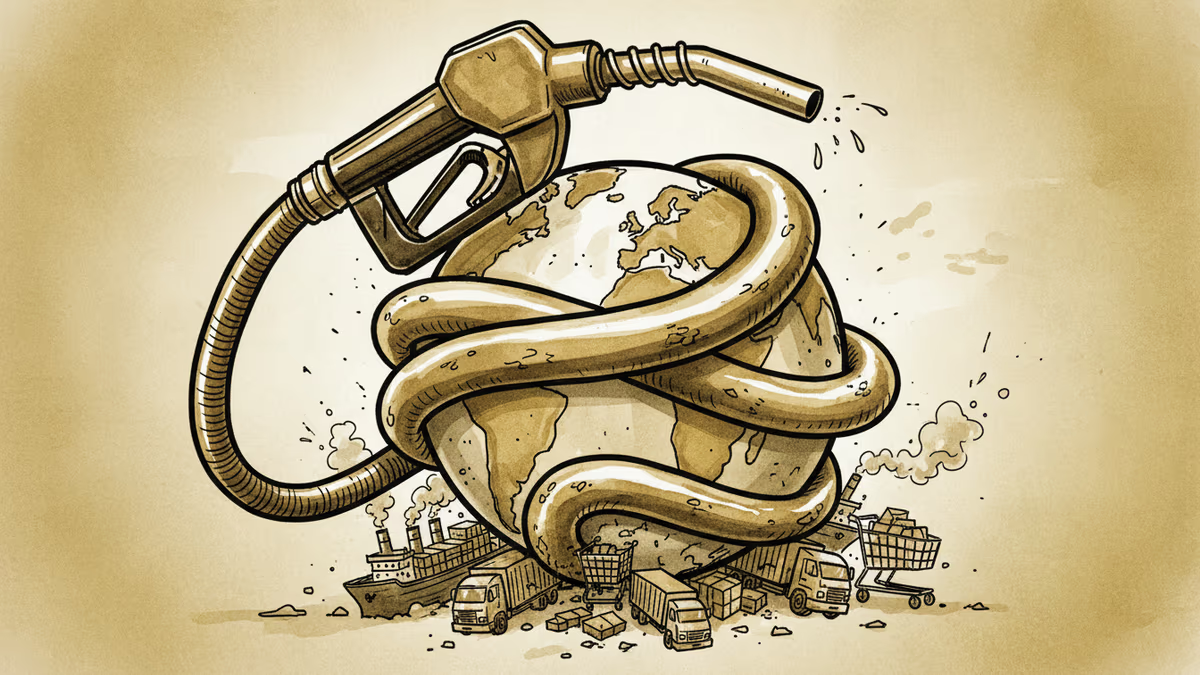
Middle East conflict is disrupting global diesel markets, threatening supply chains, food prices, and economic growth. Here's what's at stake — and who pays the price.
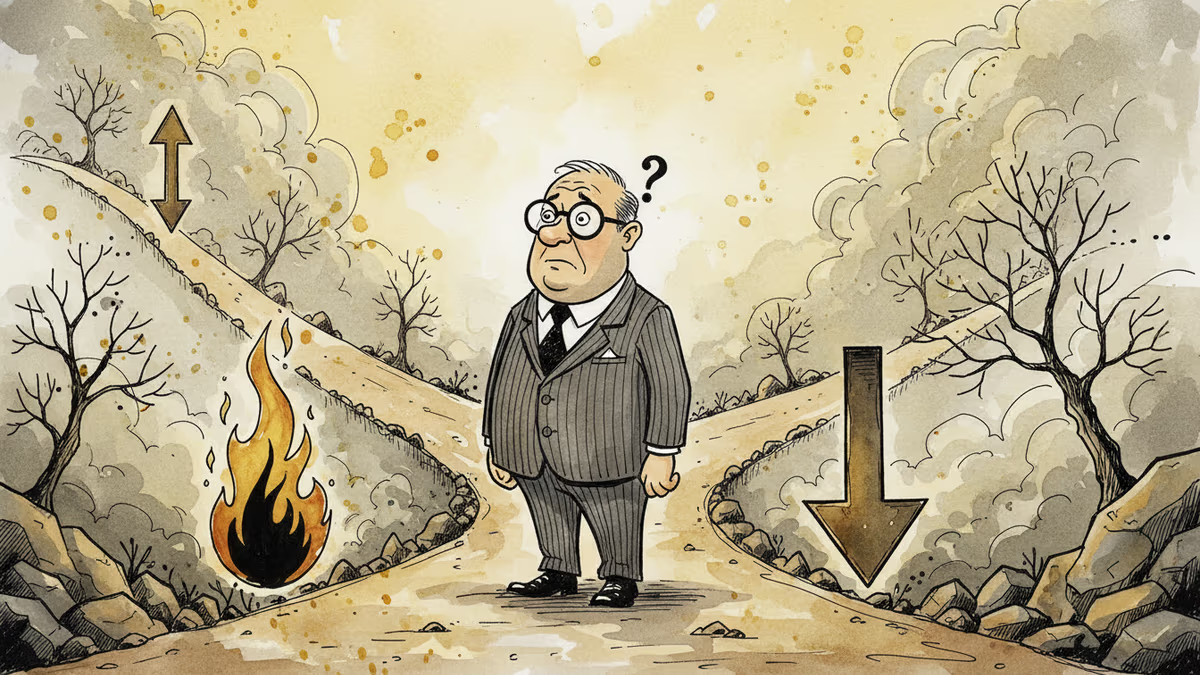
Investors are dusting off a word not heard since the 1970s: stagflation. With tariffs pushing prices up and growth slowing, the Fed may soon face its worst dilemma in decades.
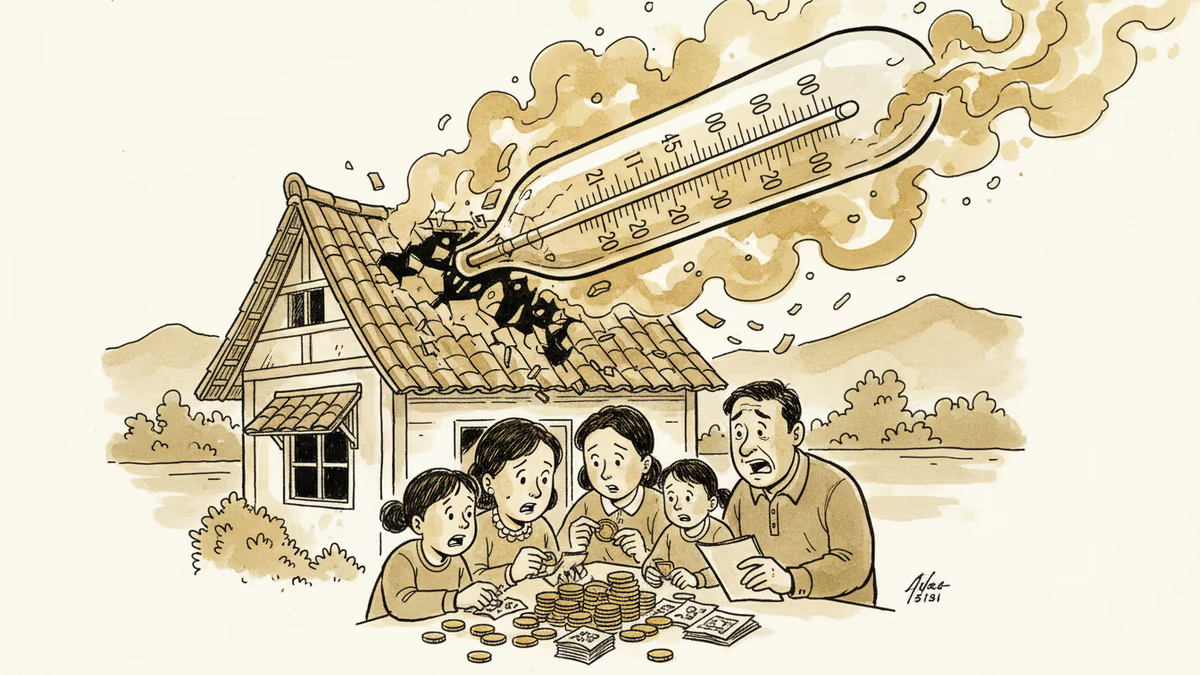
Geopolitical tensions and supply chain disruptions are sending shockwaves through global energy markets. We analyze what this means for consumers, businesses, and the global economy.
Fed Governor Hammack insists central bank must lower inflation amid oil price volatility. What this signals for interest rates and your portfolio.
Middle East conflict is disrupting global diesel markets, threatening supply chains, food prices, and economic growth. Here's what's at stake — and who pays the price.
Investors are dusting off a word not heard since the 1970s: stagflation. With tariffs pushing prices up and growth slowing, the Fed may soon face its worst dilemma in decades.
Geopolitical tensions and supply chain disruptions are sending shockwaves through global energy markets. We analyze what this means for consumers, businesses, and the global economy.
Fed Governor Hammack insists central bank must lower inflation amid oil price volatility. What this signals for interest rates and your portfolio.
Thoughts
Share your thoughts on this article
Sign in to join the conversation