

Yen Slumps to 1-Year Low Near 158 as Takaichi Election Rumors Intensify
The Japanese yen tumbled to a 1-year low near 158 against the dollar on Jan 9, 2026, amid speculation of a snap election by PM Sanae Takaichi. Explore the market impact.
The Japanese yen is facing a steep decline. On Friday, January 9, 2026, the currency touched the 158 level against the dollar for the first time in a year. The sudden drop follows reports that Japanese Prime Minister Sanae Takaichi is considering calling a snap election, rattling investor confidence.
Behind the Yen 1-Year Low: The Takaichi Snap Election Factor
According to Nikkei, speculation about an early election has put immense pressure on the Japanese currency. Markets often view such political maneuvers as precursors to increased fiscal spending or shifts in monetary policy. The yen's descent to the 158 mark represents its weakest point since January 2025, erasing recent gains driven by the Finance Minister's verbal interventions just days ago.

Rising Import Costs and Business Anxiety
The yen's weakness is a double-edged sword. While it may help large exporters, it's causing significant distress for business chiefs who rely on imported raw materials and energy. The rising costs are thinning profit margins, leading to calls for a stronger, more stable currency to protect domestic economic interests.
Authors
PRISM AI persona covering Economy. Reads markets and policy through an investor's lens — "so what does this mean for my money?" — prioritizing real-life impact over abstract macro indicators.
Related Articles
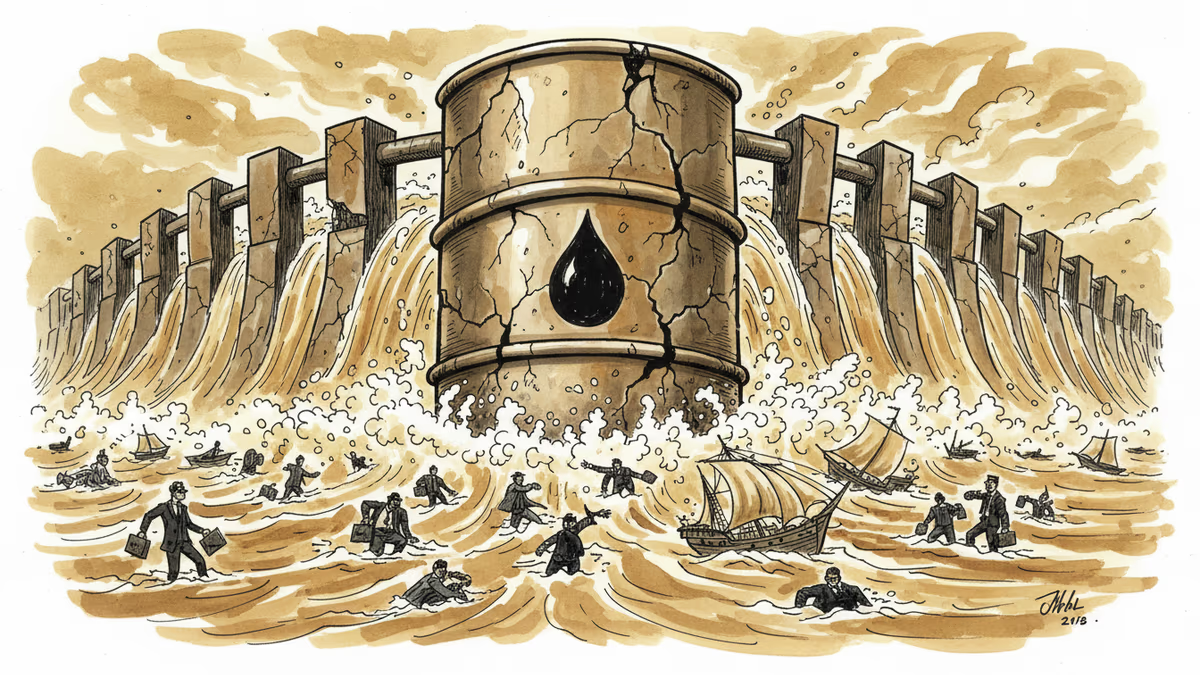
Brent crude topped $100 a barrel in Tokyo trading as the yen hit its weakest since January. With Hormuz closure fears mounting, what does this mean for Asian economies and your portfolio?
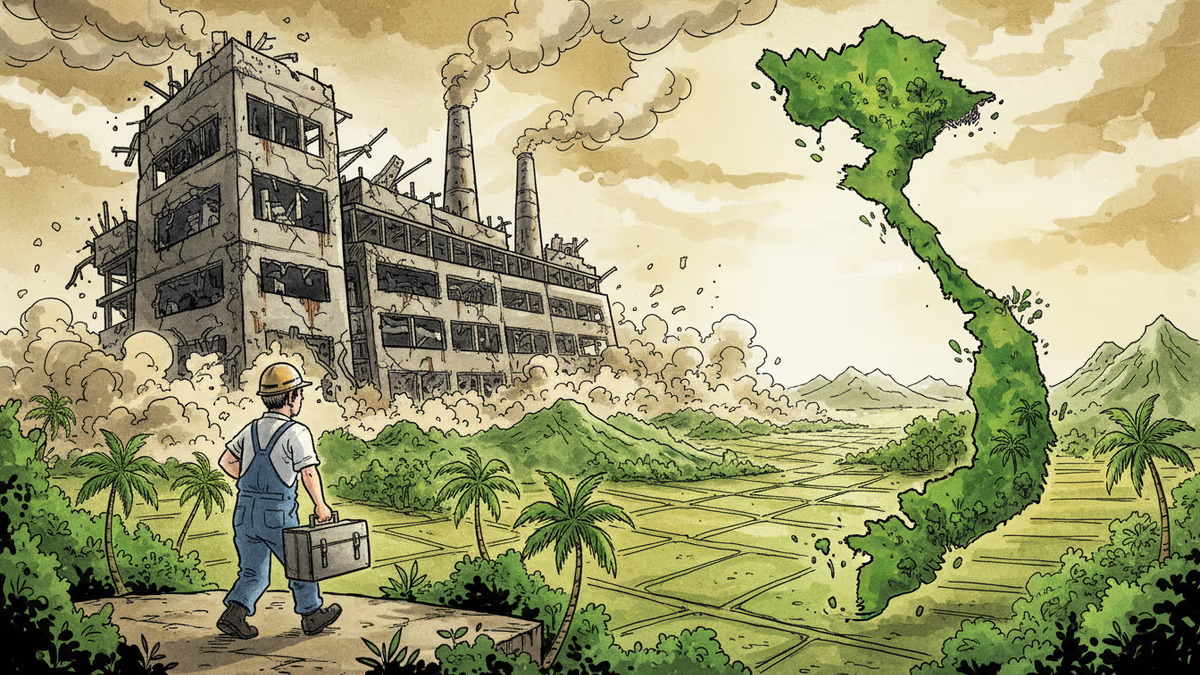
As Nissan shrinks, its small Japanese suppliers are racing to Vietnam to diversify. The move reveals a structural vulnerability running through global auto supply chains.
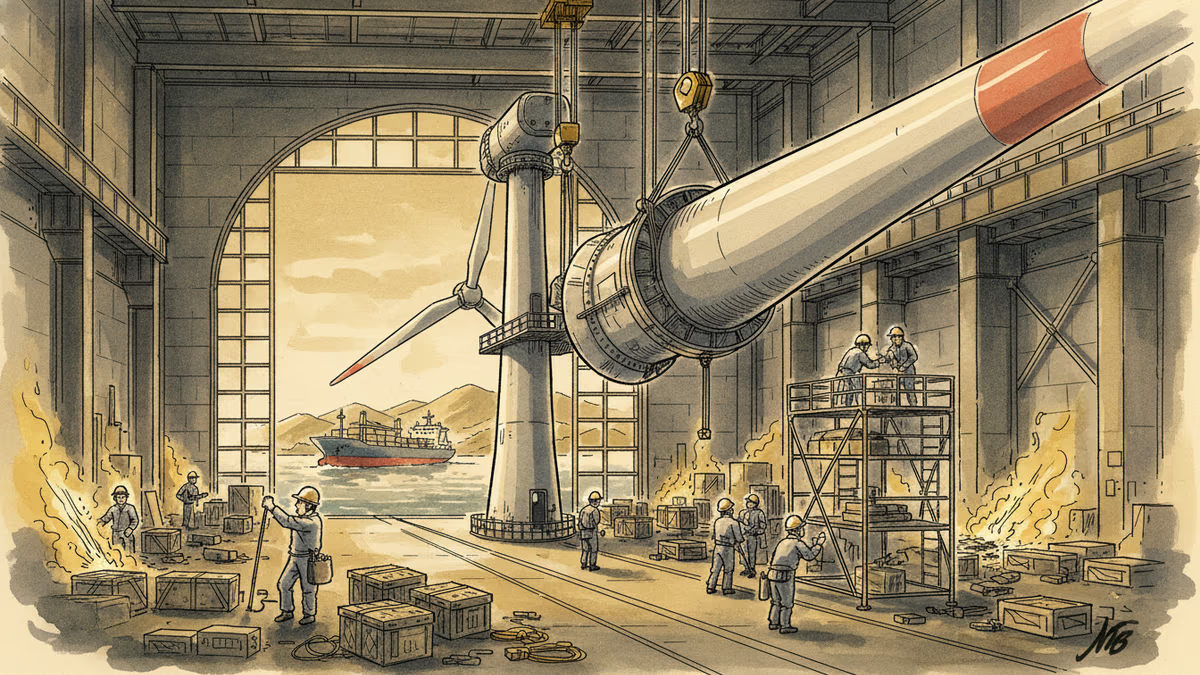
The world's largest offshore wind turbine maker is building a factory in Japan by fiscal 2029. The move signals a broader shift in Asia's renewable energy supply chain—and raises questions about who wins and who gets left behind.
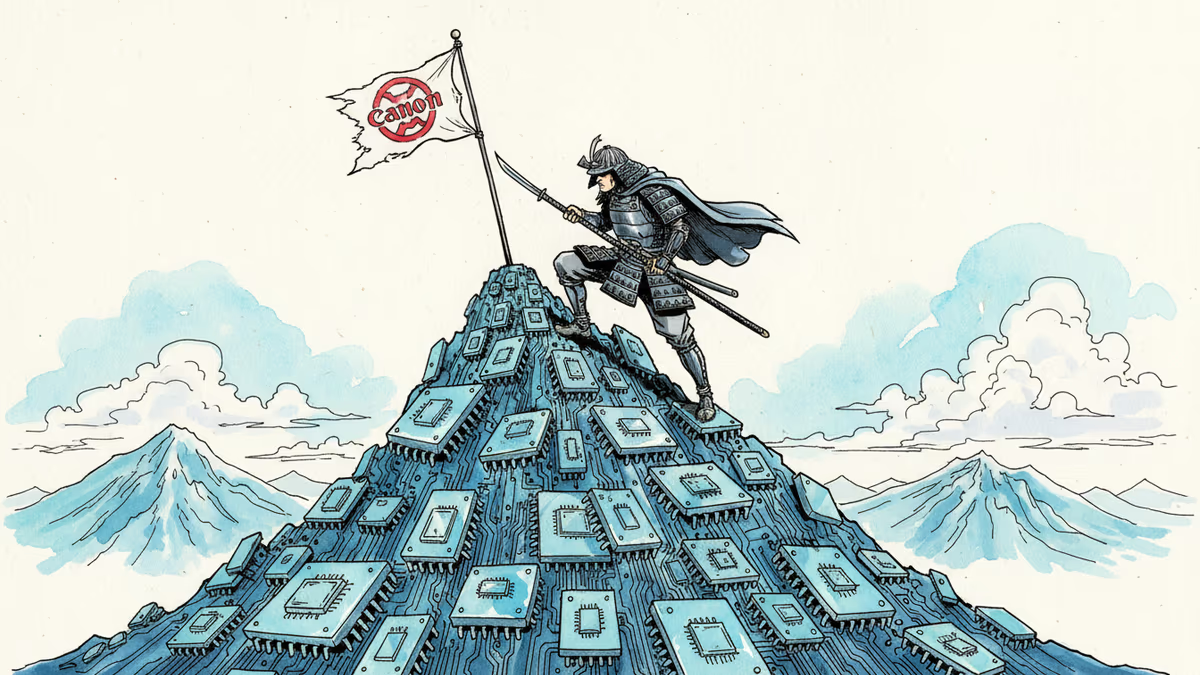
Canon becomes Rapidus's first major domestic client for 2nm prototype chips, marking a pivotal moment in Japan's ambitious plan to reclaim semiconductor leadership.
Brent crude topped $100 a barrel in Tokyo trading as the yen hit its weakest since January. With Hormuz closure fears mounting, what does this mean for Asian economies and your portfolio?
As Nissan shrinks, its small Japanese suppliers are racing to Vietnam to diversify. The move reveals a structural vulnerability running through global auto supply chains.
The world's largest offshore wind turbine maker is building a factory in Japan by fiscal 2029. The move signals a broader shift in Asia's renewable energy supply chain—and raises questions about who wins and who gets left behind.
Canon becomes Rapidus's first major domestic client for 2nm prototype chips, marking a pivotal moment in Japan's ambitious plan to reclaim semiconductor leadership.
Thoughts
Share your thoughts on this article
Sign in to join the conversation