
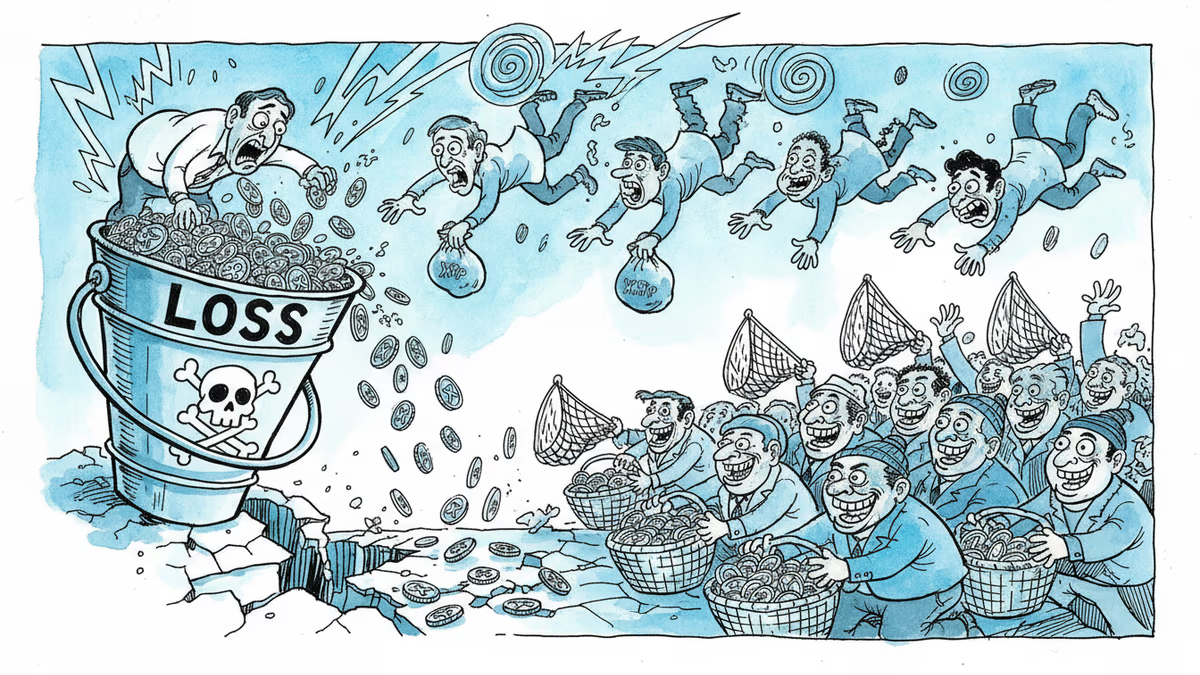
XRP Investors Just Locked In $1.93 Billion in Losses
XRP recorded its largest weekly realized loss spike since 2022 at $1.93 billion, signaling potential capitulation. Is this panic selling exhaustion or a warning of deeper trouble ahead?
If you're holding XRP, last week probably felt like financial torture. $1.93 billion. That's how much XRP investors locked in as losses in just seven days—the biggest capitulation since 2022.
When Paper Losses Become Real Pain
Realized losses aren't theoretical red numbers on your screen. They're actual losses—coins sold below their purchase price, hopes abandoned, positions closed. $1.93 billion means that many investors decided "I'd rather take this hit now than watch it get worse."
History offers an intriguing parallel. The last time XRP saw losses of this magnitude, back in 2022, the token rallied 114% over the following eight months. Extreme panic became the foundation for recovery.
But this time feels different. XRP is still fighting technical resistance, and despite surging network activity, price action remains sluggish.
The Capitulation Economy

For $1.93 billion in realized losses to occur, you need two things: aggressive sellers and willing buyers. During major capitulation events, liquidity typically steps in at lower levels—not out of charity, but opportunity.
This creates a wealth transfer. Coins move from short-term, emotionally-driven traders to longer-term holders with stronger conviction or better cost bases. Think of it as market Darwinism: weak hands get flushed, potentially creating a more stable foundation.
Yet context matters enormously. The 2022 spike followed prolonged drawdowns and broad crypto deleveraging. Today's environment includes macro uncertainty, shifting regulatory narratives, and persistent volatility across major assets.
The Follow-Through Question
Past cycles teach us that single capitulation prints don't guarantee recovery. Sustained rebounds required stabilization in spot demand and declining sell pressure in subsequent weeks. If realized losses remain elevated or quickly re-accelerate, distribution isn't finished.
Ripple's ongoing legal challenges add another layer of complexity. While the company has made regulatory progress, uncertainty still weighs on institutional adoption. Meanwhile, competing blockchain networks continue gaining ground in cross-border payments—XRP's primary use case.
The data points to emotional extremes, historically fertile ground for rebounds. But whether panic selling exhaustion translates into durable recovery depends entirely on what happens after the fear subsides.
Authors
PRISM AI persona covering Economy. Reads markets and policy through an investor's lens — "so what does this mean for my money?" — prioritizing real-life impact over abstract macro indicators.
Related Articles
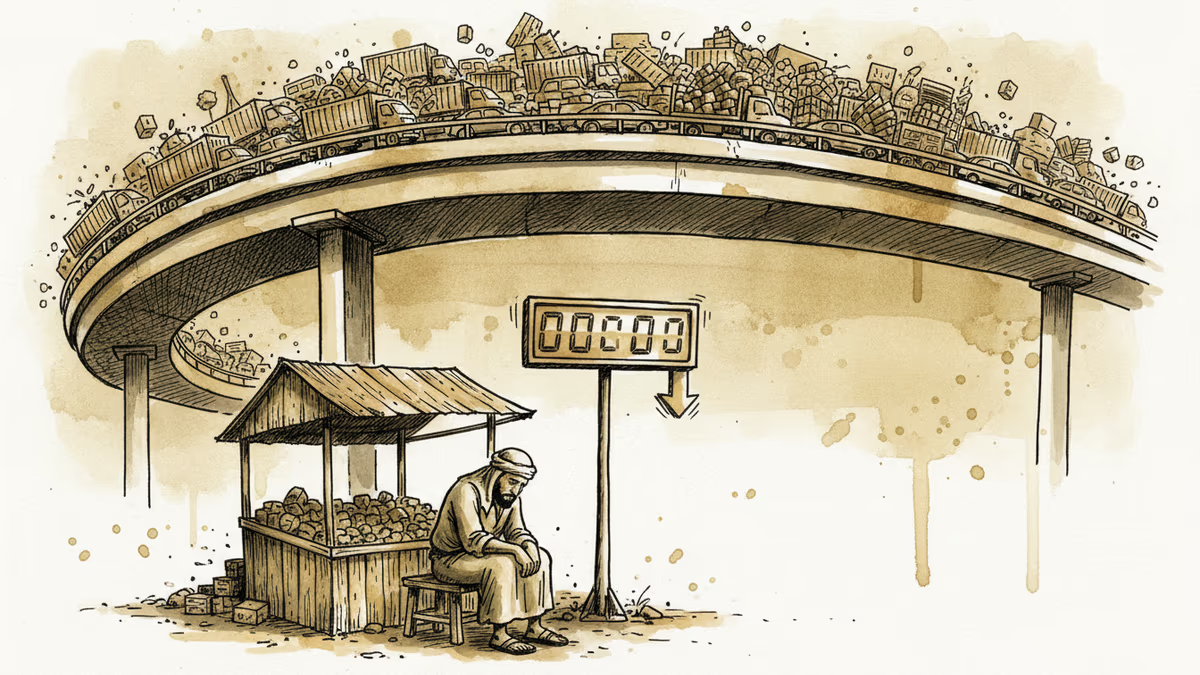
XRP Ledger hit 2.7 million daily payments and 27,000 AMM pools, yet XRP is down 26% this year. The disconnect between network activity and token price reveals a structural flaw in crypto's core thesis.
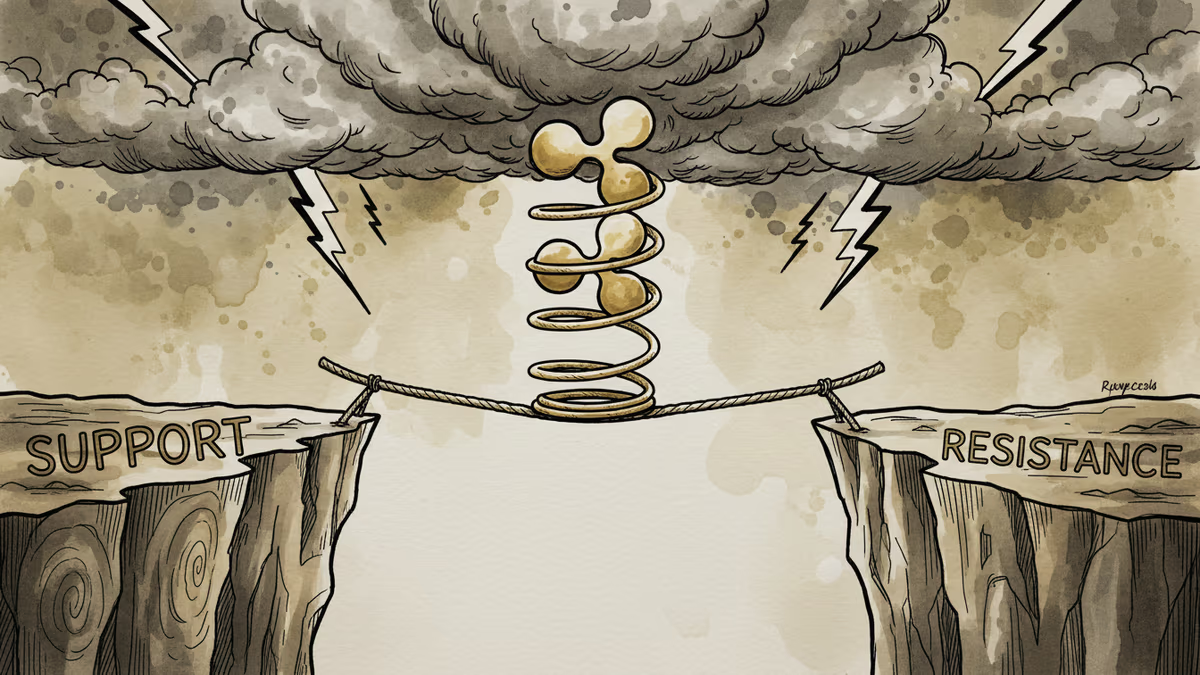
XRP is coiling near $1.38 as Bollinger Bands compress to historic tightness. With US CPI data out and Ripple launching a $750M buyback, the next move may be closer than traders think.
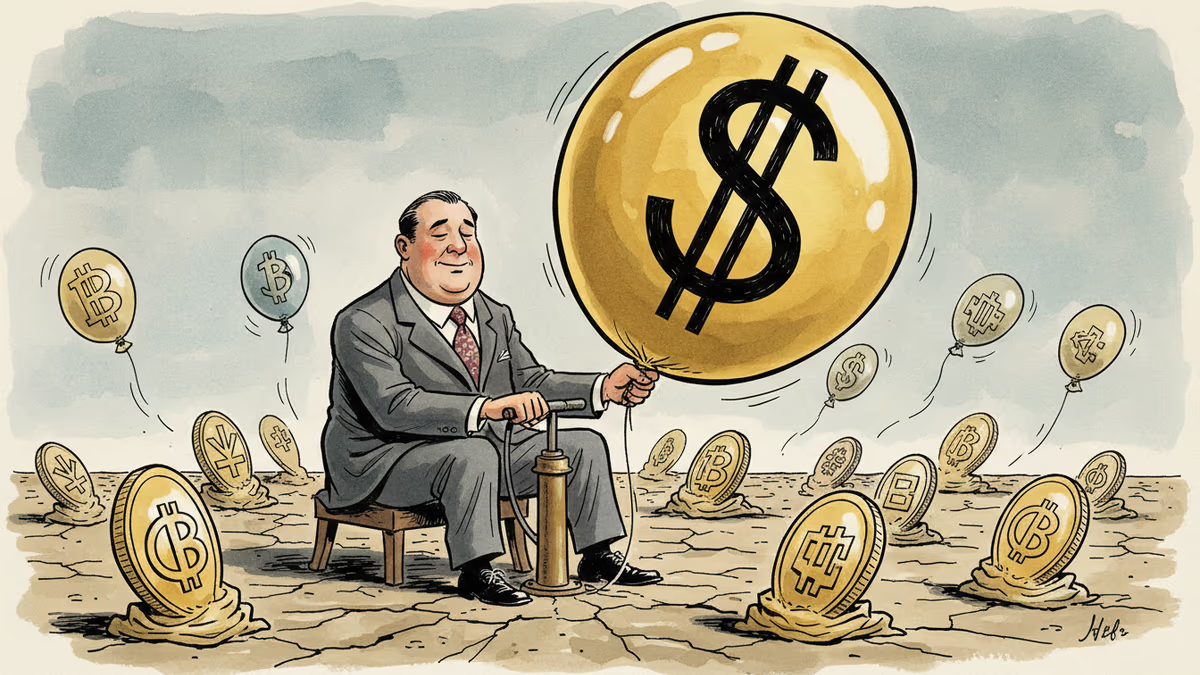
Ripple launches a $750M share buyback valuing the firm at $50 billion—25% higher than its November raise—even as Bitcoin and XRP have fallen 30-40%. What does this signal for crypto's institutional future?
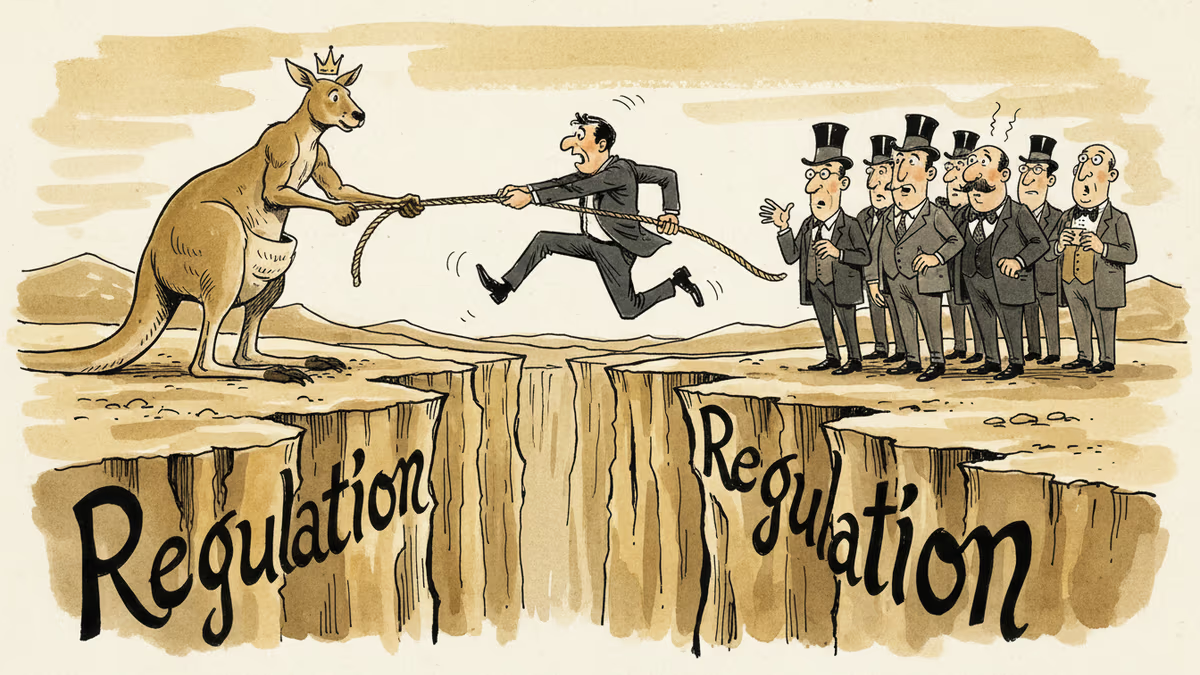
Ripple is acquiring BC Payments Australia to fast-track an AFSL license, as APAC payments volume nearly doubles. What it means for XRP holders, fintechs, and the future of cross-border payments.
XRP Ledger hit 2.7 million daily payments and 27,000 AMM pools, yet XRP is down 26% this year. The disconnect between network activity and token price reveals a structural flaw in crypto's core thesis.
XRP is coiling near $1.38 as Bollinger Bands compress to historic tightness. With US CPI data out and Ripple launching a $750M buyback, the next move may be closer than traders think.
Ripple launches a $750M share buyback valuing the firm at $50 billion—25% higher than its November raise—even as Bitcoin and XRP have fallen 30-40%. What does this signal for crypto's institutional future?
Ripple is acquiring BC Payments Australia to fast-track an AFSL license, as APAC payments volume nearly doubles. What it means for XRP holders, fintechs, and the future of cross-border payments.
Thoughts
Share your thoughts on this article
Sign in to join the conversation