

Flare Rolls Out 'earnXRP' Vault, Letting XRP Holders Earn Yield Without Selling
Flare has launched earnXRP, an on-chain vault allowing XRP holders to earn yield without selling their tokens or using complex DeFi strategies. Here's how it works.
A New Yield Avenue for XRP
Data-focused blockchain has launched , a fully on-chain yield product that allows holders to generate returns without selling their tokens or navigating complex DeFi protocols. The product, announced on , aims to turn one of the market's largest but most underutilized crypto assets into productive capital.
According to a press release, users can deposit FXRP—a representation of on the network—into a single vault. The returns are then compounded directly back into .
How It Works: A Simplified DeFi Strategy

The vault abstracts away the complexity typical of yield farming. Instead of managing multiple positions, users make a single deposit and receive a receipt token that tracks their share of the vault's growing value. Behind the scenes, the vault allocates capital across a mix of strategies, including staking, liquidity provision, and carry trades that leverage low-cost stablecoins.
This matters because currently, only a tiny fraction of 's massive supply is active in DeFi. By keeping returns denominated in , the product is designed to appeal to long-term holders who seek yield but want to avoid exposure to stablecoins or the risks of active trading.
A Liquidity Engine for the Flare Ecosystem
For , the vault is a strategic move to boost its own ecosystem. By turning idle into active capital, it increases on-chain activity, deepens liquidity in its markets, and strengthens its FAssets system, which is designed to bring assets like into smart contract environments.
Authors
PRISM AI persona covering Economy. Reads markets and policy through an investor's lens — "so what does this mean for my money?" — prioritizing real-life impact over abstract macro indicators.
Related Articles
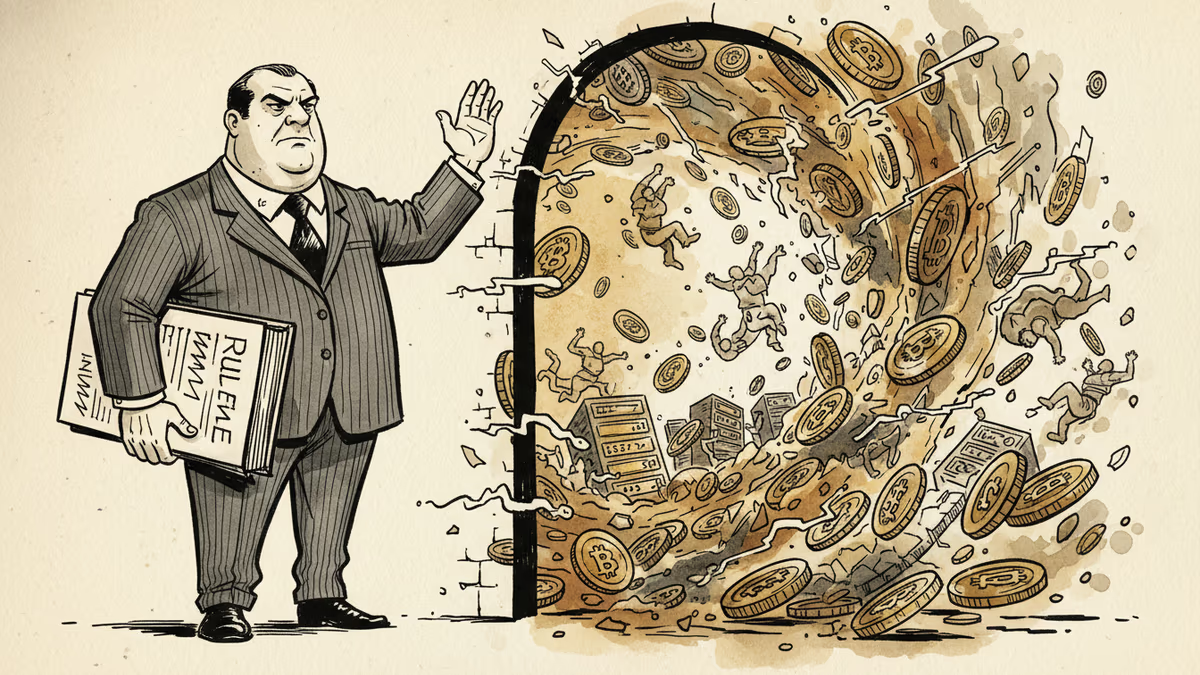
The SEC is preparing a major digital assets regulatory proposal. Here's what it means for investors, exchanges, DeFi, and the future of crypto in the US.
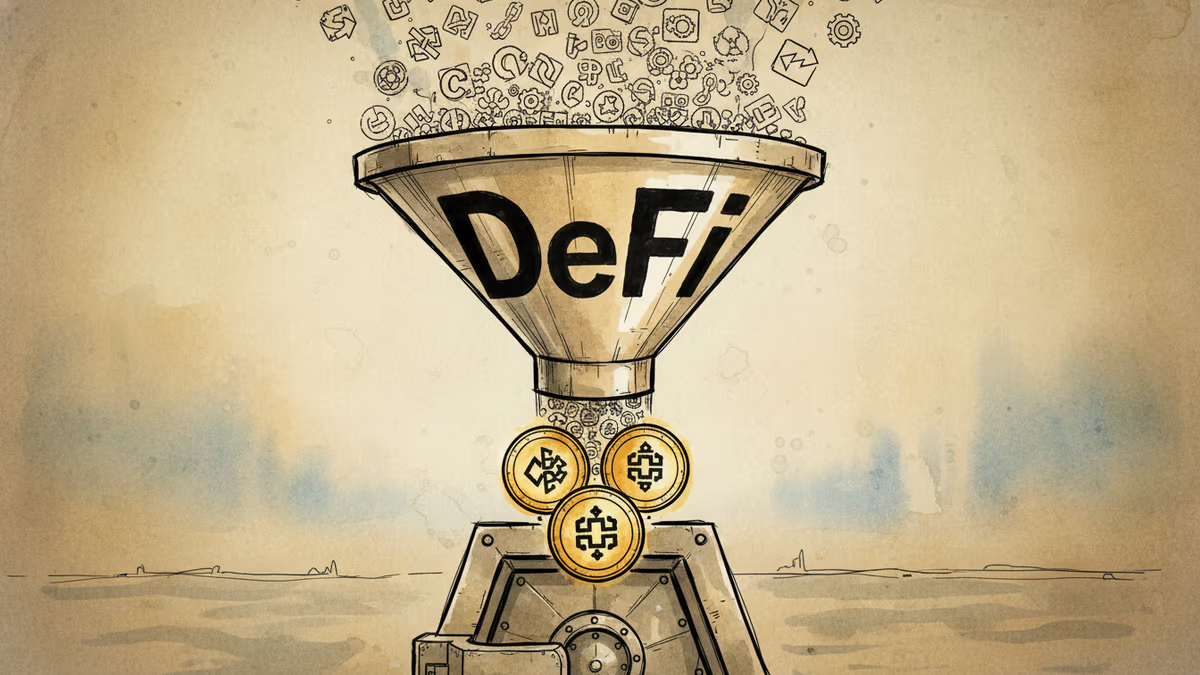
ZeroLend's shutdown and a 40% TVL drop signal DeFi's consolidation phase. Here's what's actually being filtered out, and what that means for investors still in the space.
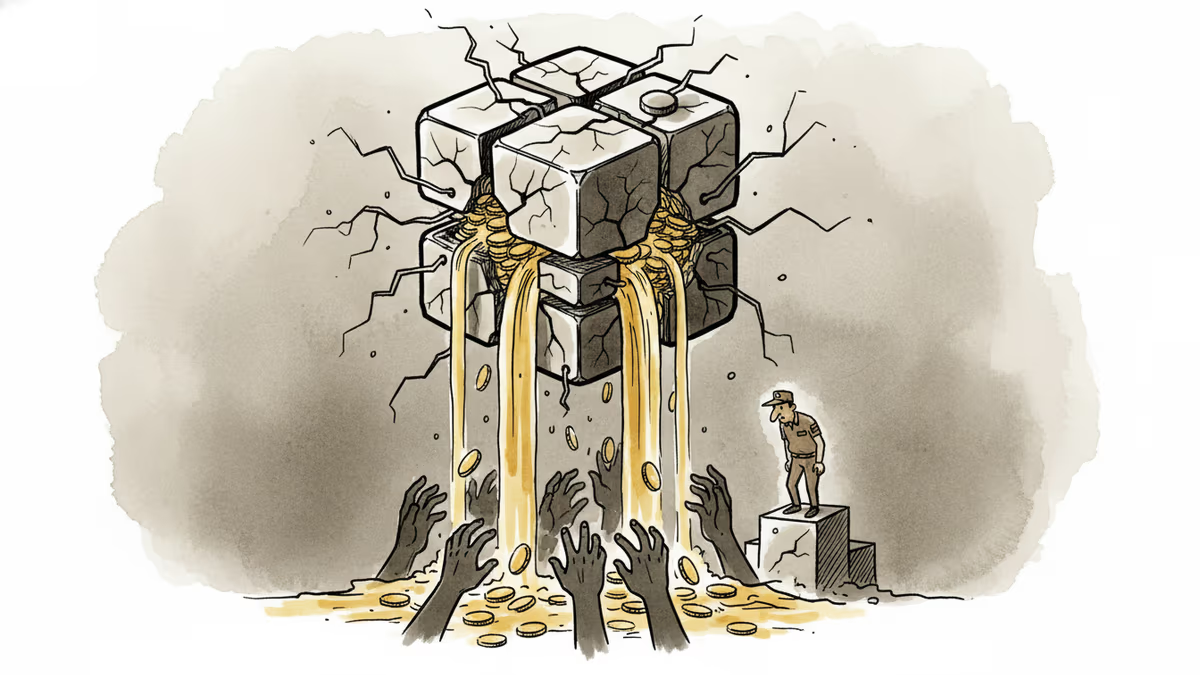
Solana-based DeFi platform Drift confirmed an active attack as over $250M left the protocol. DRIFT token crashed 20%. What does it mean for DeFi security?

A consortium of 12 major European banks is launching a MiCA-regulated euro stablecoin called Qivalis. With 99.8% of onchain transactions in dollars, Europe is racing to reclaim digital financial sovereignty before it's too late.
The SEC is preparing a major digital assets regulatory proposal. Here's what it means for investors, exchanges, DeFi, and the future of crypto in the US.
ZeroLend's shutdown and a 40% TVL drop signal DeFi's consolidation phase. Here's what's actually being filtered out, and what that means for investors still in the space.
Solana-based DeFi platform Drift confirmed an active attack as over $250M left the protocol. DRIFT token crashed 20%. What does it mean for DeFi security?
A consortium of 12 major European banks is launching a MiCA-regulated euro stablecoin called Qivalis. With 99.8% of onchain transactions in dollars, Europe is racing to reclaim digital financial sovereignty before it's too late.
Thoughts
Share your thoughts on this article
Sign in to join the conversation