
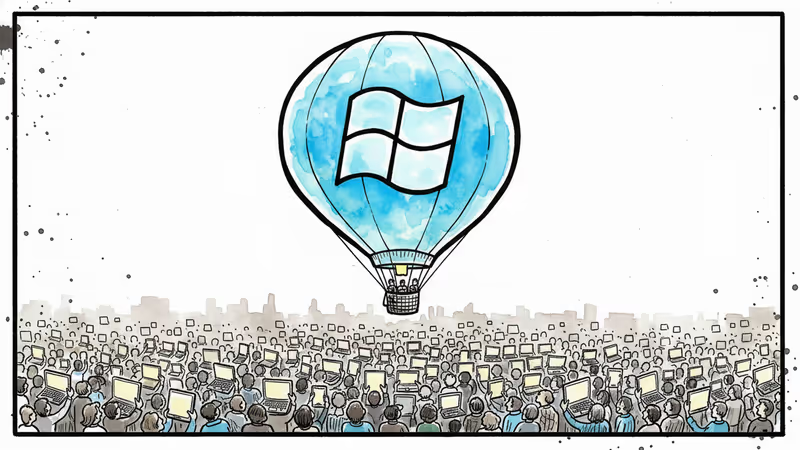
Windows 11 Hits 1 Billion Users Faster Than Windows 10
Microsoft's Windows 11 reaches 1 billion users milestone, growing 45% year-over-year as Windows 10 support ends. What does this mean for the PC industry?
One billion people are now using Windows 11. That's not just a big number—it's a milestone that Microsoft reached faster than its predecessor ever did.
Microsoft CEO Satya Nadella announced the achievement during the company's fiscal Q2 2026 earnings call, revealing that Windows 11 user adoption grew 45% year-over-year during the recent holiday quarter. The timing isn't coincidental: this surge comes as Microsoft officially ended support for Windows 10, creating a natural migration pressure that boosted both user numbers and the company's Windows OEM revenues.
The Race Against Windows 10's Legacy
When Windows 10 launched in 2015, it took nearly six years to build its massive user base. Windows 11, despite initial hardware compatibility controversies and mixed reception, has now outpaced that timeline. The acceleration reflects not just organic adoption, but strategic timing around Windows 10's end-of-life cycle.
This milestone comes at a critical moment for Microsoft's desktop strategy. The company has been pushing Windows 11 as an AI-first operating system, integrating Copilot features and positioning itself for the next wave of computing. The 1 billion user mark provides the scale needed to justify continued investment in these advanced features.
The holiday quarter timing also suggests that new PC purchases—traditionally strong during this period—played a significant role. With Windows 10 support officially ended, consumers and businesses had little choice but to embrace the newer OS when upgrading hardware.
Beyond the Numbers Game

But user count alone doesn't tell the complete story. Windows 11's journey has been marked by stricter hardware requirements that initially locked out millions of older PCs. The Trusted Platform Module (TPM) 2.0 requirement and specific CPU generation limits created artificial barriers that many criticized as forcing unnecessary hardware upgrades.
This approach represents a fundamental shift in Microsoft's strategy. Where Windows 10 was designed for maximum compatibility, Windows 11 prioritizes security and modern hardware capabilities over universal access. The 1 billion user milestone suggests this bet is paying off, but it raises questions about digital equity and the environmental impact of accelerated hardware replacement cycles.
For PC manufacturers, this milestone validates their investment in Windows 11-compatible hardware. OEMs have been building machines specifically designed to showcase the OS's capabilities, from enhanced gaming performance to AI-accelerated productivity features.
The Competitive Landscape Shift
Windows 11's rapid adoption also comes as the desktop computing landscape faces new pressures. Apple's M-series chips have redefined performance expectations for laptops, while ChromeOS continues gaining ground in education and budget segments. Microsoft needed a strong showing to maintain its desktop dominance.
The 45% year-over-year growth rate suggests Windows 11 is successfully defending Microsoft's territory, but it also reflects the reality that users had limited alternatives once Windows 10 support ended. This captive audience dynamic is both a strength and a potential vulnerability—it demonstrates market control but also highlights user dependency.
Enterprise adoption patterns will be particularly telling. Many businesses delayed Windows 11 migration due to compatibility concerns and change management costs. The end of Windows 10 support forced their hand, but whether they embrace the new features or simply tolerate them remains to be seen.
Authors
Related Articles
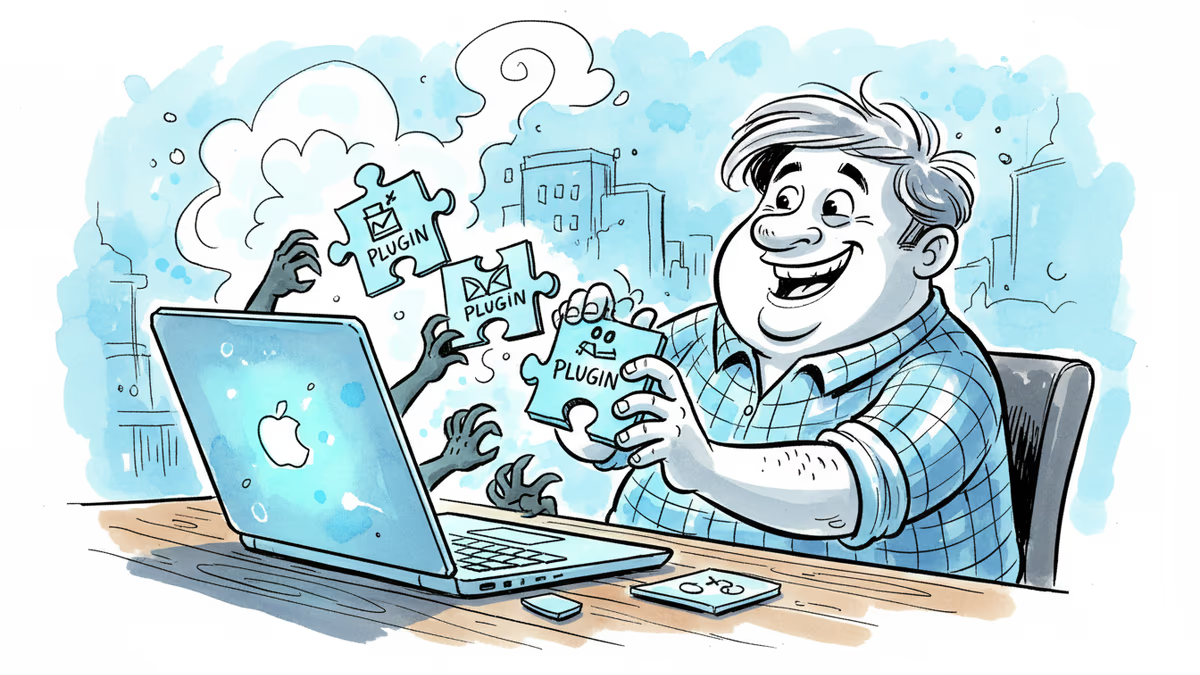
GitHub confirmed hackers stole data from 3,800 internal repositories via a poisoned VS Code extension. Here's why developer tools are now the most dangerous attack surface in tech.
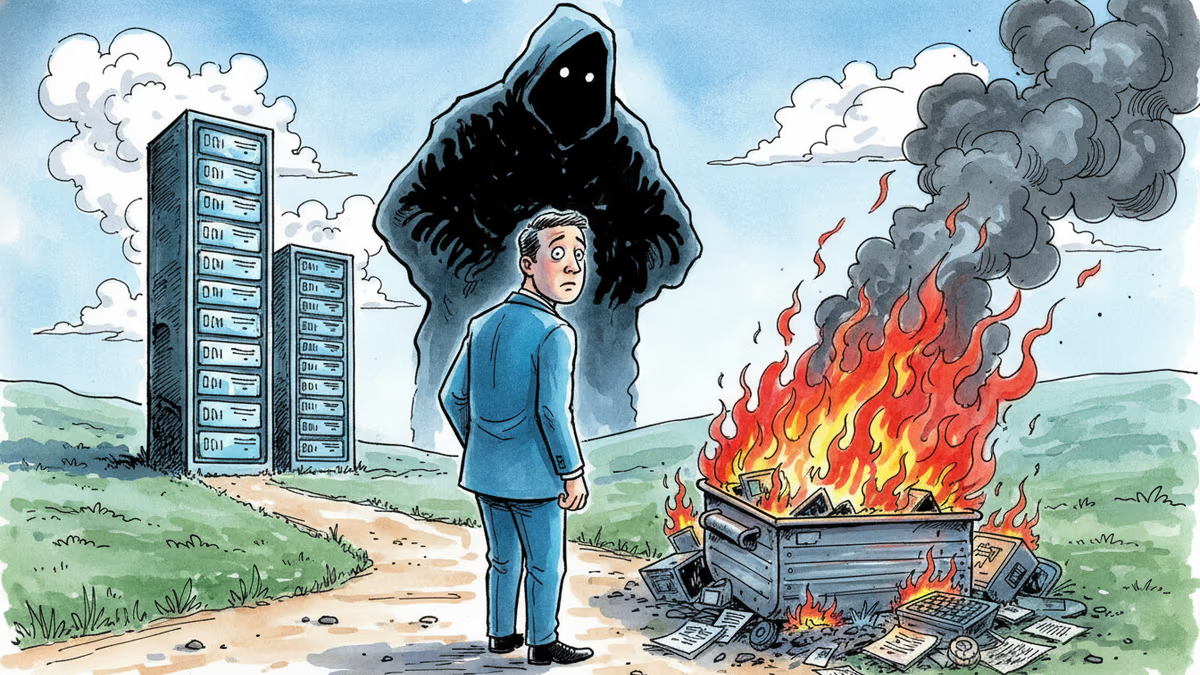
Emails revealed in the Musk v. Altman trial show Microsoft executives were deeply skeptical of OpenAI in 2017–2018. What actually changed their minds?
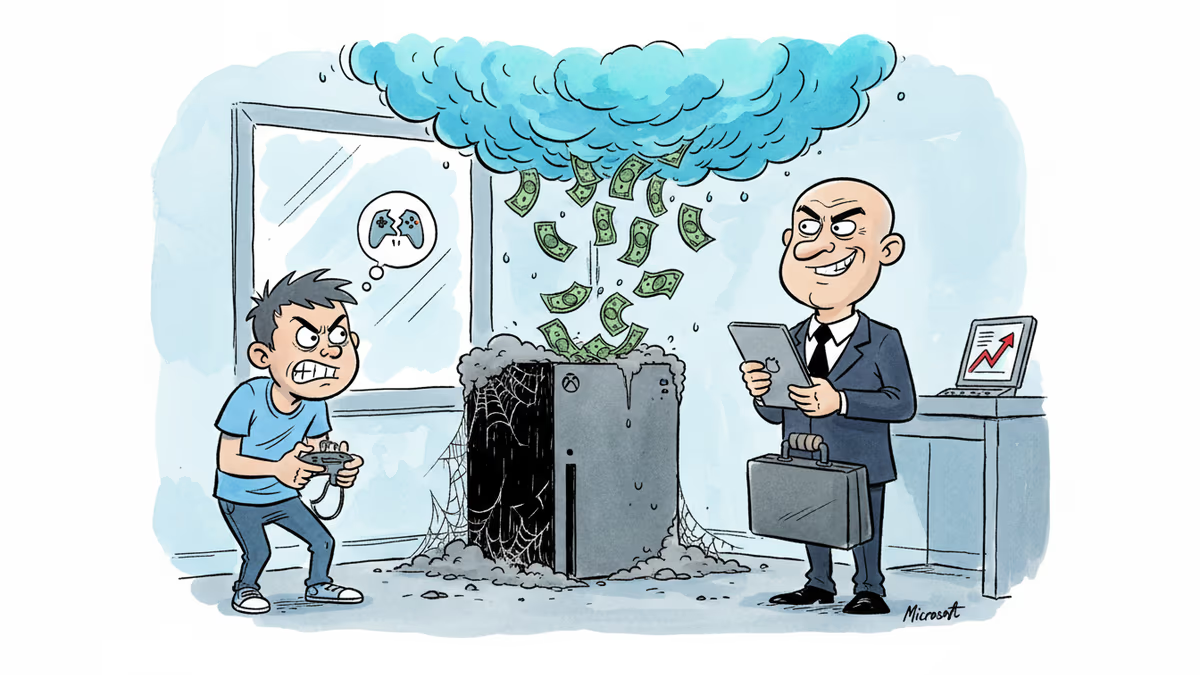
Xbox hardware revenue dropped 33% in Q1 2026, yet Microsoft posted $82.9B in total revenue. What this tells us about the future of gaming—and who actually loses.
Microsoft is letting Windows users delay updates indefinitely — 35 days at a time, as many times as they want. A long-overdue fix, or a security risk hiding in plain sight?
GitHub confirmed hackers stole data from 3,800 internal repositories via a poisoned VS Code extension. Here's why developer tools are now the most dangerous attack surface in tech.
Emails revealed in the Musk v. Altman trial show Microsoft executives were deeply skeptical of OpenAI in 2017–2018. What actually changed their minds?
Xbox hardware revenue dropped 33% in Q1 2026, yet Microsoft posted $82.9B in total revenue. What this tells us about the future of gaming—and who actually loses.
Microsoft is letting Windows users delay updates indefinitely — 35 days at a time, as many times as they want. A long-overdue fix, or a security risk hiding in plain sight?
Thoughts
Share your thoughts on this article
Sign in to join the conversation