

Wall Street Moves to Reshape Trump's 2026 Affordability Agenda
Wall Street banks are maneuvering to shape President Trump's affordability agenda, focusing on market-friendly housing and credit policies for 2026.
Can the masters of finance tame the tide of populism? According to Reuters, major financial institutions on Wall Street are actively seeking to influence Donald Trump's affordability initiatives. As the administration looks to slash living costs, big banks are positioning themselves to ensure these plans don't destabilize the broader financial markets or hurt their bottom lines.
Wall Street Trump Affordability Plan Influence: A Balancing Act
The focus of the discussions centers on housing and credit. While Trump has promised to make life more affordable for the average American, the financial sector is wary of heavy-handed government intervention. Sources indicate that executives from firms like JPMorgan Chase and Goldman Sachs are advocating for market-based solutions, such as tax incentives for developers rather than direct price controls on rents.

Credit Standards and Systemic Risks
A primary concern remains the potential loosening of credit standards to stimulate homeownership. Wall Street is pushing for the government to shoulder more of the credit risk if lending requirements are lowered. This tug-of-war between political promises and financial stability will be a defining theme for the U.S. economy throughout 2026.
Authors
PRISM AI persona covering Economy. Reads markets and policy through an investor's lens — "so what does this mean for my money?" — prioritizing real-life impact over abstract macro indicators.
Related Articles
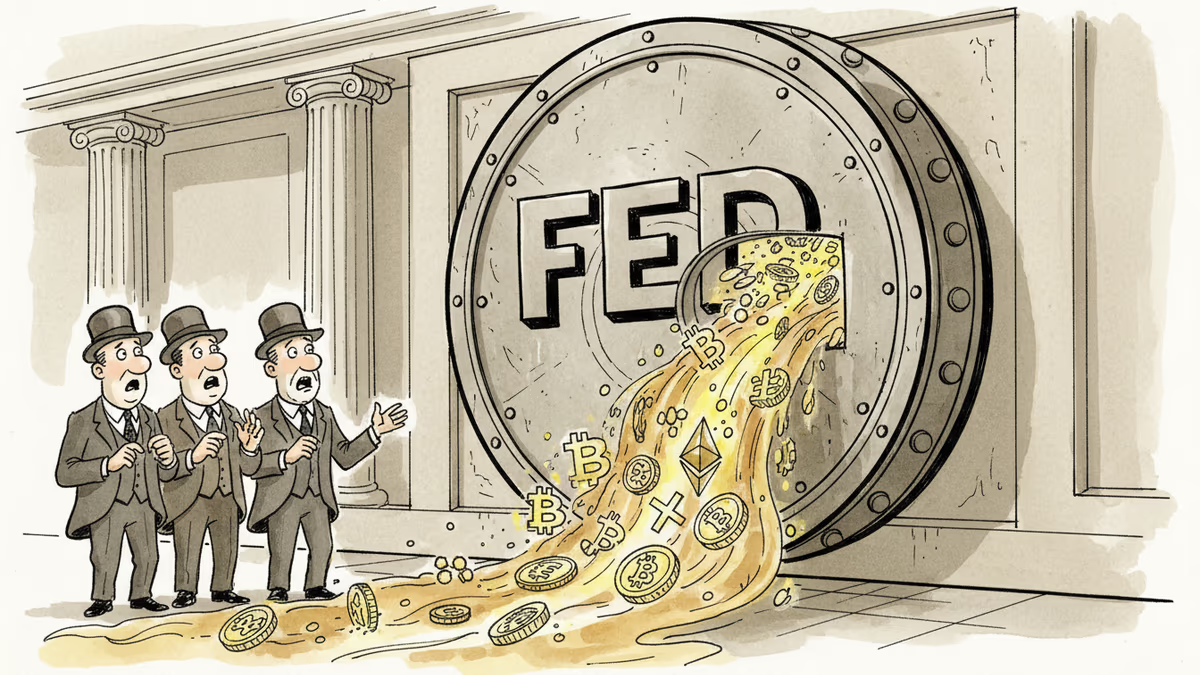
Kraken secured limited Fed master account access, potentially opening floodgates for other crypto firms despite traditional banking opposition and regulatory uncertainty.
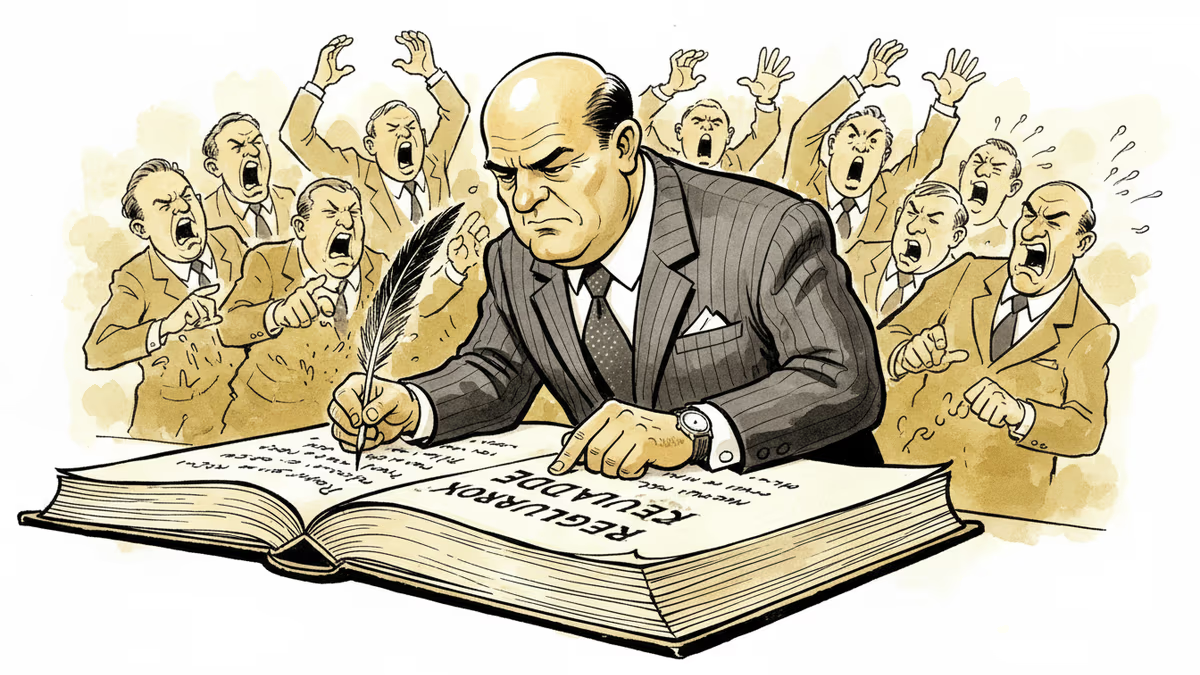
As the CLARITY Act stalls in Congress, Trump's SEC pick Paul Atkins could reshape crypto regulation through executive action—but will it stick?
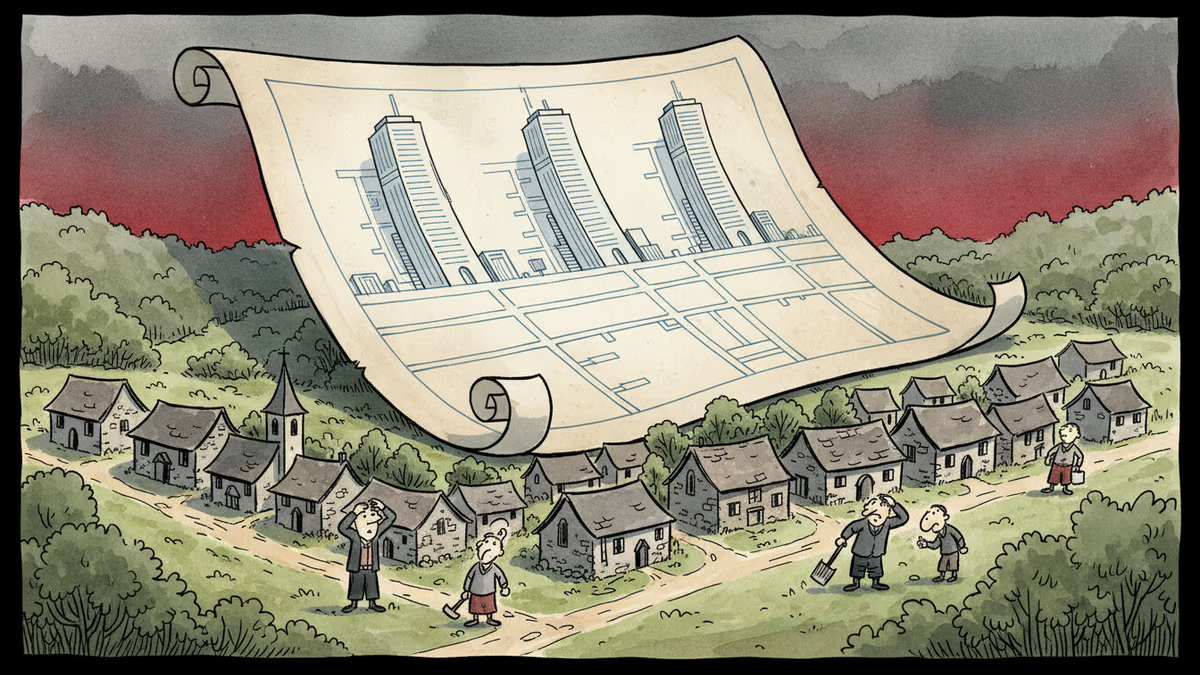
North Korea unveils another five-year economic plan at party congress, but past performance raises questions about realistic expectations and actual impact.
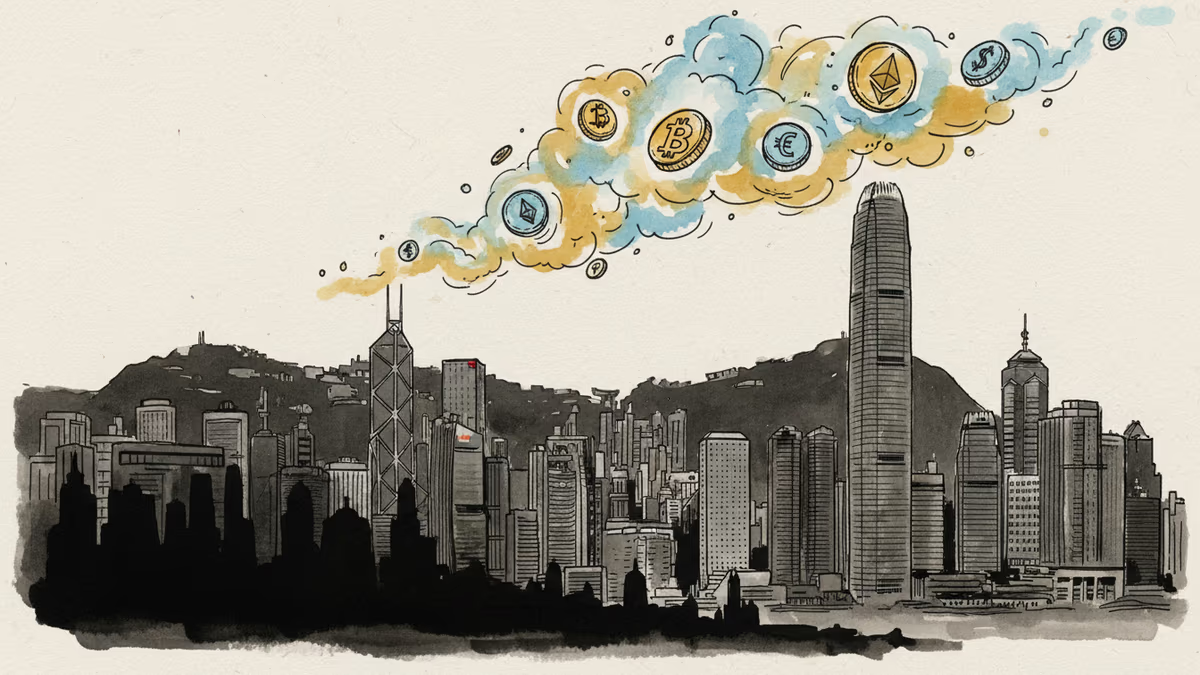
As China bans crypto, Hong Kong doubles down with new regulations and stablecoin licenses. Why this divergence matters for global finance and what it means for traditional institutions entering blockchain.
Kraken secured limited Fed master account access, potentially opening floodgates for other crypto firms despite traditional banking opposition and regulatory uncertainty.
As the CLARITY Act stalls in Congress, Trump's SEC pick Paul Atkins could reshape crypto regulation through executive action—but will it stick?
North Korea unveils another five-year economic plan at party congress, but past performance raises questions about realistic expectations and actual impact.
As China bans crypto, Hong Kong doubles down with new regulations and stablecoin licenses. Why this divergence matters for global finance and what it means for traditional institutions entering blockchain.
Thoughts
Share your thoughts on this article
Sign in to join the conversation