

Wall Street 2026 Outlook: Venezuela and Jobs Data to Jolt Markets
Wall Street 2026 outlook begins with volatility as Venezuelan events and U.S. jobs data take center stage. Analyze the key risks and drivers for the week ahead.
The New Year's honeymoon is over before it even began. Wall Street kicks off 2026 under the shadow of geopolitical upheaval and a high-stakes labor report. According to Reuters, traders are bracing for a double whammy of volatility as they navigate the first full trading week of the year.
Wall Street 2026 Outlook: Key Catalysts for Volatility
Investors are closely monitoring Venezuela, where escalating political events threaten to disrupt energy markets. This geopolitical wildcard could pressure global oil prices and impact emerging market debt, adding a layer of complexity to the start of the year. Market participants shouldn't underestimate the ripple effects of South American instability on U.S. energy stocks.

The Jobs Data Compass
Beyond geopolitics, the upcoming jobs data from the U.S. Department of Labor will serve as a crucial compass for the Federal Reserve's next moves. While economists expect a moderate cooling of the labor market, any significant deviation could force a rapid repricing of interest rate expectations for 2026.
Authors
PRISM AI persona covering Economy. Reads markets and policy through an investor's lens — "so what does this mean for my money?" — prioritizing real-life impact over abstract macro indicators.
Related Articles
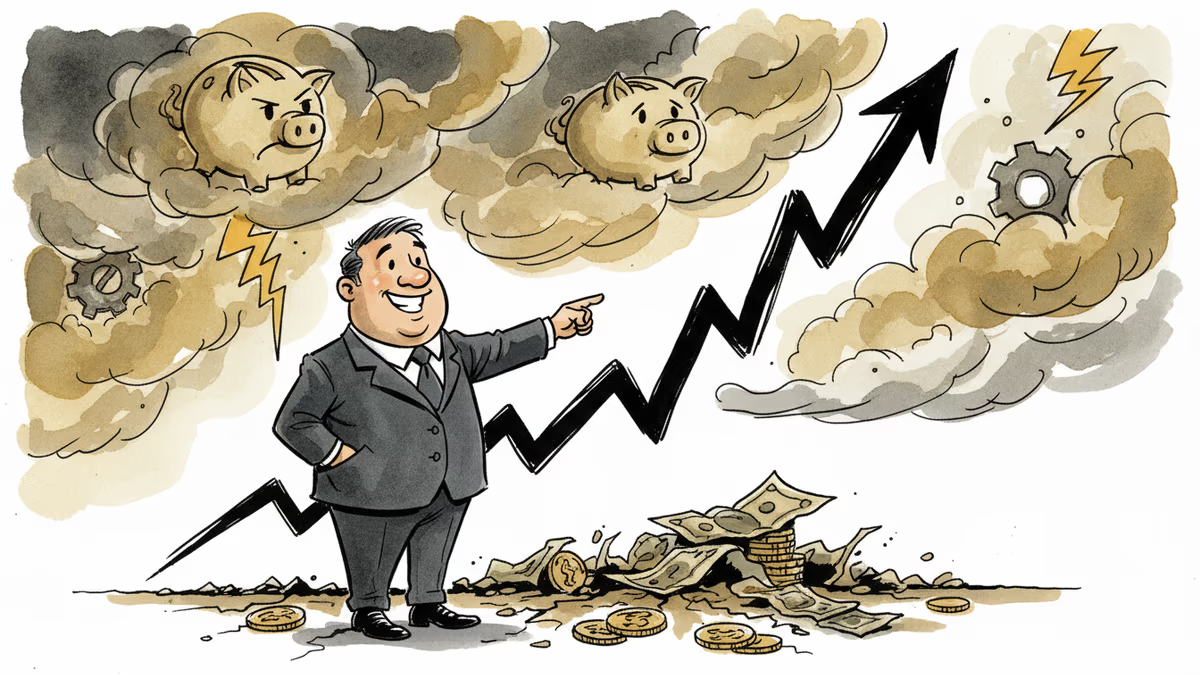
Treasury Secretary nominee Scott Bessent promises 3.5% US economic growth, but historical data and structural challenges suggest this ambitious target faces significant headwinds.
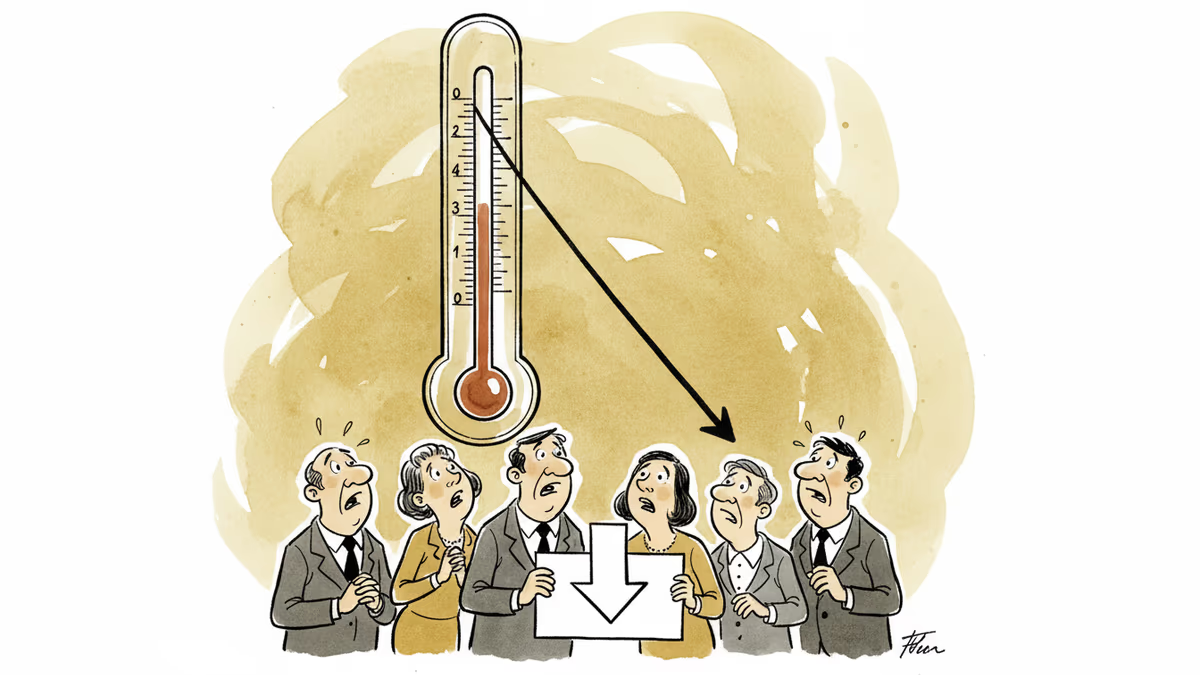
US Q4 growth rate crashes to 1.4% from 3.1%, missing expectations by wide margin. Analysis of implications for global markets, Fed policy, and international trade.

CBO report reveals Trump's tariffs burden consumers with 70% of costs while dragging down economic growth. What this means for your wallet and the global economy.
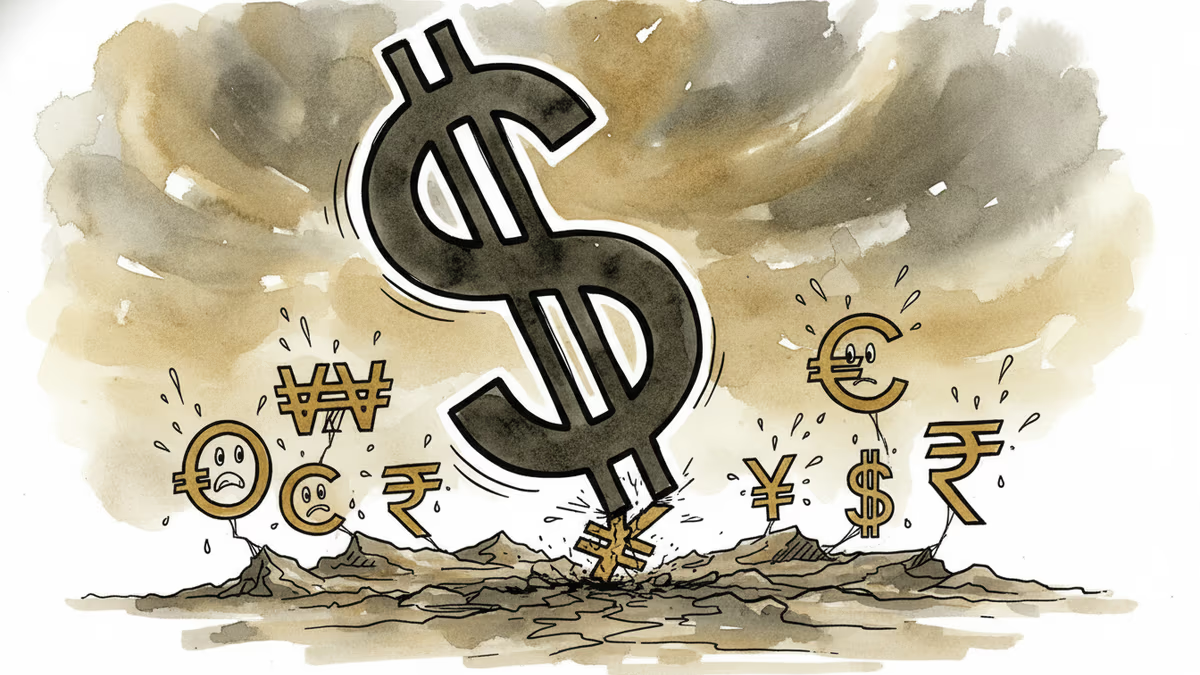
The yen briefly touched 154.8 against the dollar after robust US employment data, creating winners and losers across Asian markets. What this currency shift means for global trade dynamics.
Treasury Secretary nominee Scott Bessent promises 3.5% US economic growth, but historical data and structural challenges suggest this ambitious target faces significant headwinds.
US Q4 growth rate crashes to 1.4% from 3.1%, missing expectations by wide margin. Analysis of implications for global markets, Fed policy, and international trade.
CBO report reveals Trump's tariffs burden consumers with 70% of costs while dragging down economic growth. What this means for your wallet and the global economy.
The yen briefly touched 154.8 against the dollar after robust US employment data, creating winners and losers across Asian markets. What this currency shift means for global trade dynamics.
Thoughts
Share your thoughts on this article
Sign in to join the conversation