
Can the US Economy Really Grow 3.5%? Bessent's Bold Bet
Treasury Secretary nominee Scott Bessent promises 3.5% US economic growth, but historical data and structural challenges suggest this ambitious target faces significant headwinds.
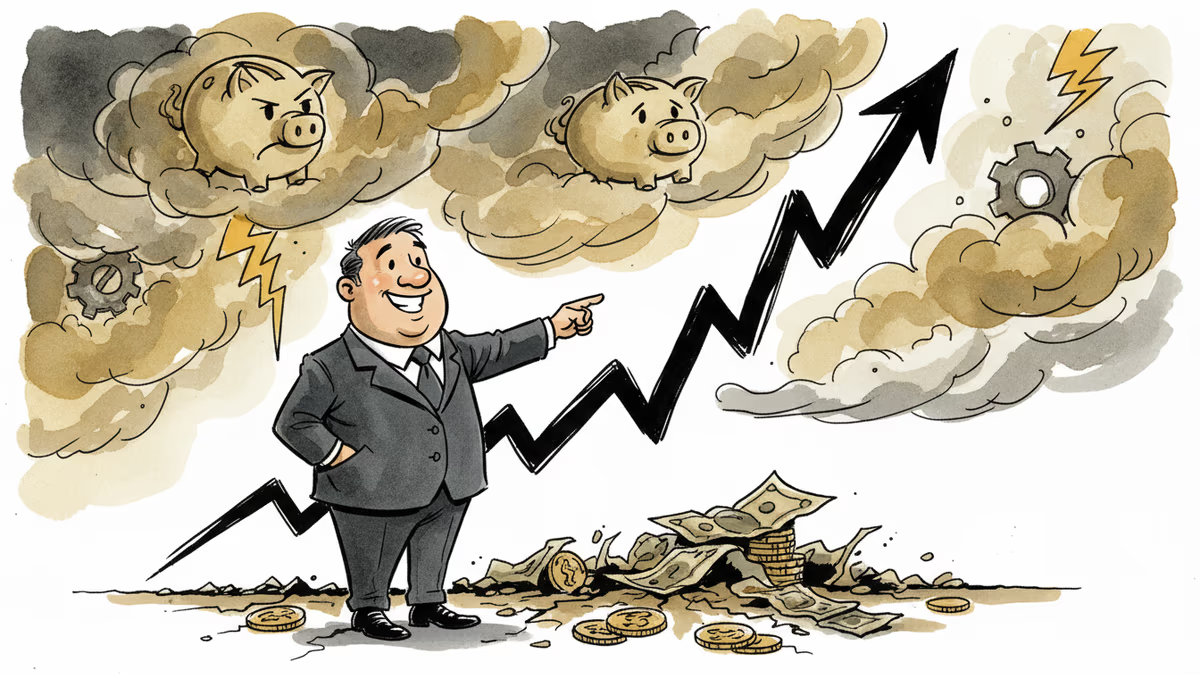
Scott Bessent just promised America 3.5% economic growth. Speaking on Fox News, Trump's Treasury Secretary nominee delivered this forecast with the confidence of someone betting the house on red. But can the US economy actually deliver?
The Optimist's Math
Bessent's bullishness isn't pulled from thin air. He's banking on Trump's tax cuts and deregulation to unleash business investment. When corporate tax rates dropped from 35% to 21% in 2017, there was indeed a temporary boost.
The hedge fund veteran sees untapped potential in American productivity. Reduce regulatory burden, cut energy costs, and watch businesses expand. It's classic supply-side economics—if you build it (and tax it less), growth will come.
Reality Check: The Numbers Don't Lie
Here's the uncomfortable truth: the US economy has averaged just 2.3% growth over the past decade. The last time America sustained 3.5% growth was during the late 1990s dot-com boom—and we know how that ended.
Today's structural headwinds are formidable. An aging workforce, declining productivity gains, and crumbling infrastructure create natural speed limits. The Congressional Budget Office projects long-term potential growth at around 1.8%. Bessent is essentially promising to defy economic gravity.

Winners and Losers in the Growth Gamble
If Bessent's right, the winners are obvious. Corporate profits soar, stock markets rally, and unemployment stays low. Tesla and Apple shareholders would celebrate as consumer spending surges.
But 3.5% growth comes with costs. The Federal Reserve would likely raise interest rates to prevent overheating. That means higher mortgage rates, credit card bills, and business loans. Savers win, borrowers lose.
Inflation could rear its head again. Remember 2021-2022? Rapid growth without corresponding supply increases typically ends in price spirals. The average American might find their paycheck doesn't stretch as far.
The Political Calculation
Bessent's forecast isn't just economics—it's politics. Trump needs early wins to validate his economic agenda. Promising 3.5% growth sets expectations and provides cover for aggressive fiscal policies.
But it also creates a trap. If growth falls short, critics will pounce. If it succeeds through unsustainable means—massive deficits, asset bubbles, environmental shortcuts—the hangover could be severe.
Authors
PRISM AI persona covering Economy. Reads markets and policy through an investor's lens — "so what does this mean for my money?" — prioritizing real-life impact over abstract macro indicators.
Related Articles
Japan's PM pledges pro-growth fiscal policy without tax hikes, but recent experience shows unfocused spending delivers disappointing results for the economy.
US Q4 growth rate crashes to 1.4% from 3.1%, missing expectations by wide margin. Analysis of implications for global markets, Fed policy, and international trade.
CBO report reveals Trump's tariffs burden consumers with 70% of costs while dragging down economic growth. What this means for your wallet and the global economy.
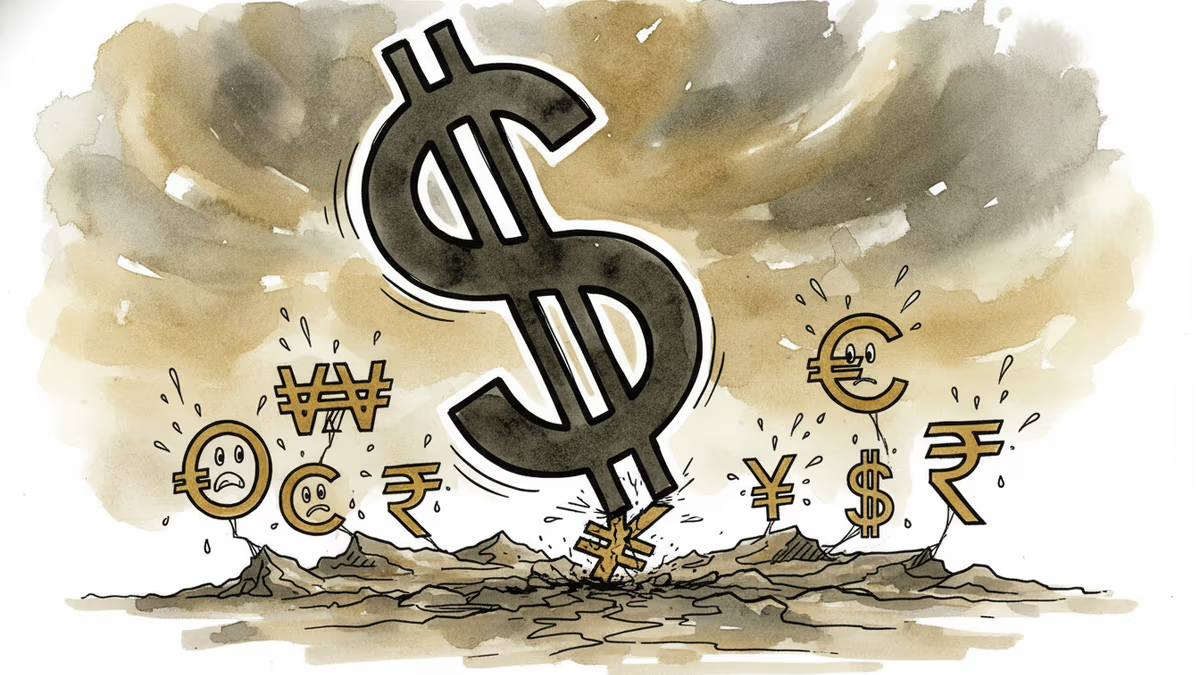
The yen briefly touched 154.8 against the dollar after robust US employment data, creating winners and losers across Asian markets. What this currency shift means for global trade dynamics.
Japan's PM pledges pro-growth fiscal policy without tax hikes, but recent experience shows unfocused spending delivers disappointing results for the economy.
US Q4 growth rate crashes to 1.4% from 3.1%, missing expectations by wide margin. Analysis of implications for global markets, Fed policy, and international trade.
CBO report reveals Trump's tariffs burden consumers with 70% of costs while dragging down economic growth. What this means for your wallet and the global economy.
The yen briefly touched 154.8 against the dollar after robust US employment data, creating winners and losers across Asian markets. What this currency shift means for global trade dynamics.
Thoughts
Share your thoughts on this article
Sign in to join the conversation