

US Visa Bond Bangladesh Nepal Entrepreneurs: A $15,000 Barrier to Entry
New US visa bond requirements of up to $15,000 for Bangladesh and Nepal entrepreneurs are threatening SME growth and shifting trade focus to alternative global markets.
$15,000. That's the new price tag for entry into the world's largest economy for many South Asian founders. The U.S. decision to expand a refundable visa bond requirement for Bangladesh and Nepal passport holders is sparking alarm among business communities who fear the cost will stifle international trade.
The Financial Strain of US Visa Bond Bangladesh Nepal Entrepreneurs
According to Nikkei Asia, small and medium-sized enterprises (SMEs) are the hardest hit. These businesses often operate with tight margins, and locking up $15,000 in a government account is a burden they simply can't afford. Industry groups in Dhaka warn that this uncertainty is already deterring essential business travel as of January 8, 2026.

Shifting Focus to Alternative Markets
As the U.S. door creaks shut, others are opening. There's a noticeable shift toward markets like Japan and India. For instance, Gen Z Nepalis are increasingly looking toward Tokyo rather than traditional Western destinations. This move could permanently alter trade corridors and weaken long-standing commercial ties with American firms.
Authors
PRISM AI persona covering Economy. Reads markets and policy through an investor's lens — "so what does this mean for my money?" — prioritizing real-life impact over abstract macro indicators.
Related Articles
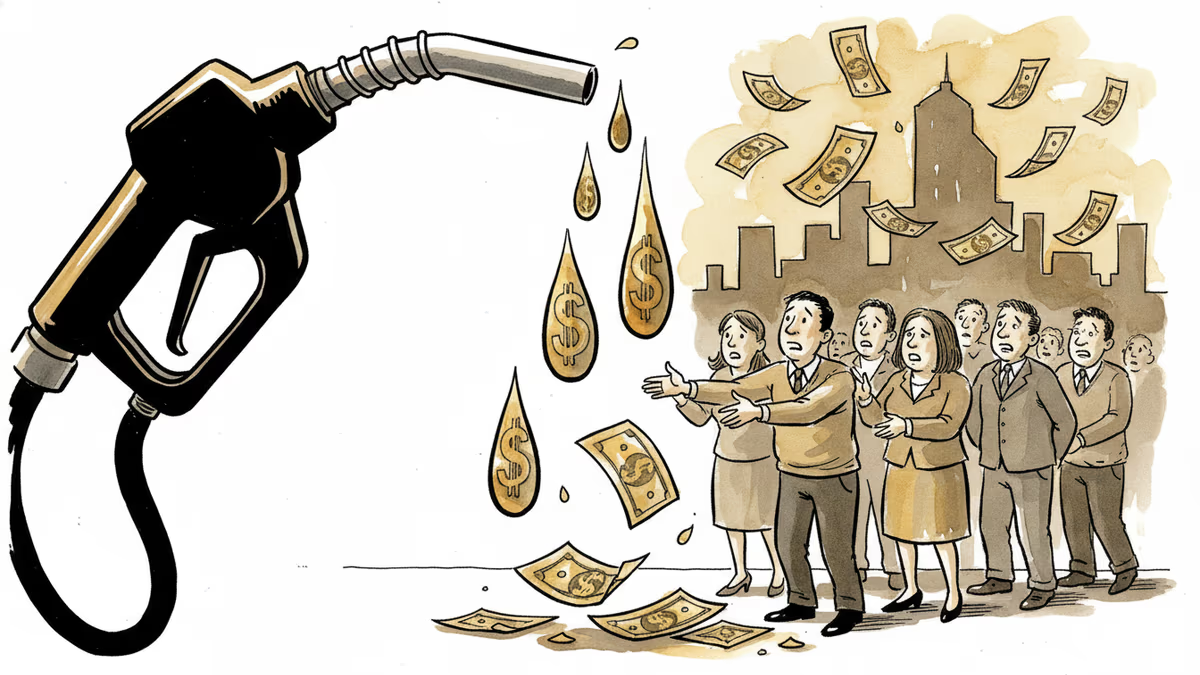
U.S.-Israel attacks on Iran trigger 6% oil spike, global market turmoil. How Middle East conflict directly impacts your wallet and investment portfolio.
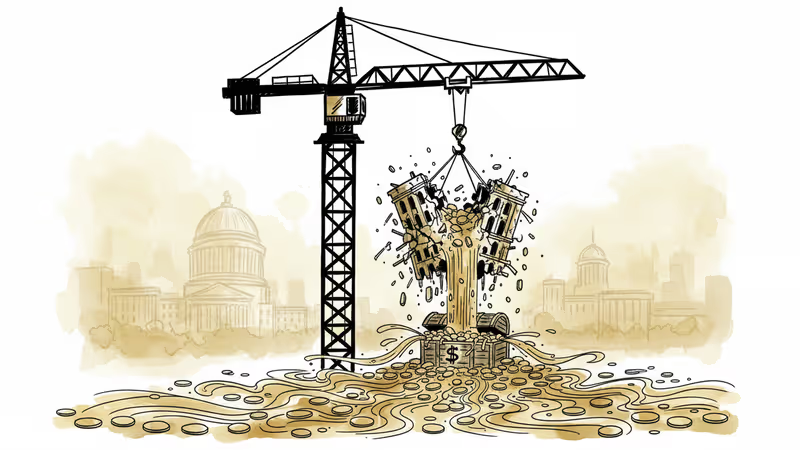
China's comprehensive measures to save its debt-laden property sector signal a critical shift with global implications for investors and economies.
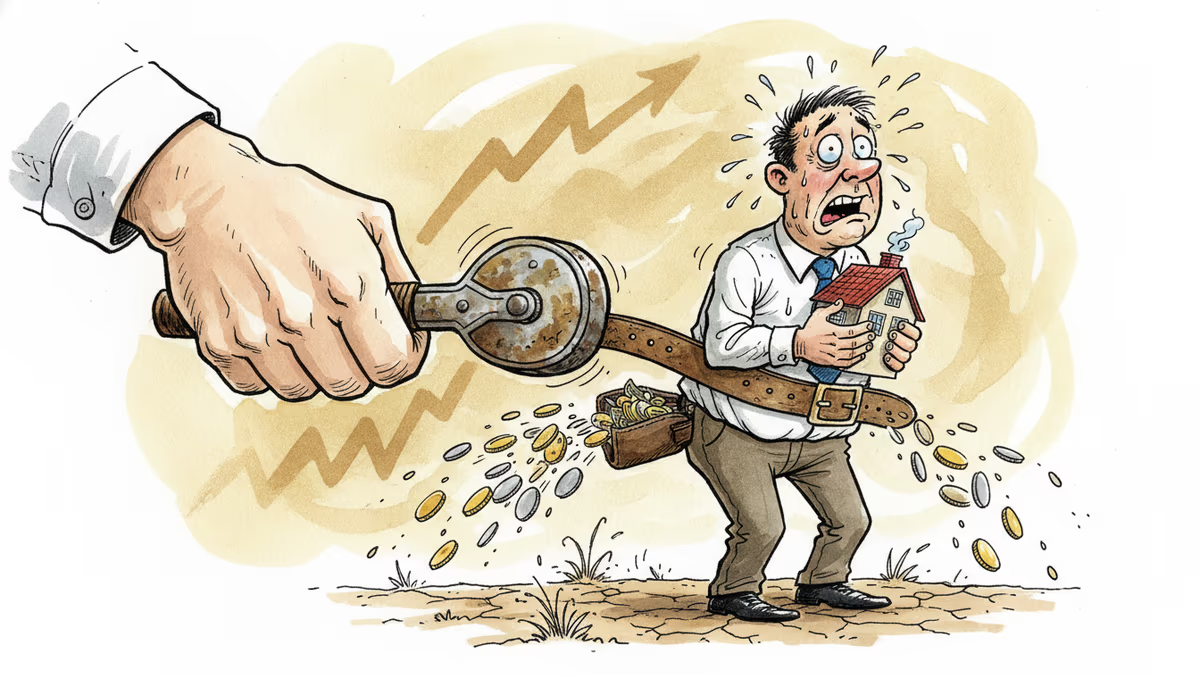
The Bank of Korea lifted its benchmark rate a quarter-point to 2.75%, its first increase in three and a half years. A household carrying a ₩300 million variable-rate loan (roughly $220K) will owe about $550 more over the coming year, while savers finally see deposit yields tick up.
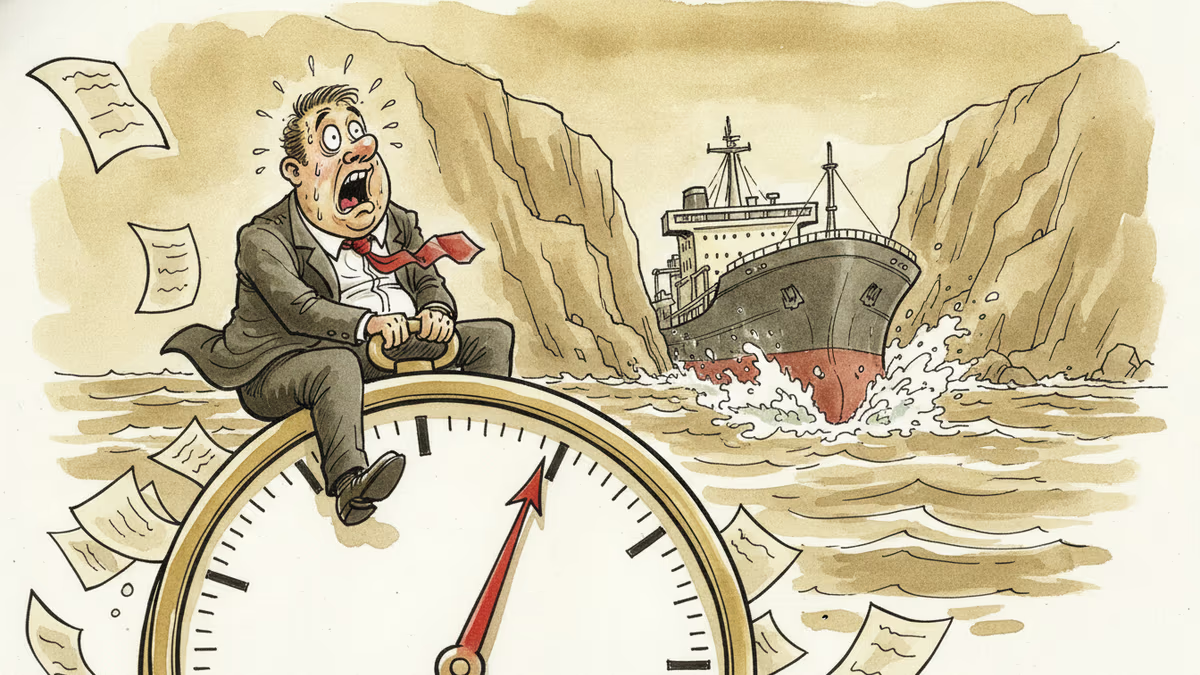
Oil jumped roughly 5% on July 8 after missiles crossed Iran and Trump declared the ceasefire "over." Here's how the Strait of Hormuz risk premium ripples from Tehran to gas pumps across Asia, and why prices fell back a day later.
U.S.-Israel attacks on Iran trigger 6% oil spike, global market turmoil. How Middle East conflict directly impacts your wallet and investment portfolio.
China's comprehensive measures to save its debt-laden property sector signal a critical shift with global implications for investors and economies.
The Bank of Korea lifted its benchmark rate a quarter-point to 2.75%, its first increase in three and a half years. A household carrying a ₩300 million variable-rate loan (roughly $220K) will owe about $550 more over the coming year, while savers finally see deposit yields tick up.
Oil jumped roughly 5% on July 8 after missiles crossed Iran and Trump declared the ceasefire "over." Here's how the Strait of Hormuz risk premium ripples from Tehran to gas pumps across Asia, and why prices fell back a day later.
Thoughts
Share your thoughts on this article
Sign in to join the conversation