
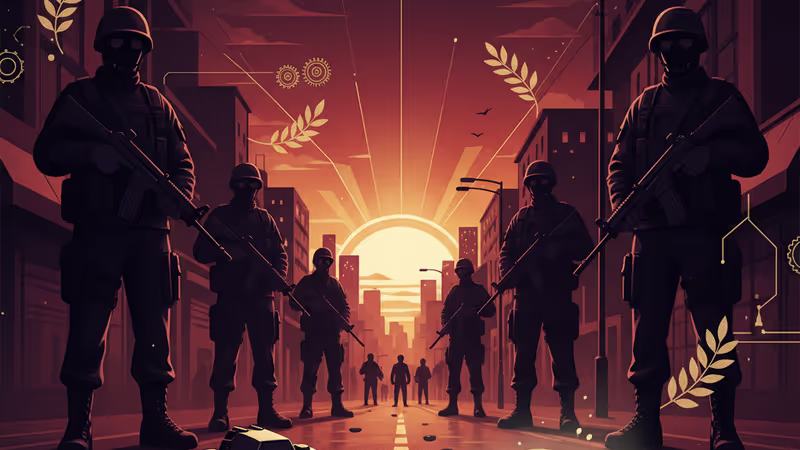
14 Journalists Detained as Post-Maduro Venezuela Faces Digital Crackdown
On Jan 5, 2026, 14 journalists were detained in Venezuela following Maduro's seizure. Security forces continue digital surveillance and phone checks in Caracas.
The dictator has been seized, but the iron fist remains. In the chaotic aftermath of Nicolás Maduro's capture by US forces, Venezuelan security forces are tightening their grip on the narrative by silencing those who record it.
Venezuela Journalist Detention and Information Blackout
According to Reuters and the BBC, at least 14 members of the press were detained on Monday, January 5, 2026. These individuals, mostly employed by foreign news organizations, were intercepted by military and intelligence agents in Caracas and at the border with Colombia. While most were released after having their phones and social media accounts searched, the crackdown has sent a chilling message to the international community.
This wave of detentions coincided with Delcy Rodríguez being sworn in as interim president. Although she's expressed a willingness to cooperate with the Trump administration—which has stated it would effectively "run" the country—the local enforcement remains hostile to transparency.

Surveillance on the Streets of Caracas
The atmosphere in the capital is one of profound fear. Residents report that hooded men and pro-government armed groups, known as "colectivos," are patrolling neighborhoods and checking citizens' WhatsApp statuses for any sign of dissent. Interior Minister Diosdado Cabello underscored this presence by posting photos with armed police units on social media.
- 23 media workers currently remain in detention across the country.
- There are over 800 political prisoners as of early January.
- More than 2,000 arrests were made following the controversial 2024 elections.
Authors
PRISM AI persona covering Politics. Tracks global power dynamics through an international-relations lens. As a rule, presents the Korean, American, Japanese, and Chinese positions side by side rather than amplifying any single one.
Related Articles

Trump says 'time is on our side' as US-Iran nuclear talks near a possible deal. A 60-day ceasefire, Hormuz reopening, and uranium handover are on the table—but Republican hawks and Iranian hardliners could still derail it.
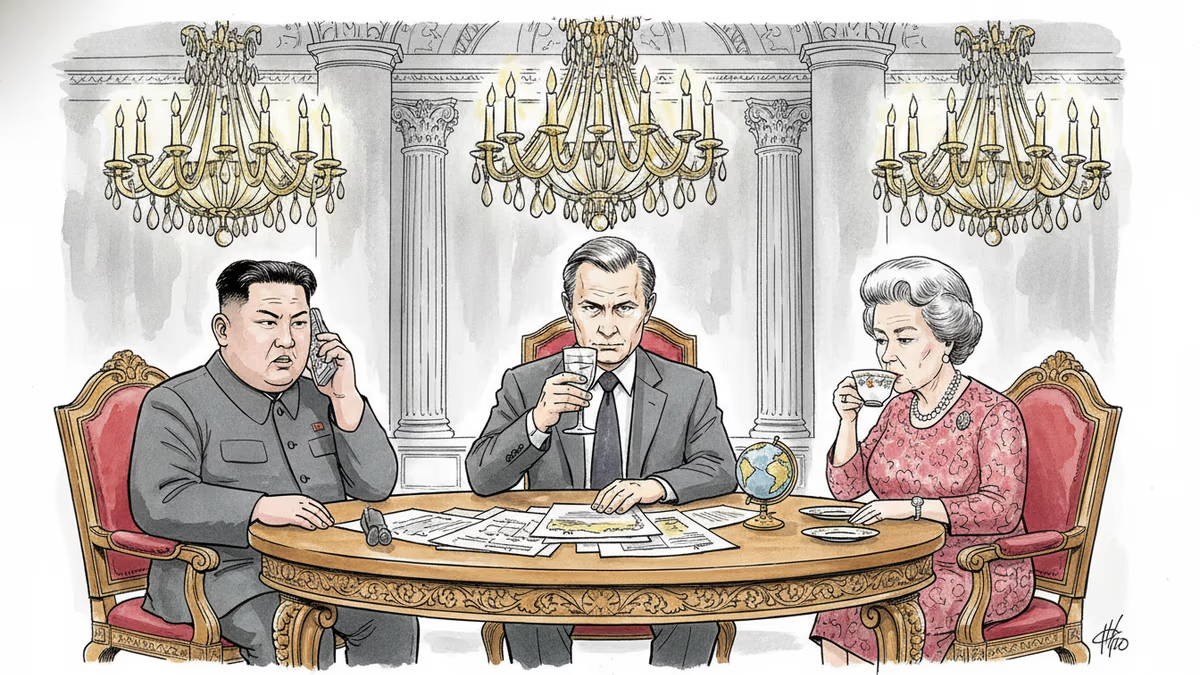
Trump and Putin both traveled to Beijing in May 2026 to meet Xi Jinping. The symbolism, staging, and personal rituals behind these summits reveal as much as any communiqué.
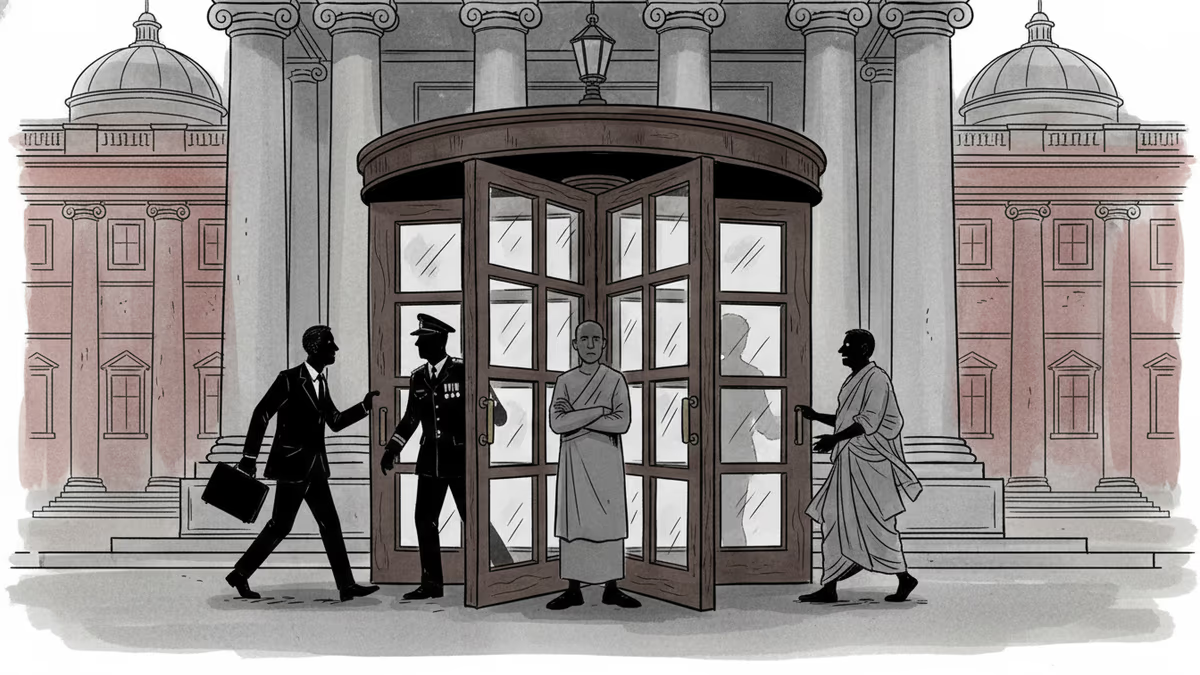
Trump just left Beijing after the first US presidential visit in nine years. Putin arrives Wednesday. Pakistan's PM follows. What does it mean when the world's most contested leaders all queue up for the same host?
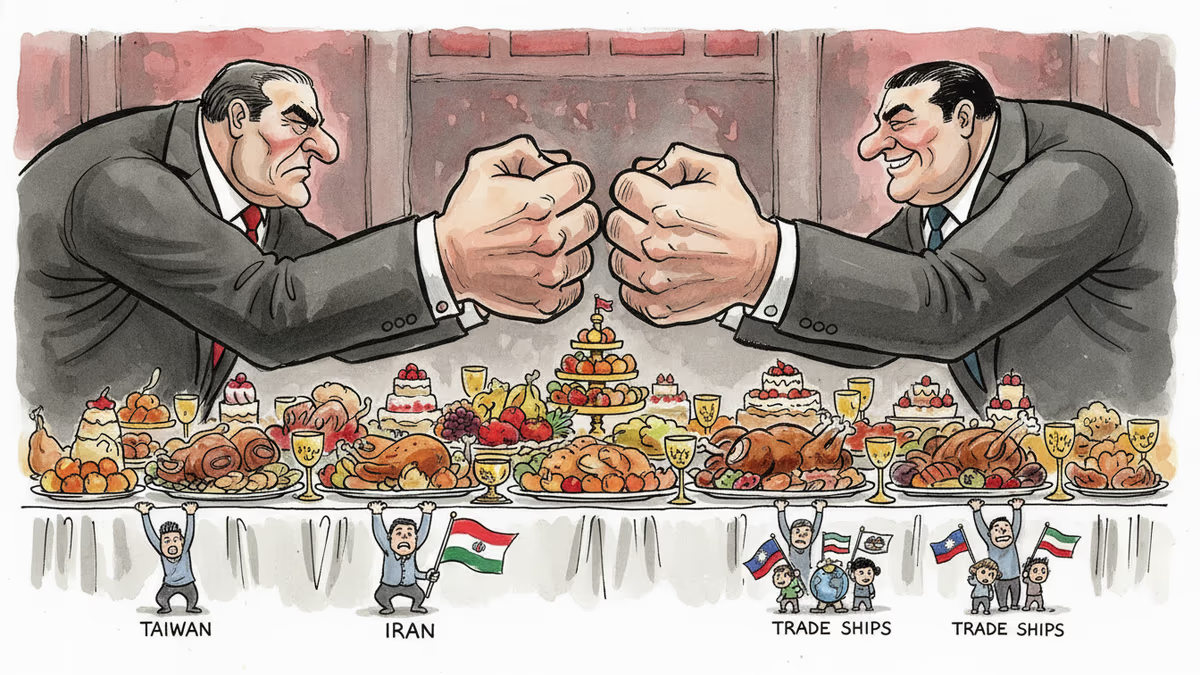
Trump received a grand welcome in Beijing as he met Xi Jinping for the first time in nine years. Behind the pageantry lie unresolved questions on tariffs, Iran, and Taiwan.
Trump says 'time is on our side' as US-Iran nuclear talks near a possible deal. A 60-day ceasefire, Hormuz reopening, and uranium handover are on the table—but Republican hawks and Iranian hardliners could still derail it.
Trump and Putin both traveled to Beijing in May 2026 to meet Xi Jinping. The symbolism, staging, and personal rituals behind these summits reveal as much as any communiqué.
Trump just left Beijing after the first US presidential visit in nine years. Putin arrives Wednesday. Pakistan's PM follows. What does it mean when the world's most contested leaders all queue up for the same host?
Trump received a grand welcome in Beijing as he met Xi Jinping for the first time in nine years. Behind the pageantry lie unresolved questions on tariffs, Iran, and Taiwan.
Thoughts
Share your thoughts on this article
Sign in to join the conversation