

Utah Police AI Human Frog Malfunction Highlights Surveillance Flaws
A recent Utah police AI human frog malfunction shows the dangers of relying on unproven surveillance tech. Explore why this glitch matters for the future of policing.
Can a state-of-the-art AI distinguish a person from an amphibian? Apparently not in Utah. According to Fox News and Boing Boing, surveillance software used by Utah police recently made a bizarre error, identifying a human being as a frog.
The Utah Police AI Human Frog Malfunction Incident
The glitch was discovered within a system designed to keep streets safer through real-time video analysis. Instead of detecting criminal activity, the AI software flagged at least 1 person as a frog. This wasn't a metaphorical description; the system's biological classification algorithm literally failed to recognize the human silhouette, opting for a cold-blooded alternative instead.

Tech analysts point to limitations in computer vision and potentially poor training datasets as the culprits. When law enforcement relies on these automated systems, such absurd errors raise urgent questions about the reliability of algorithmic policing.
Serious Implications for AI Surveillance
While the story sounds like a joke, the implications are anything but funny. If an AI can't tell the difference between a citizen and a frog, its ability to accurately identify suspects or assess threats is highly suspect. This incident serves as a stark reminder of the trust gap between AI marketing and its real-world application in 2025.
Authors
Related Articles
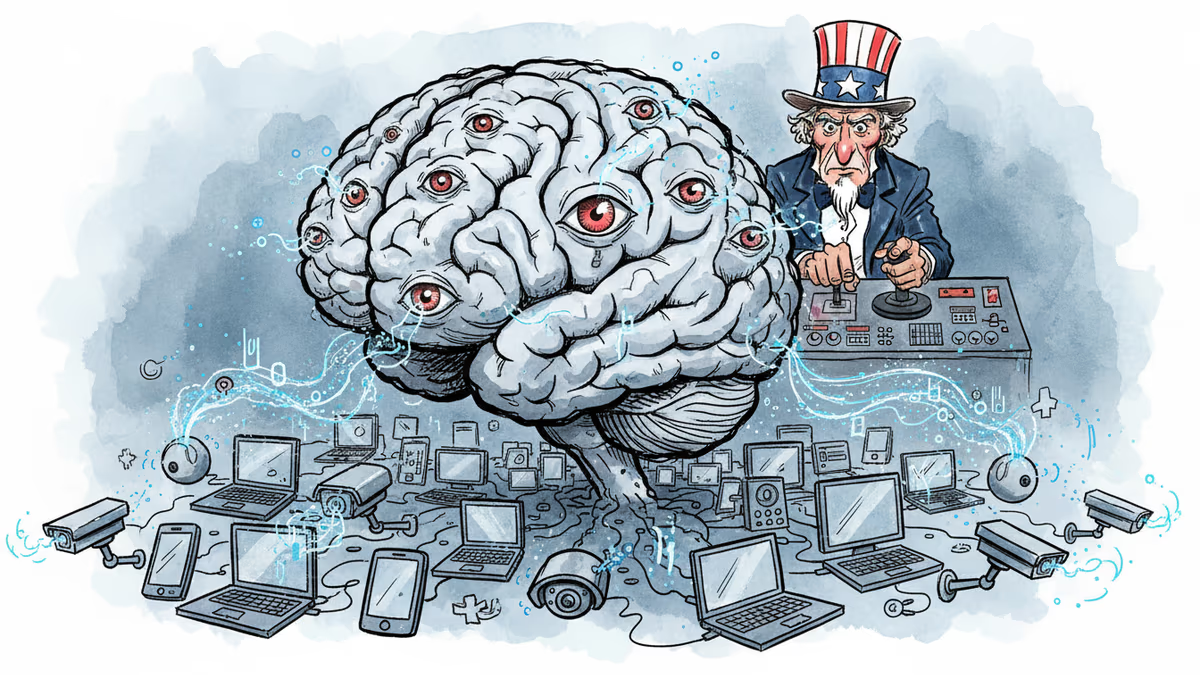
The Pentagon's clash with AI companies exposes a legal gray area around mass surveillance. OpenAI and Anthropic's opposing choices reveal deeper questions about privacy in the AI age.

After Super Bowl ad backlash and AI surveillance features, Ring's founder explains himself. But the real issue isn't the ads—it's the technology itself.
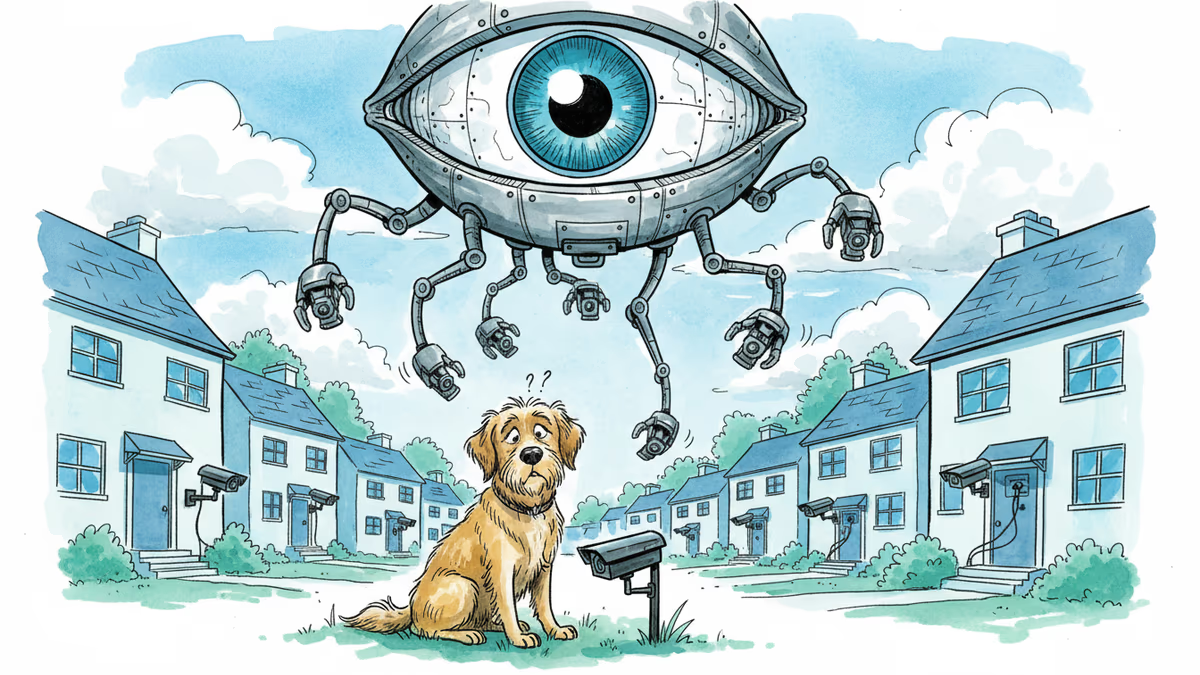
Ring's Super Bowl ad sparked backlash over AI surveillance capabilities. The company canceled its Flock Safety partnership amid concerns about privacy and ICE data sharing.
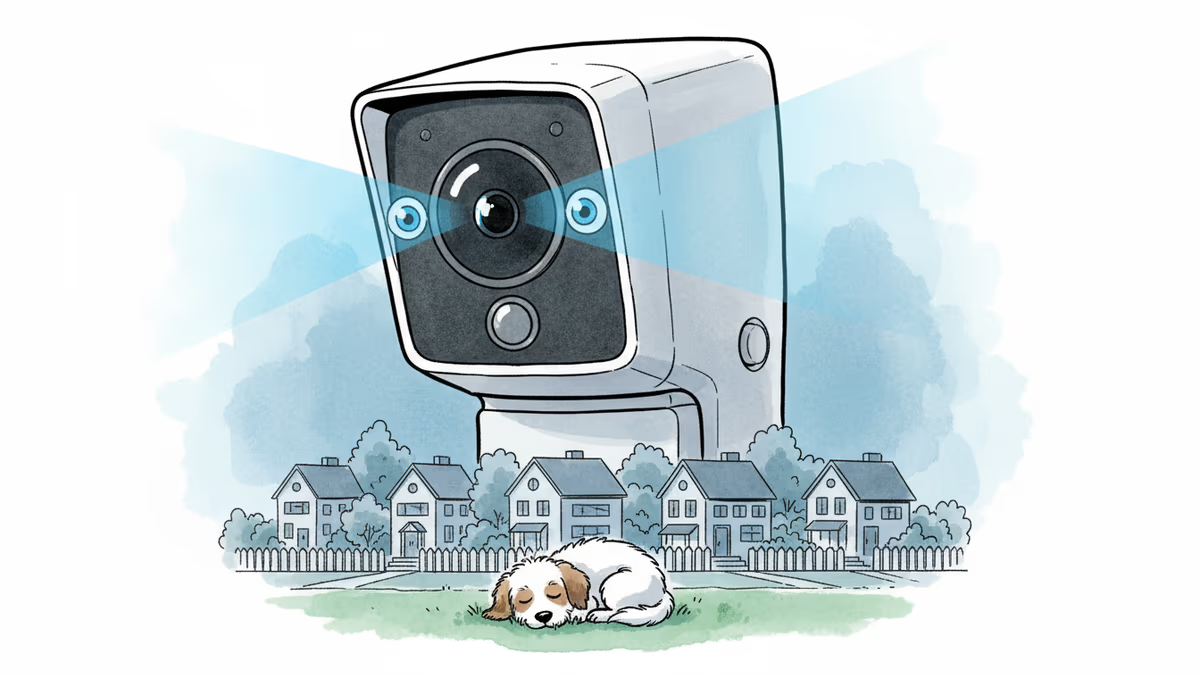
Ring's Super Bowl ad sparked fresh privacy debates about AI surveillance. From finding lost dogs to tracking humans - where do we draw the line?
The Pentagon's clash with AI companies exposes a legal gray area around mass surveillance. OpenAI and Anthropic's opposing choices reveal deeper questions about privacy in the AI age.
After Super Bowl ad backlash and AI surveillance features, Ring's founder explains himself. But the real issue isn't the ads—it's the technology itself.
Ring's Super Bowl ad sparked backlash over AI surveillance capabilities. The company canceled its Flock Safety partnership amid concerns about privacy and ICE data sharing.
Ring's Super Bowl ad sparked fresh privacy debates about AI surveillance. From finding lost dogs to tracking humans - where do we draw the line?
Thoughts
Share your thoughts on this article
Sign in to join the conversation