

The Price of Porn: Utah Adult Content Tax Bill 2026 Sparks Constitutional Clash
Utah proposes a 7% tax on adult sites under the 'Utah Adult Content Tax Bill 2026'. Explore the conflict between youth protection and First Amendment rights.
Can a targeted tax on adult sites solve a mental health crisis? A Republican lawmaker in Utah has proposed a bill that would impose a specific levy on adult entertainment platforms, fueling a fierce debate over digital rights and the First Amendment. According to WIRED, this move reflects a growing trend of American conservatism seeking to restrict adult content via financial and regulatory hurdles.
Breaking Down the Utah Adult Content Tax Bill 2026
Introduced by State Senator Calvin Musselman, the legislation seeks to impose a 7 percent tax on total receipts from adult content produced, sold, or distributed within the state. In addition to the sales tax, sites would be required to pay a $500 annual fee to the State Tax Commission. If passed, the law is set to take effect in May 2026.
The revenue generated is earmarked for the Department of Health and Human Services to provide mental health support for teenagers. Proponents argue that adult content is a primary driver of behavioral health issues among youth, though this remains a point of contention among medical professionals.

The Constitutional Battle: Speech or Sin?
Legal experts are raising red flags regarding the bill's constitutionality. Evelyn Douek, a professor at Stanford Law School, stated that the tax "singles out a particular type of protected speech for disfavored treatment." Critics argue that while states can regulate minor access, taxing adult access to legal content creates an unconstitutional barrier to free speech.
The adult industry, including giants like Pornhub, has already pushed back. To date, 25 US states have passed some form of age verification, leading platforms to block access entirely in jurisdictions with high regulatory burdens. The Free Speech Coalition warns that these "content-specific taxes" set a dangerous precedent for government overreach.
Authors
Related Articles
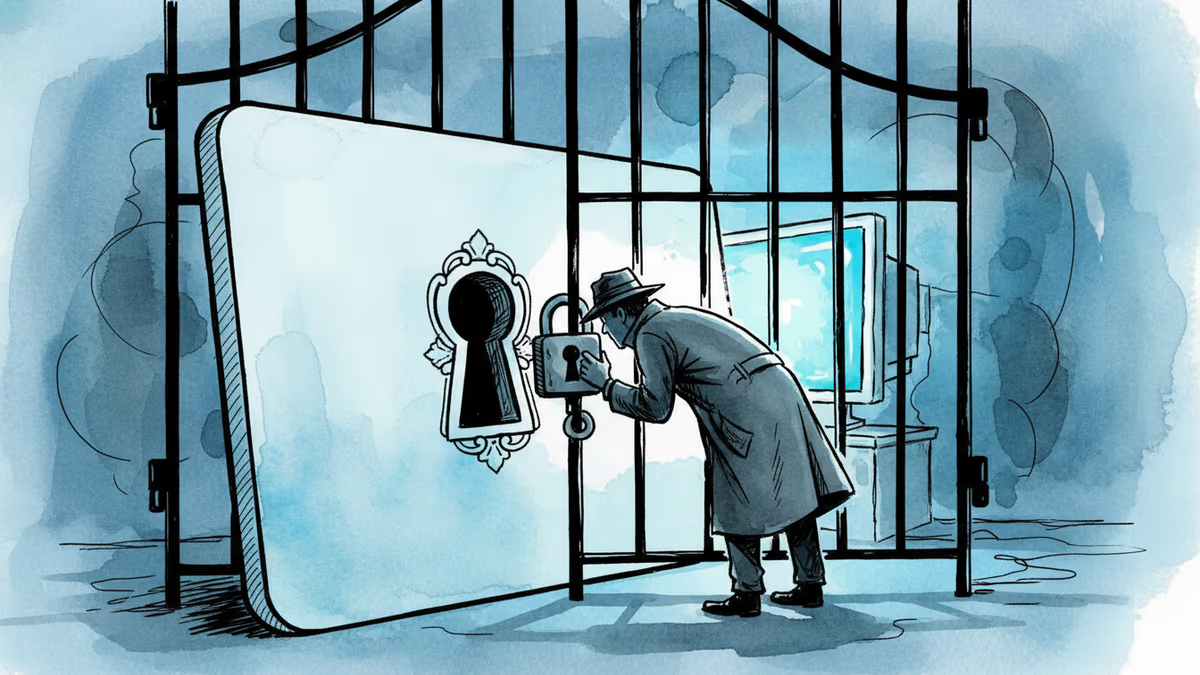
Wisconsin Governor Tony Evers vetoed an age verification bill for adult sites, citing privacy concerns. With 25+ states going the other way, the debate cuts to the heart of online freedom vs. child protection.
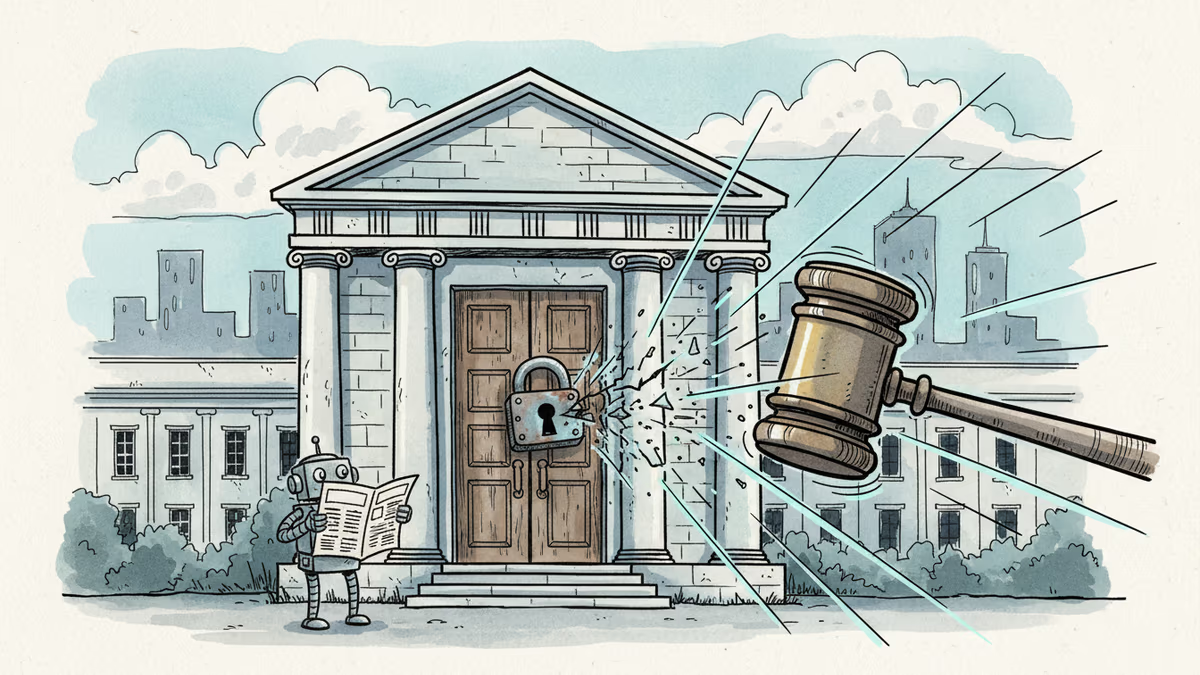
A federal judge blocked the Pentagon's blacklisting of Anthropic, ruling that punishing a company for public criticism of government policy is a textbook First Amendment violation.
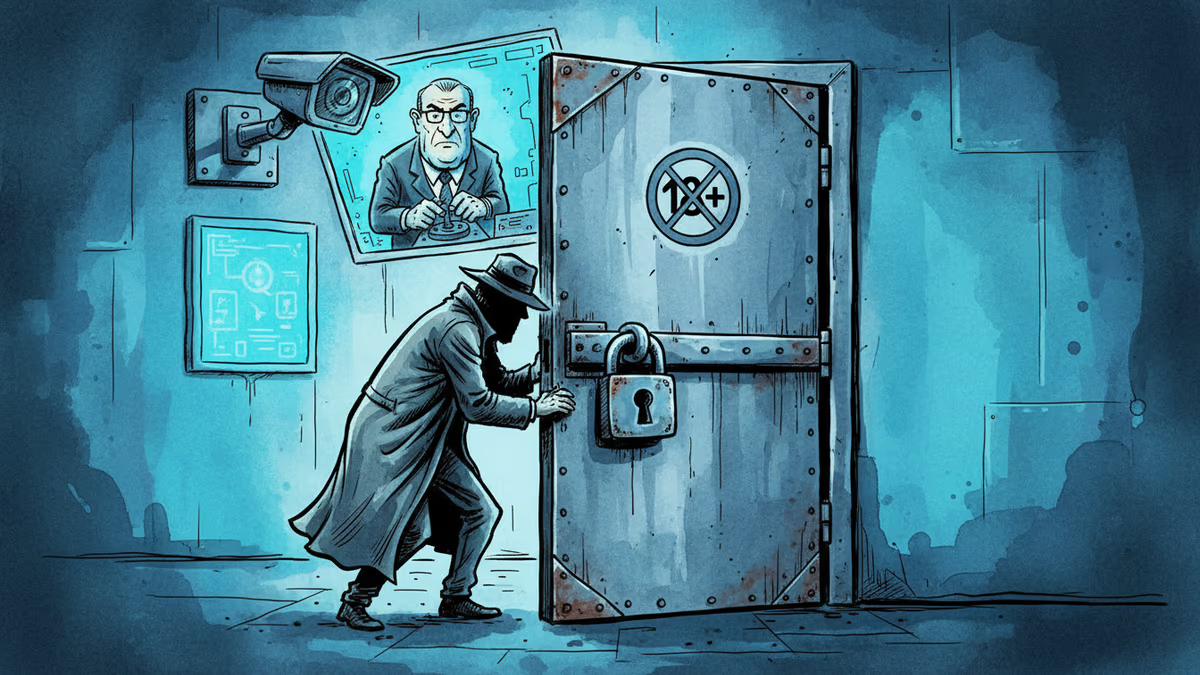
Age verification laws are turning VPNs from a niche privacy tool into everyday infrastructure. What happens when governments decide to shut the door?
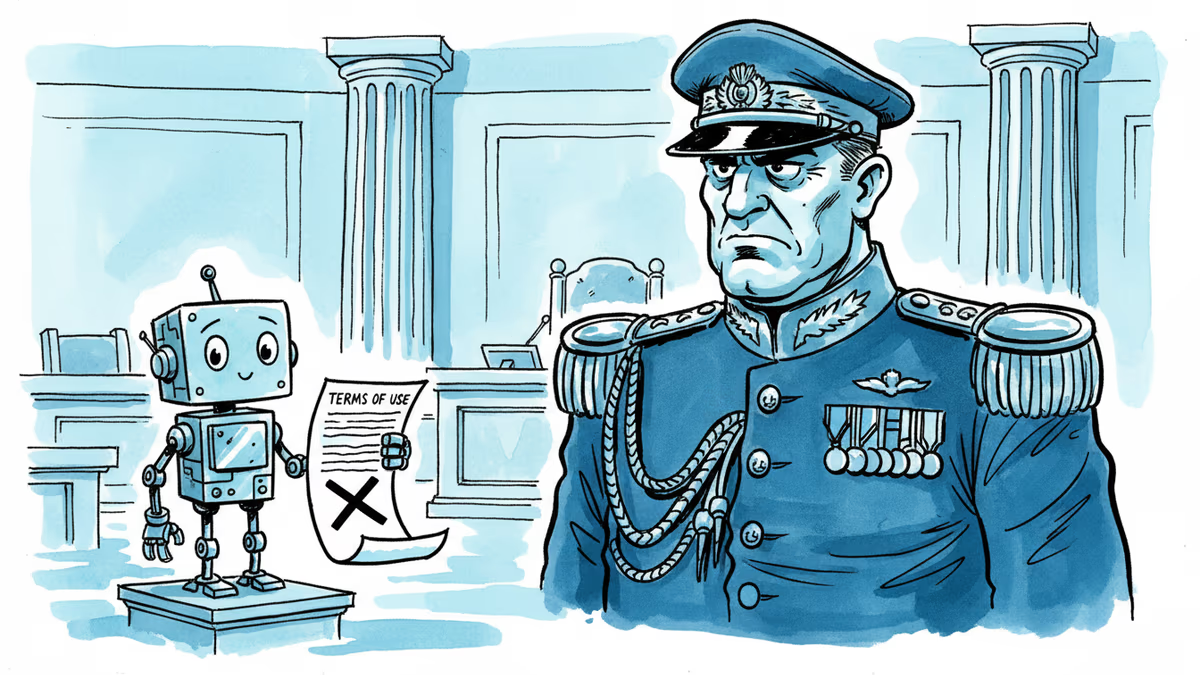
Anthropic filed two sworn declarations challenging the Pentagon's claim that it poses a national security risk. The timeline they reveal raises uncomfortable questions about the government's real motives.
Wisconsin Governor Tony Evers vetoed an age verification bill for adult sites, citing privacy concerns. With 25+ states going the other way, the debate cuts to the heart of online freedom vs. child protection.
A federal judge blocked the Pentagon's blacklisting of Anthropic, ruling that punishing a company for public criticism of government policy is a textbook First Amendment violation.
Age verification laws are turning VPNs from a niche privacy tool into everyday infrastructure. What happens when governments decide to shut the door?
Anthropic filed two sworn declarations challenging the Pentagon's claim that it poses a national security risk. The timeline they reveal raises uncomfortable questions about the government's real motives.
Thoughts
Share your thoughts on this article
Sign in to join the conversation