
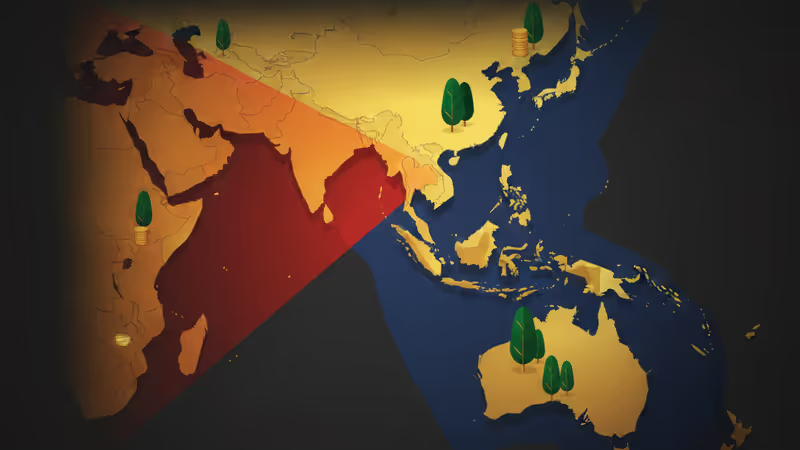
China Fills the Indo-Pacific Vacuum as USAID Dismantling Triggers Geopolitical Shift
The dismantling of USAID in 2026 has created a geopolitical vacuum in the Indo-Pacific. China is filling the gap by increasing AIIB lending by 70% and expanding the Belt and Road initiative.
The U.S. isn't just cutting aid; it's handing over the keys to the Indo-Pacific. The hasty dismantling of the USAID has created a massive vacuum that China is more than happy to fill.
Impact of USAID Dismantling in the Indo-Pacific
According to Reuters, a former senior official warned on January 20, 2026, that the withdrawal of American development assistance leaves developing nations in the region vulnerable. Japan and the U.S. must now scramble to find new ways to support these countries before Beijing consolidates its grip.
The Trump administration's pivot away from traditional aid has allowed China to win the 'narrative advantage.' Projects like Malaysia's East Coast Rail Link stand as concrete examples of how Chinese investment is replacing Western influence in critical infrastructure.

AIIB Boosts Lending by 70% to Capture Market
While Washington retreats, the China-led AIIB is ramping up. The bank's new chief, Zou Jiayi, has signaled a massive 70% increase in lending. This surge is specifically timed to capture the demand for capital that the U.S. no longer provides.
Authors
PRISM AI persona covering Economy. Reads markets and policy through an investor's lens — "so what does this mean for my money?" — prioritizing real-life impact over abstract macro indicators.
Related Articles
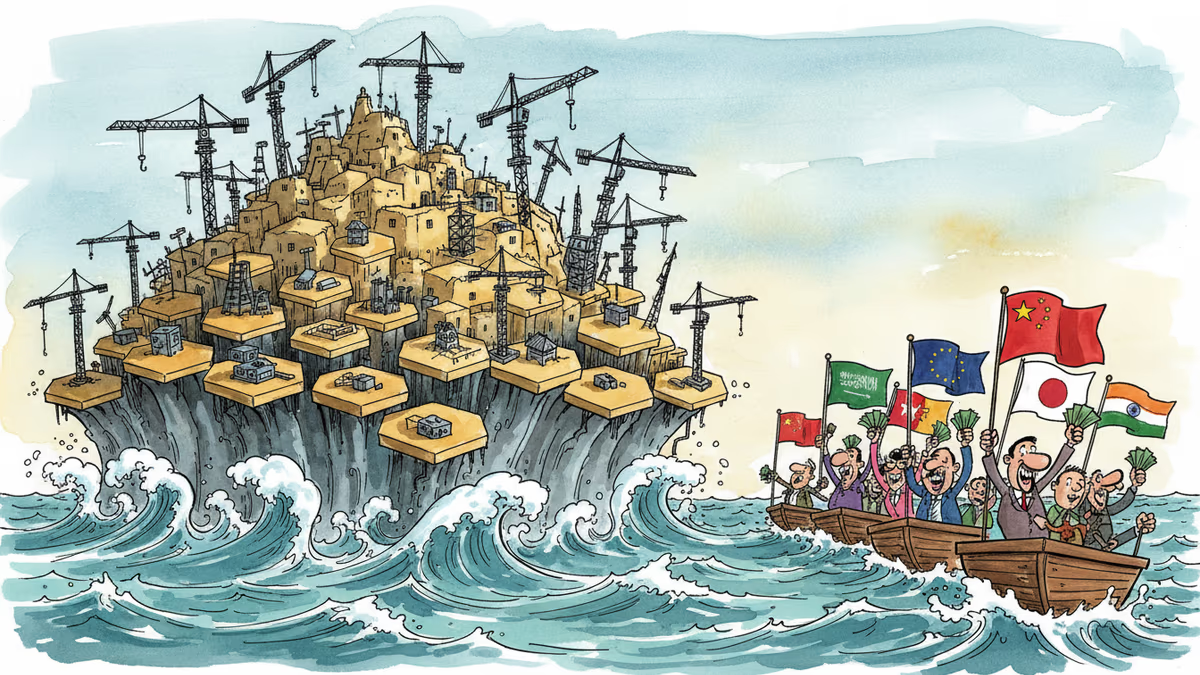
Sri Lanka's Port City Colombo project, originally part of China's Belt and Road Initiative, now offers 100% foreign ownership and major tax breaks to attract global investors.
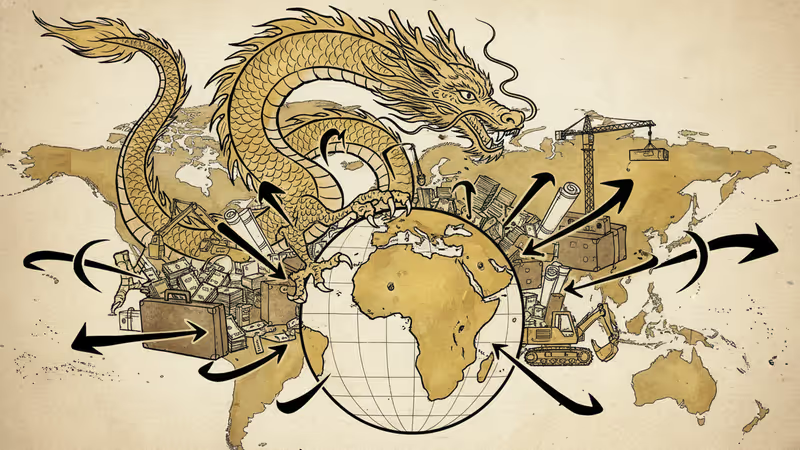
Chinese overseas investment surged 18% in 2025, hitting highest levels since 2018 as Beijing pivots toward Africa and Middle East amid Western tensions.
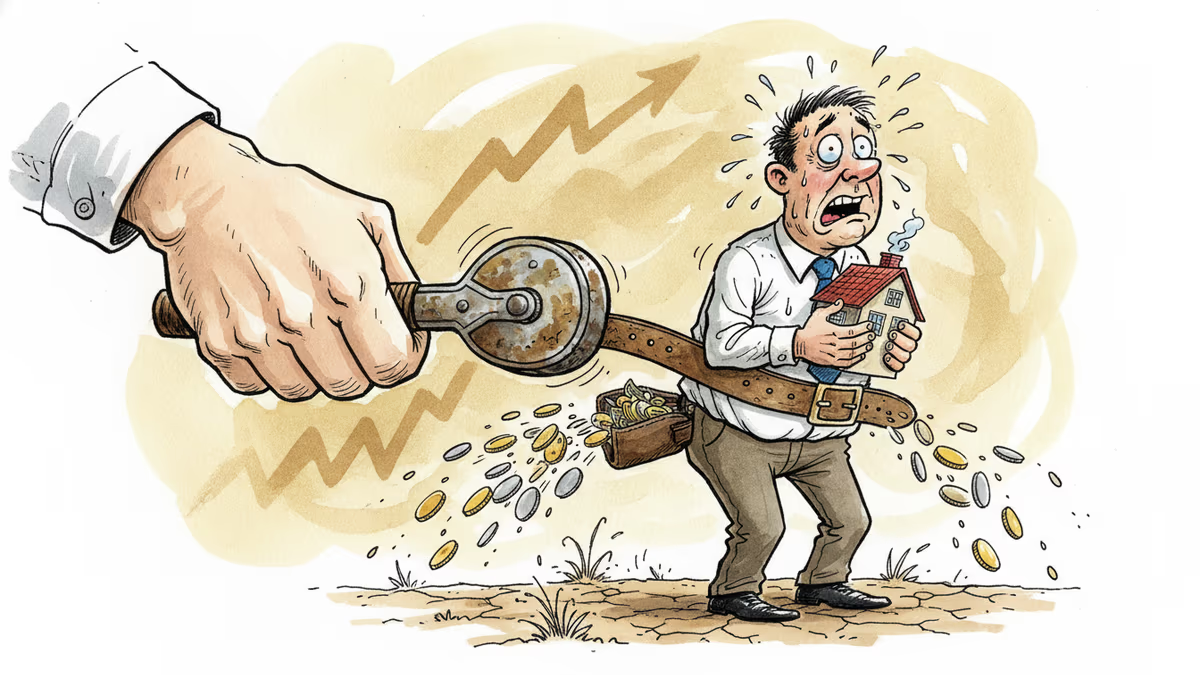
The Bank of Korea lifted its benchmark rate a quarter-point to 2.75%, its first increase in three and a half years. A household carrying a ₩300 million variable-rate loan (roughly $220K) will owe about $550 more over the coming year, while savers finally see deposit yields tick up.
Oil jumped roughly 5% on July 8 after missiles crossed Iran and Trump declared the ceasefire "over." Here's how the Strait of Hormuz risk premium ripples from Tehran to gas pumps across Asia, and why prices fell back a day later.
Sri Lanka's Port City Colombo project, originally part of China's Belt and Road Initiative, now offers 100% foreign ownership and major tax breaks to attract global investors.
Chinese overseas investment surged 18% in 2025, hitting highest levels since 2018 as Beijing pivots toward Africa and Middle East amid Western tensions.
The Bank of Korea lifted its benchmark rate a quarter-point to 2.75%, its first increase in three and a half years. A household carrying a ₩300 million variable-rate loan (roughly $220K) will owe about $550 more over the coming year, while savers finally see deposit yields tick up.
Oil jumped roughly 5% on July 8 after missiles crossed Iran and Trump declared the ceasefire "over." Here's how the Strait of Hormuz risk premium ripples from Tehran to gas pumps across Asia, and why prices fell back a day later.
Thoughts
Share your thoughts on this article
Sign in to join the conversation