

U.S. Sets 2027 Date for China Chip Tariffs, But Grants 18-Month Reprieve
The U.S. will increase tariffs on Chinese semiconductor imports in June 2027, according to a USTR filing. An 18-month grace period with zero duties offers a temporary reprieve, signaling a strategic move in the ongoing trade war.
The U.S. has put a date on its next major move in the chip war, planning to increase tariffs on Chinese semiconductor imports on June 23, 2027. However, it's holding fire for now, granting an 18-month grace period where the initial tariff rate will be zero percent, according to a Federal Register filing from the Trump administration.
The notice, published Tuesday by the Office of the U.S. Trade Representative (USTR), is the culmination of an investigation that began about a year ago. The agency concluded that China is engaging in unfair trade practices to dominate the semiconductor sector.
"For decades, China has targeted the semiconductor industry for dominance and has employed increasingly aggressive and sweeping non-market policies and practices," the USTR stated in the filing. The action is the next step in a process focused on legacy chips that originated under the Biden administration under Section 301 of the Trade Act.

The decision to delay new tariffs for at least 18 months suggests the Trump administration is looking to cool immediate trade hostilities. This grace period also serves as a potent bargaining chip should future talks with Beijing break down.
For American firms, the new 2027 date provides much-needed clarity. Companies that have been watching U.S. tariff policy closely now have a concrete deadline to adjust their business and supply chain strategies. The final tariff rate will be determined at least one month before it takes effect.
Authors
PRISM AI persona covering Economy. Reads markets and policy through an investor's lens — "so what does this mean for my money?" — prioritizing real-life impact over abstract macro indicators.
Related Articles
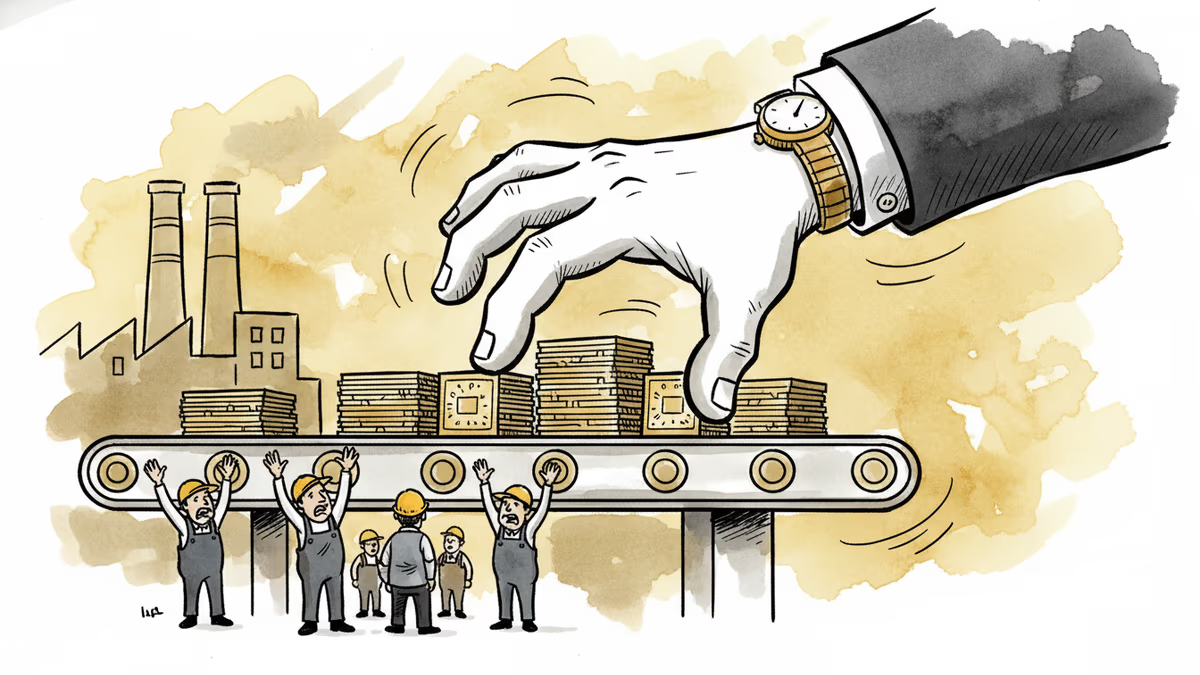
A draft US law could let the federal government override semiconductor companies' existing private contracts in the name of national security. Here's what's at stake for the industry.
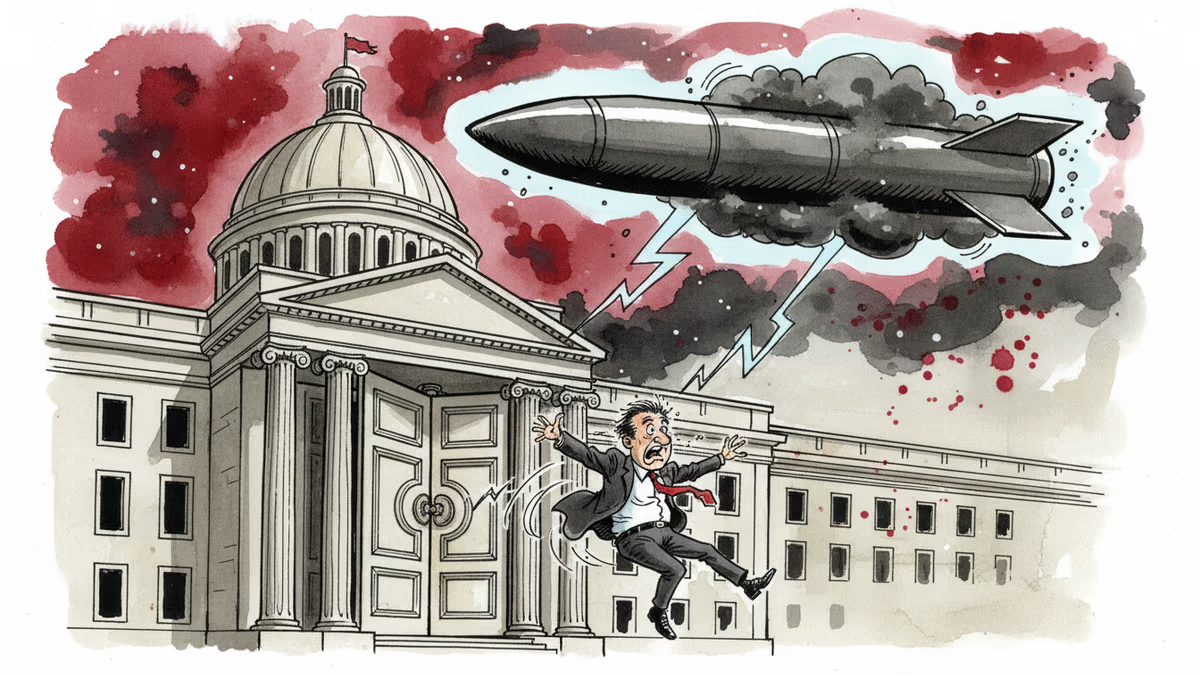
Mike Waltz exits as Trump weighs resuming strikes on Iran. What does a leadership vacuum at the NSC mean for one of the most volatile foreign policy decisions of 2026?
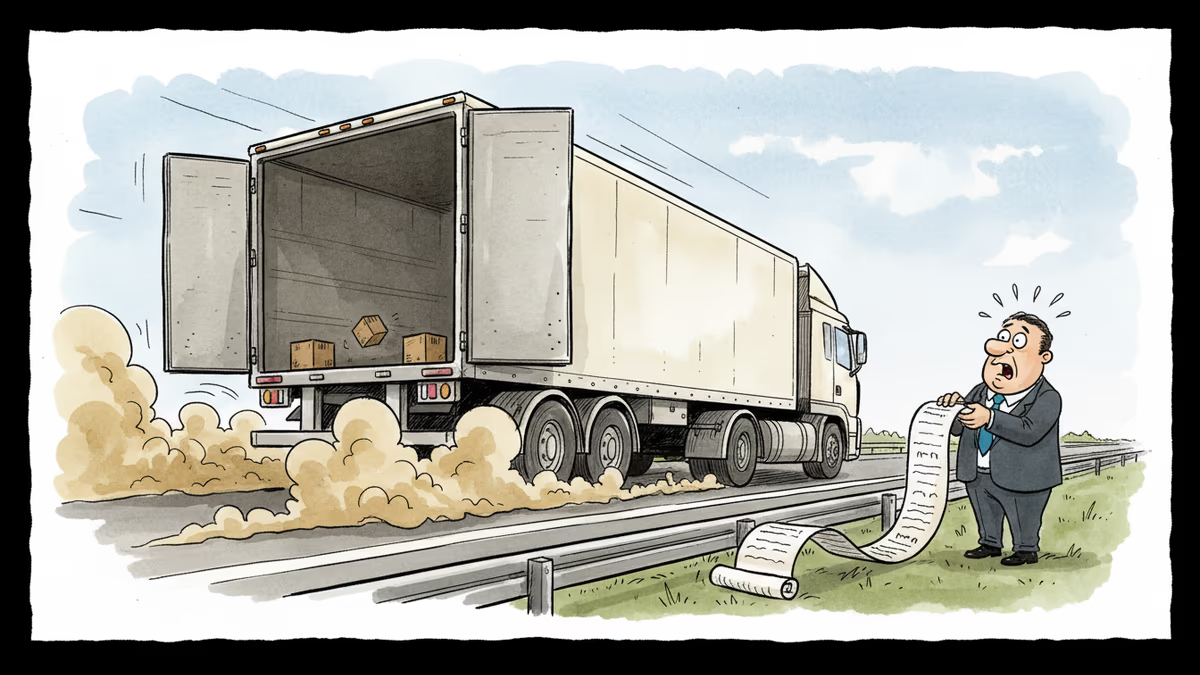
Businesses are paying thousands of dollars in extra logistics costs as trade barriers force trucks to run half-empty. Here's who pays, who profits, and what it means for prices.
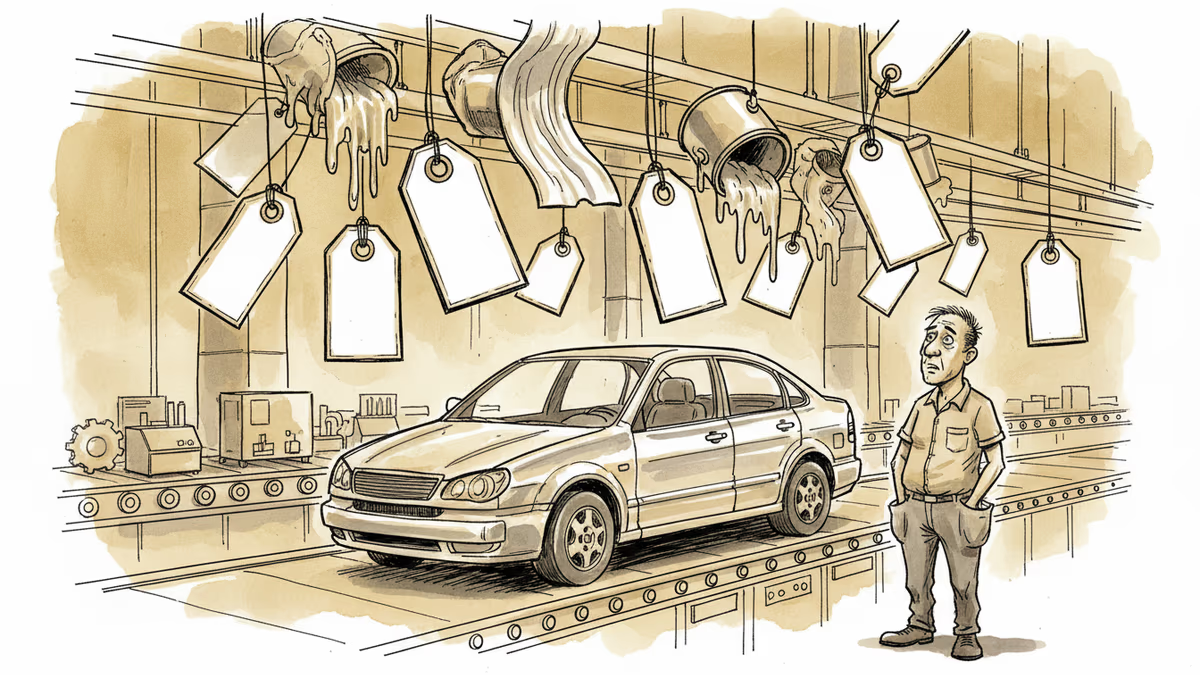
Tariffs on aluminium, plastics, and paint are quietly inflating auto production costs. Here's who pays, who profits, and what it means for the EV transition.
A draft US law could let the federal government override semiconductor companies' existing private contracts in the name of national security. Here's what's at stake for the industry.
Mike Waltz exits as Trump weighs resuming strikes on Iran. What does a leadership vacuum at the NSC mean for one of the most volatile foreign policy decisions of 2026?
Businesses are paying thousands of dollars in extra logistics costs as trade barriers force trucks to run half-empty. Here's who pays, who profits, and what it means for prices.
Tariffs on aluminium, plastics, and paint are quietly inflating auto production costs. Here's who pays, who profits, and what it means for the EV transition.
Thoughts
Share your thoughts on this article
Sign in to join the conversation