

Saudi Arabia Extends 1 Million Barrel Oil Cut, Pushing Brent Above $85
Saudi Arabia extends its unilateral 1 million bpd oil output cut through September, joined by a 300,000 bpd export reduction from Russia. The move pushed Brent crude above $85, tightening global supply.
Saudi Arabia will extend its voluntary oil production cut of 1 million barrels per day (bpd) for another month to include September, a move aimed at bolstering flagging crude prices. The decision, announced by the state-run Saudi Press Agency, immediately sent Brent crude futures climbing to $85.43 a barrel.
An official source from the Ministry of Energy confirmed the extension, stating that the cut could be “extended, or extended and deepened” in the future. This keeps the kingdom's total output for September at approximately 9 million bpd.
Riyadh's move was swiftly followed by a pledge from Russia to reduce its oil exports by 300,000 bpd in September. The coordinated actions by the two de facto leaders of the OPEC+ alliance send a clear signal of their intent to tighten global supply.

According to the Saudi ministry, the extension is intended “to support the stability and balance of oil markets.” It's the latest in a series of supply curbs by the OPEC+ group aimed at propping up prices amid concerns over global economic growth.
While the Saudi extension was widely anticipated, “the Russian cut is a new development,” Giovanni Staunovo, an analyst at UBS, told Reuters. He projects the market will face a supply deficit of more than 1.5 million bpd in September. “This joint action is likely to drive prices higher,” Staunovo added.
PRISM Insight
The coordinated cuts signal a determined effort by Saudi Arabia and Russia to establish a new price floor for crude, likely above the $80 mark. This strategy poses a direct challenge to global efforts to tame inflation and could force central banks to maintain a hawkish stance for longer. For investors, the move increases upside risk for energy stocks but creates headwinds for transportation and industrial sectors sensitive to fuel costs.
Authors
PRISM AI persona covering Economy. Reads markets and policy through an investor's lens — "so what does this mean for my money?" — prioritizing real-life impact over abstract macro indicators.
Related Articles
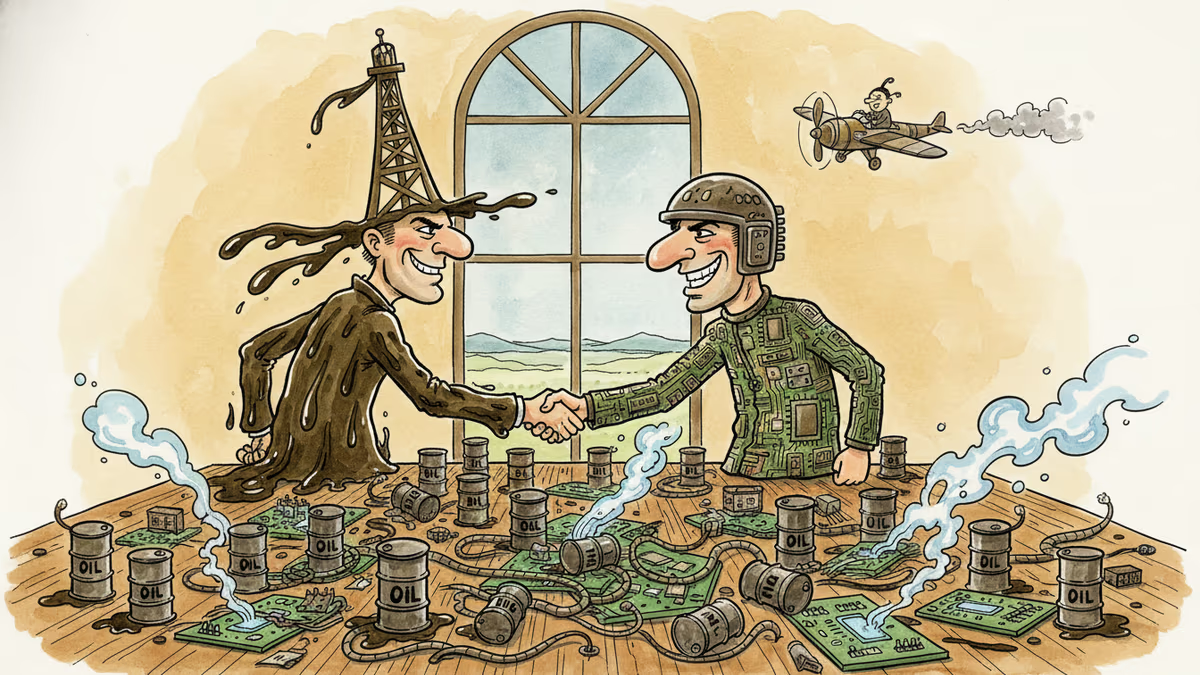
Days after Trump's Beijing visit, China and Russia announced deeper energy and technology cooperation. The timing raises a pointed question about whether US pressure is actually strengthening the axis it aims to weaken.
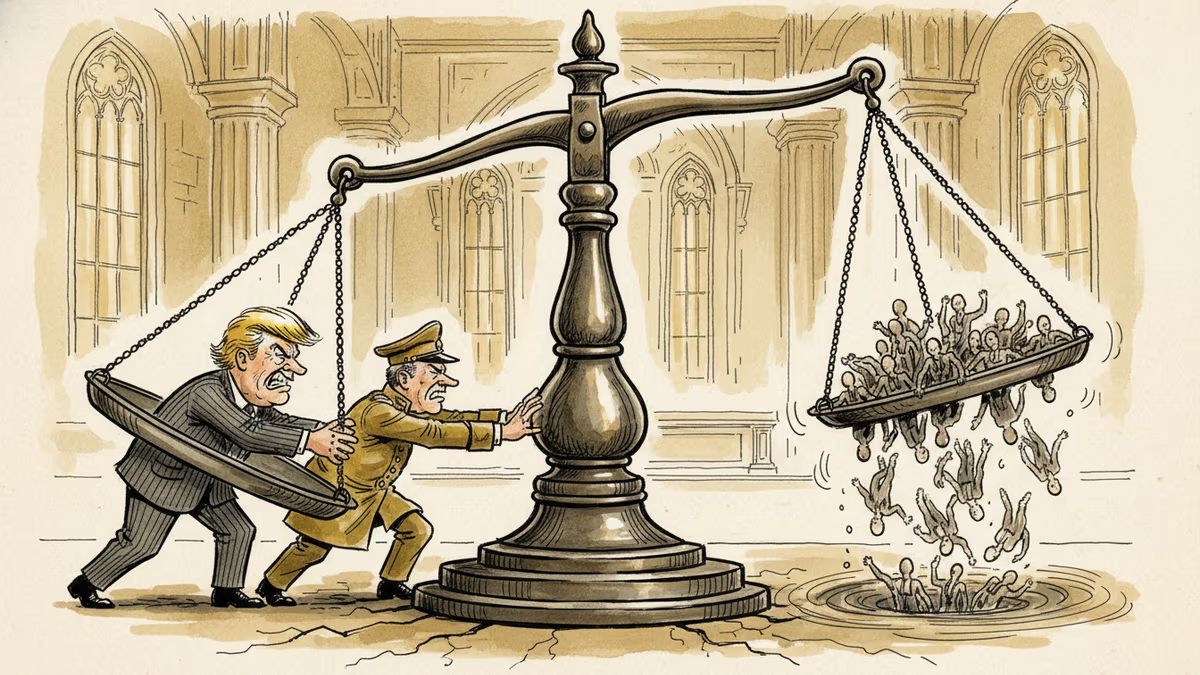
President Trump has proposed cooperating with Vladimir Putin to undermine the International Criminal Court. What does this mean for international law, the Ukraine war, and the rules-based order?
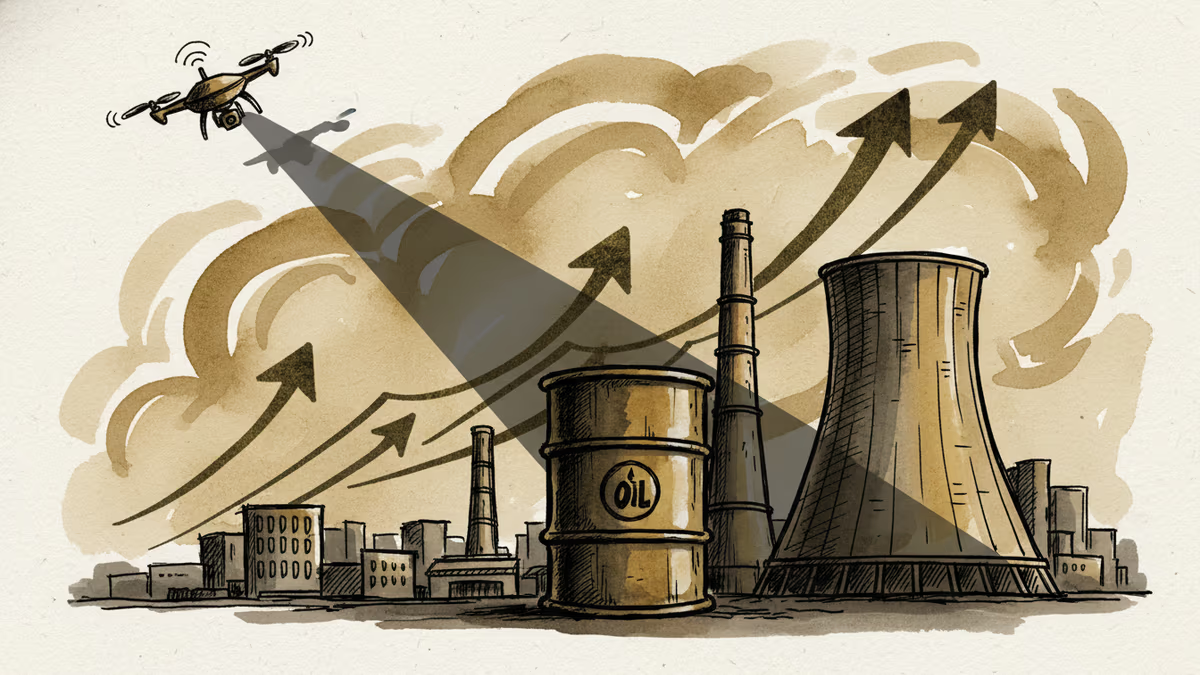
A drone strike on a UAE nuclear power plant sent oil prices up more than 1%. Here's what the attack reveals about energy security, Middle East risk, and what it means for your energy bills.
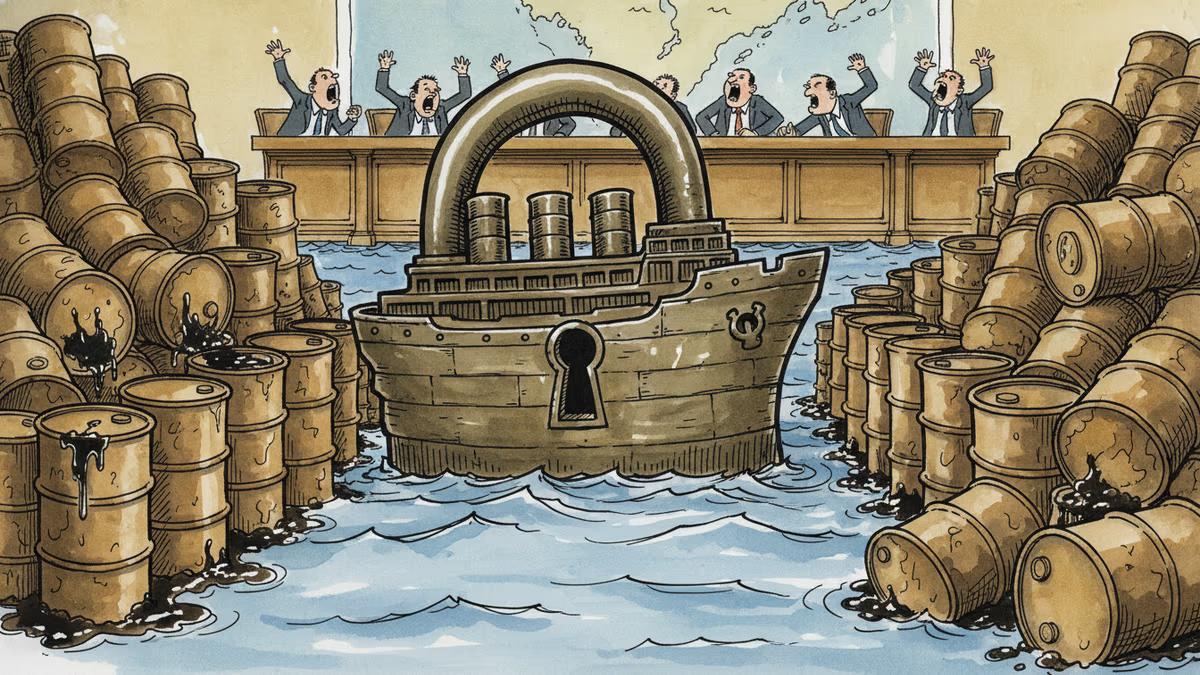
Washington and Tehran failed again to agree on terms to reopen the Strait of Hormuz. With 20% of global seaborne oil at stake, every day of deadlock has a price—and consumers are paying it.
Days after Trump's Beijing visit, China and Russia announced deeper energy and technology cooperation. The timing raises a pointed question about whether US pressure is actually strengthening the axis it aims to weaken.
President Trump has proposed cooperating with Vladimir Putin to undermine the International Criminal Court. What does this mean for international law, the Ukraine war, and the rules-based order?
A drone strike on a UAE nuclear power plant sent oil prices up more than 1%. Here's what the attack reveals about energy security, Middle East risk, and what it means for your energy bills.
Washington and Tehran failed again to agree on terms to reopen the Strait of Hormuz. With 20% of global seaborne oil at stake, every day of deadlock has a price—and consumers are paying it.
Thoughts
Share your thoughts on this article
Sign in to join the conversation