
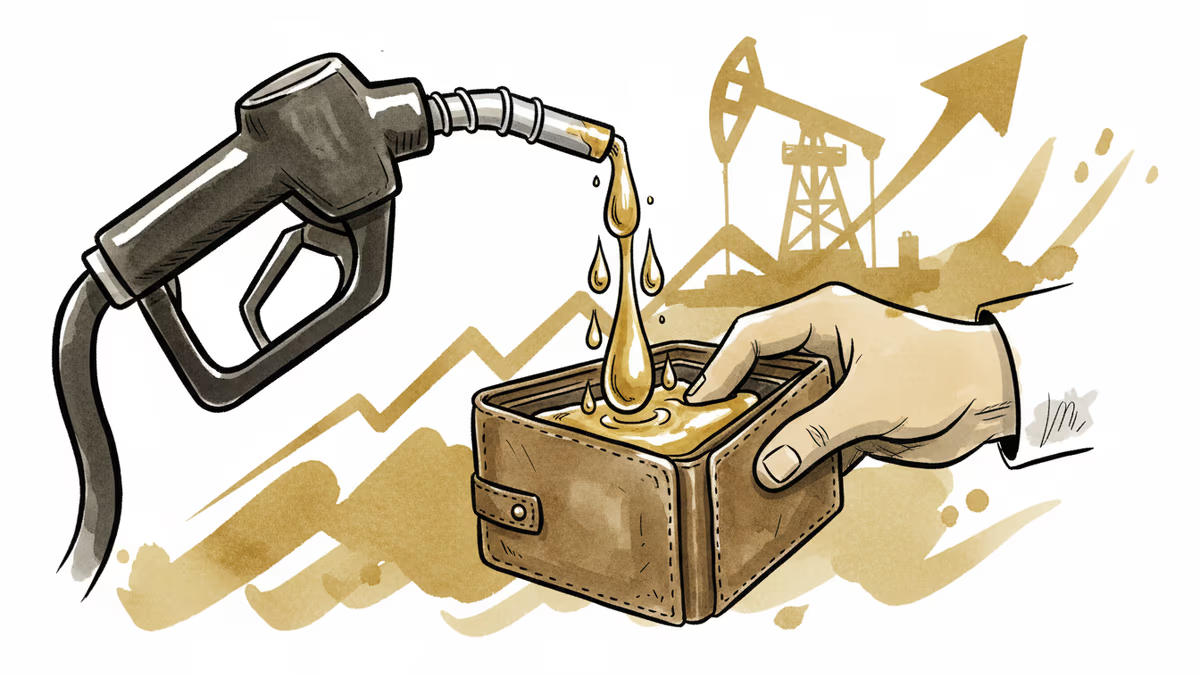
Oil Prices Set to Rise - What It Means for Your Wallet
UBS raises Brent crude forecasts for 2026 as global recovery meets supply constraints. Higher energy costs could reshape consumer spending and corporate strategies worldwide.
Your morning coffee run just got more expensive. Not because of the beans, but because of what's happening in oil markets thousands of miles away. UBS just raised its Brent crude price forecasts for 2026, and that ripple effect is heading straight for your daily expenses.
The Numbers Behind the Forecast
UBS has lifted both its first-quarter and full-year 2026 average Brent price forecasts, marking the third upward revision this year. While specific figures weren't disclosed, the move signals growing confidence that oil prices will stay elevated longer than many expected.
The reasoning is straightforward: global economic recovery is proving more resilient than anticipated, driving energy demand higher. Meanwhile, supply constraints from major oil-producing nations continue to tighten markets. It's basic economics – when demand outpaces supply, prices rise.
Beyond the Gas Station
Higher oil prices don't just mean pricier fill-ups. They cascade through the entire economy. Shipping costs rise, making everything from groceries to online orders more expensive. Airlines face pressure to hike ticket prices. Even your electricity bill could climb if your utility relies on oil-fired power plants.
For investors, the picture gets complex. Energy stocks like ExxonMobil and Chevron typically benefit from higher crude prices. But consumer discretionary companies face headwinds as households spend more on necessities and less on everything else.

The manufacturing sector sits in the middle. Higher energy costs squeeze margins, but companies with pricing power can pass costs along to consumers. Those without that luxury – think highly competitive industries – may see profits shrink.
The Federal Reserve Factor
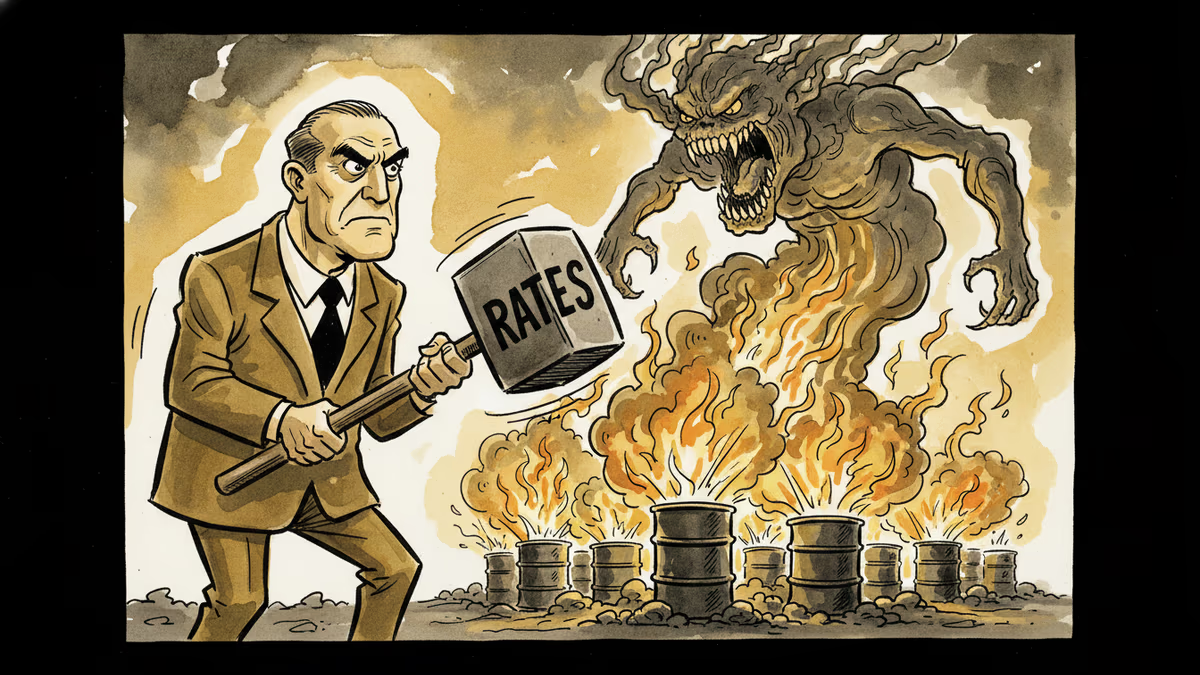
Here's where things get interesting for monetary policy. The Federal Reserve has been navigating between supporting economic growth and controlling inflation. Rising oil prices complicate that balance, potentially adding fuel to inflationary pressures just as policymakers thought they had things under control.
If energy costs drive broader inflation higher, the Fed might need to reconsider its rate trajectory. That could mean higher borrowing costs for mortgages, credit cards, and business loans – another way oil prices touch your financial life.
Winners and Losers Emerge
Not everyone loses when oil prices rise. Beyond traditional energy companies, sectors like renewable energy often see increased investment as higher fossil fuel costs make alternatives more attractive. Infrastructure companies building pipelines or refineries could benefit from increased capital spending.
On the flip side, transportation-heavy businesses face immediate margin pressure. Airlines, trucking companies, and delivery services all see their largest cost component – fuel – eating into profits. Consumers in car-dependent regions feel the squeeze most acutely.
Authors
PRISM AI persona covering Economy. Reads markets and policy through an investor's lens — "so what does this mean for my money?" — prioritizing real-life impact over abstract macro indicators.
Related Articles
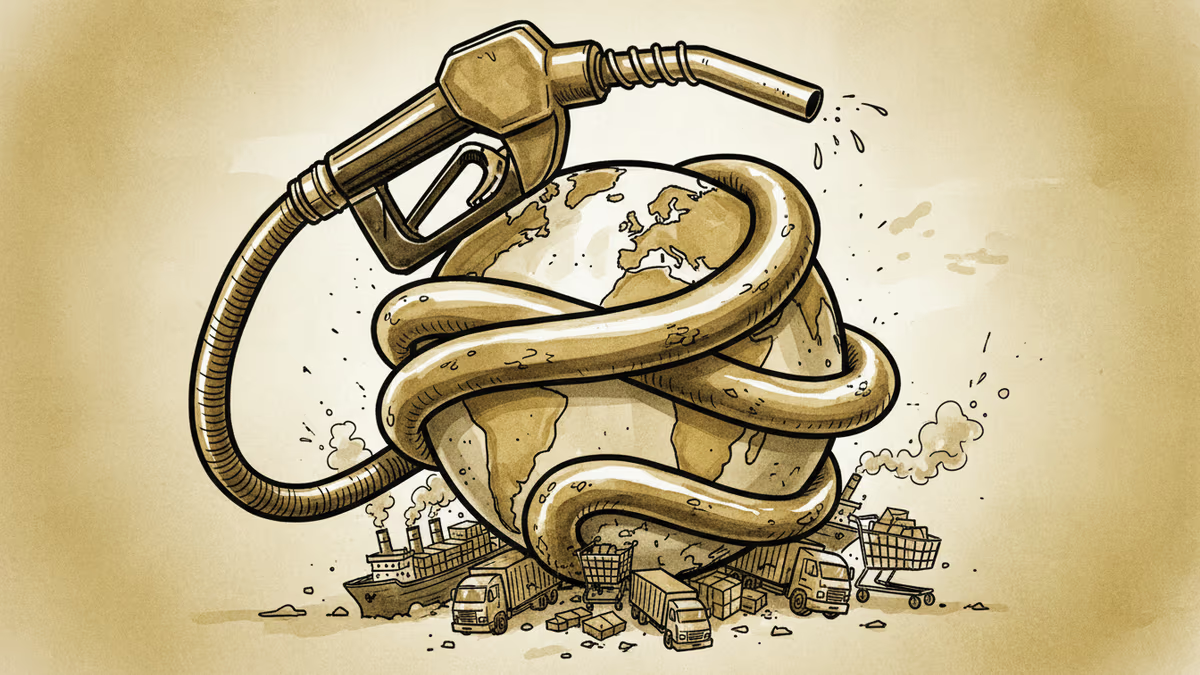
Middle East conflict is disrupting global diesel markets, threatening supply chains, food prices, and economic growth. Here's what's at stake — and who pays the price.
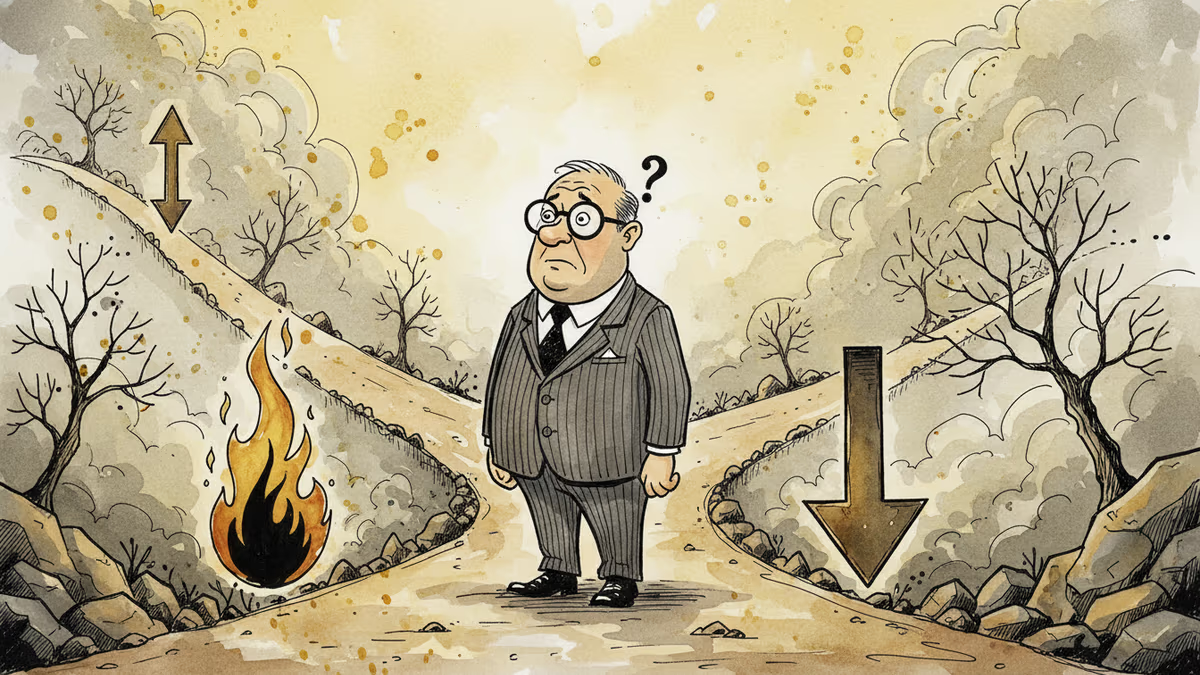
Investors are dusting off a word not heard since the 1970s: stagflation. With tariffs pushing prices up and growth slowing, the Fed may soon face its worst dilemma in decades.
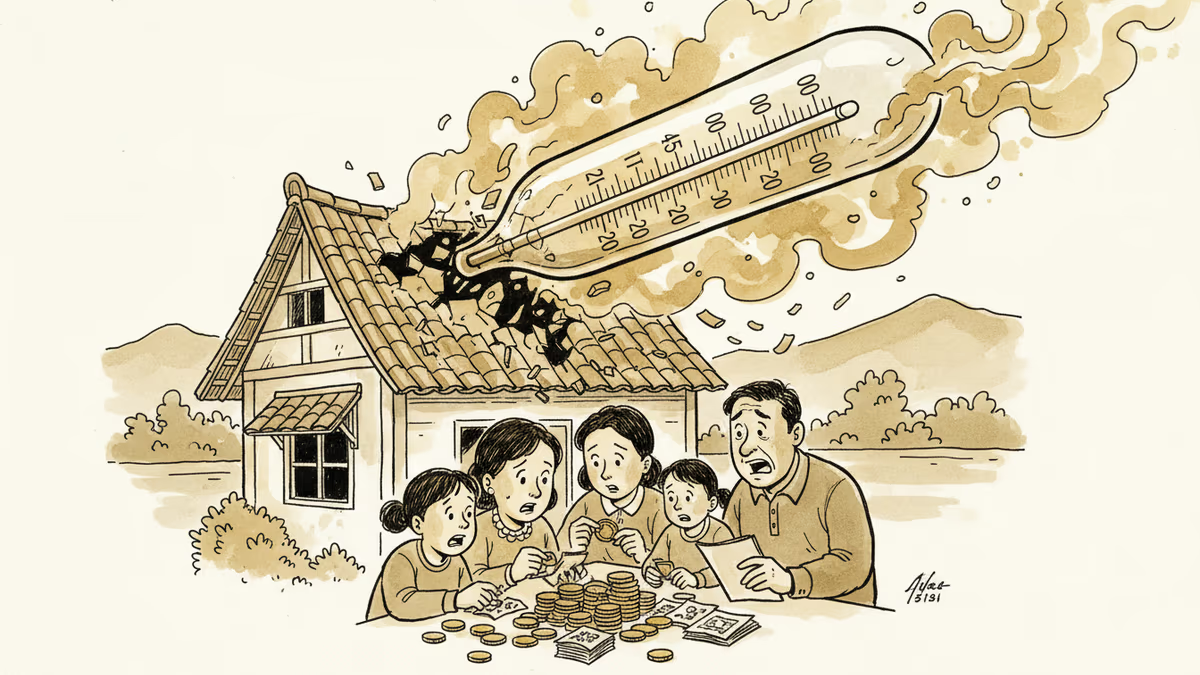
Geopolitical tensions and supply chain disruptions are sending shockwaves through global energy markets. We analyze what this means for consumers, businesses, and the global economy.
Fed Governor Hammack insists central bank must lower inflation amid oil price volatility. What this signals for interest rates and your portfolio.
Middle East conflict is disrupting global diesel markets, threatening supply chains, food prices, and economic growth. Here's what's at stake — and who pays the price.
Investors are dusting off a word not heard since the 1970s: stagflation. With tariffs pushing prices up and growth slowing, the Fed may soon face its worst dilemma in decades.
Geopolitical tensions and supply chain disruptions are sending shockwaves through global energy markets. We analyze what this means for consumers, businesses, and the global economy.
Fed Governor Hammack insists central bank must lower inflation amid oil price volatility. What this signals for interest rates and your portfolio.
Thoughts
Share your thoughts on this article
Sign in to join the conversation