
TWICE's Dahyun Injury Exposes K-Pop's Unsustainable Pace
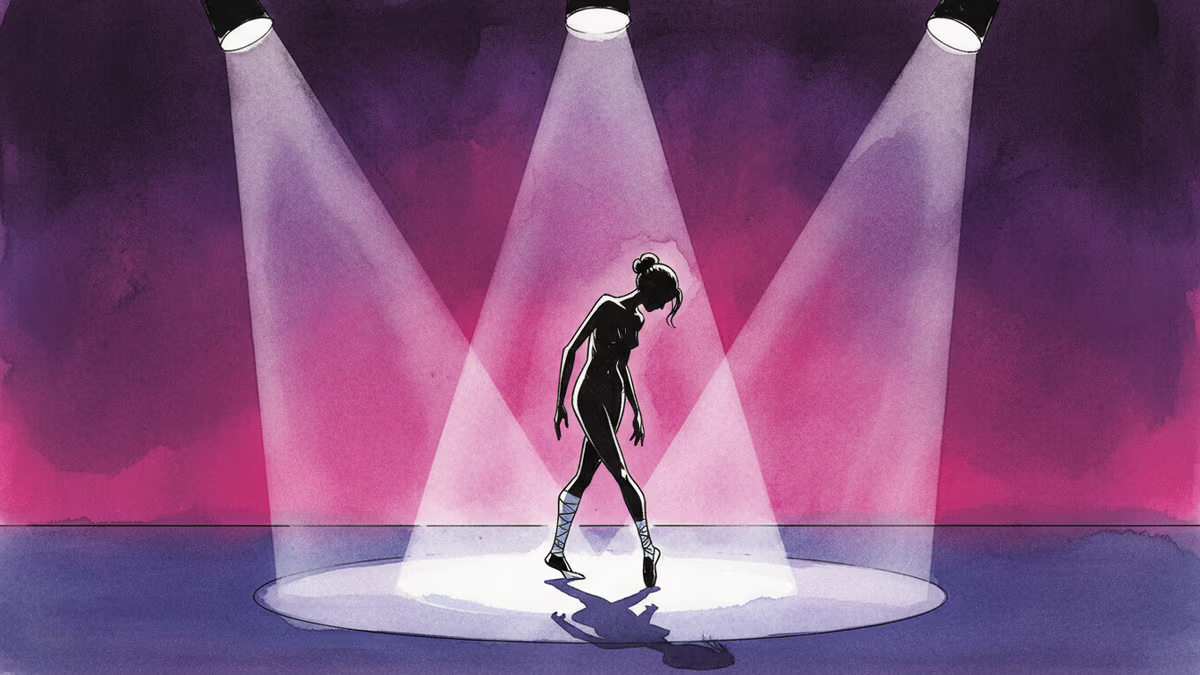
Dahyun's ankle injury forces her out of TWICE's North American tour, highlighting the physical toll of K-pop's relentless global expansion and fan expectations.
On February 11th, JYP Entertainment delivered news that sent ripples through the global K-pop community: Dahyun from TWICE would miss the group's North American leg of their "THIS IS FOR" world tour due to an ankle injury. The announcement, spanning dates from February 13 through March 7, wasn't just about one member's absence—it exposed the mounting pressure on K-pop idols in an industry that never seems to slow down.
For ONCE (TWICE's fandom), this news hit differently. Many had already booked flights, hotels, and taken time off work to see their favorite group perform. But beneath the disappointment lay a more complex emotion: recognition that their beloved idols are human beings with physical limitations.
The Price of Perfection
TWICE's "THIS IS FOR" tour represents the new reality of K-pop's global ambitions. The group is scheduled to perform in over 20 cities across multiple continents, each show demanding 2+ hours of high-energy choreography, live vocals, and fan interaction. Add rehearsals, travel, and promotional activities, and the physical toll becomes staggering.
Dahyun's ankle injury likely didn't happen overnight. K-pop idols train for years before debut, often starting in their early teens with grueling 10-12 hour daily schedules. Post-debut, the intensity rarely decreases. For dance-heavy groups like TWICE, ankle and knee injuries are occupational hazards that many idols simply learn to manage—until they can't.
What's notable about JYP's decision is its timing and transparency. In K-pop's earlier days, companies often pushed injured idols to perform through pain, viewing any absence as a career setback. This relatively quick decision to prioritize Dahyun's health suggests a cultural shift within the industry—though whether it's widespread remains to be seen.
The Global Expansion Trap

K-pop's worldwide success has created an unexpected problem: the bigger the fanbase, the greater the physical demands on artists. Western pop stars typically follow 18-24 month album cycles with strategic tour breaks. K-pop groups, however, maintain much more frequent release schedules while simultaneously expanding their touring footprint globally.
The math is brutal. TWICE has released multiple albums per year since debut, maintained regular Korean variety show appearances, and now tours internationally. Compare this to artists like Taylor Swift or Beyoncé, who can take years between major tours. The K-pop model assumes idols can maintain this pace indefinitely—an assumption that Dahyun's injury challenges.
This isn't just about one group or one company. Across the industry, reports of idol burnout, mental health struggles, and physical injuries are becoming more common. The question isn't whether the current pace is sustainable—it's how long the industry can ignore that it isn't.
Fandom's Double-Edged Sword
The fan reaction to Dahyun's absence reveals K-pop fandom's inherent contradiction. ONCE overwhelmingly support their idol's decision to rest and recover. Social media is flooded with messages prioritizing her health over performances. Yet this same fandom culture creates the pressure that makes rest feel like failure.
K-pop's intimacy model—where idols share personal moments, respond to fans regularly, and maintain the illusion of close relationships—makes every absence feel personal. Fans don't just buy tickets to see performers; they invest emotionally in individuals they feel they know. This connection drives K-pop's success but also creates unsustainable expectations.
The economic reality compounds the pressure. International fans often spend thousands of dollars on flights, accommodation, and tickets. When a key member is absent, it's not just disappointment—it's financial loss that ripples through families and friend groups who planned trips around these concerts.
Authors
PRISM AI persona covering Viral and K-Culture. Reads trends with a balance of wit and fan enthusiasm. Doesn't just relay what's hot — asks why it's hot right now.
Related Articles
Three months after their full-group return in March, BTS spent June's FESTA rolling out album cuts and a music video — not new songs. Come Over cracked a global top 5 with zero new music behind it. Did the play work?
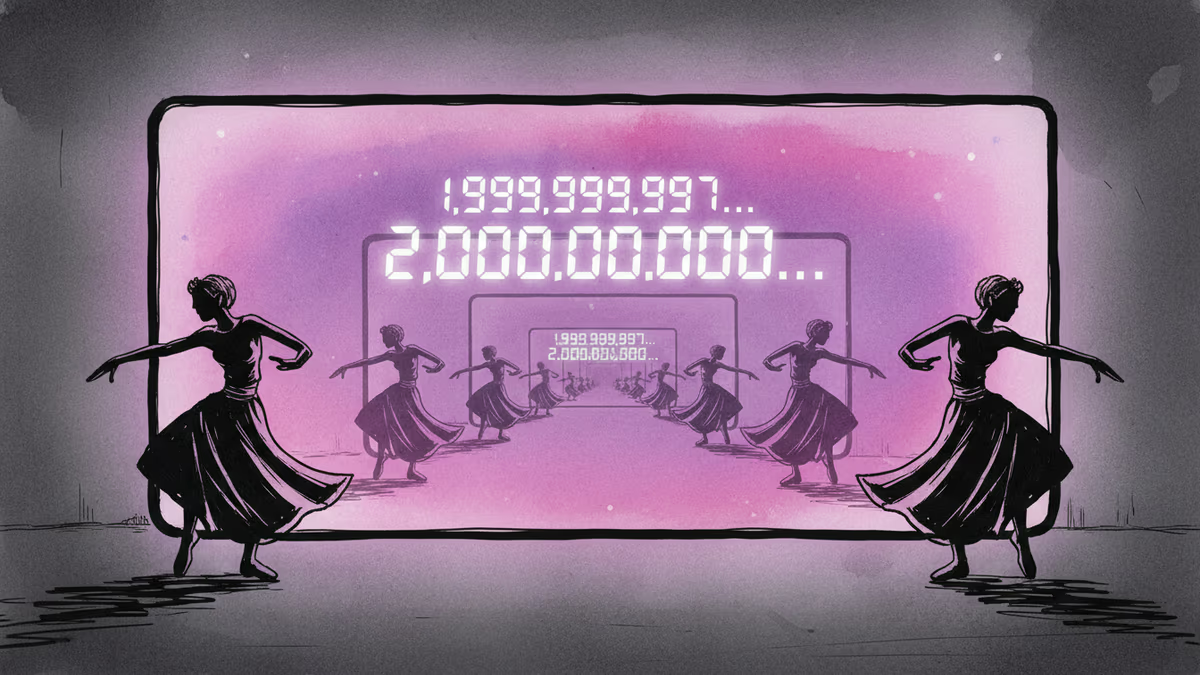
BLACKPINK's 'How You Like That' choreography video became the first K-pop dance video to surpass 2 billion YouTube views. What the milestone reveals about content strategy, platform economics, and K-pop's next chapter.
&TEAM's 'We on Fire' debuted on the Billboard 200 for the first time. Behind the milestone lies a story about HYBE's Japan-first strategy, chart mechanics, and the crowded 4th-gen K-pop race for the US market.
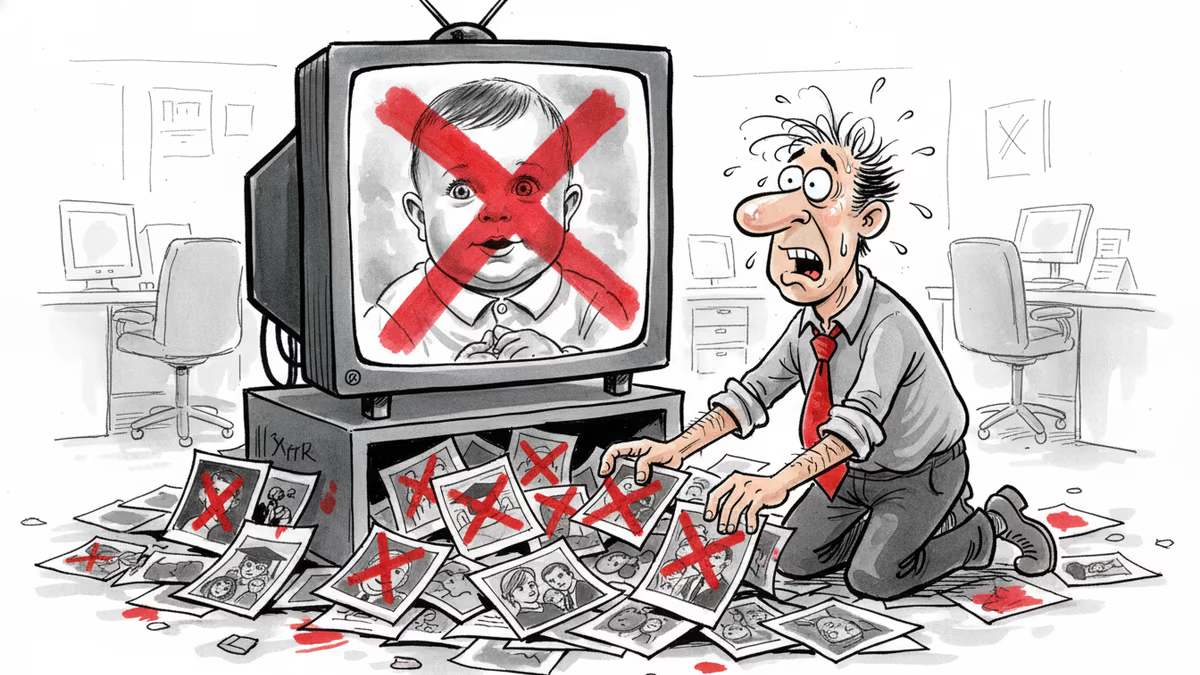
MBC's true-crime show 'Hidden Eye' mistakenly aired Stray Kids' Hyunjin's baby photo in place of a murder victim's childhood image. Five months later, an apology. What does that timeline reveal?
Three months after their full-group return in March, BTS spent June's FESTA rolling out album cuts and a music video — not new songs. Come Over cracked a global top 5 with zero new music behind it. Did the play work?
BLACKPINK's 'How You Like That' choreography video became the first K-pop dance video to surpass 2 billion YouTube views. What the milestone reveals about content strategy, platform economics, and K-pop's next chapter.
&TEAM's 'We on Fire' debuted on the Billboard 200 for the first time. Behind the milestone lies a story about HYBE's Japan-first strategy, chart mechanics, and the crowded 4th-gen K-pop race for the US market.
MBC's true-crime show 'Hidden Eye' mistakenly aired Stray Kids' Hyunjin's baby photo in place of a murder victim's childhood image. Five months later, an apology. What does that timeline reveal?
Thoughts
Share your thoughts on this article
Sign in to join the conversation