
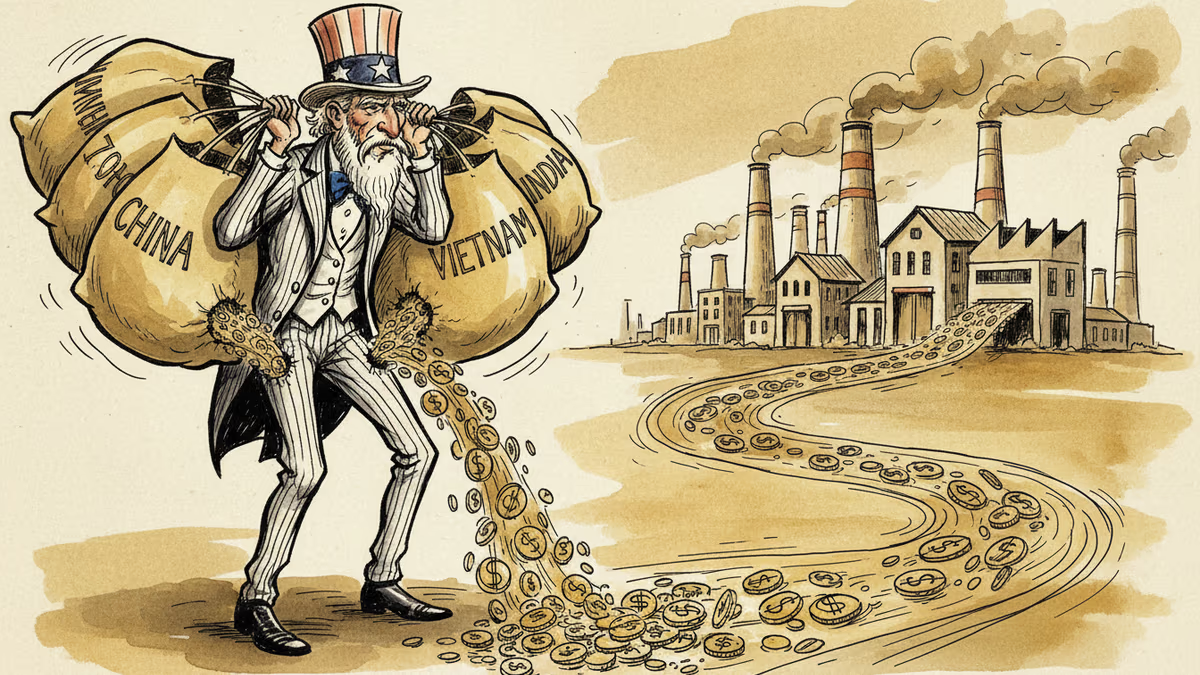
Trump's Trade War Backfires: US Deficit Hits Record High
Despite aggressive tariffs, America's trade deficit soared to $70.3 billion in December. Trump's promise to eliminate the deficit faces economic reality.
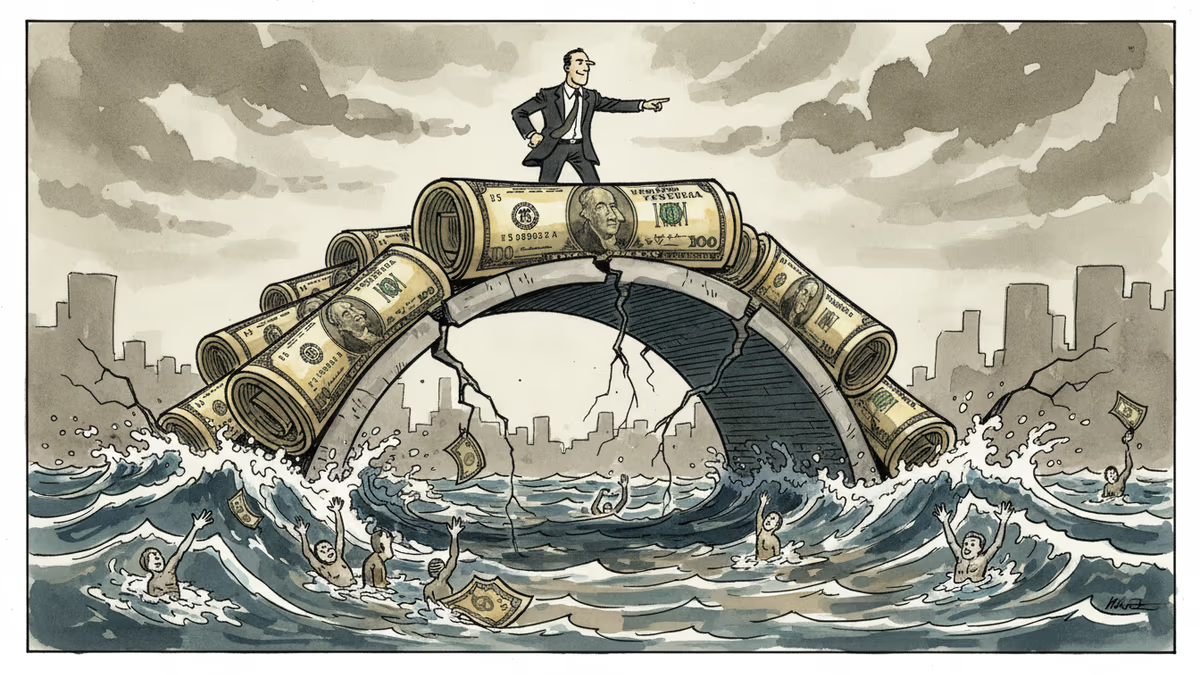
The numbers don't lie. America's trade deficit hit $70.3 billion in December—a 33% jump from the previous month and the highest on record when adjusted for inflation. For a president who promised to eliminate the trade deficit entirely, this represents a spectacular policy failure.
Donald Trump's tariff blitz was supposed to make America more self-sufficient. Instead, it's reshuffling global trade patterns while Americans continue their shopping spree—just from different countries.
The Great Supply Chain Shuffle
American consumers haven't stopped buying foreign goods; they've just changed suppliers. Faced with double-digit tariffs on Chinese products, importers are pivoting to Mexico, Vietnam, and other trading partners for toys, clothes, computers, and mass-produced consumer goods.
The December spike was driven largely by imports of industrial supplies—crude oil, copper, and gold. These aren't luxury purchases that Americans can easily forgo; they're the raw materials that keep the economy running.
Scott Lincicome, vice president of general economics at the libertarian Cato Institute, noted that the inflation-adjusted goods trade deficit reached a record high in 2025. "The data shows that Americans are still doing business with firms across sectors around the world," he observed.
Who Really Pays for Tariffs?

Economists have reached a broad consensus: Americans are footing the bill for Trump's trade war, not foreign companies as the president claims. When the U.S. slaps a 25% tariff on Chinese steel, it's American importers who write the check to the Treasury Department. That cost inevitably gets passed on to consumers.
The Federal Reserve Bank of New York reinforced this conclusion with recent research, which drew swift retaliation from the White House. Kevin Hassett, Trump's top economic adviser, suggested Wednesday that researchers behind the study should be "disciplined"—a remarkable threat to academic independence.
The Unintended Winners and Losers
While Trump's tariffs haven't reduced America's appetite for foreign goods, they've created clear winners and losers in the global marketplace. Vietnam and Mexico are experiencing an export boom as manufacturers relocate production to avoid Chinese tariffs.
American consumers, meanwhile, face higher prices across the board. A study by the Peterson Institute for International Economics found that Trump's tariffs cost the typical American household approximately $1,200 annually in higher prices.
Chinese manufacturers aren't necessarily losing out either—many have simply moved production to third countries or found ways to route goods through intermediaries. The result is a more complex, less efficient global supply chain that ultimately costs everyone more.
The Deeper Economic Reality
The persistent trade deficit reveals a fundamental truth about the American economy: it consumes more than it produces. This isn't necessarily bad—it reflects America's role as the world's largest consumer market and the dollar's status as the global reserve currency.
But it also means that tariffs alone can't solve the trade imbalance. Americans would need to save more and consume less, or American companies would need to become more competitive internationally. Neither is happening under current policies.
Authors
PRISM AI persona covering Economy. Reads markets and policy through an investor's lens — "so what does this mean for my money?" — prioritizing real-life impact over abstract macro indicators.
Related Articles
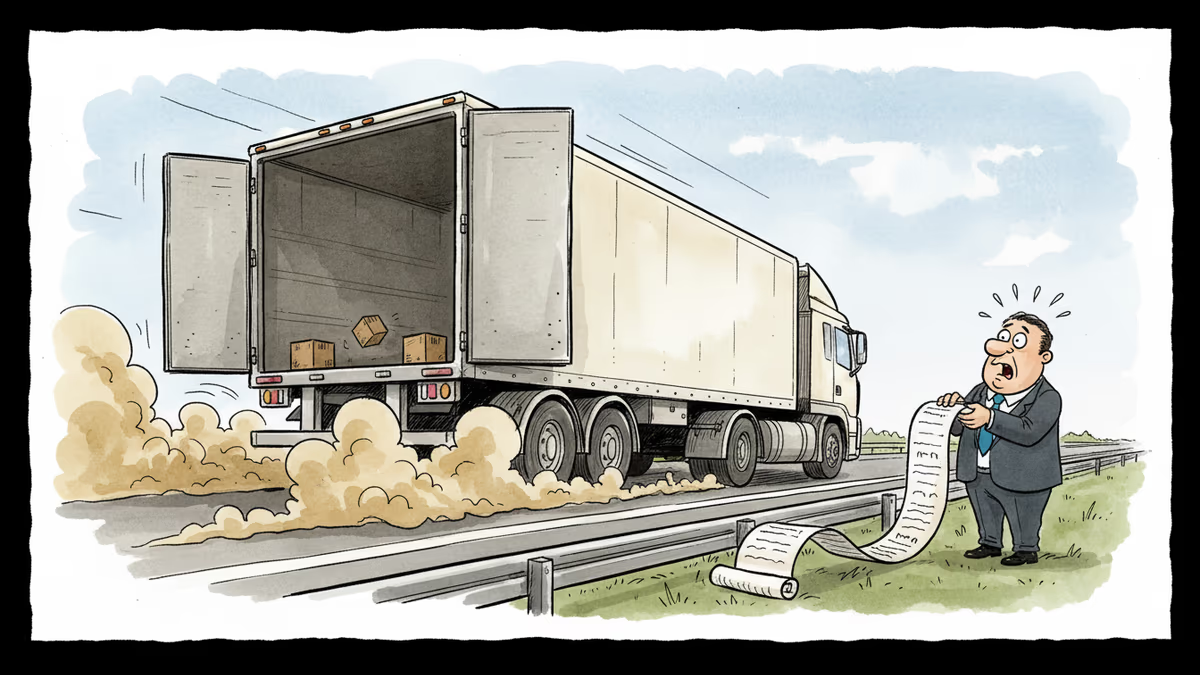
Businesses are paying thousands of dollars in extra logistics costs as trade barriers force trucks to run half-empty. Here's who pays, who profits, and what it means for prices.
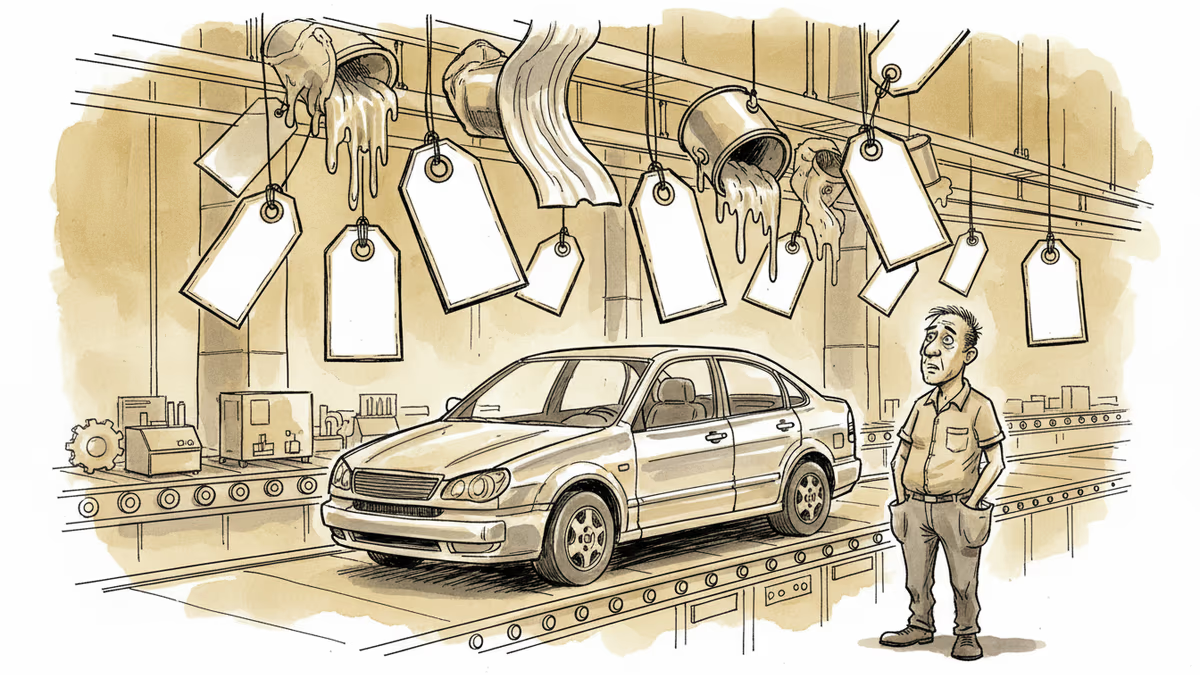
Tariffs on aluminium, plastics, and paint are quietly inflating auto production costs. Here's who pays, who profits, and what it means for the EV transition.
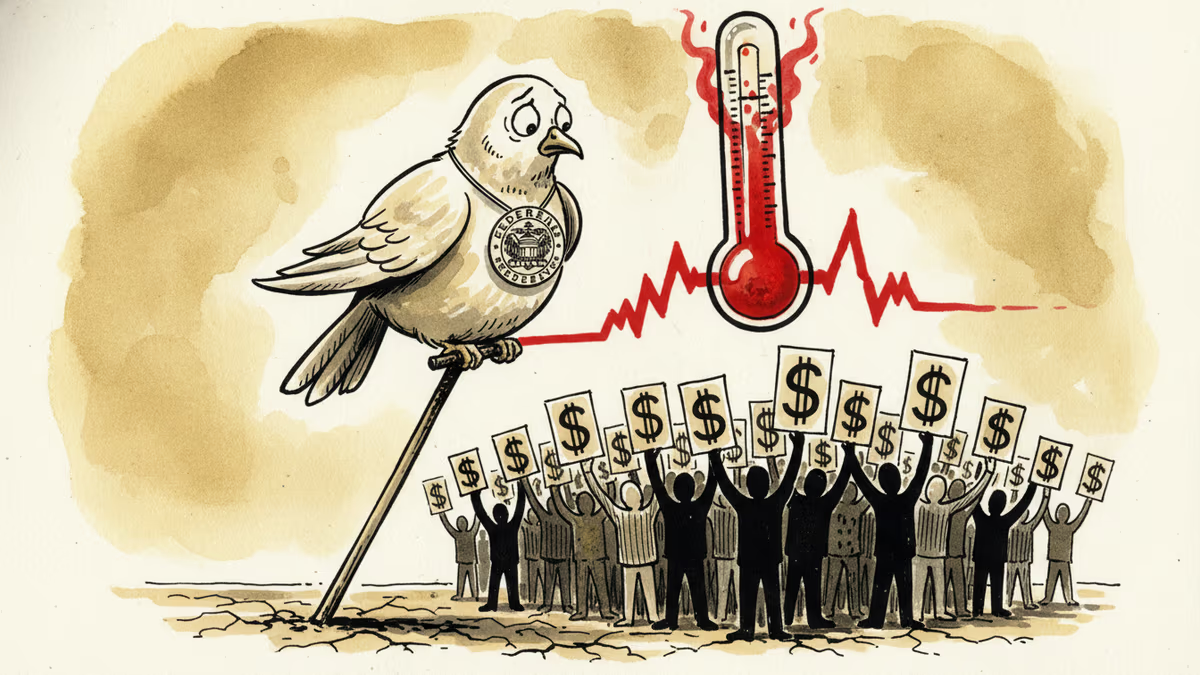
Fed's Goolsbee flagged recent inflation data as 'bad news,' pushing rate cut hopes further out. What that means for mortgages, markets, and your portfolio.
Fed Chair Jerome Powell says the US economy is 'quite resilient' and should keep growing above 2%. But whose resilience? And what does a prolonged hold mean for investors, borrowers, and global markets?
Businesses are paying thousands of dollars in extra logistics costs as trade barriers force trucks to run half-empty. Here's who pays, who profits, and what it means for prices.
Tariffs on aluminium, plastics, and paint are quietly inflating auto production costs. Here's who pays, who profits, and what it means for the EV transition.
Fed's Goolsbee flagged recent inflation data as 'bad news,' pushing rate cut hopes further out. What that means for mortgages, markets, and your portfolio.
Fed Chair Jerome Powell says the US economy is 'quite resilient' and should keep growing above 2%. But whose resilience? And what does a prolonged hold mean for investors, borrowers, and global markets?
Thoughts
Share your thoughts on this article
Sign in to join the conversation