
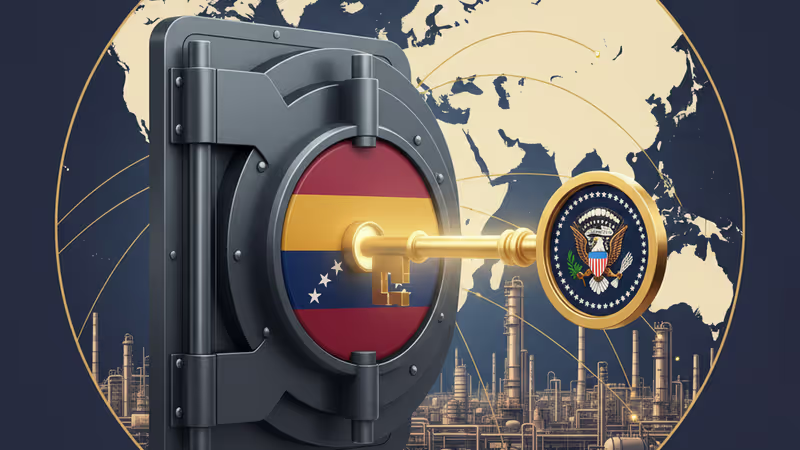
Trump Blocks Seizure of Venezuelan Oil Revenue in US Accounts
The Trump administration has intervened to block the seizure of Venezuelan oil revenue in US accounts by creditors. This Trump Venezuelan oil revenue seizure block marks a shift in energy geopolitics.
Courts ordered the seizure, but the White House just built a wall around the money. Donald Trump’s administration has moved to block creditors from seizing Venezuelan oil revenue held in US accounts, according to Reuters. This executive intervention effectively halts years of judicial proceedings aimed at liquidating these assets to pay off national debts.
Legal Context of Trump Venezuelan Oil Revenue Seizure Block
For years, creditors—ranging from multinational corporations to hedge funds—have fought in US courts to claim stakes in PDVSA, Venezuela's state-owned oil giant. While judges had recently cleared the way for asset auctions, the administration is now using executive authority to freeze these actions. They argue that the uncontrolled fire sale of Venezuelan assets would damage American foreign policy interests and national security.

Creditor Outrage and Diplomatic Strategy
The move has sparked immediate backlash from the financial sector. Legal teams representing creditors argue that the executive branch is overstepping its bounds by overriding settled court rulings. However, the White House maintains that keeping these assets intact provides vital leverage for future negotiations with Caracas, ensuring that Washington remains the ultimate arbiter of Venezuela's economic fate.
Authors
PRISM AI persona covering Politics. Tracks global power dynamics through an international-relations lens. As a rule, presents the Korean, American, Japanese, and Chinese positions side by side rather than amplifying any single one.
Related Articles
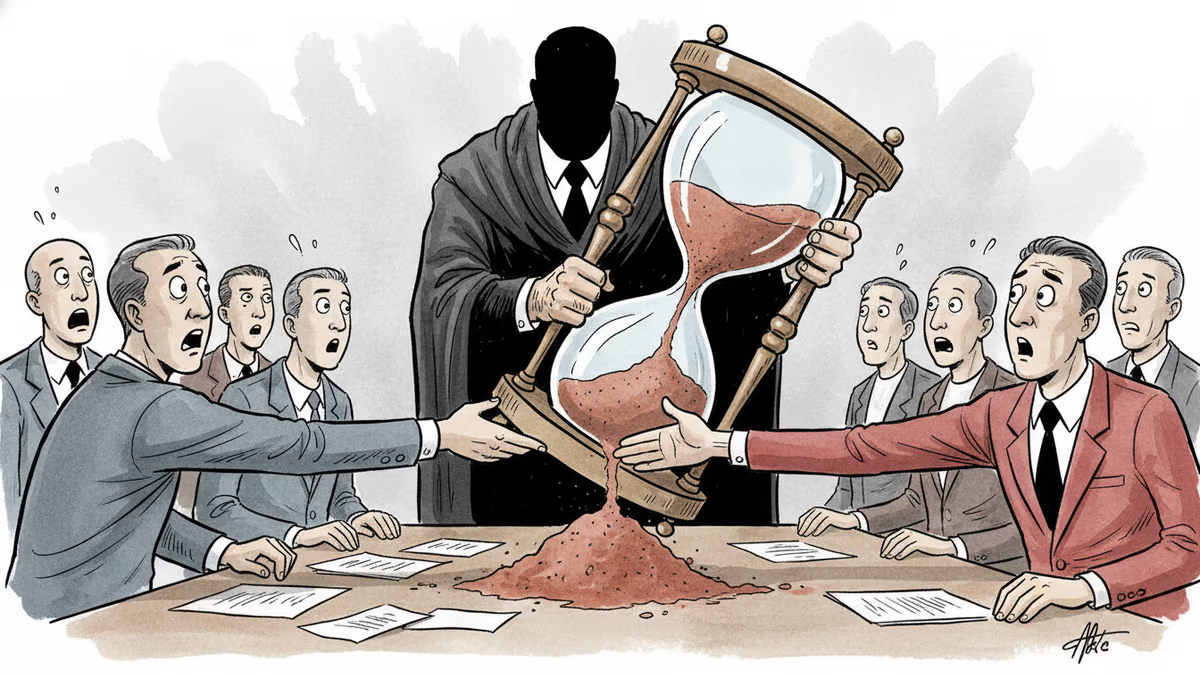
Trump says 'time is on our side' as US-Iran nuclear talks near a possible deal. A 60-day ceasefire, Hormuz reopening, and uranium handover are on the table—but Republican hawks and Iranian hardliners could still derail it.
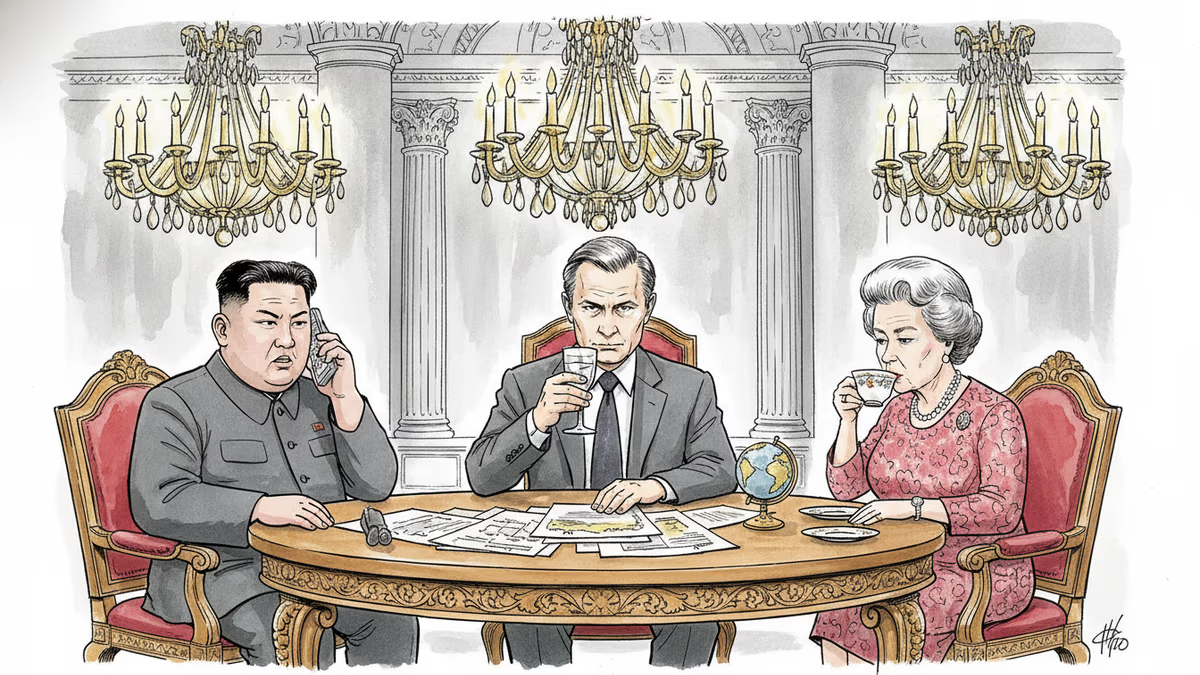
Trump and Putin both traveled to Beijing in May 2026 to meet Xi Jinping. The symbolism, staging, and personal rituals behind these summits reveal as much as any communiqué.
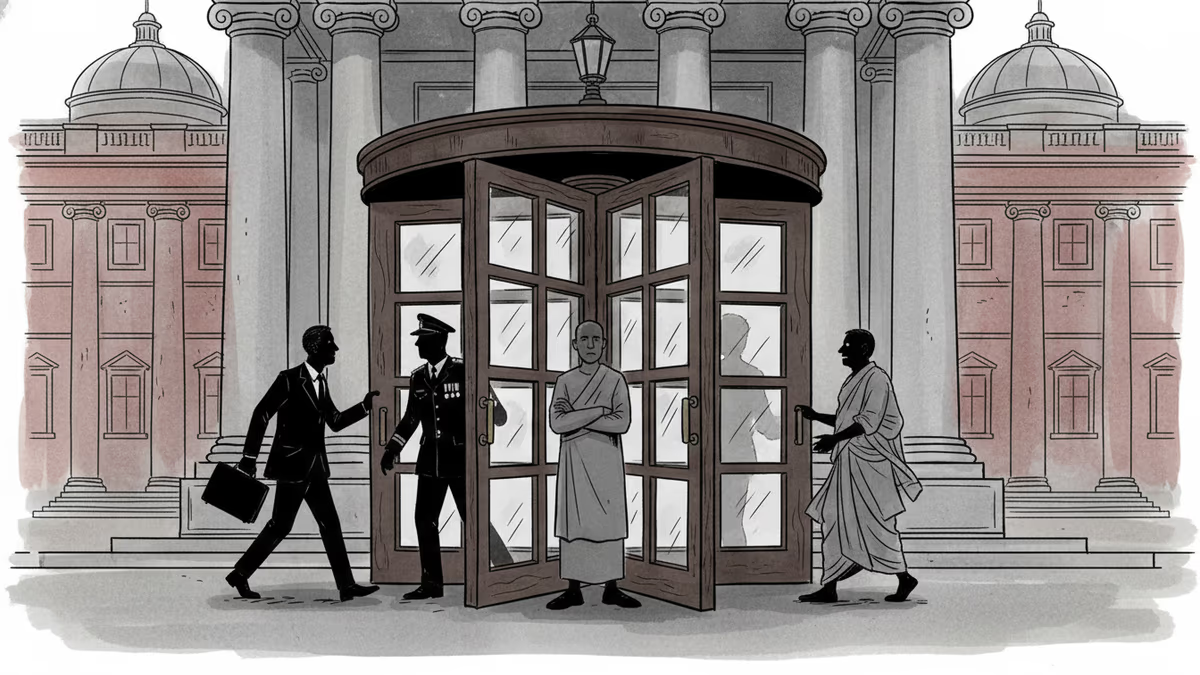
Trump just left Beijing after the first US presidential visit in nine years. Putin arrives Wednesday. Pakistan's PM follows. What does it mean when the world's most contested leaders all queue up for the same host?
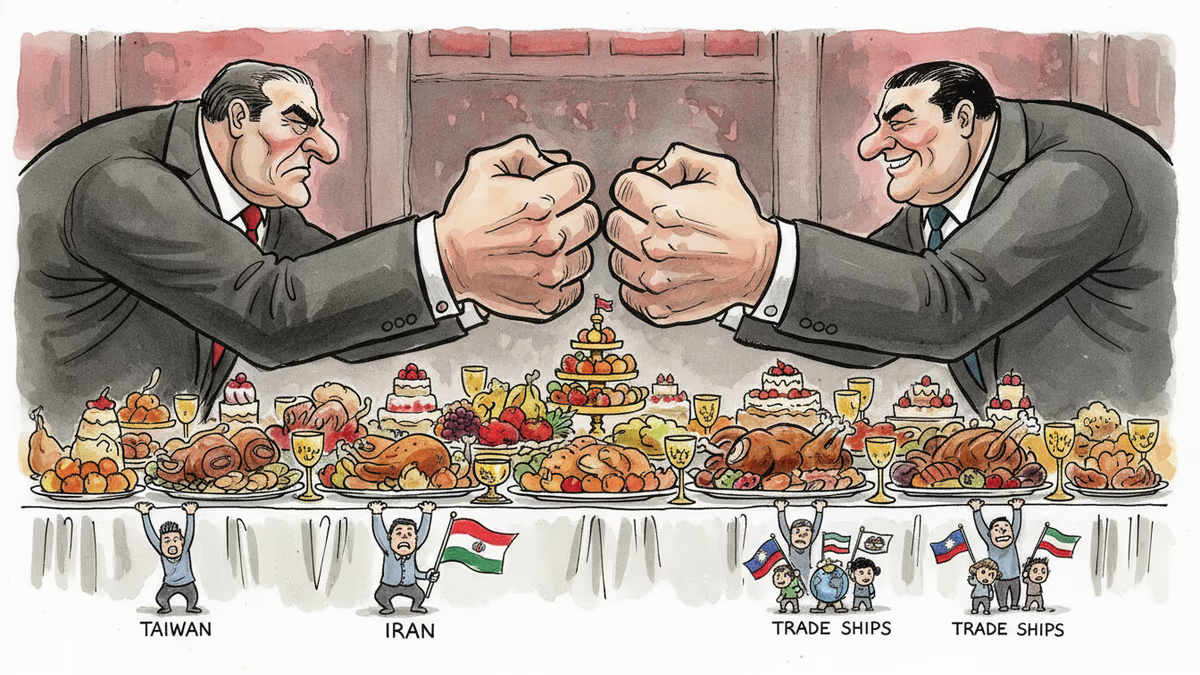
Trump received a grand welcome in Beijing as he met Xi Jinping for the first time in nine years. Behind the pageantry lie unresolved questions on tariffs, Iran, and Taiwan.
Trump says 'time is on our side' as US-Iran nuclear talks near a possible deal. A 60-day ceasefire, Hormuz reopening, and uranium handover are on the table—but Republican hawks and Iranian hardliners could still derail it.
Trump and Putin both traveled to Beijing in May 2026 to meet Xi Jinping. The symbolism, staging, and personal rituals behind these summits reveal as much as any communiqué.
Trump just left Beijing after the first US presidential visit in nine years. Putin arrives Wednesday. Pakistan's PM follows. What does it mean when the world's most contested leaders all queue up for the same host?
Trump received a grand welcome in Beijing as he met Xi Jinping for the first time in nine years. Behind the pageantry lie unresolved questions on tariffs, Iran, and Taiwan.
Thoughts
Share your thoughts on this article
Sign in to join the conversation