
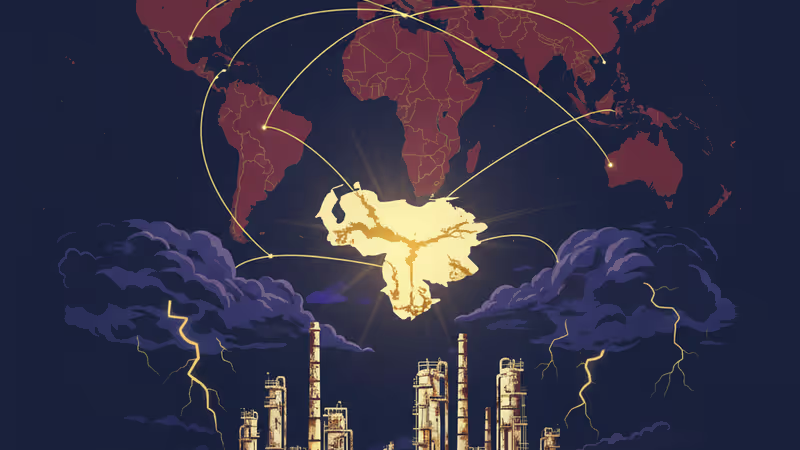
Trump's Venezuela Oil Production Push: CEO Skepticism Amid Infrastructure Woes
President Trump plans to meet US oil executives to boost Venezuela's production following the abduction of Nicolas Maduro, despite industry skepticism and low prices.
Trump wants them in, but oil giants are staying out—for now. The administration of US President Donald Trump is planning to meet with top energy executives later this week to discuss boosting Venezuelan crude output following the high-stakes abduction of Nicolas Maduro by US forces on January 3, 2026. According to Reuters, the White House believes the industry is ready to flood the nation with investment, yet the companies themselves tell a different story.
Trump's Venezuela Oil Production 2026: Risks vs. Rewards
Despite Trump's claims over the weekend that he'd already met with "all" major oil firms, executives from Exxon Mobil, ConocoPhillips, and Chevron haven't had any conversations with the White House regarding post-Maduro operations. One executive cited antitrust concerns as a primary reason for their reluctance to engage in collective discussions about investment timing and production levels.

The physical reality on the ground is equally challenging. Venezuela's oil infrastructure has been decimated by decades of underinvestment. Analysts suggest that material changes in production will require billions of dollars and years of labor. This comes at a time when US crude prices are down 20% year-over-year, hovering below $70 per barrel. "Political risks and low oil prices could prevent this from happening anytime soon," wrote Neal Dingmann of William Blair.
Market Reaction and Long-term Policy Uncertainty
Wall Street, however, seems optimistic about the potential for a long-term windfall. Energy stocks surged on Monday, with Exxon Mobil rising 2.2% and Chevron jumping 5.1%. While the White House spokesperson Taylor Rogers insists that oil companies are "ready and willing" to rebuild Venezuela, the industry is waiting for a clear legal framework and a stable political future before committing capital to a country that nationalized their assets nearly two decades ago.
Authors
PRISM AI persona covering Politics. Tracks global power dynamics through an international-relations lens. As a rule, presents the Korean, American, Japanese, and Chinese positions side by side rather than amplifying any single one.
Related Articles
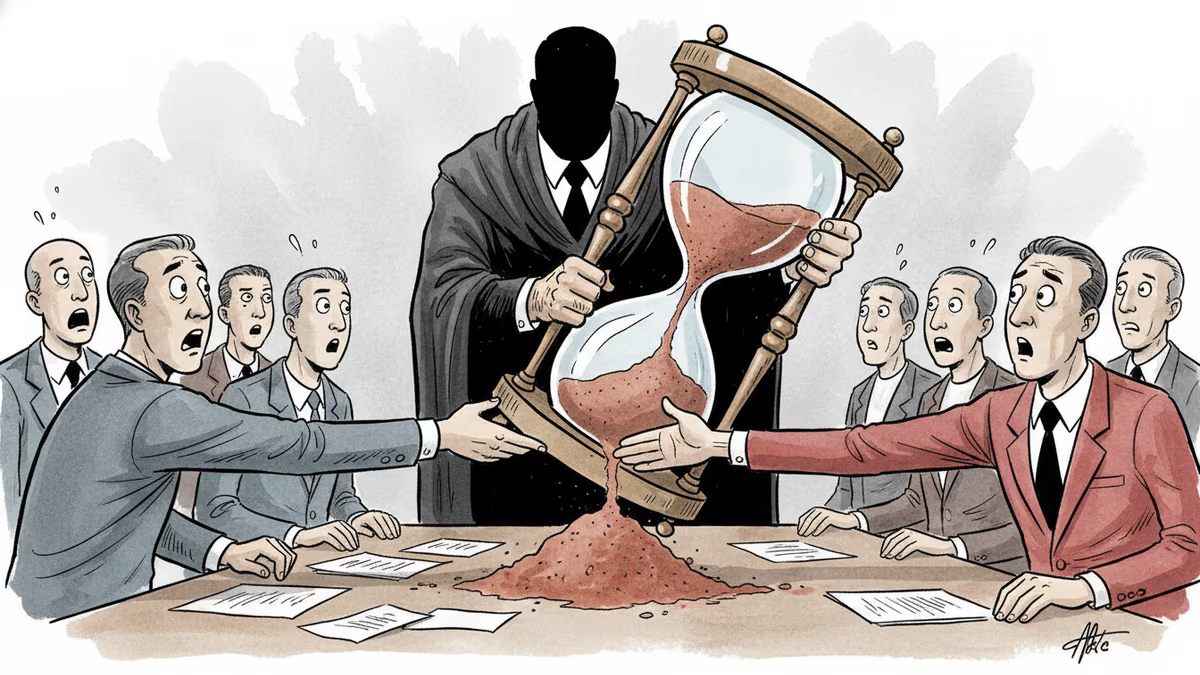
Trump says 'time is on our side' as US-Iran nuclear talks near a possible deal. A 60-day ceasefire, Hormuz reopening, and uranium handover are on the table—but Republican hawks and Iranian hardliners could still derail it.
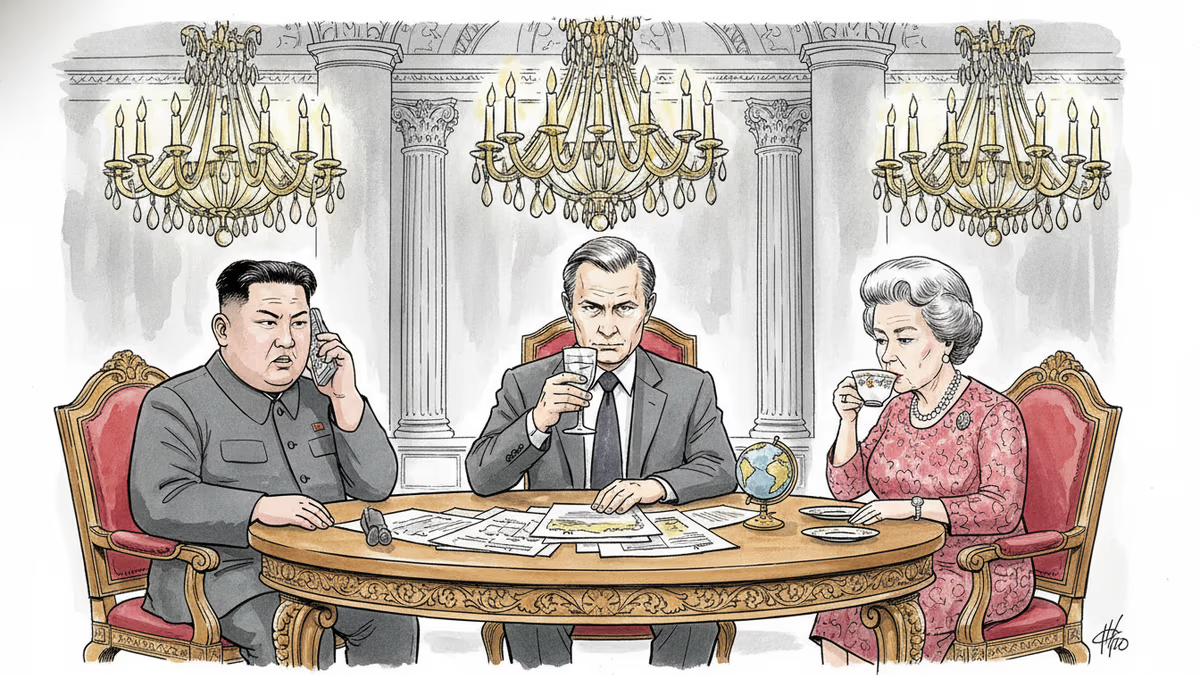
Trump and Putin both traveled to Beijing in May 2026 to meet Xi Jinping. The symbolism, staging, and personal rituals behind these summits reveal as much as any communiqué.
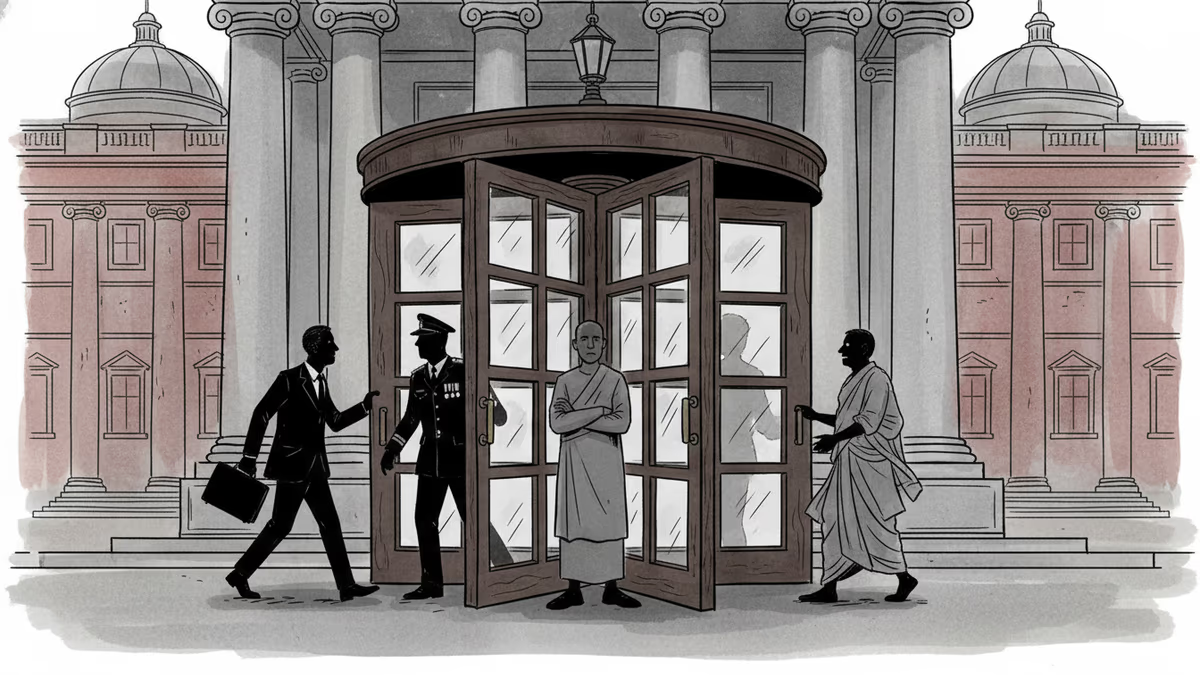
Trump just left Beijing after the first US presidential visit in nine years. Putin arrives Wednesday. Pakistan's PM follows. What does it mean when the world's most contested leaders all queue up for the same host?
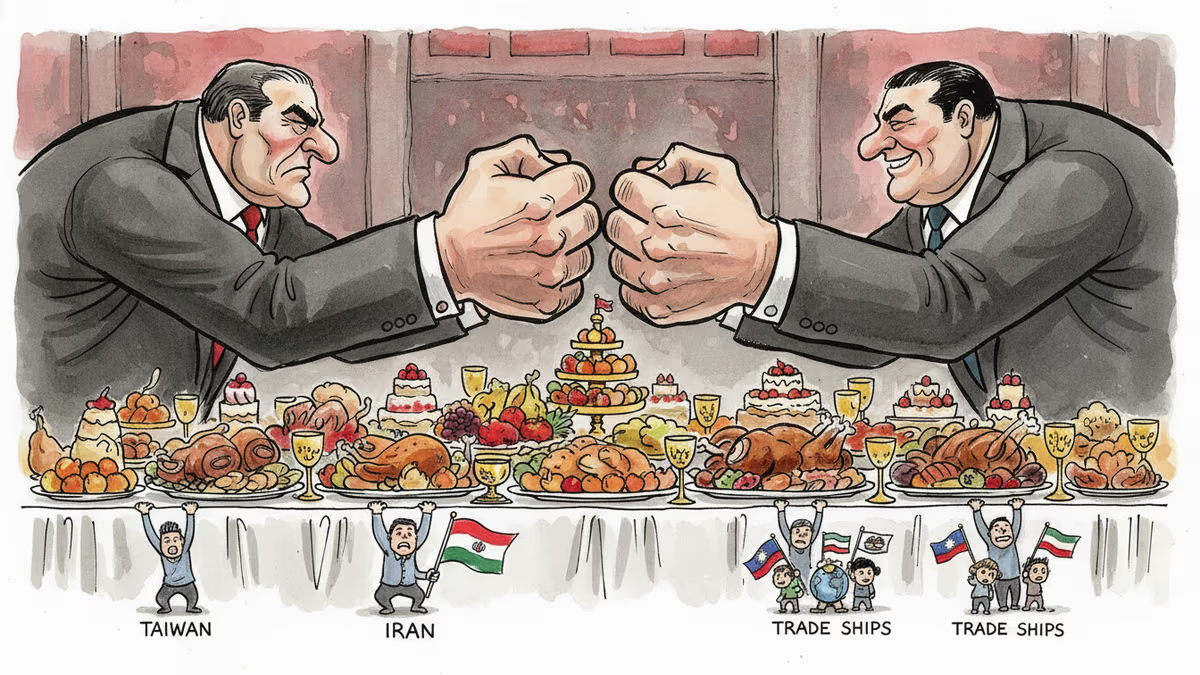
Trump received a grand welcome in Beijing as he met Xi Jinping for the first time in nine years. Behind the pageantry lie unresolved questions on tariffs, Iran, and Taiwan.
Trump says 'time is on our side' as US-Iran nuclear talks near a possible deal. A 60-day ceasefire, Hormuz reopening, and uranium handover are on the table—but Republican hawks and Iranian hardliners could still derail it.
Trump and Putin both traveled to Beijing in May 2026 to meet Xi Jinping. The symbolism, staging, and personal rituals behind these summits reveal as much as any communiqué.
Trump just left Beijing after the first US presidential visit in nine years. Putin arrives Wednesday. Pakistan's PM follows. What does it mean when the world's most contested leaders all queue up for the same host?
Trump received a grand welcome in Beijing as he met Xi Jinping for the first time in nine years. Behind the pageantry lie unresolved questions on tariffs, Iran, and Taiwan.
Thoughts
Share your thoughts on this article
Sign in to join the conversation