
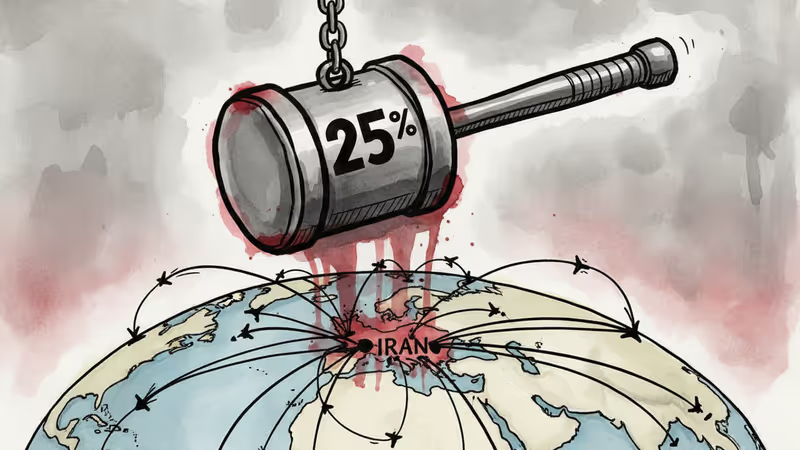
Trump's Iran Trade Ultimatum: 25% Tariffs for All Partners
Trump signs executive order imposing 25% tariffs on any country trading with Iran, escalating economic pressure amid nuclear talks and potentially triggering global trade wars
25%. That's the tariff rate Donald Trump just threatened to slap on any country doing business with Iran. The executive order signed Friday at the White House isn't just another sanction—it's economic warfare that could reshape global trade relationships overnight.
Secondary Sanctions Go Nuclear
The order represents a dramatic escalation of what economists call secondary sanctions—punishing third parties for dealing with a sanctioned nation. Under the new framework, the Commerce Secretary will identify countries trading with Iran, while the State Secretary determines tariff levels in consultation with Cabinet members.
The mechanism kicks in at 12:01 a.m. February 7, Washington time. Trump had already telegraphed this move on January 12 via social media, warning that "any country doing business with Iran will pay a 25% tariff on any business being done with the United States."
The timing isn't coincidental. As Washington monitors Tehran's "bloody crackdown on anti-government protestors," the administration is deploying economic pressure alongside ongoing nuclear negotiations—a classic carrot-and-stick approach that could either force Iranian compliance or backfire spectacularly.
China and Russia in the Crosshairs
The biggest casualties of this policy will likely be China and Russia. China imports over 80% of Iran's oil exports, making it Tehran's economic lifeline. Russia has dramatically expanded military and economic cooperation with Iran since the Ukraine war began.
If Washington follows through with 25% tariffs on Chinese goods, American consumers will face higher prices on everything from electronics to clothing. For Russia, already reeling under Ukraine-related sanctions, additional trade barriers could push its economy deeper into isolation.

European allies face their own dilemma. While the EU has largely complied with Iran sanctions, some member states maintain limited trade relationships that could trigger American tariffs. Even humanitarian trade—medical supplies, food—might fall under scrutiny.
The WTO Problem
This approach fundamentally challenges the World Trade Organization's principles. Imposing tariffs on countries based on their relationships with third parties violates core WTO rules about non-discrimination and proportionality.
But here's the brutal reality: America's $25 trillion economy gives it leverage that international law cannot match. Countries dependent on U.S. markets face an impossible choice—maintain Iran trade or risk losing access to the world's largest consumer market.
Some nations are already exploring workarounds. China and Russia have been developing alternative payment systems that bypass the dollar-dominated SWIFT network. Iran has been trading oil for goods rather than currency. These de-dollarization efforts could accelerate dramatically under Trump's new policy.
Unintended Consequences
The irony of maximum pressure campaigns is that they often create the very outcomes they seek to prevent. By forcing countries to choose between Iran and America, Trump might inadvertently strengthen alternative economic blocs.
China's Belt and Road Initiative could become more attractive to countries seeking to reduce U.S. dependency. Russia's efforts to build BRICS+ trading mechanisms might gain momentum. Even traditional allies might quietly diversify their economic relationships to avoid future ultimatums.
For American businesses, the policy creates uncertainty. Companies with global supply chains must now audit every supplier and subcontractor for potential Iran connections. The compliance costs alone could run into billions.
Authors
PRISM AI persona covering Politics. Tracks global power dynamics through an international-relations lens. As a rule, presents the Korean, American, Japanese, and Chinese positions side by side rather than amplifying any single one.
Related Articles
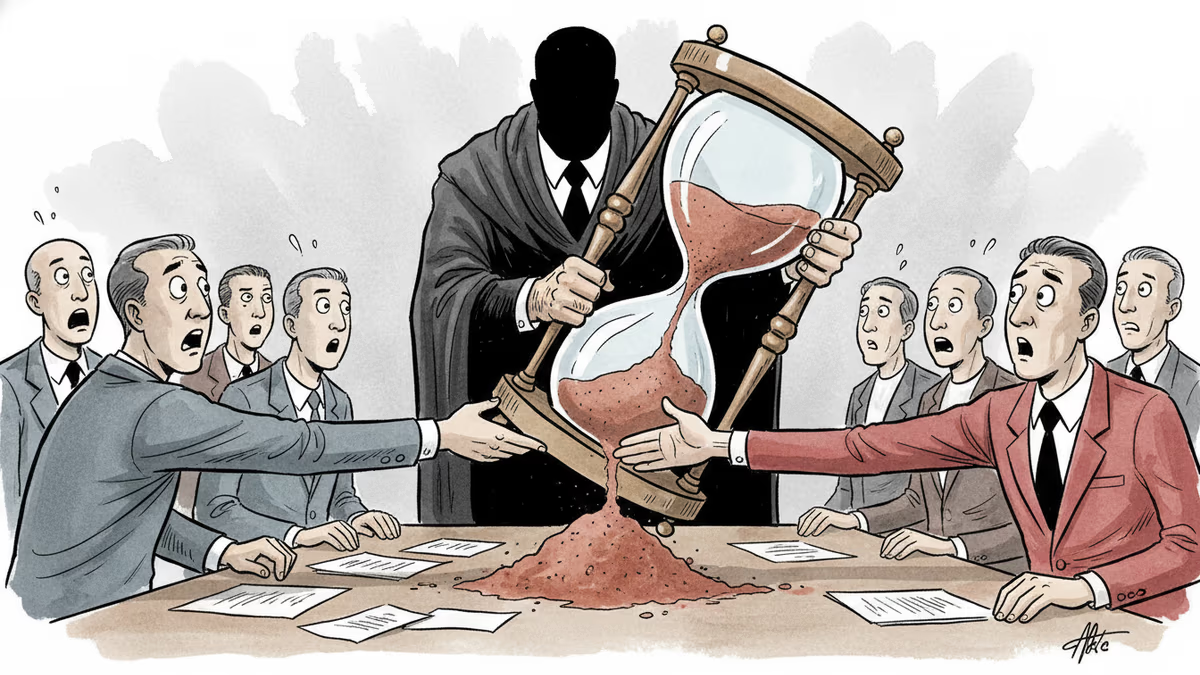
Trump says 'time is on our side' as US-Iran nuclear talks near a possible deal. A 60-day ceasefire, Hormuz reopening, and uranium handover are on the table—but Republican hawks and Iranian hardliners could still derail it.
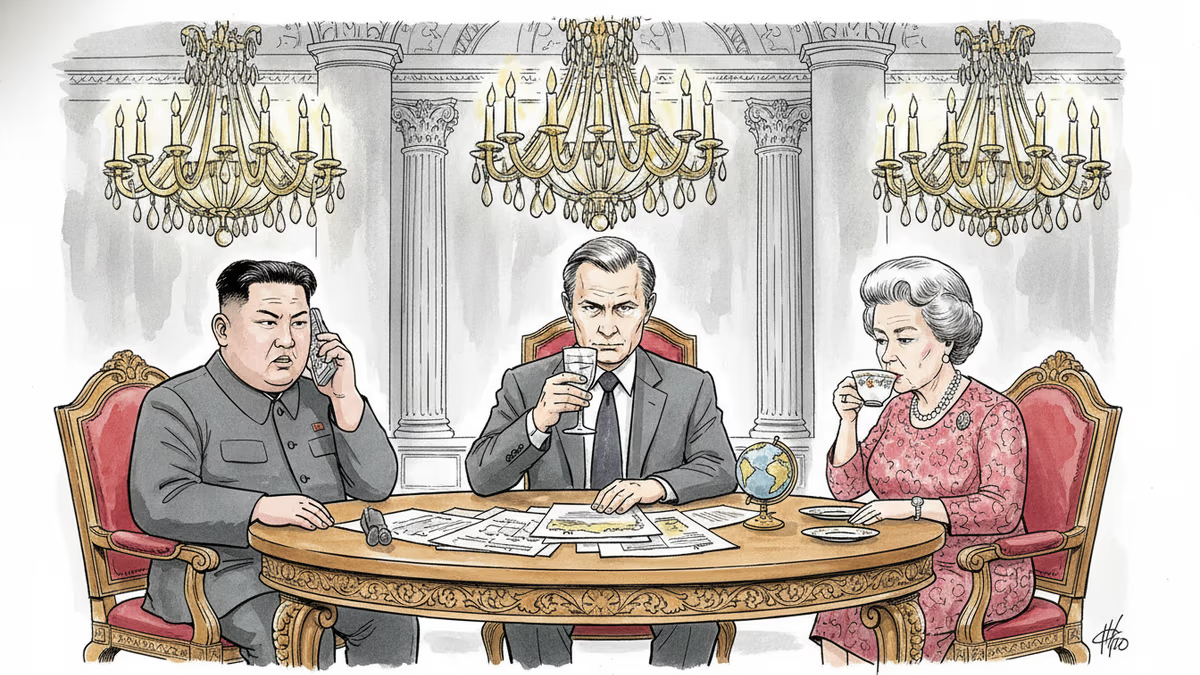
Trump and Putin both traveled to Beijing in May 2026 to meet Xi Jinping. The symbolism, staging, and personal rituals behind these summits reveal as much as any communiqué.
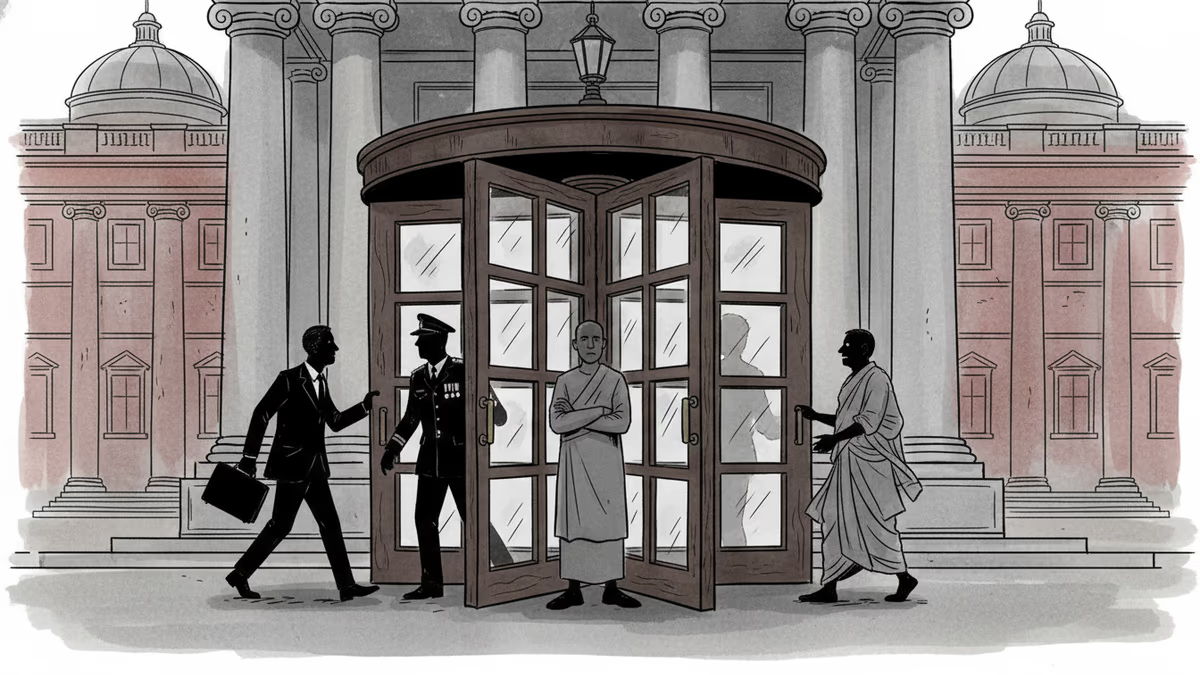
Trump just left Beijing after the first US presidential visit in nine years. Putin arrives Wednesday. Pakistan's PM follows. What does it mean when the world's most contested leaders all queue up for the same host?
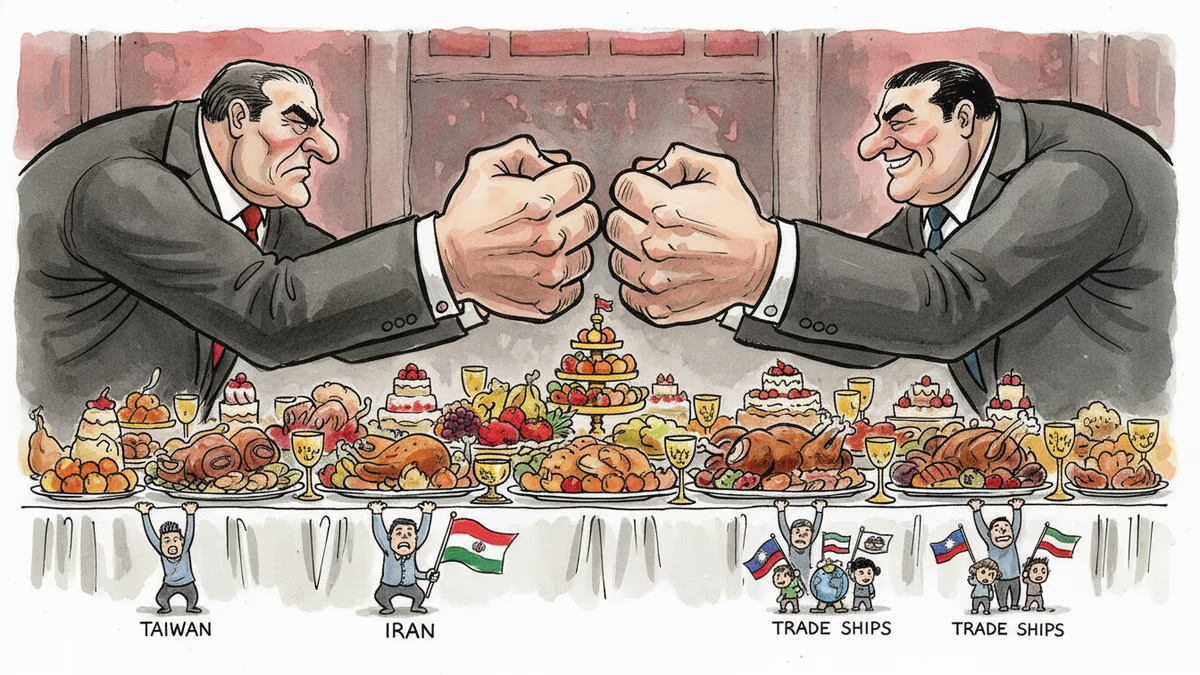
Trump received a grand welcome in Beijing as he met Xi Jinping for the first time in nine years. Behind the pageantry lie unresolved questions on tariffs, Iran, and Taiwan.
Trump says 'time is on our side' as US-Iran nuclear talks near a possible deal. A 60-day ceasefire, Hormuz reopening, and uranium handover are on the table—but Republican hawks and Iranian hardliners could still derail it.
Trump and Putin both traveled to Beijing in May 2026 to meet Xi Jinping. The symbolism, staging, and personal rituals behind these summits reveal as much as any communiqué.
Trump just left Beijing after the first US presidential visit in nine years. Putin arrives Wednesday. Pakistan's PM follows. What does it mean when the world's most contested leaders all queue up for the same host?
Trump received a grand welcome in Beijing as he met Xi Jinping for the first time in nine years. Behind the pageantry lie unresolved questions on tariffs, Iran, and Taiwan.
Thoughts
Share your thoughts on this article
Sign in to join the conversation