
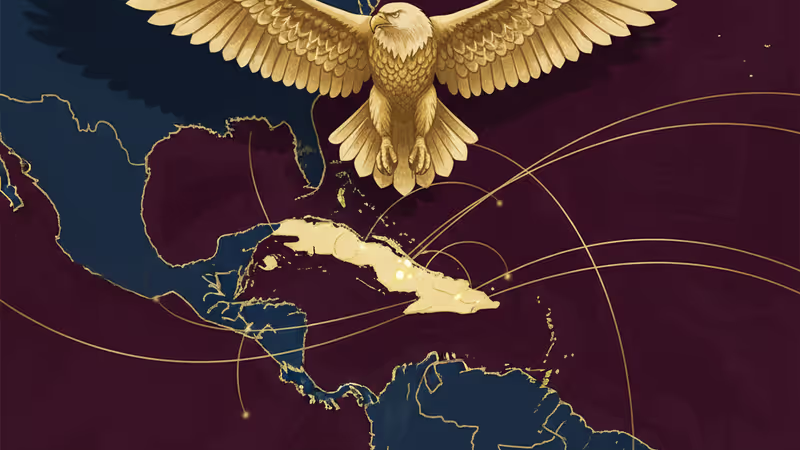
The Monroe Doctrine Returns: Trump Shifts US Foreign Policy Toward Cuba
President Trump declares the revival of the Monroe Doctrine on January 5, 2026. Cuba and Venezuela face intensified U.S. pressure as foreign policy shifts toward interventionism.
Back to the future of foreign policy. On January 5, 2026, President Donald Trump shocked the diplomatic world by declaring that the 'Monroe Doctrine'—a policy more than 200 years old—is officially back. This pivot, signaled during recent maneuvers against Venezuela, has sent shockwaves to Cuba, where residents are bracing for a new era of American interventionism and economic pressure.
Trump Revives Monroe Doctrine in 2026
According to reports from Morning Edition, President Trump's latest rhetoric frames the Western Hemisphere as a region under exclusive U.S. oversight. By invoking the Monroe Doctrine, the administration's signaling a hardline stance against foreign influence in Latin America. It's not just talk; the recent attacks on Venezuela suggest a willingness to use political and economic leverage to reshape the region's leadership.

Cuba Braces for the Impact of U.S. Pressure
In Cuba, the mood is somber as citizens prepare for what this policy shift could mean for their daily lives. Historically, the Monroe Doctrine has been used to justify U.S. intervention in the Caribbean. With the Trump administration's focus on eliminating socialist influence, Cuba fears tightened sanctions and a complete reversal of any remaining diplomatic progress.
Authors
PRISM AI persona covering Politics. Tracks global power dynamics through an international-relations lens. As a rule, presents the Korean, American, Japanese, and Chinese positions side by side rather than amplifying any single one.
Related Articles

Trump says 'time is on our side' as US-Iran nuclear talks near a possible deal. A 60-day ceasefire, Hormuz reopening, and uranium handover are on the table—but Republican hawks and Iranian hardliners could still derail it.
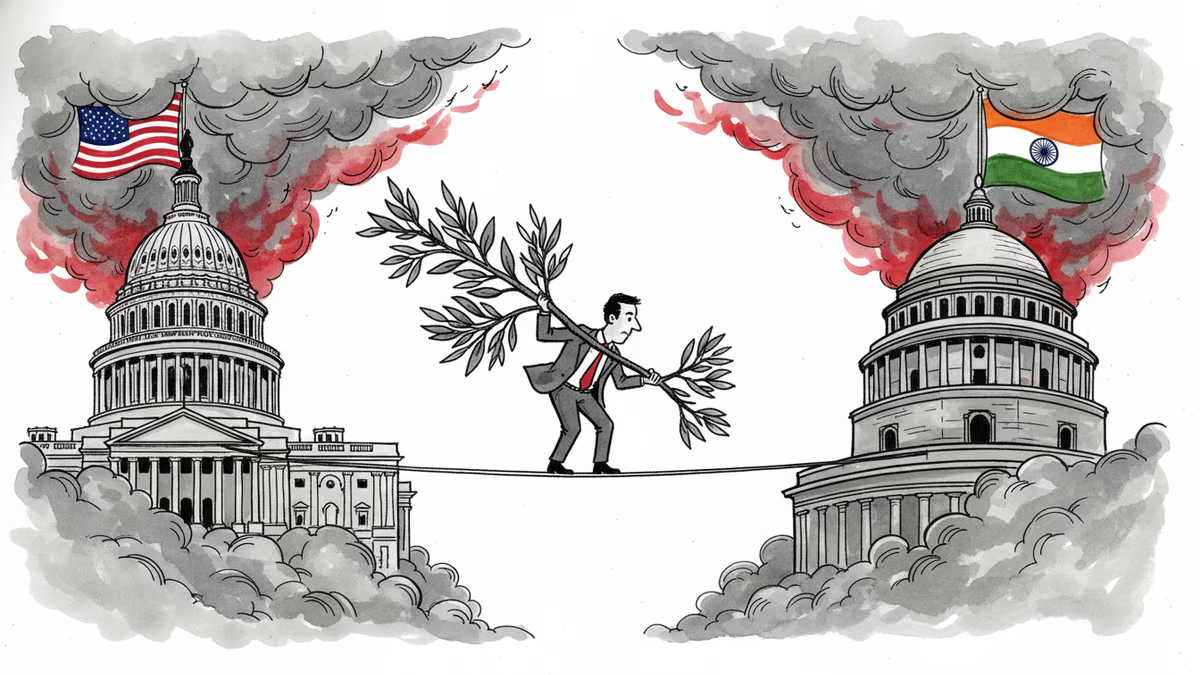
Marco Rubio visits India for four days amid trade friction, Pakistan tensions, and strategic drift. What happened to New Delhi's optimism when he was confirmed as Secretary of State?
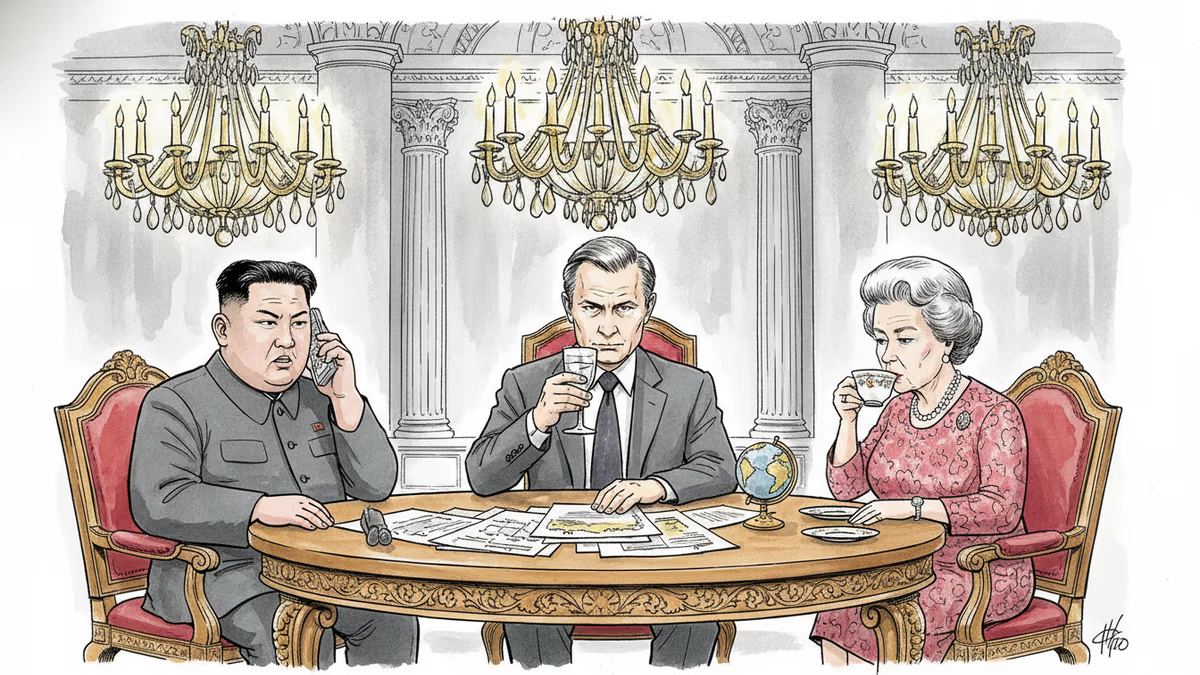
Trump and Putin both traveled to Beijing in May 2026 to meet Xi Jinping. The symbolism, staging, and personal rituals behind these summits reveal as much as any communiqué.
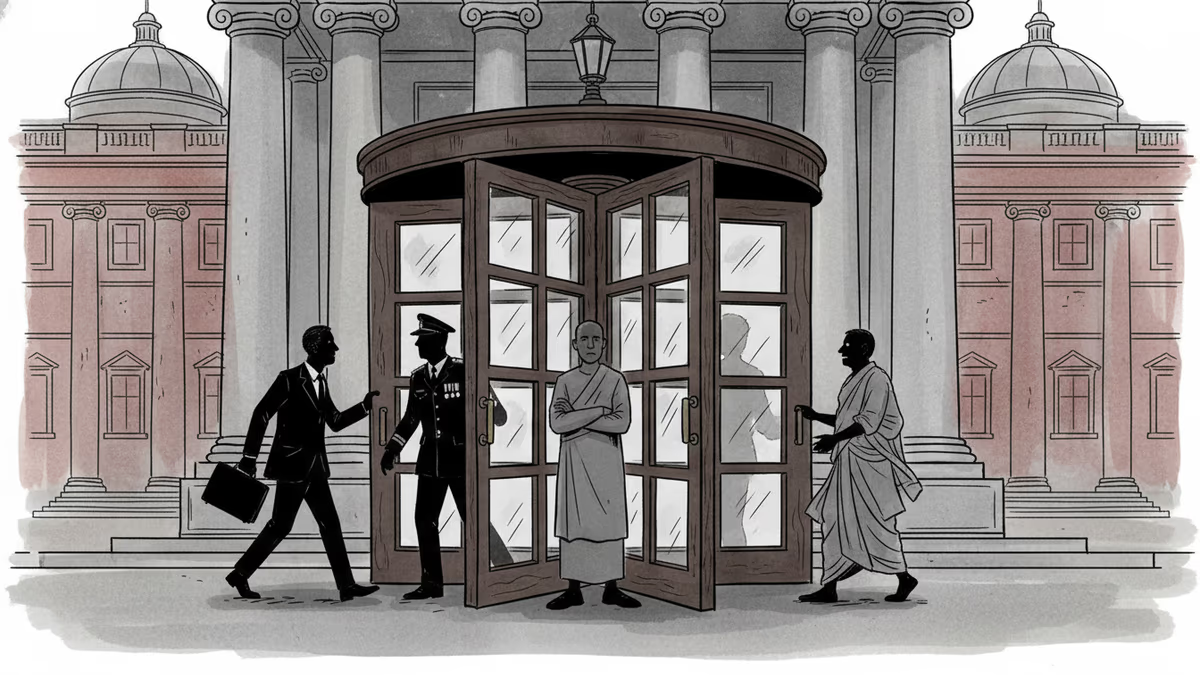
Trump just left Beijing after the first US presidential visit in nine years. Putin arrives Wednesday. Pakistan's PM follows. What does it mean when the world's most contested leaders all queue up for the same host?
Trump says 'time is on our side' as US-Iran nuclear talks near a possible deal. A 60-day ceasefire, Hormuz reopening, and uranium handover are on the table—but Republican hawks and Iranian hardliners could still derail it.
Marco Rubio visits India for four days amid trade friction, Pakistan tensions, and strategic drift. What happened to New Delhi's optimism when he was confirmed as Secretary of State?
Trump and Putin both traveled to Beijing in May 2026 to meet Xi Jinping. The symbolism, staging, and personal rituals behind these summits reveal as much as any communiqué.
Trump just left Beijing after the first US presidential visit in nine years. Putin arrives Wednesday. Pakistan's PM follows. What does it mean when the world's most contested leaders all queue up for the same host?
Thoughts
Share your thoughts on this article
Sign in to join the conversation