
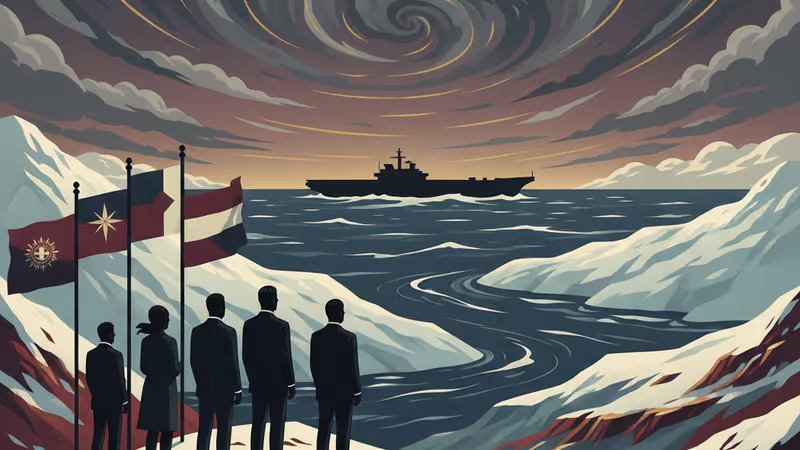
Trump Greenland Threat Withdrawal: How Swiss Remarks Rattled Global Allies
On Jan 22, 2026, President Trump backed off his Greenland force threat. Analyze how his Swiss remarks rattled allies and the world order.
The threat of force is off the table, but the damage to global trust is already done. President Donald Trump has backed off his threat to take Greenland by force. According to reports on January 22, 2026, this retreat follows a period of intense diplomatic friction caused by his highly inflammatory remarks in Switzerland.
Trump Greenland Threat Withdrawal and Allies' Anxiety
While the immediate crisis of military action has subsided, the fallout continues. The President's rhetoric in Switzerland didn't just target a specific territory; it rattled the very pillars of the world order. U.S. allies are now questioning the reliability of security guarantees that have stood for decades.

Policy analysts suggest that the U.S. government's willingness to even mention the use of force for territorial acquisition has created a dangerous precedent. It's a move that echoes eras many thought were long gone, causing a deep sense of unease within NATO and other international coalitions.
Confronting the Erosion of International Norms
The tension regarding Greenland is symptomatic of a broader shift in international relations. Although the administration has stepped back, the message sent to the world remains clear: traditional alliances are increasingly viewed through a transactional lens. This shift threatens to tear down the multilateral systems that have maintained global stability since 1945.
This content is AI-generated based on source articles. While we strive for accuracy, errors may occur. We recommend verifying with the original source.
Related Articles
Trump claims a US-Iran nuclear deal could come within days, following the Israel-Lebanon ceasefire and Iran's reopening of the Strait of Hormuz. What's real, what's posturing, and what's at stake.
Trump says the Strait of Hormuz will open "fairly soon" as the US and Iran head to the negotiating table in Islamabad. But the strait is still blocked — and the gap between words and reality may define what comes next.
Trump's 'civilization will die' warning has reignited tensions across the Middle East. From Pakistan's mediation bid to bread lines in Gaza, here's what's actually at stake.
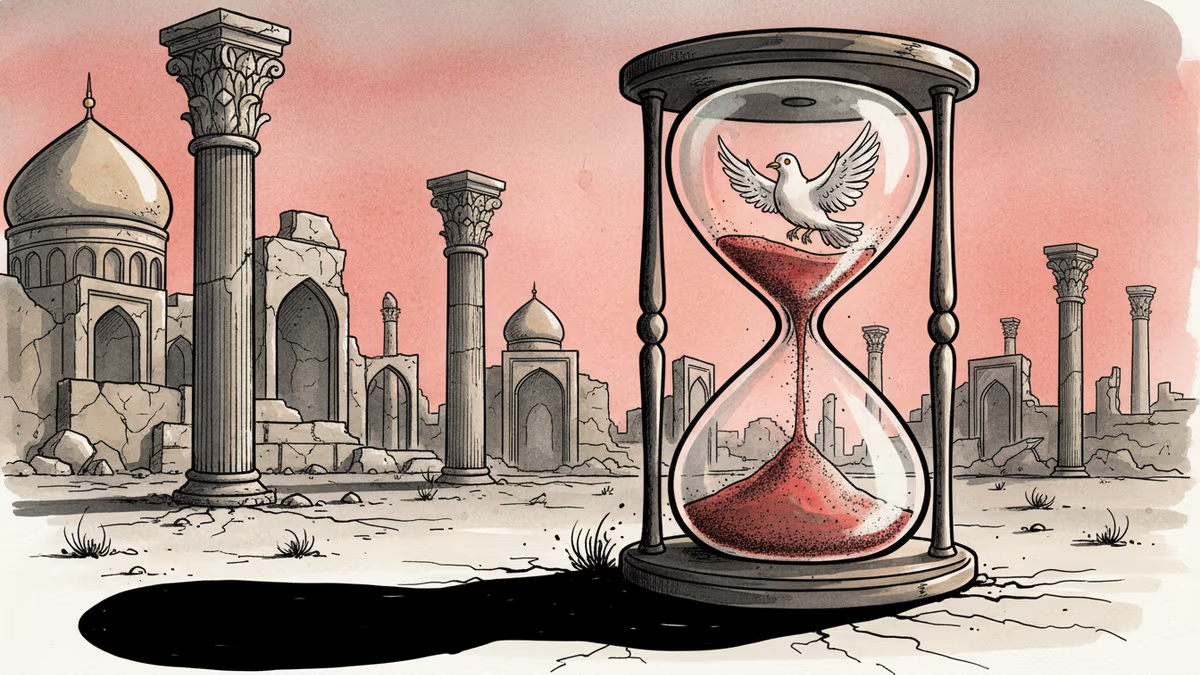
Trump set an 8pm EST deadline for Iran to accept a peace deal, threatening to "wipe out" its civilization. Pakistan stepped in to mediate as the clock ticked down.
Trump claims a US-Iran nuclear deal could come within days, following the Israel-Lebanon ceasefire and Iran's reopening of the Strait of Hormuz. What's real, what's posturing, and what's at stake.
Trump says the Strait of Hormuz will open "fairly soon" as the US and Iran head to the negotiating table in Islamabad. But the strait is still blocked — and the gap between words and reality may define what comes next.
Trump's 'civilization will die' warning has reignited tensions across the Middle East. From Pakistan's mediation bid to bread lines in Gaza, here's what's actually at stake.
Trump set an 8pm EST deadline for Iran to accept a peace deal, threatening to "wipe out" its civilization. Pakistan stepped in to mediate as the clock ticked down.
Thoughts
Share your thoughts on this article
Sign in to join the conversation