

Court Blocks Trump Administration's Attempt to Deport CCDH CEO Imran Ahmed
A federal judge has temporarily blocked the deportation of CCDH CEO Imran Ahmed, following a State Department ban targeting disinformation researchers.
A U.S. green card is no longer a guaranteed shield against political targeting. On December 27, 2025, a federal judge temporarily blocked the Trump administration from arresting or deporting Imran Ahmed, the CEO of the Center for Countering Digital Hate (CCDH). The order came after the State Department barred Ahmed and four other researchers from the United States earlier this week.
Censorship Claims and Radical Labels
Secretary of State Marco Rubio didn't mince words, describing the targeted researchers as "radical activists and weaponized NGOs." According to Rubio, these individuals have led efforts to coerce American platforms like Meta and X to censor and demonetize viewpoints they oppose. It's a sharp escalation in the administration's battle against what it calls the "censorship industrial complex."

Despite being born in the U.K., Ahmed holds a U.S. green card and resides in the States with his American wife and child. In an interview with PBS News, he defended his work, claiming that tech giants are using their "big money" to influence politics and evade accountability. He's previously faced legal pressure from Elon Musk's X, which sued CCDH last year—a case that was dismissed but remains on appeal.
Broader Implications for Tech Research
The administration's move targets five individuals in total. This sets a controversial precedent: using immigration status as a tool to deter non-profit research on platform safety and disinformation. While the government argues it's protecting free speech, critics see it as an attempt to silence those who audit the digital public square.
Authors
Related Articles

The Trump administration has gutted the DOJ's Voting Section, pushing out two dozen experienced lawyers and replacing them with loyalists. With 2026 midterms approaching, what does this mean for American democracy?
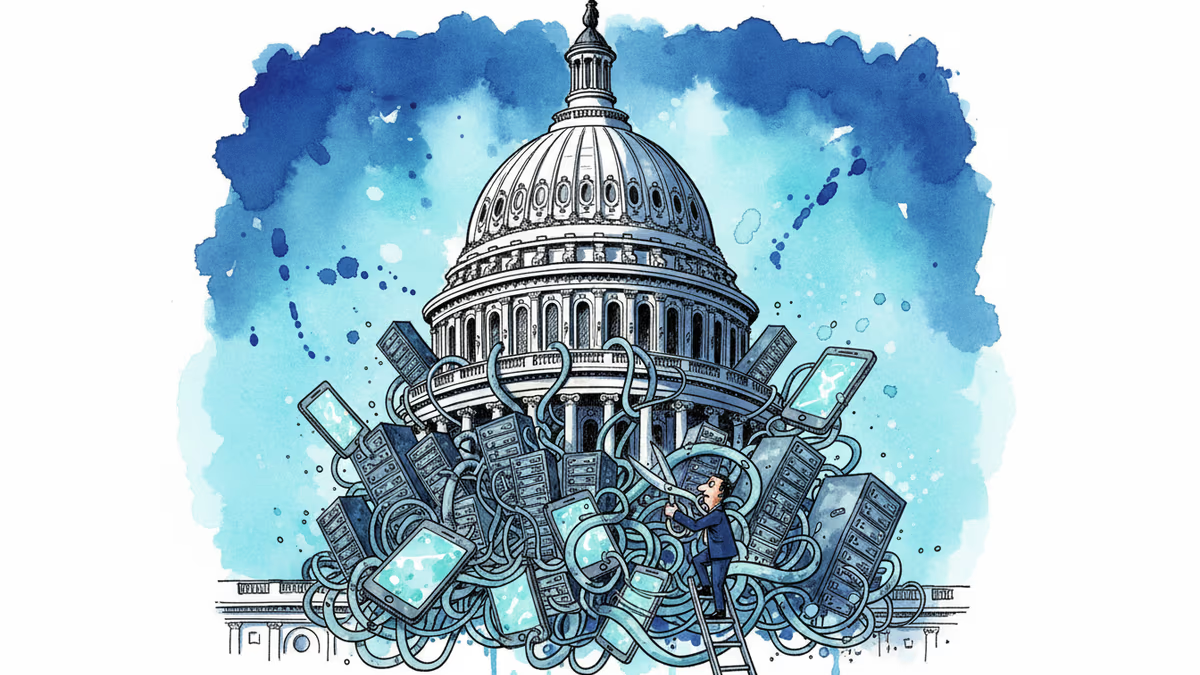
As Washington D.C. enters another political spring, the battle over Big Tech regulation is heating up — and the stakes extend far beyond Silicon Valley.
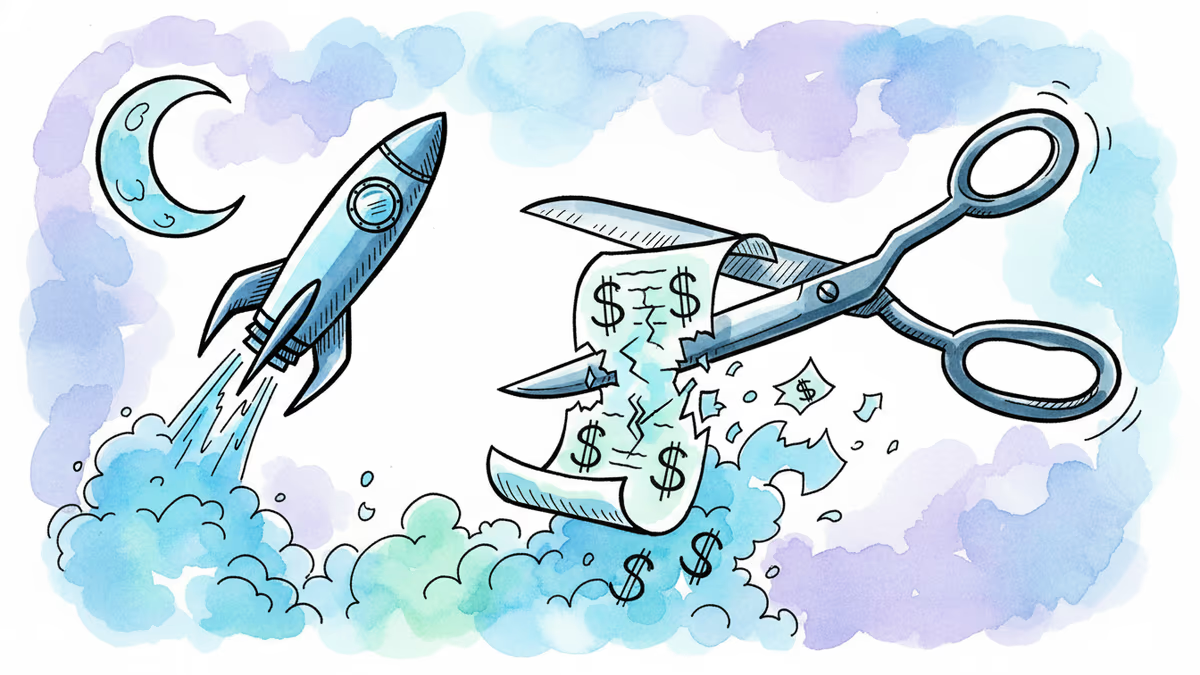
Two days after launching the first crewed lunar mission in over 50 years, the Trump administration proposed cutting NASA's budget by 23%. What does this mean for the future of space exploration?

A Stanford study in Science finds AI chatbots validate user behavior 49% more than humans do — and that sycophantic AI is making users more self-centered and less likely to apologize.
The Trump administration has gutted the DOJ's Voting Section, pushing out two dozen experienced lawyers and replacing them with loyalists. With 2026 midterms approaching, what does this mean for American democracy?
As Washington D.C. enters another political spring, the battle over Big Tech regulation is heating up — and the stakes extend far beyond Silicon Valley.
Two days after launching the first crewed lunar mission in over 50 years, the Trump administration proposed cutting NASA's budget by 23%. What does this mean for the future of space exploration?
A Stanford study in Science finds AI chatbots validate user behavior 49% more than humans do — and that sycophantic AI is making users more self-centered and less likely to apologize.
Thoughts
Share your thoughts on this article
Sign in to join the conversation