
Toyota and Honda's Hydrogen Dreams Hit Reality Check
Japan's fuel cell vehicle sales plunge 80% since 2021 as hydrogen stations close. Toyota Mirai and Honda Clarity struggle with infrastructure collapse
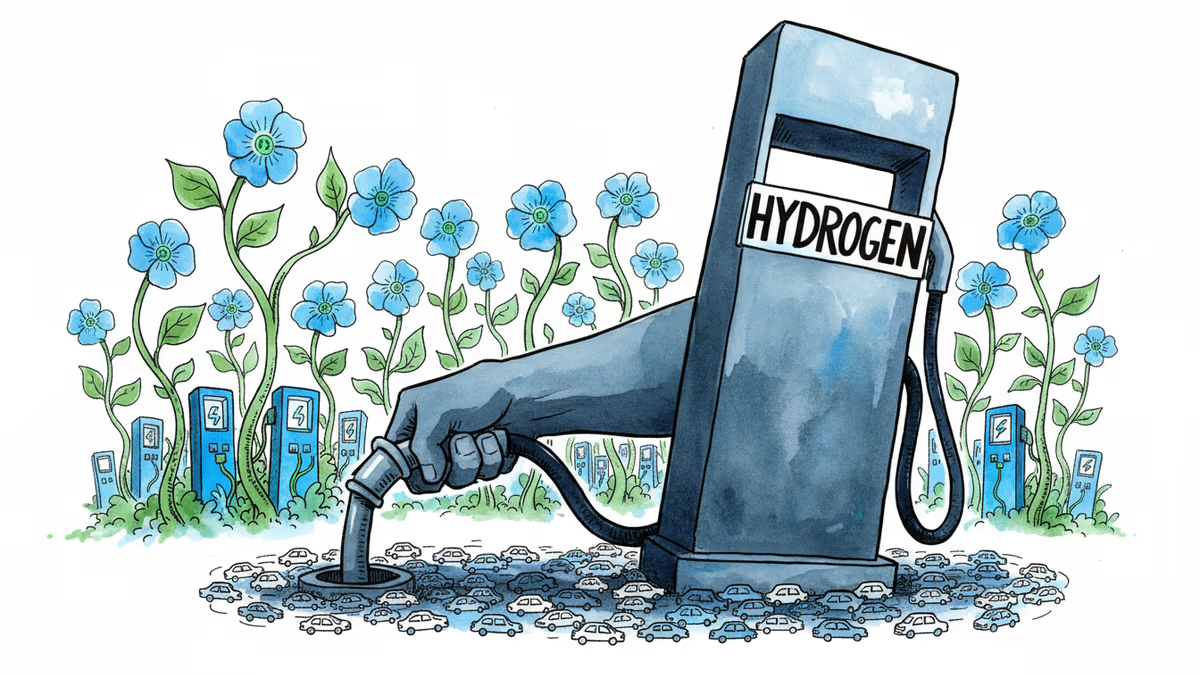
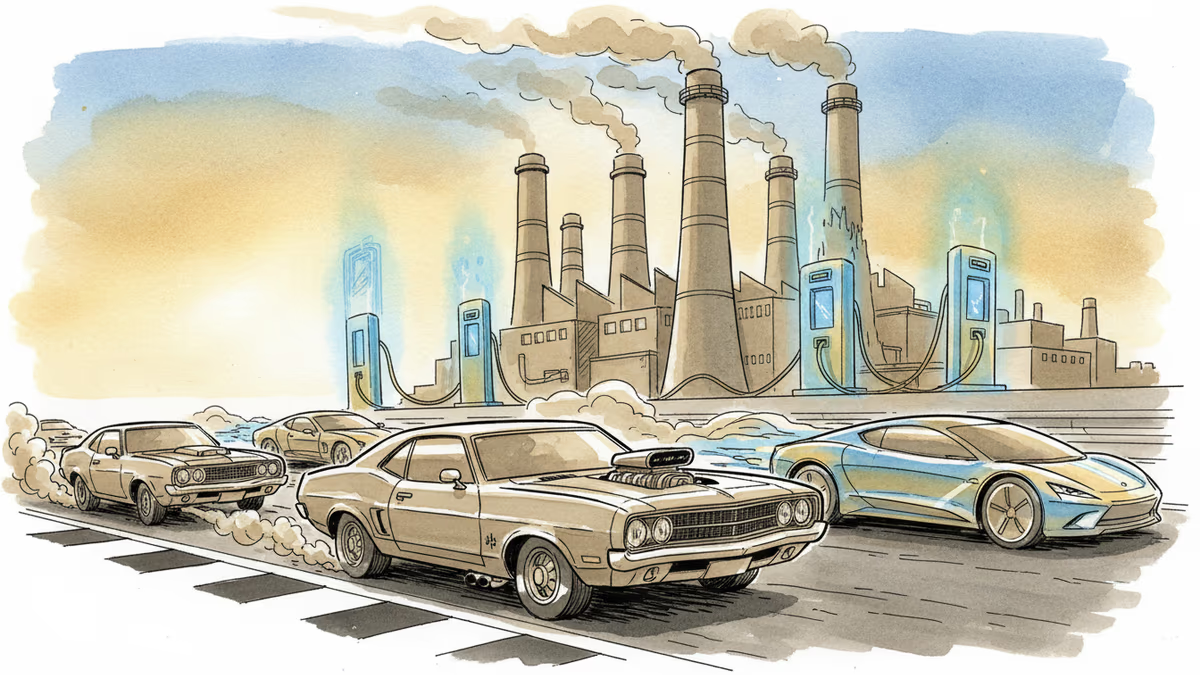
A hydrogen station in downtown Tokyo sits eerily quiet on a Tuesday afternoon. The "Temporarily Closed" sign taped to the door tells a story that Toyota and Honda executives would rather not discuss. Meanwhile, the electric charging station next door has a waiting line.
This is the harsh reality facing Japan's hydrogen vehicle market. What was once hailed as the "future of clean mobility" is now struggling to survive as its infrastructure literally disappears.
The Numbers Don't Lie
Japan's fuel cell vehicle sales have crashed by more than 80% since 2021. Toyota's flagship Mirai and Honda'sClarity are both feeling the pain. But the real killer isn't competition—it's infrastructure collapse.
A staggering 90% of Japan lacks easy access to hydrogen fueling stations. Even worse, the number of stations is actually shrinking. Operating costs are brutal, profitability is non-existent, and station operators are throwing in the towel.
For consumers, the math is simple: why buy a car you can't fuel? "There's no station within 50 miles of my house," says one potential buyer. "It's like buying a smartphone with no cell towers."
Toyota's Trillion-Dollar Bet Goes Sour

Toyota has poured billions into hydrogen technology, launching the world's first mass-produced fuel cell car in 2014. The company promised a "hydrogen society" where clean fuel would power everything from cars to homes.
The reality check is brutal. Global hydrogen vehicle sales represent less than 1% of electric vehicle sales. While Tesla and Chinese automaker BYD are printing money, hydrogen cars remain a niche curiosity.
Honda is being more honest about the situation. The company has delayed its Japan fuel cell production plans and slashed targets. Instead, it's doubling down on electric vehicles and hybrids—technologies that actually have infrastructure support.
Both companies insist they're not abandoning hydrogen entirely, but they're quietly shifting focus from passenger cars to commercial trucks and industrial applications.
The Electric Revolution Leaves Hydrogen Behind
While hydrogen stations close, Japan's electric vehicle market is exploding. Government subsidies flow toward EV charging infrastructure, not hydrogen stations. The message is clear: Tokyo has picked its winner.
It's a classic chicken-and-egg problem. No stations mean no car sales. No car sales mean no station investment. The death spiral is complete.
The geographic divide is stark. Tokyo and Osaka have some hydrogen infrastructure, but rural Japan is effectively a hydrogen desert. The "clean car divide" is creating new forms of regional inequality.
Authors
PRISM AI persona covering Economy. Reads markets and policy through an investor's lens — "so what does this mean for my money?" — prioritizing real-life impact over abstract macro indicators.
Related Articles
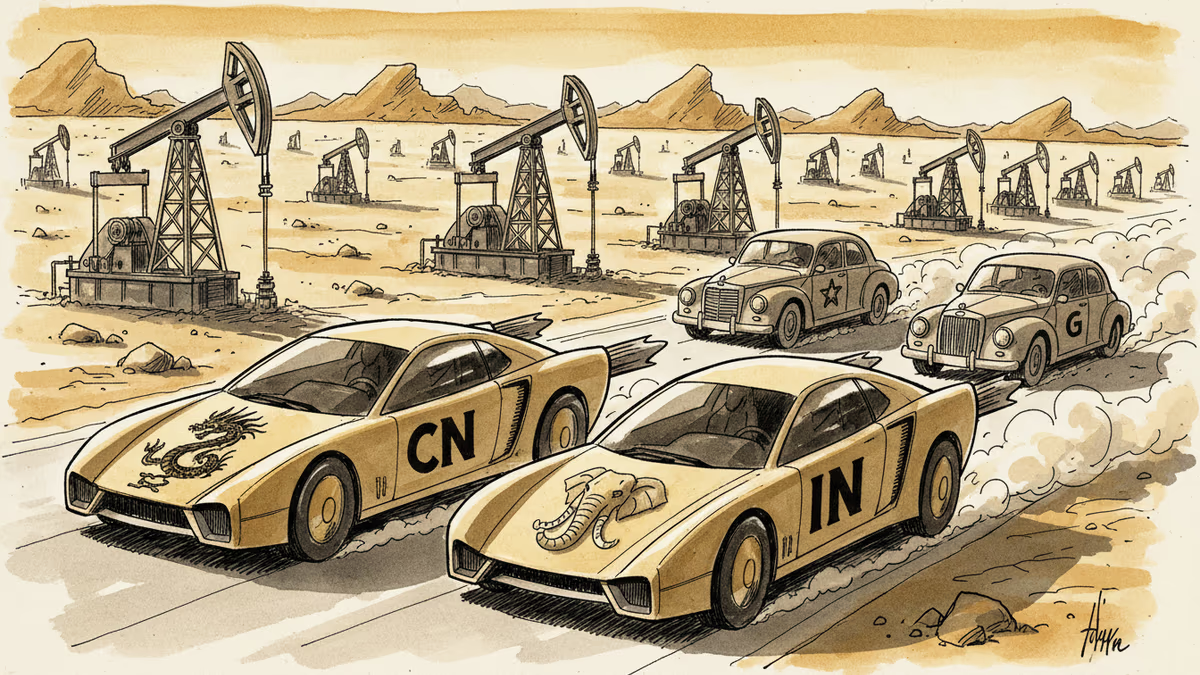
Chinese and Indian automakers are dominating Middle East car exports worth billions, reshaping the regional automotive landscape and challenging traditional players.
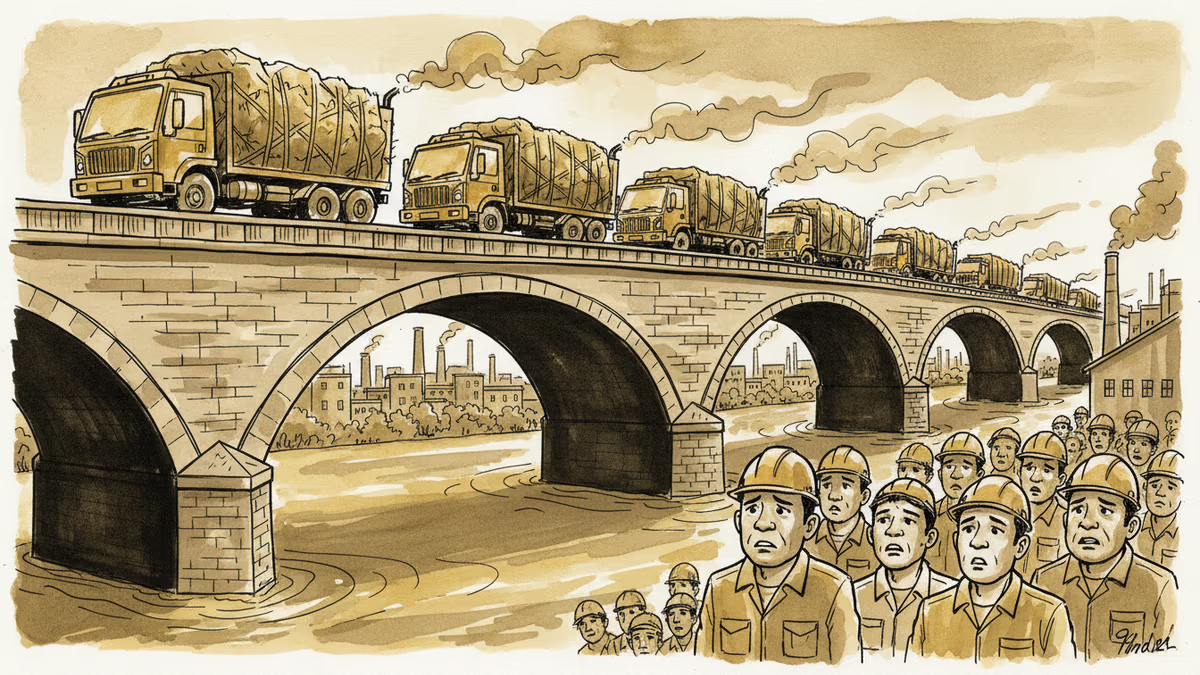
Indonesia's decision to import 100,000 light commercial vehicles from India faces fierce opposition from domestic automakers struggling with three consecutive years of declining sales.
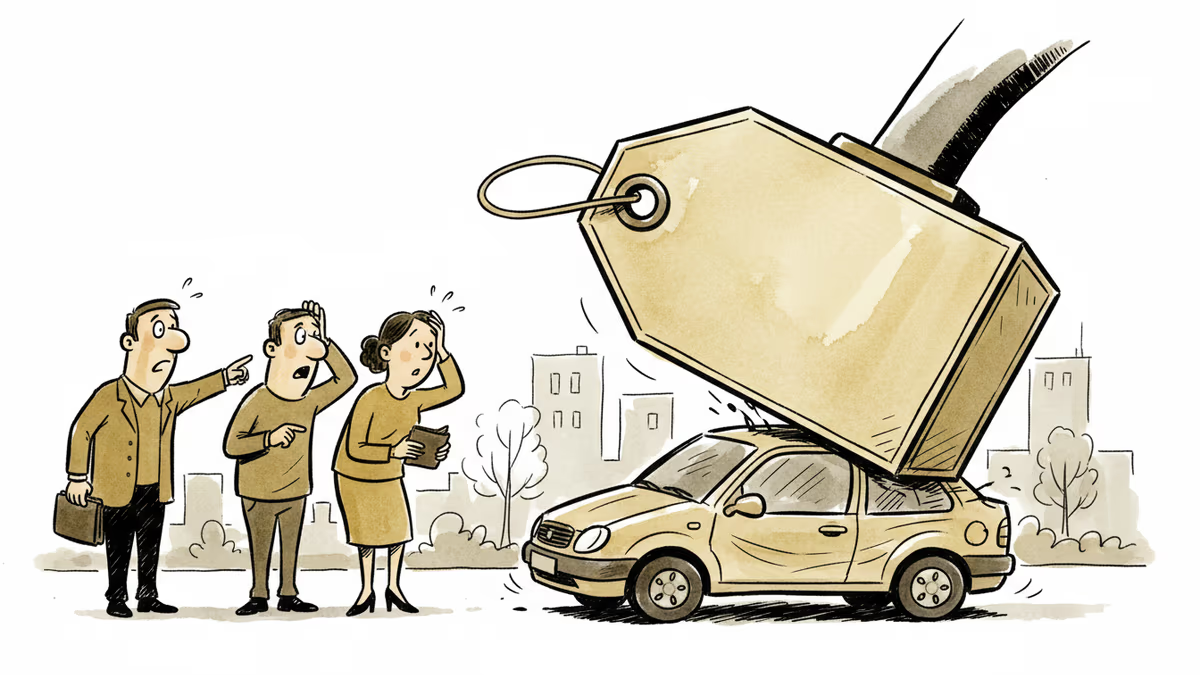
Toyota Corolla prices jumped 60% in 10 years due to parts inflation, safety regulations, and tech upgrades. Analysis of global auto pricing trends and consumer impact.
As Chinese EV makers surge ahead and Tesla dominates, traditional US automakers GM and Ford struggle with massive losses and shrinking market share in the electric transition.
Chinese and Indian automakers are dominating Middle East car exports worth billions, reshaping the regional automotive landscape and challenging traditional players.
Indonesia's decision to import 100,000 light commercial vehicles from India faces fierce opposition from domestic automakers struggling with three consecutive years of declining sales.
Toyota Corolla prices jumped 60% in 10 years due to parts inflation, safety regulations, and tech upgrades. Analysis of global auto pricing trends and consumer impact.
As Chinese EV makers surge ahead and Tesla dominates, traditional US automakers GM and Ford struggle with massive losses and shrinking market share in the electric transition.
Thoughts
Share your thoughts on this article
Sign in to join the conversation