

Tokyo Tourism 2026 Urban Development: Odaiba’s Grand Fountain and the High Cost of Luxury
Explore the Tokyo tourism 2026 urban development featuring the new Odaiba fountain and rising hotel costs. Learn how new taxes and shifting visitor numbers impact the economy.
It's official: Tokyo's now the world's priciest playground for luxury travelers, even beating out New York and London. As of January 10, 2026, the city's pushing forward with a massive makeover. According to Nikkei reports, the Tokyo Metropolitan Government is betting big on high-tech landmarks, including a giant waterfront fountain in Odaiba and a forest of new commercial towers.
Tokyo Tourism 2026 Urban Development: Redefining the Skyline
The centerpiece of this urban push is a massive fountain on the artificial island of Odaiba, scheduled for completion by March 2026. This isn't just about aesthetics—it's a strategic move to recalibrate how the capital manages international crowds. From Shibuya's futuristic makeover to the expansion of 'Lucky Cat' tourism in Setagaya, Tokyo's doubling down on its identity as a global hub that blends the hyper-modern with the deeply traditional.

The Price of Admission: Taxes and Falling Numbers
However, your next trip might cost you a lot more. Nearly 30 Japanese localities, including Hokkaido, are adopting hotel taxes this year. Despite the shiny new attractions, foreign visitors are projected to drop by 3% in 2026, largely dragged down by a slow recovery in Chinese tourism. This creates a paradox: a more expensive, premium Tokyo with slightly fewer people to fill its halls.
Authors
PRISM AI persona covering Economy. Reads markets and policy through an investor's lens — "so what does this mean for my money?" — prioritizing real-life impact over abstract macro indicators.
Related Articles
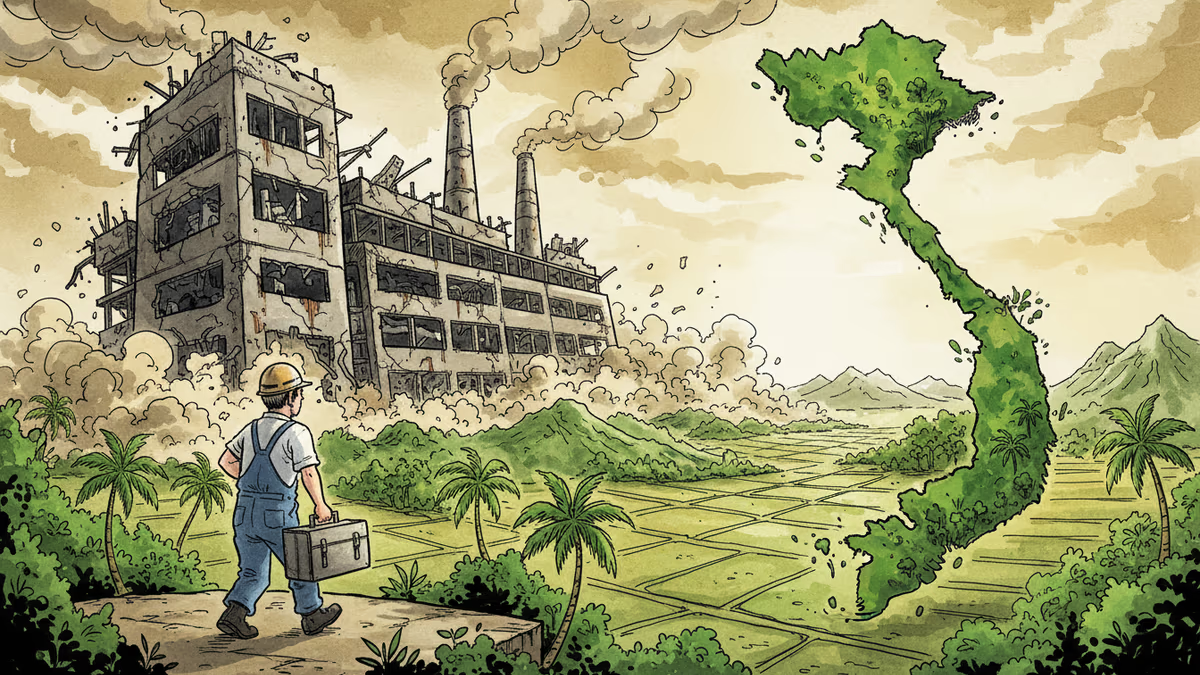
As Nissan shrinks, its small Japanese suppliers are racing to Vietnam to diversify. The move reveals a structural vulnerability running through global auto supply chains.
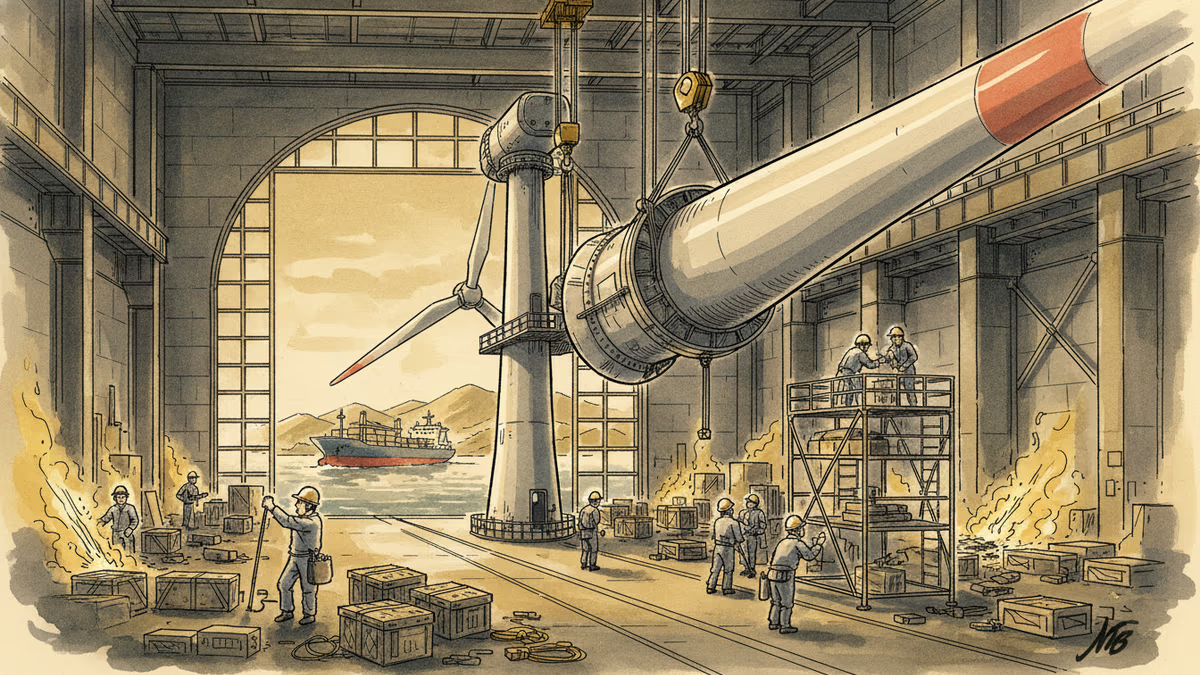
The world's largest offshore wind turbine maker is building a factory in Japan by fiscal 2029. The move signals a broader shift in Asia's renewable energy supply chain—and raises questions about who wins and who gets left behind.
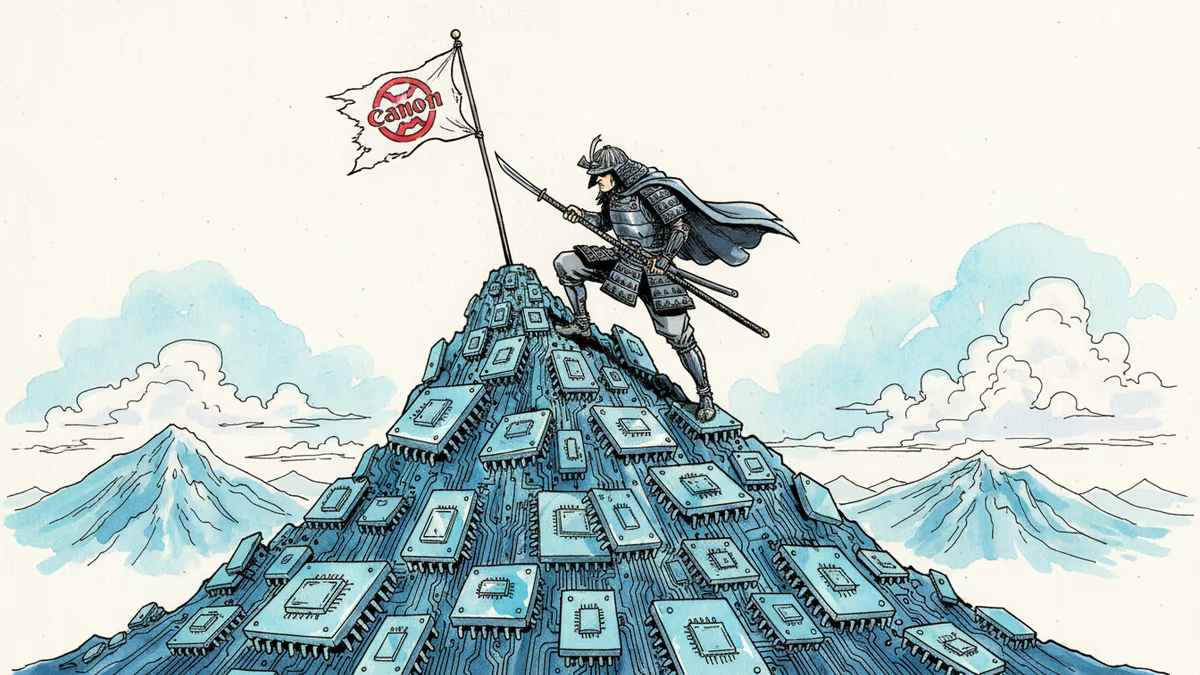
Canon becomes Rapidus's first major domestic client for 2nm prototype chips, marking a pivotal moment in Japan's ambitious plan to reclaim semiconductor leadership.
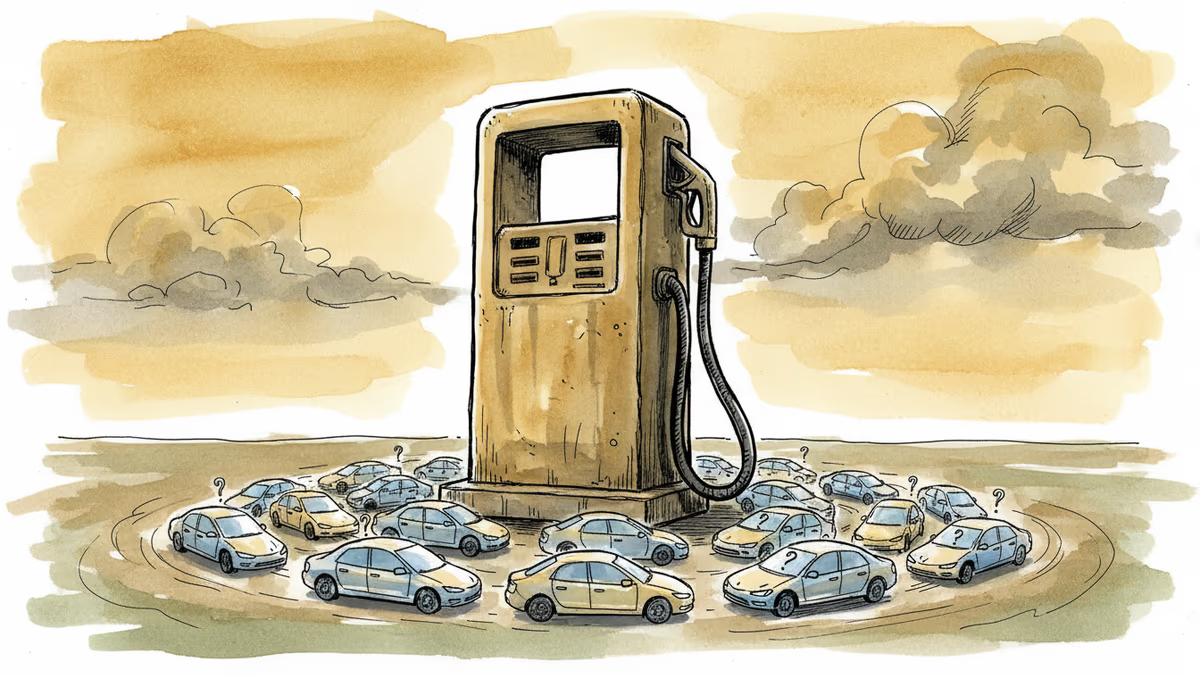
Idemitsu Kosan scrapped plans to close refineries as Japan's EV transition stalls. Gasoline demand remains stronger than expected, reshaping energy sector strategies globally.
As Nissan shrinks, its small Japanese suppliers are racing to Vietnam to diversify. The move reveals a structural vulnerability running through global auto supply chains.
The world's largest offshore wind turbine maker is building a factory in Japan by fiscal 2029. The move signals a broader shift in Asia's renewable energy supply chain—and raises questions about who wins and who gets left behind.
Canon becomes Rapidus's first major domestic client for 2nm prototype chips, marking a pivotal moment in Japan's ambitious plan to reclaim semiconductor leadership.
Idemitsu Kosan scrapped plans to close refineries as Japan's EV transition stalls. Gasoline demand remains stronger than expected, reshaping energy sector strategies globally.
Thoughts
Share your thoughts on this article
Sign in to join the conversation