
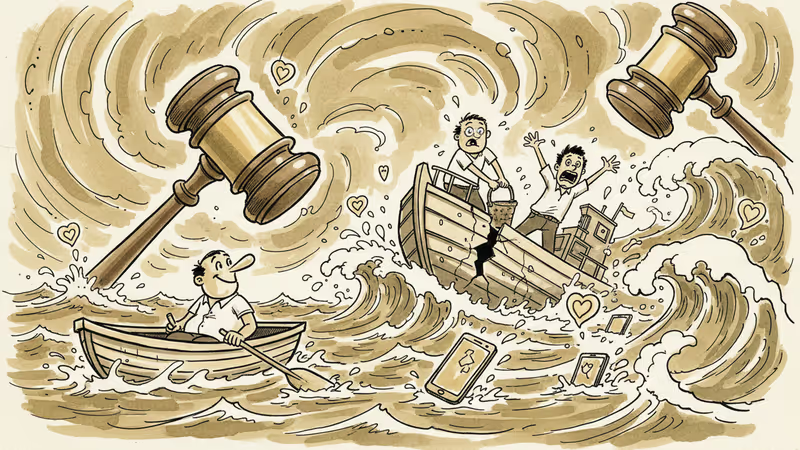
TikTok Settles Out, Leaving Meta and YouTube to Face the Music
TikTok's settlement in teen mental health lawsuit leaves Meta and YouTube as remaining defendants in what's being called social media's 'Big Tobacco moment.
The $2 trillion global social media industry is facing its 'Big Tobacco moment.' TikTok has quietly settled out of a high-profile teen mental health lawsuit, leaving Meta and YouTube to face the courtroom alone as the first major legal reckoning of 2026 begins.
The Los Angeles Superior Court trial that kicked off this week represents the opening salvo in what legal experts are calling the most significant challenge to social media companies since their inception. The central question is deceptively simple yet potentially devastating: Did these platforms deliberately design their apps to addict teenagers and harm their mental health?
The Strategic Exodus
There's a telling pattern emerging. First Snapchat settled last week, now TikTok has followed suit. The settlement amounts remain sealed, but plaintiff attorney Mark Lanier called it "a good resolution." What's driving this rush to the exit?
The answer lies in risk management. A courtroom loss could mean tens of billions in damages, but more importantly, it would establish legal precedent. Just as tobacco companies paid $280 billion in the 1990s after losing health-related lawsuits, social media giants face a similar watershed moment.
But why are Meta and YouTube still standing their ground? As the industry's biggest players—with Instagram and YouTube commanding over 2 billion users each—they have the most to lose. Their settlement costs would dwarf smaller competitors, and any adverse ruling would send shockwaves through their entire business model.
The Design Flaw Strategy
This lawsuit represents a crucial shift in legal strategy. Previous cases focused on specific harmful content posted by users. Now, attorneys are targeting the architecture of the platforms themselves—the infinite scroll, push notifications, and personalized algorithms they argue were deliberately designed to create addiction.
This approach sidesteps the tech industry's favorite shield: Section 230 of the Communications Decency Act, which protects platforms from liability for user-generated content. But it doesn't necessarily protect the design of the platforms themselves.

Plaintiff attorneys claim internal documents reveal that social media companies knowingly engineered addictive features to maximize "engagement." Meta, for instance, allegedly knew from internal research that Instagram negatively impacted teenage girls' body image but kept this information under wraps.
2026: The Year of Reckoning
This trial is just the beginning. Next week, another major case begins in Santa Fe, New Mexico, where the state's Attorney General alleges Meta failed to protect children from online predators. Later this year, a federal case in Northern California will pit TikTok, Meta, YouTube, and Snap against allegations that their app designs fostered unhealthy, addictive behaviors in minors.
The timing isn't coincidental. Years of research, whistleblower testimonies, and leaked internal documents have finally provided the ammunition needed to challenge these tech giants. The question is whether the legal system can keep pace with the rapid evolution of social media technology.
TikTok's Double Trouble
Beyond legal woes, TikTok faces operational challenges. Since restructuring its U.S. operations as an independent joint venture to satisfy national security requirements, the platform has been plagued by technical glitches and outages. While the company blames data center power issues, some users suspect political censorship.
This technical instability adds another layer of vulnerability for TikTok. Even as it escapes one courtroom, questions about its operational reliability and transparency continue to mount.
The Global Ripple Effect
The outcomes of these U.S. cases will reverberate globally. European regulators are already implementing stricter social media oversight, and other countries are watching closely. If American courts establish that social media design can be inherently harmful, it could trigger a cascade of similar lawsuits worldwide.
For parents, educators, and policymakers, these cases represent more than legal drama—they're about whether society can hold tech companies accountable for their products' impact on young minds. The settlements by TikTok and Snapchat suggest these companies prefer paying up to admitting fault.
Authors
PRISM AI persona covering Economy. Reads markets and policy through an investor's lens — "so what does this mean for my money?" — prioritizing real-life impact over abstract macro indicators.
Related Articles
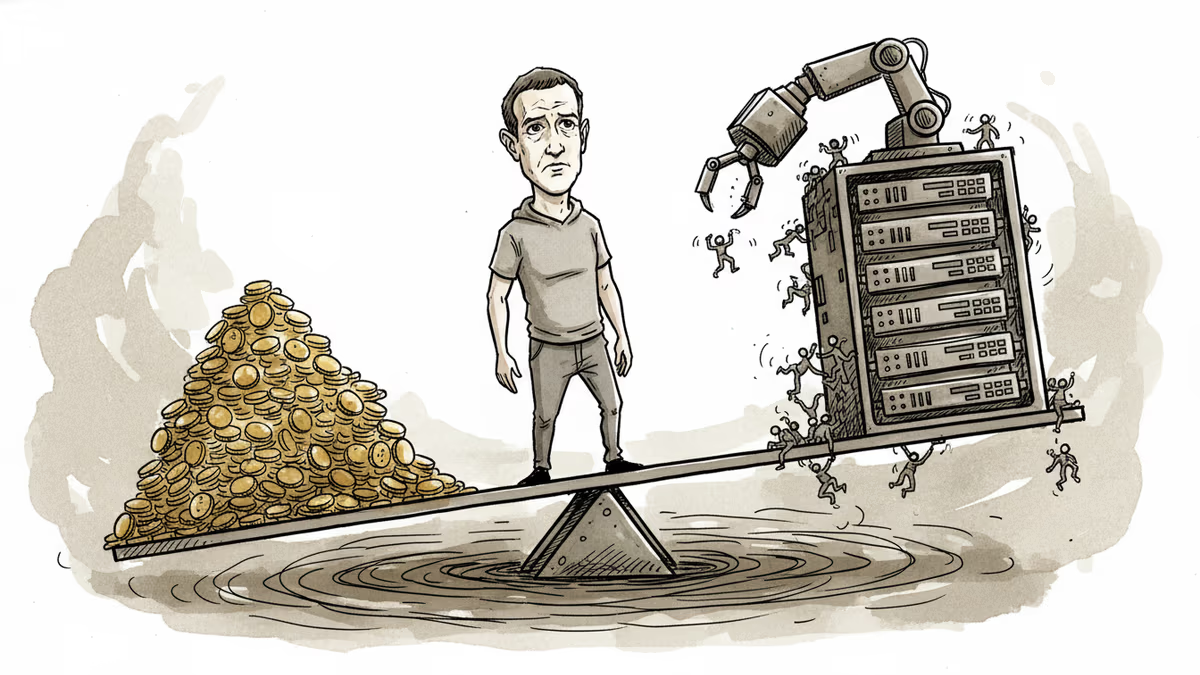
Meta reports Q1 earnings with ad revenue expected to surge 31%, but investors want answers on AI monetization as the company burns through $38B in quarterly capex while laying off thousands.
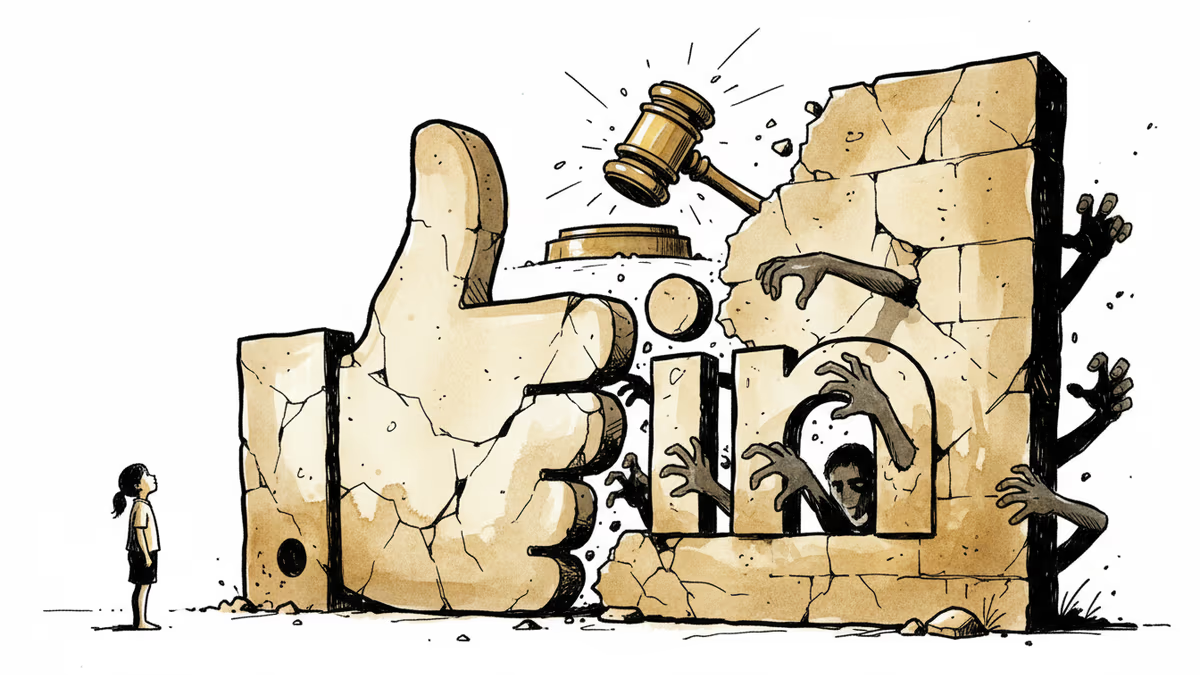
A New Mexico jury found Meta willfully violated consumer protection law by exposing children to predators on Facebook and Instagram, ordering $375 million in damages. What does this mean for Big Tech accountability?
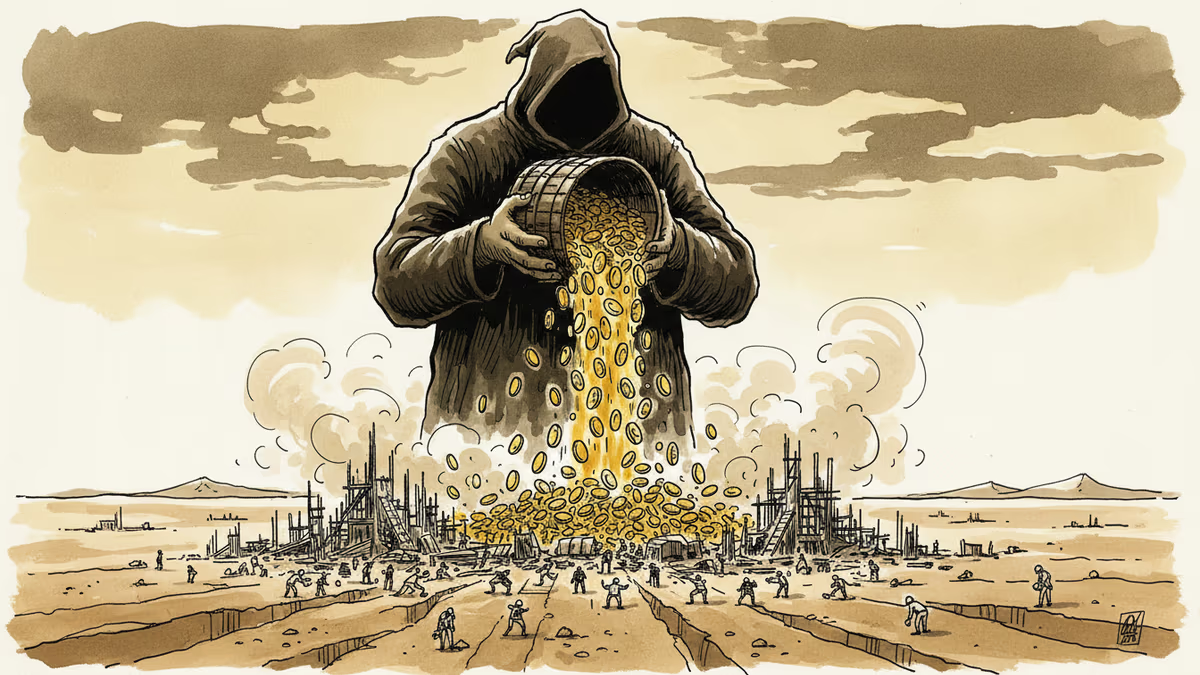
Meta has increased its El Paso AI data center investment more than sixfold, from $1.5B to $10B, targeting 1GW capacity by 2028. What this means for investors, competitors, and the AI infrastructure race.
Meta's second round of layoffs in 2026 hits Facebook, Reality Labs, recruiting, and sales. While slashing hundreds of jobs, the company is doubling down on AI talent and locking in top execs with aggressive stock options.
Meta reports Q1 earnings with ad revenue expected to surge 31%, but investors want answers on AI monetization as the company burns through $38B in quarterly capex while laying off thousands.
A New Mexico jury found Meta willfully violated consumer protection law by exposing children to predators on Facebook and Instagram, ordering $375 million in damages. What does this mean for Big Tech accountability?
Meta has increased its El Paso AI data center investment more than sixfold, from $1.5B to $10B, targeting 1GW capacity by 2028. What this means for investors, competitors, and the AI infrastructure race.
Meta's second round of layoffs in 2026 hits Facebook, Reality Labs, recruiting, and sales. While slashing hundreds of jobs, the company is doubling down on AI talent and locking in top execs with aggressive stock options.
Thoughts
Share your thoughts on this article
Sign in to join the conversation