
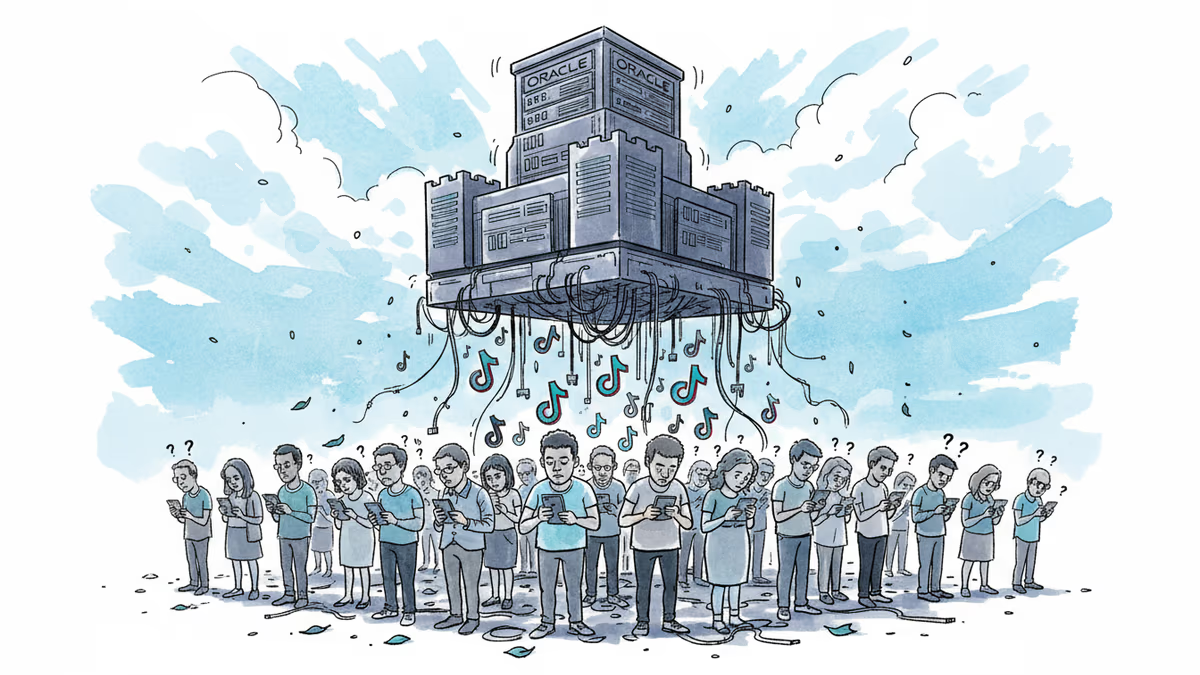
TikTok Goes Dark Again, Oracle to Blame
Second major TikTok outage in two months due to Oracle data center issues raises questions about cloud dependency and digital sovereignty in the post-divestiture era.
When Your Savior Becomes Your Single Point of Failure
TikTok's 170 million US users woke up to a familiar frustration Tuesday morning. The app was down again, and once again, Oracle was the culprit.
Starting around 9 AM ET, users reported issues accessing the platform and uploading content. "Creators may temporarily experience lags in posting content while Oracle works to resolve the issue," TikTok's official account posted on X. The outage stretched for over 9 hours, according to user reports on Downdetector.
This marks the second major TikTok disruption since the Chinese app's forced sale to comply with US national security laws. The first? Also Oracle's fault, blamed on a winter storm hitting their data center just days after the January deal closed.
The Irony of Digital Independence
Here's where it gets interesting. Oracle isn't just TikTok's cloud provider—it's part of the investor group that owns 80% of the TikTok USDS Joint Venture. The same company that was supposed to solve TikTok's "foreign dependency" problem has now become its new dependency.
Oracle has been managing TikTok's cloud services and user data since before the sale. But the relationship has evolved from vendor-client to owner-owned. It's digital sovereignty with a twist: instead of being controlled by Beijing, TikTok now relies entirely on a single US tech giant.

The US government forced the sale to reduce security risks from Chinese ownership. Yet the current structure creates a different kind of vulnerability—operational dependency on a single point of failure.
The Cloud Concentration Problem
TikTok's situation reflects a broader issue in cloud infrastructure. When AWS, Microsoft Azure, and Google Cloud dominate the market, major platforms have limited options. For politically sensitive services like TikTok, choices become even more constrained.
Consider the alternatives TikTok faced. Chinese cloud providers were off-limits due to national security concerns. Smaller US providers lack the scale to handle TikTok's massive traffic. Oracle, despite being the fourth-largest cloud provider, was perhaps the only viable option.
This concentration creates systemic risks. When a handful of companies control the digital infrastructure that powers everything from social media to financial services, their outages become society-wide disruptions.
What This Means for Platform Economics
For TikTok creators, Tuesday's outage meant lost revenue and broken posting schedules. But the implications run deeper. Platform creators are building businesses on infrastructure they don't control, operated by companies they've never heard of.
The creator economy depends on reliable access to audiences. When that access depends on a single cloud provider's uptime, millions of livelihoods hang in the balance. TikTok's $14.7 billion in US revenue last year flows through Oracle's servers.
Investors are taking note too. Platform stocks increasingly factor in infrastructure resilience. A company's cloud architecture is becoming as important as its user growth metrics.
Authors
Related Articles
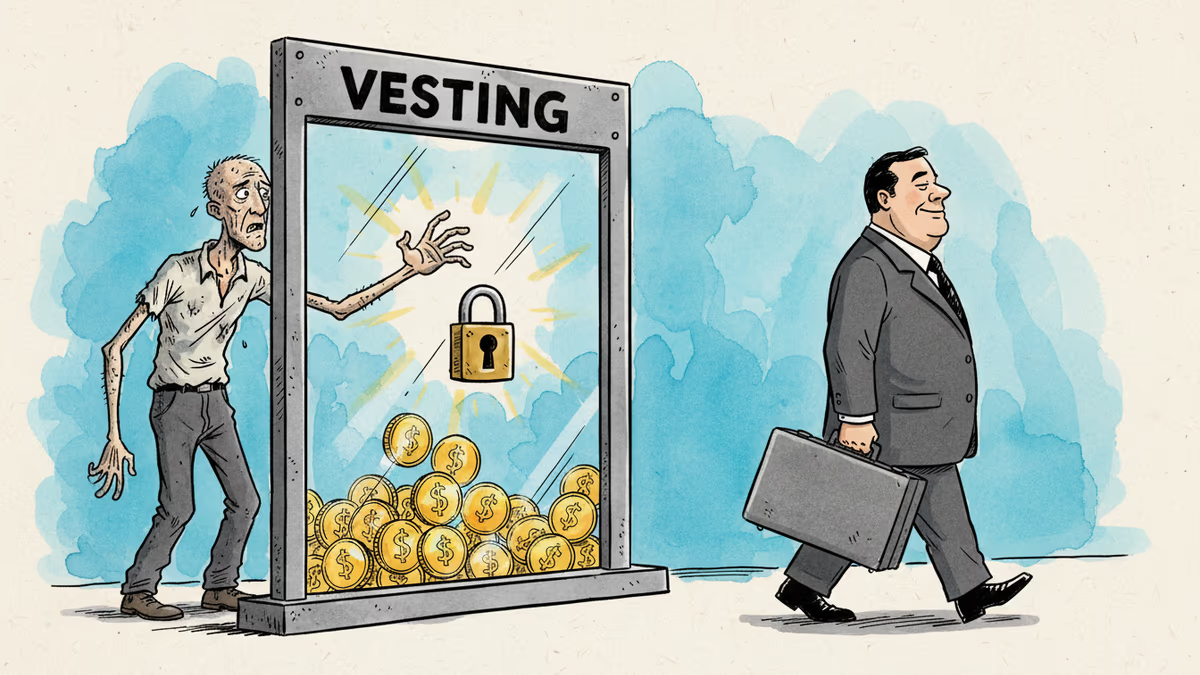
Oracle laid off up to 30,000 workers via email, denied RSU acceleration, and refused to negotiate. What this tells us about tech compensation's hidden power imbalance.
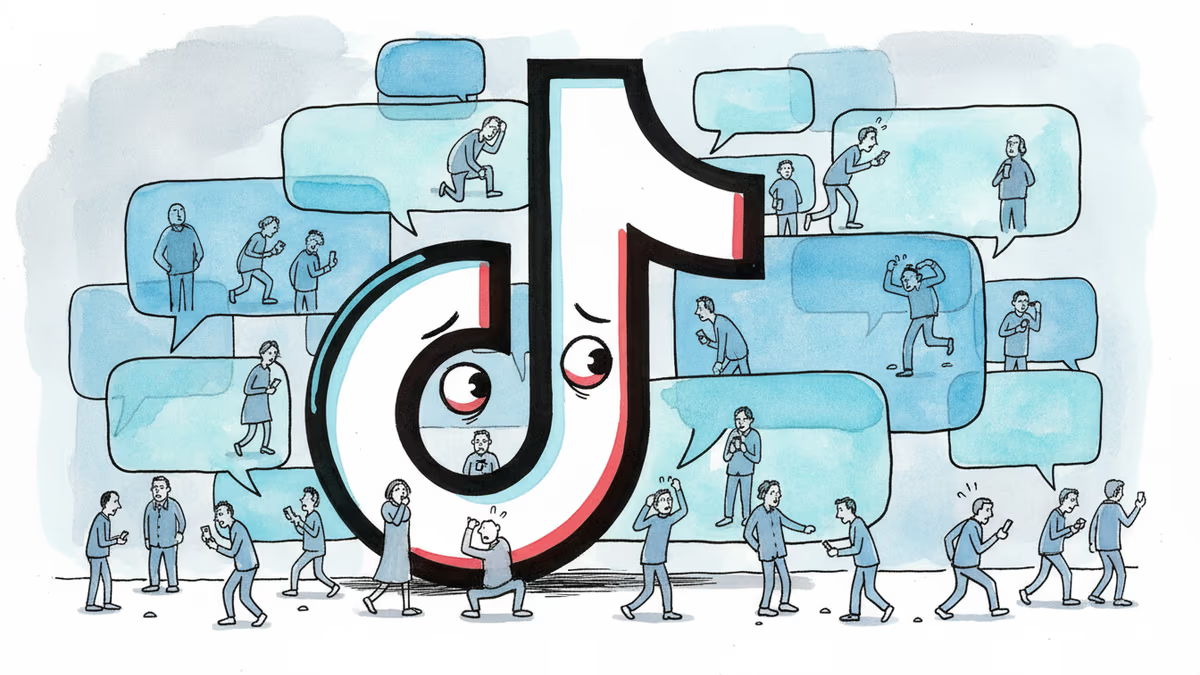
TikTok refuses end-to-end encryption for DMs, citing user safety. But this decision reveals a complex calculation about regulation, competition, and control.
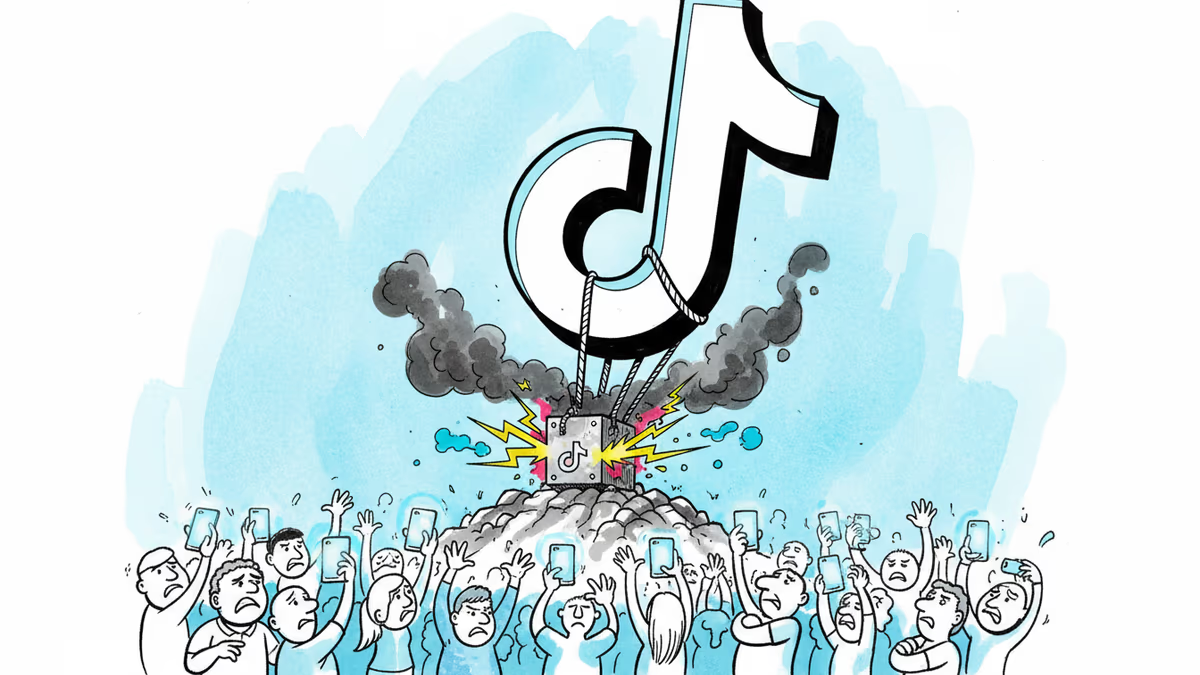
Just a month after the last outage, TikTok US faces another service disruption due to Oracle's data center issues. The incident highlights the risks of regulatory compliance creating single points of failure.
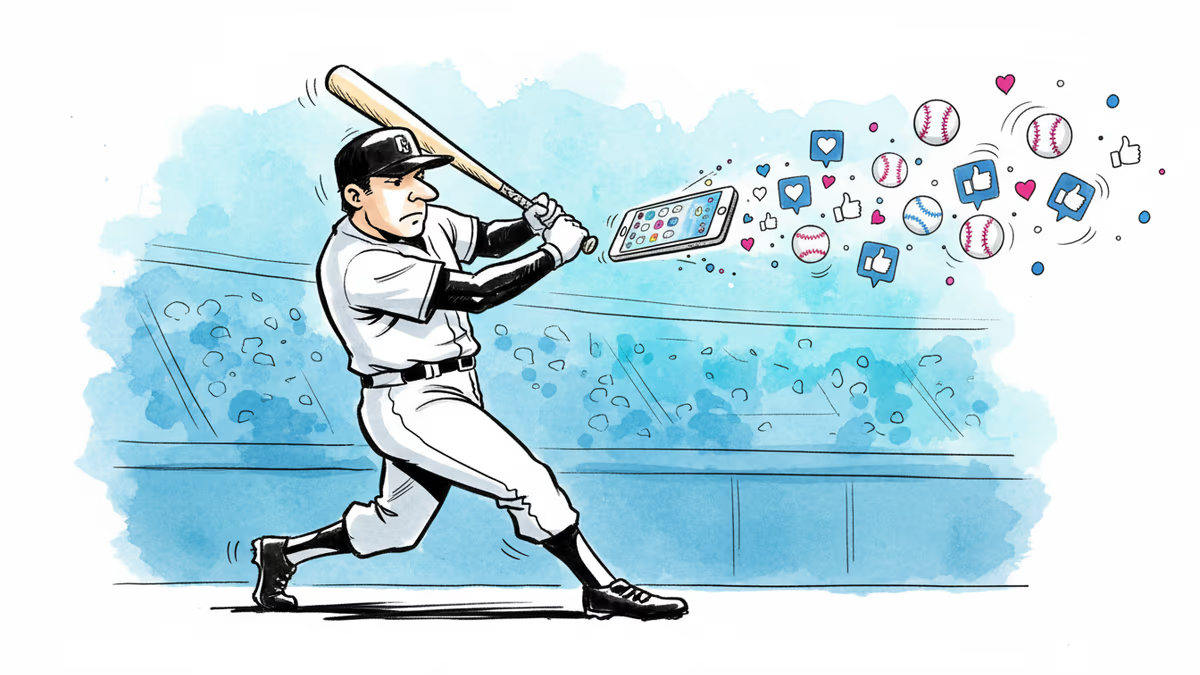
Major League Baseball partners with TikTok to capture younger fans through short-form content and influencers. Can America's pastime survive the 15-second attention span?
Oracle laid off up to 30,000 workers via email, denied RSU acceleration, and refused to negotiate. What this tells us about tech compensation's hidden power imbalance.
TikTok refuses end-to-end encryption for DMs, citing user safety. But this decision reveals a complex calculation about regulation, competition, and control.
Just a month after the last outage, TikTok US faces another service disruption due to Oracle's data center issues. The incident highlights the risks of regulatory compliance creating single points of failure.
Major League Baseball partners with TikTok to capture younger fans through short-form content and influencers. Can America's pastime survive the 15-second attention span?
Thoughts
Share your thoughts on this article
Sign in to join the conversation