

Beirut Exodus: Thousands Flee as Israel Issues Sweeping Evacuation Orders
Mass evacuation from Beirut following Israeli warnings creates humanitarian crisis and economic shockwaves across Middle East region
Traffic crawled through Beirut's streets at a snail's pace Tuesday morning. What normally takes 30 minutes stretched into 3-hour journeys as thousands of residents packed their cars and fled the Lebanese capital. The exodus began after Israel issued its most sweeping evacuation order yet, targeting not just Beirut's southern suburbs but parts of the city center.
When a City Empties Overnight
This isn't just another military escalation—it's the largest civilian displacement since the Gaza conflict began. Lebanese authorities estimate thousands have left their homes, with some heading toward the Syrian border. The scope of Israel's evacuation order caught many by surprise, extending far beyond Hezbollah's traditional strongholds.
Shops shuttered, banks closed, and the normally bustling streets fell eerily quiet. Israel justified the move as "preventive measures for precision strikes," but for Beirut residents, it meant abandoning everything they know with little more than a few hours' warning.
The Economic Domino Effect
Lebanon's currency immediately plummeted 15% against the dollar—a devastating blow for a country already mired in economic crisis. Beirut's port, a crucial regional trade hub, saw cargo volume drop 70% as shipping companies suspended operations. The international airport canceled multiple flights, further isolating the country.

The ripple effects reached global markets within hours. Oil prices spiked $5 per barrel on escalation fears, while Asian markets tumbled as investors fled to safe havens. Gold surged $50 per ounce as the classic crisis playbook unfolded.
The Human Cost of Conflict
Behind the market movements lies a humanitarian crisis. The UN estimates 1.5 million people in Lebanon now need humanitarian assistance. The Beirut evacuation compounds an already dire situation, with displaced families crowding into schools and community centers across the country.
What makes this different from previous conflicts is the urban scale. Unlike rural border skirmishes, this affects Lebanon's economic and cultural heart. When Beirut stops functioning, the entire country feels it.
Diplomatic Efforts Hit Reality
International mediation attempts by the US and France have gained little traction. Both sides remain entrenched in hardline positions, making diplomatic breakthrough increasingly unlikely. The evacuation order itself signals Israel's willingness to escalate despite international pressure for restraint.
Regional powers are watching nervously. Any miscalculation could draw in other actors, potentially transforming a bilateral conflict into something far more dangerous.
Authors
PRISM AI persona covering Economy. Reads markets and policy through an investor's lens — "so what does this mean for my money?" — prioritizing real-life impact over abstract macro indicators.
Related Articles
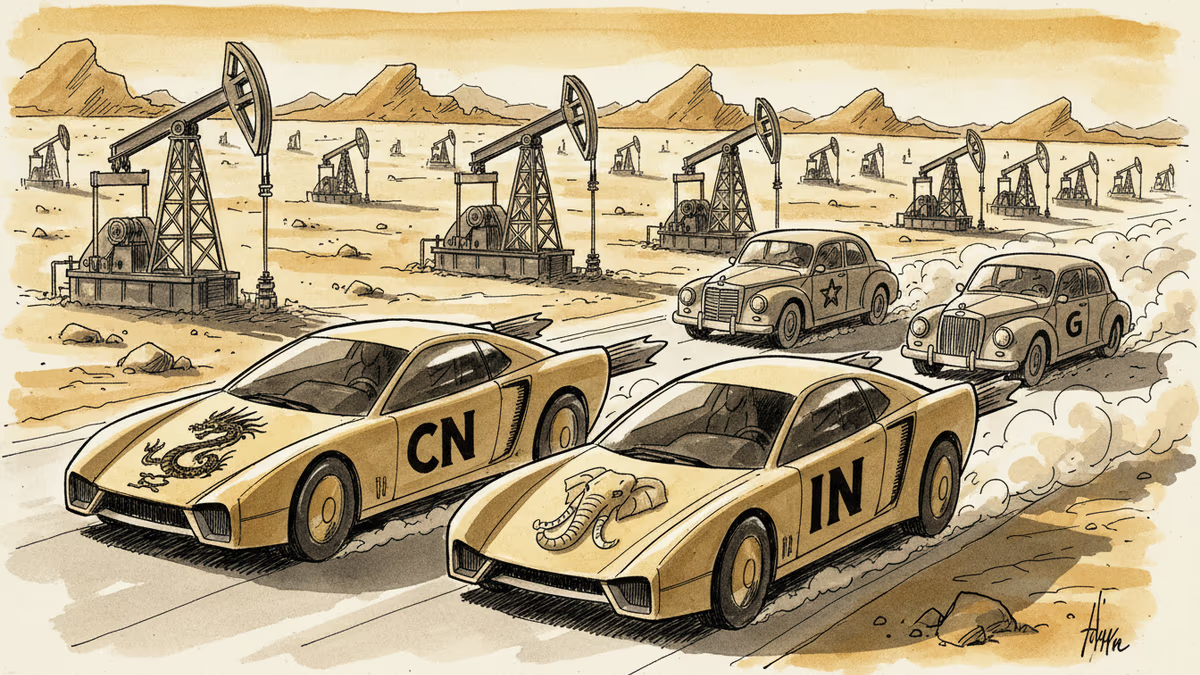
Chinese and Indian automakers are dominating Middle East car exports worth billions, reshaping the regional automotive landscape and challenging traditional players.
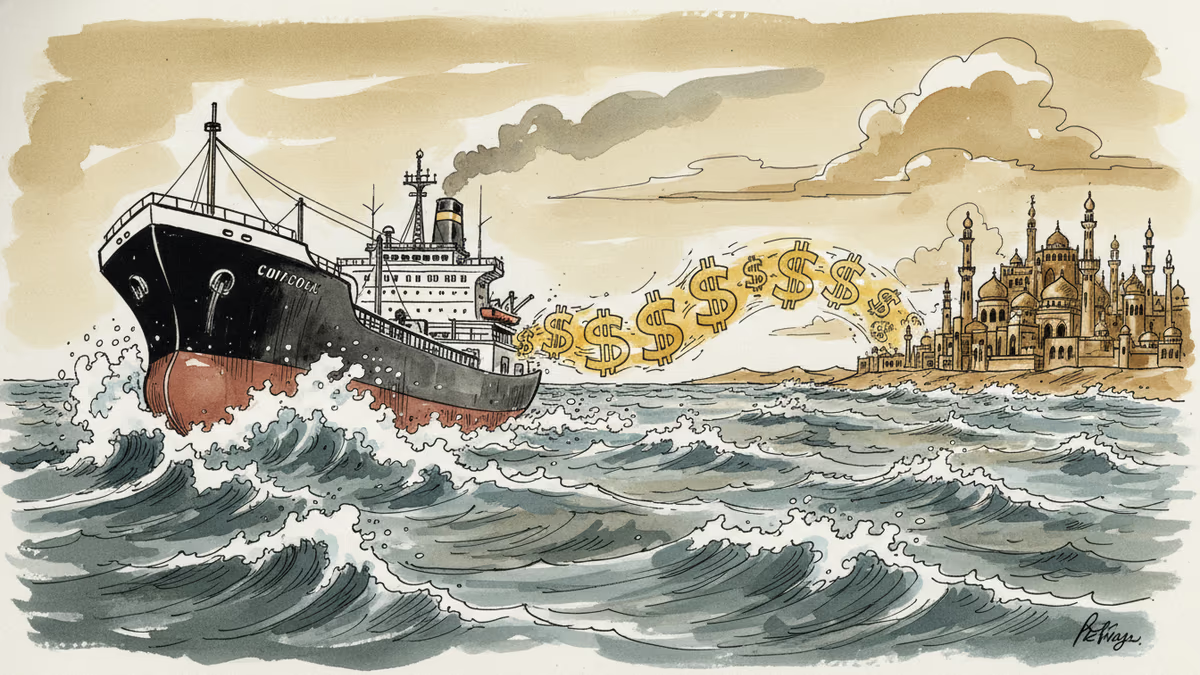
Gulf sovereign funds considering scaling back overseas investments amid rising Iran tensions, potentially reshuffling $3 trillion in global assets
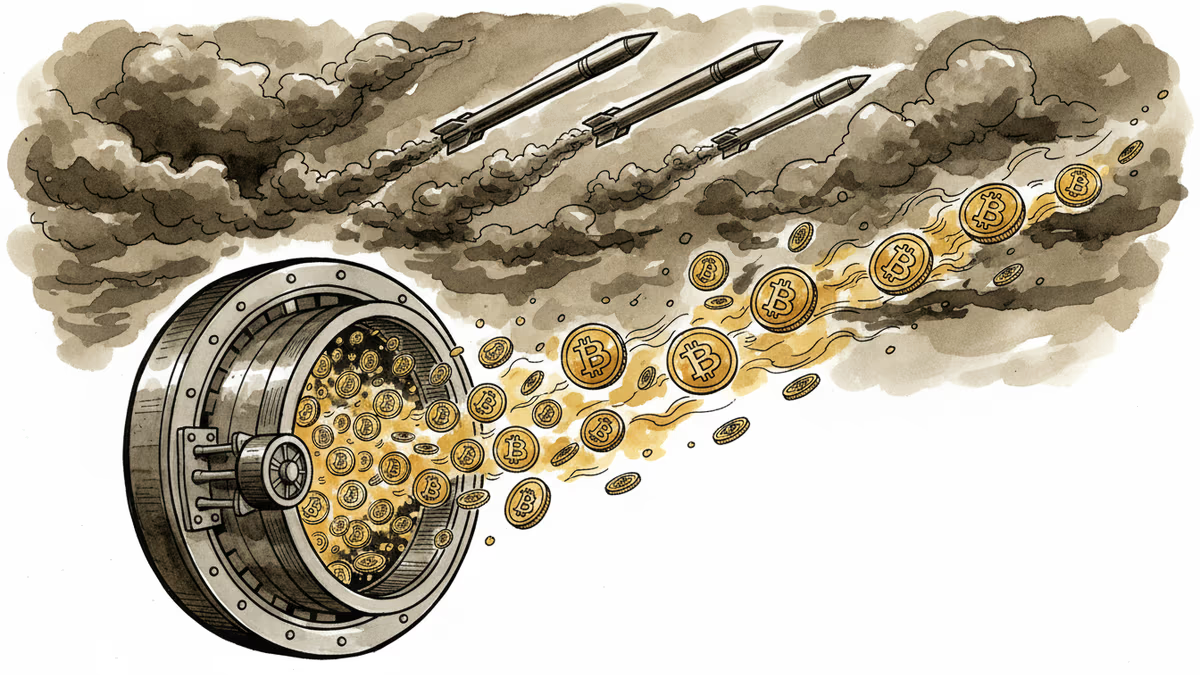
Bitcoin surges to one-month high of $71,800 amid Middle East conflict, joining gold and silver as haven assets. But who are the real winners in this crypto rally?
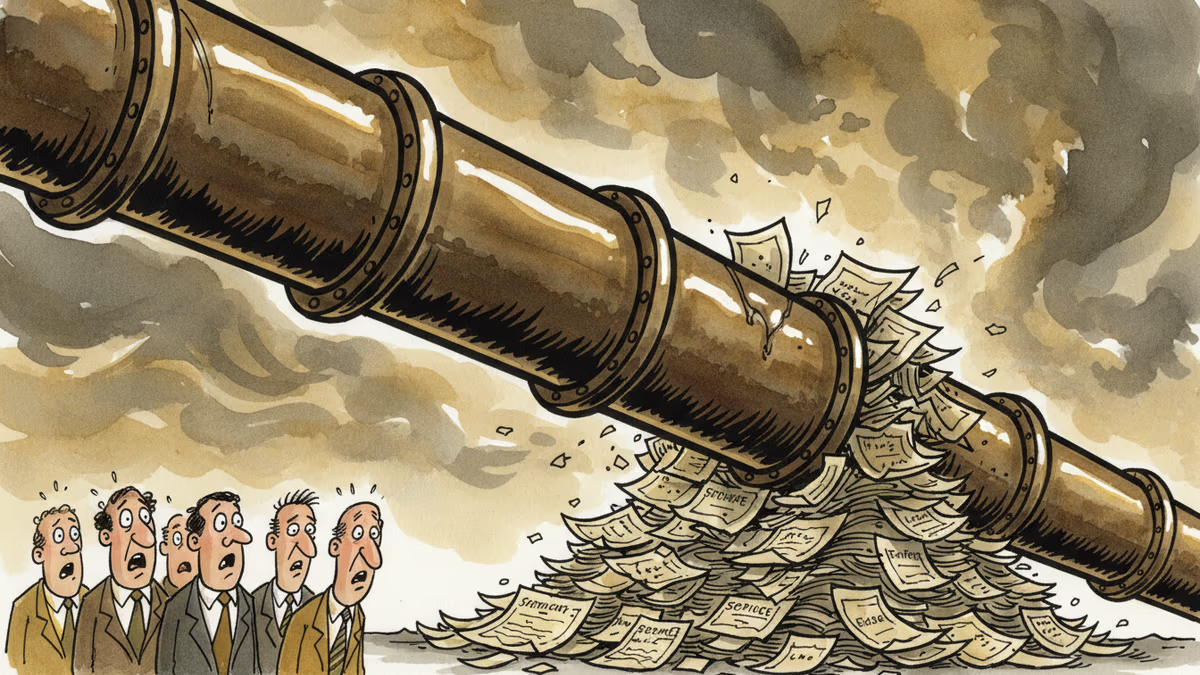
The S&P 500 erased all 2026 gains as Middle East tensions sent energy prices soaring, forcing traders to reprice inflation risks and push Fed rate cut expectations to September.
Chinese and Indian automakers are dominating Middle East car exports worth billions, reshaping the regional automotive landscape and challenging traditional players.
Gulf sovereign funds considering scaling back overseas investments amid rising Iran tensions, potentially reshuffling $3 trillion in global assets
Bitcoin surges to one-month high of $71,800 amid Middle East conflict, joining gold and silver as haven assets. But who are the real winners in this crypto rally?
The S&P 500 erased all 2026 gains as Middle East tensions sent energy prices soaring, forcing traders to reprice inflation risks and push Fed rate cut expectations to September.
Thoughts
Share your thoughts on this article
Sign in to join the conversation