
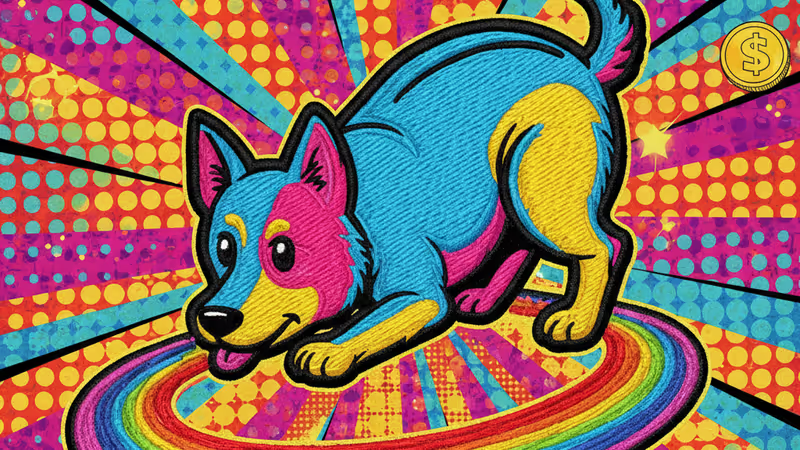
The Butt-Scoot Blueprint: How Viral Dog Embroidery Is Rewriting the Rules of the $150B Pet Economy
An artist's viral dog embroidery reveals key trends in the creator economy, pet humanization, and the future of authentic D2C commerce. Analysis for leaders.
The Lede: Beyond the Meme
A Korean artist's viral embroidery of dogs doing authentically goofy things—scooting, sniffing, digging—is more than just shareable content. For the busy executive, it’s a critical signal from the front lines of commerce. This isn't about crafts; it's a case study in the hyper-monetization of niche authenticity, demonstrating a powerful new playbook for brand creation at the intersection of the creator economy and the booming $150 billion global pet market.
Why It Matters: The Authenticity Premium
The success of creators like Da_gaemee highlights a fundamental shift in consumer behavior. In an era saturated with slick, AI-polished marketing, consumers are placing an increasingly high premium on genuine, relatable, and handcrafted products. The second-order effect is a direct threat to legacy brands. While large pet retailers spend millions on campaigns to foster 'emotional connection,' a single artist with a needle and thread can build a fiercely loyal community around a shared, authentic experience. This redefines brand loyalty, moving it from a function of price and availability to one of genuine emotional resonance.
The Analysis: Decentralized Commerce in Action
Historically, artisans and crafters were limited by geography and access to physical markets. The first wave of digital disruption, led by platforms like Etsy, created centralized marketplaces. We are now in the third wave: decentralized, creator-led commerce. Artists like Da_gaemee leverage social platforms (Instagram, TikTok) not just as marketplaces, but as always-on focus groups, content studios, and community hubs. They bypass traditional gatekeepers—galleries, retailers, and advertisers—to build a direct-to-consumer (D2C) flywheel:
- Authentic Content: Relatable art captures a niche audience.
- Community Building: Shared humor and emotion create a loyal following.
- Direct Monetization: The community converts directly into customers for prints, kits, and merchandise.
This model is nimbler, more capital-efficient, and builds a more defensible brand moat than many venture-backed D2C startups. It's a micro-brand with macro-level engagement.
PRISM Insight: The 'Picks and Shovels' of Passion
The significant investment and tech opportunity here is not in funding individual embroidery artists, but in building the infrastructure that powers this new class of creator. The next wave of unicorns will be the 'picks and shovels' for the passion economy. We're seeing this emerge in:
- Creator-Centric E-commerce: Platforms that move beyond basic storefronts to integrate content creation, community management, and tiered membership models.
- AI-Powered Logistics: Tools that automate the 'boring' parts of a creative business—supply chain management, order fulfillment, and customer service—allowing creators to focus on their craft.
- Micro-Manufacturing: On-demand production services that allow creators to launch physical products with zero upfront inventory risk.
Investing in these enabling technologies is a bet on the fundamental human desire to create and connect, a far more durable trend than any single product.
PRISM's Take: The Future of Brand is Small
While it's tempting to dismiss viral art as a fleeting cultural moment, it's a profound indicator of where value is shifting. Da_gaemee’s work isn't just about cute dogs; it’s a masterclass in 21st-century brand building. The future of consumer goods won't be dominated solely by monolithic brands broadcasting to the masses, but by a vibrant ecosystem of thousands of micro-brands speaking authentically to dedicated tribes. The biggest strategic challenge for legacy companies will be learning to compete with the emotional connection and agility of a single artist who truly understands why a butt-scooting dog is the pinnacle of art.
Related Articles
An analysis of how social media and the creator economy are turning historic castles into high-value digital assets, fueling a new 'Castle Economy'.
A viral story about a keyboard reveals a deep societal shift from gratitude to transactionalism. Here's why it impacts your company's future.
A woman spent $1M to look like a star, then lost everything. Her story is a stark warning about the risks of the influencer and digital identity economy.
Viral comic artist Berkeley Mews isn't just funny—his work is a masterclass in the creator economy. We break down his formula for digital success.