
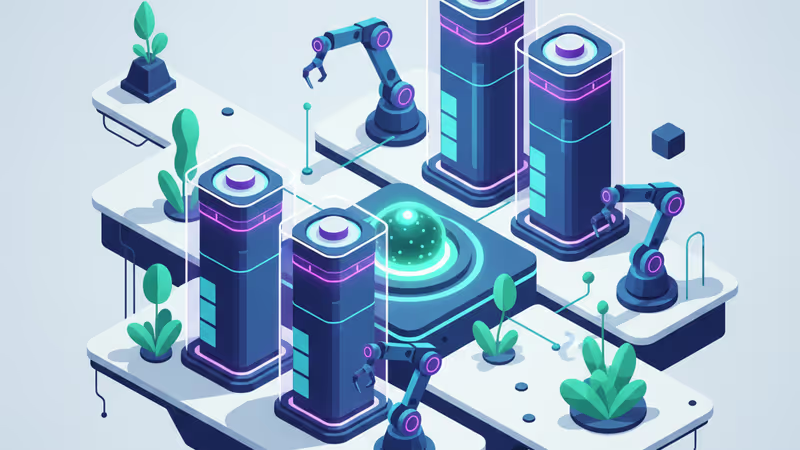
80% Performance Boost at 40% Lower Cost: Meet the Clean Tech Stars of Startup Battlefield 200
TechCrunch's Startup Battlefield 200 highlights a new wave of clean tech innovators. From 80% more efficient batteries to AI-powered tree-planting robots, explore the future of sustainability.
The hunt for the next $100,000 champion is on.TechCrunch just unveiled its Startup Battlefield 200, and this year's lineup proves that the green revolution has moved past idealism into high-performance engineering. Out of thousands of applicants, these selectees are redefining how we power the world.
Waste as the New Gold Mine
Modern clean tech isn't just about saving the planet—it's about fixing the supply chain. AraBat isn't using toxic chemicals to recycle batteries; they're using citrus peels. Meanwhile, HKG Energy claims its silicon material boosts battery performance by 80% while cutting costs by 40%. These startups aren't asking for subsidies; they're offering better margins.

The AI and Robotics Integration
Efficiency is the recurring theme. Gemini Energy is targeting data centers with combustion-free fuel cells that can be deployed in months, bypassing the years-long grid upgrade process. In the field, Namu Robotics is solving the labor shortage in forestry with autonomous tree-planting robots, and Xatoms is leveraging quantum chemistry and AI to discover new molecules for water purification.
Authors
Related Articles
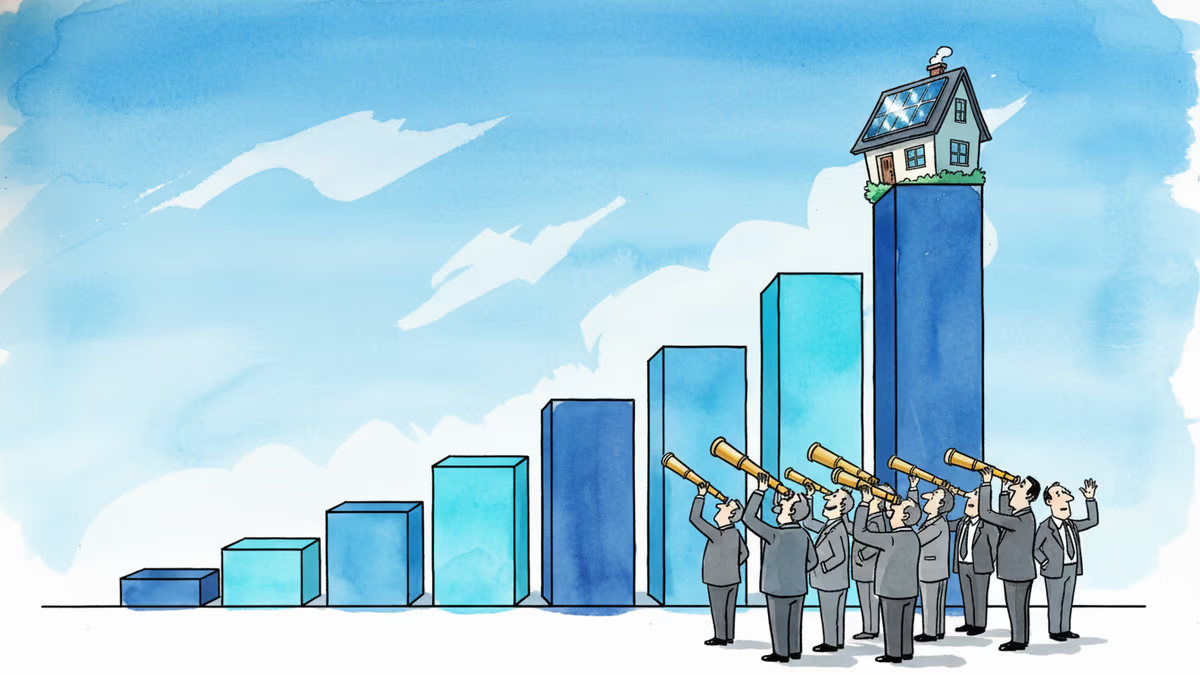
SolarSquare is raising $55-60M at a $450-500M valuation, more than doubling its worth in 18 months. Here's what's driving investor conviction in India's residential solar market.
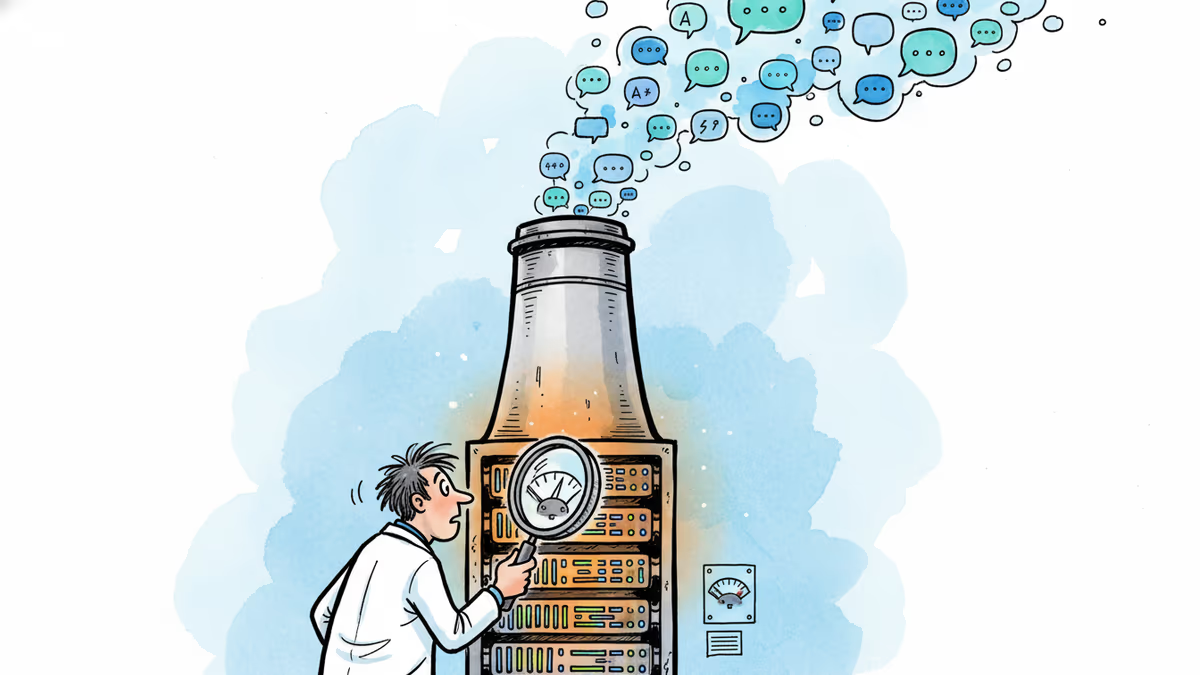
AI sustainability researcher Sasha Luccioni is launching a new venture to push for energy transparency in AI. Here's why Big Tech keeps the numbers hidden—and what's starting to change.
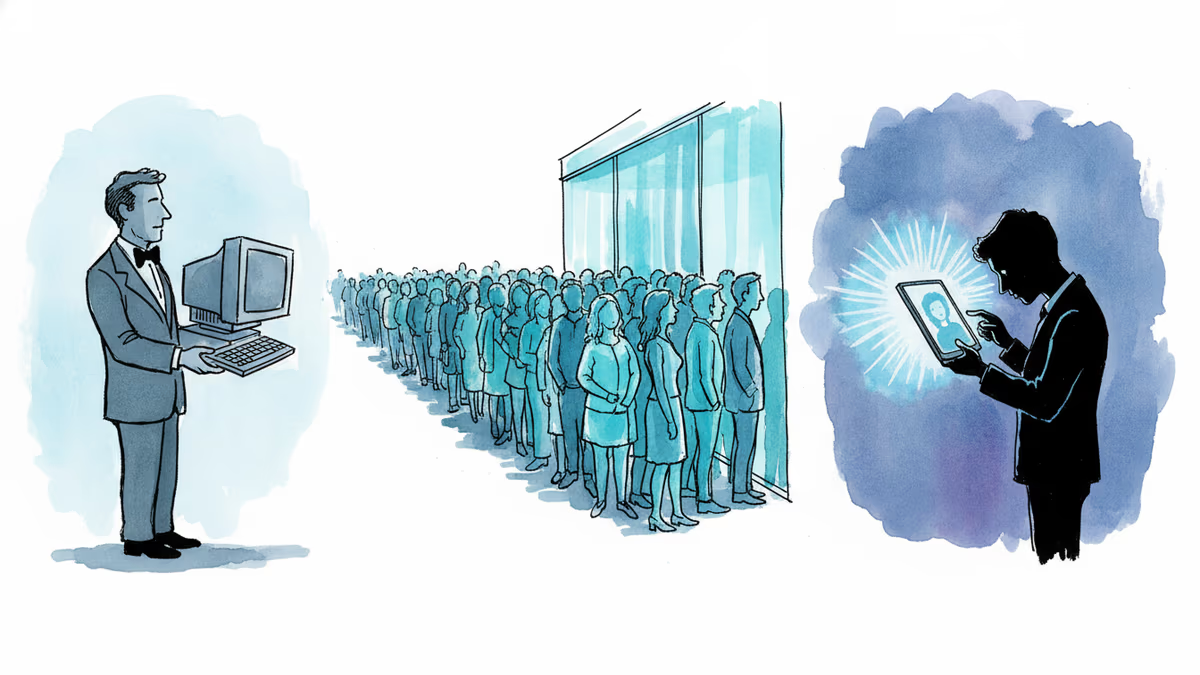
Apple turns 50. From a garage in 1976 to the world's most valuable company, the real story isn't about products — it's about how Apple made technology feel like identity.
The original Macintosh had too little memory, almost no software, and helped get Steve Jobs fired. Forty years later, it's considered one of the most important computers ever made. What gives?
SolarSquare is raising $55-60M at a $450-500M valuation, more than doubling its worth in 18 months. Here's what's driving investor conviction in India's residential solar market.
AI sustainability researcher Sasha Luccioni is launching a new venture to push for energy transparency in AI. Here's why Big Tech keeps the numbers hidden—and what's starting to change.
Apple turns 50. From a garage in 1976 to the world's most valuable company, the real story isn't about products — it's about how Apple made technology feel like identity.
The original Macintosh had too little memory, almost no software, and helped get Steve Jobs fired. Forty years later, it's considered one of the most important computers ever made. What gives?
Thoughts
Share your thoughts on this article
Sign in to join the conversation