
When AI Became the Star of Super Bowl Advertising
The 2026 Super Bowl marked a turning point as AI took center stage in both creating and promoting advertisements, sparking industry-wide debates.
In an event where 30-second spots cost over $7 million, the 2026 Super Bowl witnessed something unprecedented: AI didn't just appear in ads—it made them.
The First AI-Generated Super Bowl Commercial
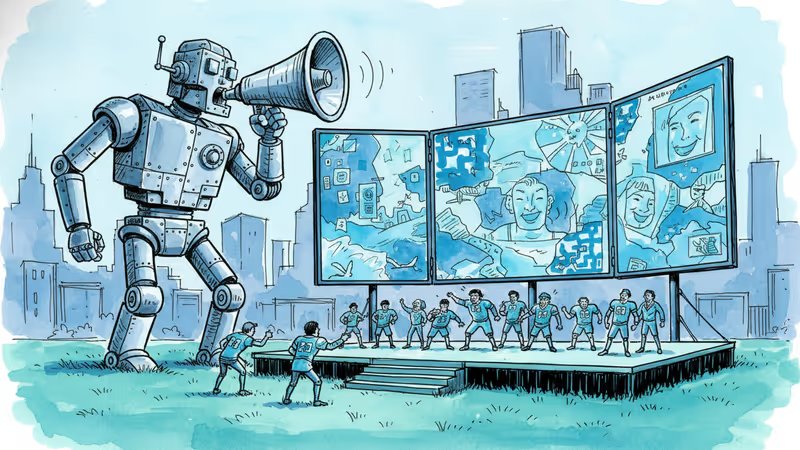
Svedka vodka broke new ground with what it claims as the first "primarily" AI-generated national Super Bowl spot. The 30-second ad, "Shake Your Bots Off," featured the brand's robot character Fembot and her new companion Brobot dancing at a human party.
According to parent company Sazerac, it took roughly four months to reconstruct Fembot and train AI to mimic facial expressions and body movements. However, certain aspects like storyline development remained human-driven.
The commercial was created in partnership with Silverside AI, the same team behind controversial AI-generated Coca-Cola commercials. It's a bold gamble to debut AI-generated content during the Super Bowl, an event synonymous with star-studded, high-production advertisements.
The AI Wars Go Mainstream
Anthropic used its Super Bowl moment not just to promote Claude but to throw shade at competitors. The ad jabbed at OpenAI's plan to introduce ads to ChatGPT with the tagline: "Ads are coming to AI. But not to Claude."
The commercial poked fun at the idea of helpful AI assistants suddenly becoming hype machines for products like "Step Boost Maxx" insoles. This wasn't just marketing—it escalated into an online feud when OpenAI'sSam Altman fired back on social media, calling the ad "clearly dishonest."

While we didn't get another Kendrick vs. Drake rap battle, we got the AI industry's nerdy equivalent.
Meta showcased its Oakley-branded AI glasses through extreme sports scenarios, featuring iShowSpeed and filmmaker Spike Lee. Amazon took a darkly comedic approach with Chris Hemsworth in an "AI is out to get me" storyline, introducing the enhanced Alexa+.
Beyond the Spectacle: Real Business Impact
The implications extend far beyond entertainment value. Ring's "Search Party" feature, which uses AI to reunite lost pets with owners, has already helped more than one dog per day find their way home. Google demonstrated its Nano Banana Pro image-generation model for home design.
Even B2B companies joined the AI showcase. Ramp featured Brian Baumgartner from "The Office" using AI-powered spend management, while Rippling used comedian Tim Robinson to highlight HR automation.
The advertising industry itself is grappling with fundamental questions. If AI can create compelling 30-second spots for the world's biggest advertising stage, what does this mean for creative agencies, production houses, and the thousands of professionals who make their living crafting campaigns?
The Creative Paradox
Here's the irony: while AI companies spent millions promoting their creative capabilities, the most talked-about moment came from very human drama—Altman's response to Anthropic's jab. Authentic conflict and genuine emotion still capture attention in ways algorithms struggle to replicate.
Svedka's emphasis on being "primarily" AI-generated is telling. The company felt compelled to acknowledge human involvement, suggesting even AI advocates recognize the value of human creativity.
Authors
Related Articles

Samsung and SK unveiled a chip and AI investment package worth thousands of trillions of won on June 29. The headline number swings wildly by outlet, but the real contest isn't capital — it's water and power.
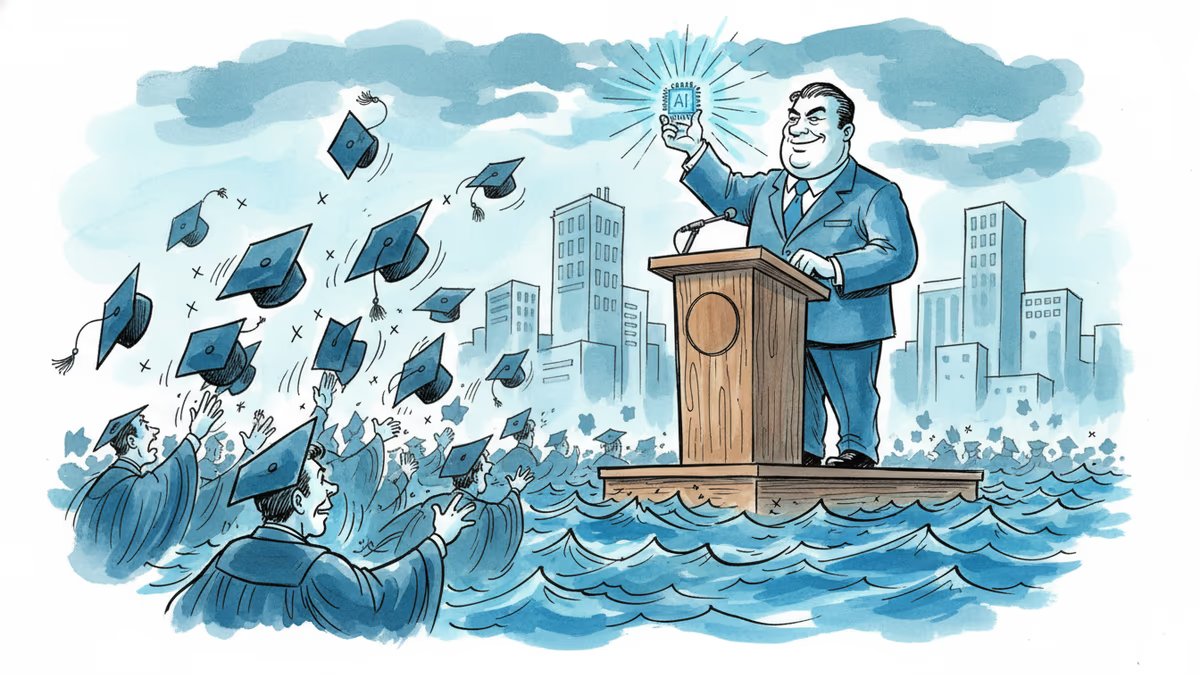
Viral videos show 2026 graduates jeering executives who praise AI at commencement ceremonies. It's not just rudeness — it's a signal about who pays for technological optimism.
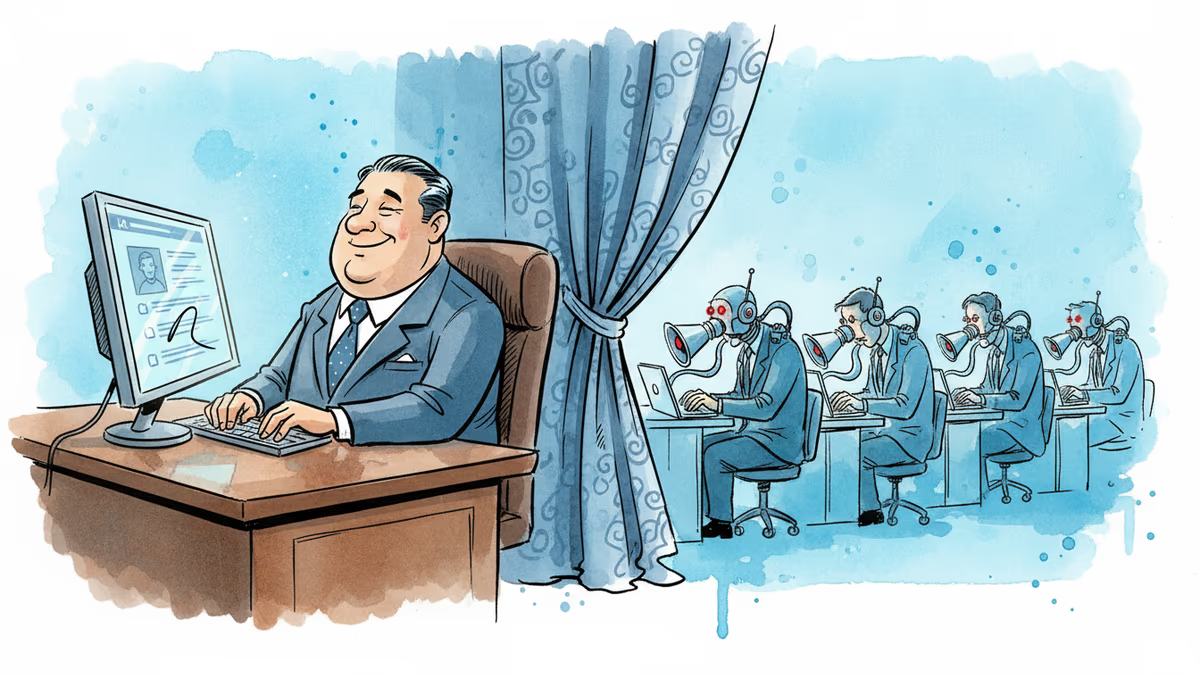
Filipino virtual assistants using AI to ghost-manage LinkedIn profiles for executives is now a structured industry. 30 comments a day, fake engagement rings, and a platform struggling to tell real from fabricated.
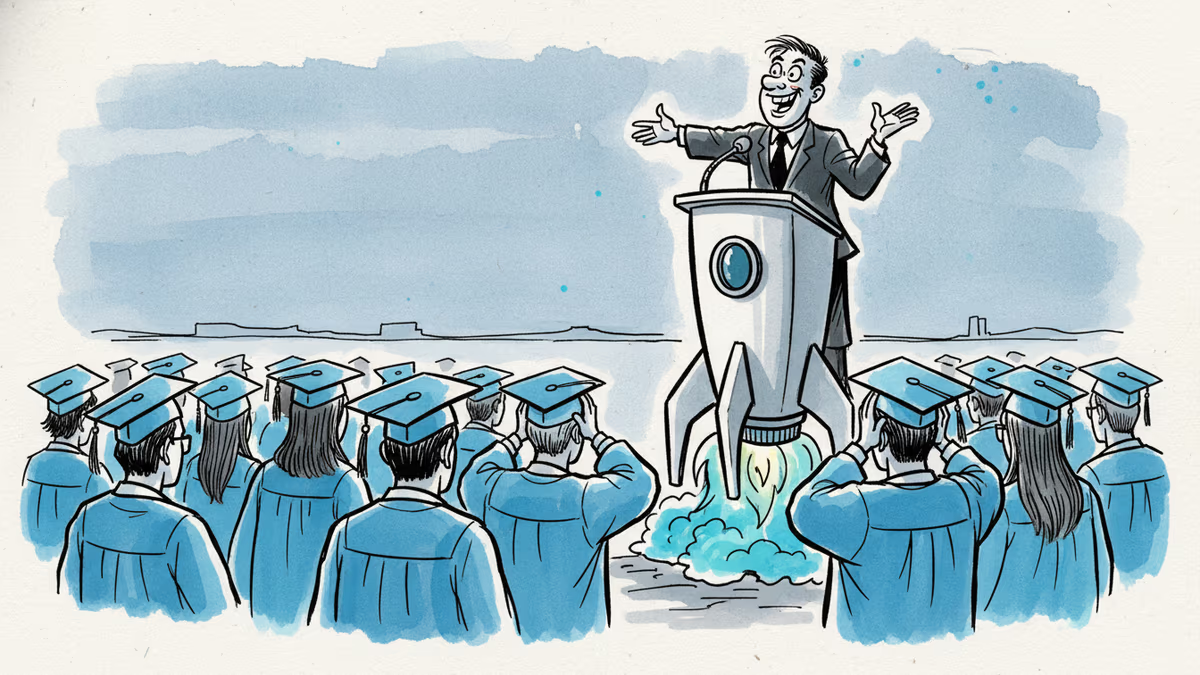
Two commencement speakers learned the hard way that AI enthusiasm doesn't land well with today's graduates. The backlash reveals a widening gap between tech optimism and Gen Z's economic reality.
Samsung and SK unveiled a chip and AI investment package worth thousands of trillions of won on June 29. The headline number swings wildly by outlet, but the real contest isn't capital — it's water and power.
Viral videos show 2026 graduates jeering executives who praise AI at commencement ceremonies. It's not just rudeness — it's a signal about who pays for technological optimism.
Filipino virtual assistants using AI to ghost-manage LinkedIn profiles for executives is now a structured industry. 30 comments a day, fake engagement rings, and a platform struggling to tell real from fabricated.
Two commencement speakers learned the hard way that AI enthusiasm doesn't land well with today's graduates. The backlash reveals a widening gap between tech optimism and Gen Z's economic reality.
Thoughts
Share your thoughts on this article
Sign in to join the conversation