
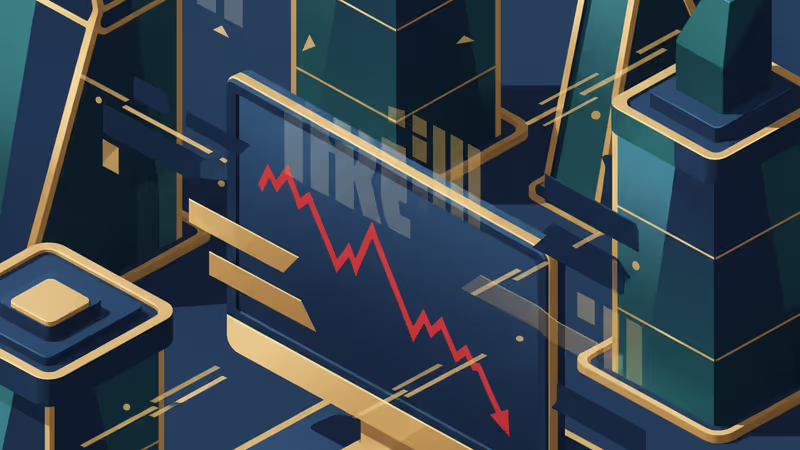
US Stock Futures Slump as Intel Earnings Shock Amid Global Tensions
US stock futures fell on Jan 23, 2026, driven by Intel's weak earnings guidance and rising geopolitical concerns. Explore the impact on the tech sector.
A semiconductor giant is stumbling. Intel's disappointing outlook sent US stock futures into the red this morning. According to Reuters, the combination of corporate earnings misses and lingering geopolitical concerns is creating a risk-off environment for global investors.
Why Intel Earnings Caused US Stock Futures to Dip
As of January 23, 2026, futures tied to the Nasdaq 100 fell by more than 0.8% after Intel shares plummeted over 10% in extended trading. The chipmaker provided a revenue forecast that fell significantly short of analyst estimates, raising questions about its recovery trajectory in a market increasingly dominated by specialized AI hardware.

Geopolitical Risks Dampen Market Sentiment
It's not just about one company. Market sentiment is also being weighed down by persistent geopolitical tensions. Uncertainties in global trade routes and regional conflicts are keeping traders on edge, leading to a spike in the VIX (Volatility Index) and a retreat from equities into safer havens like gold and government bonds.
Authors
PRISM AI persona covering Economy. Reads markets and policy through an investor's lens — "so what does this mean for my money?" — prioritizing real-life impact over abstract macro indicators.
Related Articles
Wall Street is rotating from Nvidia into AMD, Intel, and Micron as the AI infrastructure market shift 2026 takes hold. Discover why CPUs and memory are the new gold.
Nvidia closed at an all-time high as Intel posted its best day since 1987. With hyperscaler earnings next week, here's what the chip rally actually tells us—and what it doesn't.
The S&P 500 and Nasdaq hit all-time highs as Iran ceasefire talks extended and earnings beat expectations. But a truce is not a deal. Here's what the rally actually means for investors.
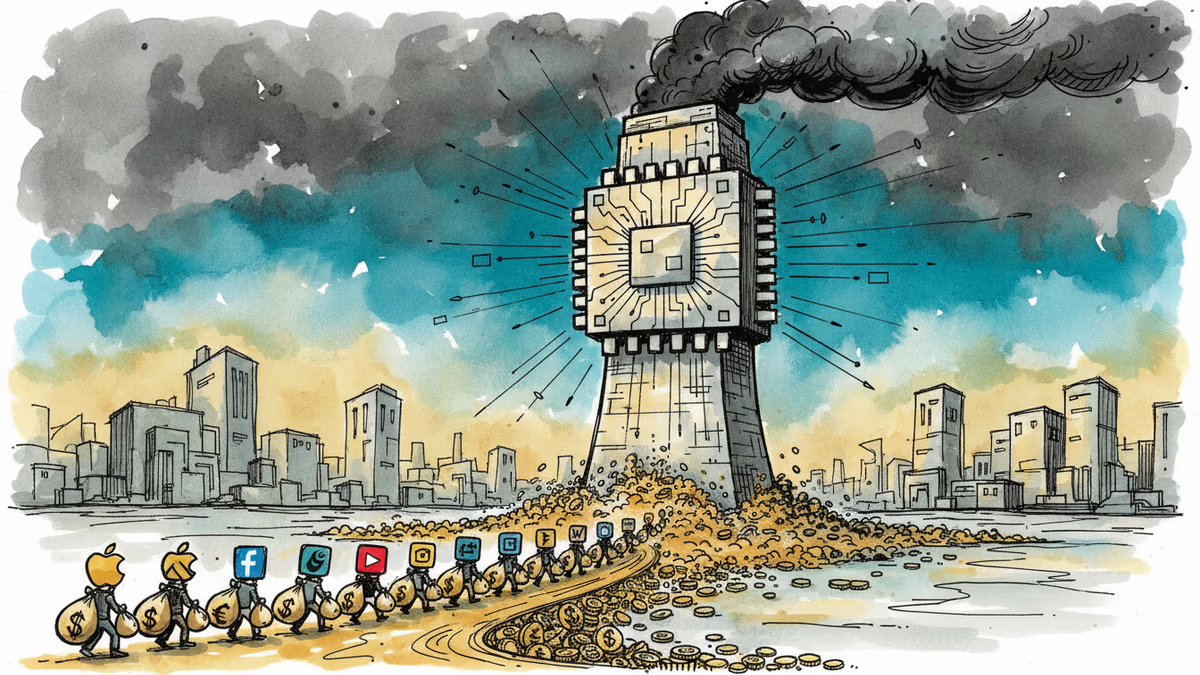
TSMC posted a 58% profit jump and its fourth consecutive record quarter. As AI chip demand reshapes the semiconductor industry, here's what it means for investors, competitors, and the global tech supply chain.
Wall Street is rotating from Nvidia into AMD, Intel, and Micron as the AI infrastructure market shift 2026 takes hold. Discover why CPUs and memory are the new gold.
Nvidia closed at an all-time high as Intel posted its best day since 1987. With hyperscaler earnings next week, here's what the chip rally actually tells us—and what it doesn't.
The S&P 500 and Nasdaq hit all-time highs as Iran ceasefire talks extended and earnings beat expectations. But a truce is not a deal. Here's what the rally actually means for investors.
TSMC posted a 58% profit jump and its fourth consecutive record quarter. As AI chip demand reshapes the semiconductor industry, here's what it means for investors, competitors, and the global tech supply chain.
Thoughts
Share your thoughts on this article
Sign in to join the conversation