
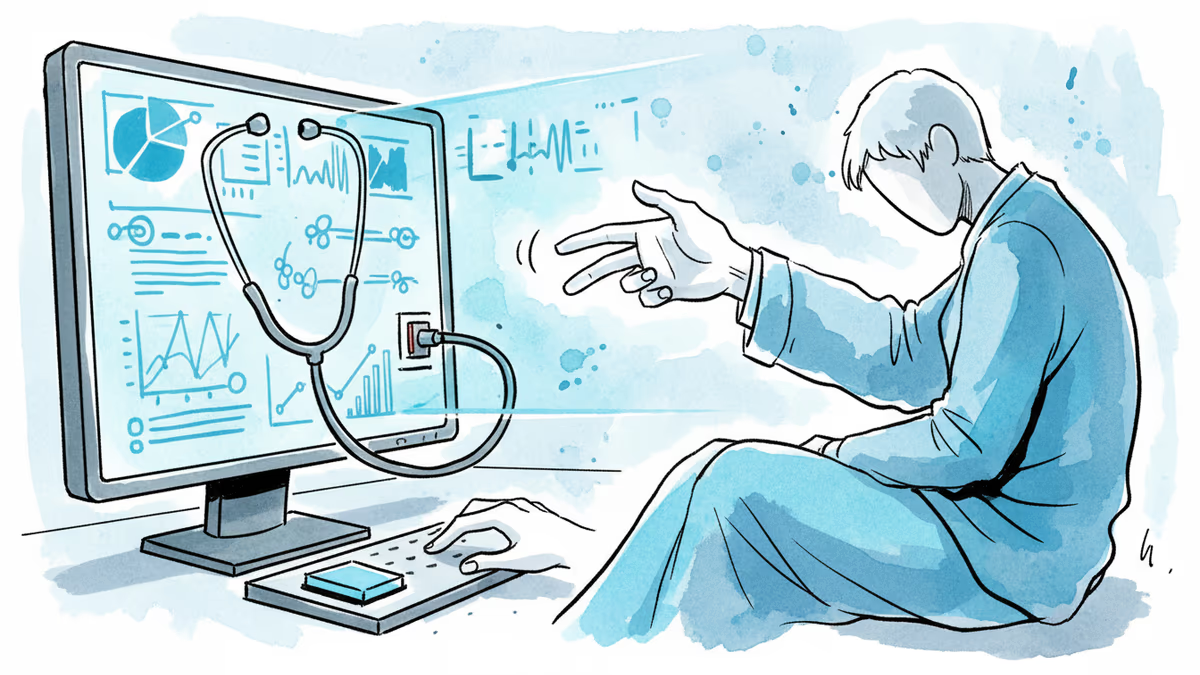
When AI Starts Making Life-or-Death Decisions in the ER
HBO's The Pitt reveals the unsettling reality of AI-driven healthcare. As hospitals embrace generative AI, doctors grapple with efficiency versus humanity.
The Most Terrifying Scene Isn't What You'd Expect
In HBO's medical drama The Pitt, the most unsettling moments aren't the bloody trauma cases or gruesome injuries. They're the quiet scenes where AI systems diagnose patients before doctors even enter the room. The show's slow-burning subplot about generative artificial intelligence in hospitals feels more like psychological horror than medical drama.
And it's happening right now. Major hospital systems across the US are rapidly deploying AI diagnostic tools, with 30% of emergency room patients already undergoing AI-powered initial screening. The question isn't whether AI will transform healthcare—it's whether we're ready for what comes next.
Doctors Are Divided: Helper or Replacement?
Dr. Sarah Chen, an ER physician at Johns Hopkins, describes the daily reality: "The AI flags potential sepsis cases I might have missed, but it also suggests treatments that don't account for the patient sitting in front of me." Her experience reflects a broader tension in the medical community.
Recent surveys show 65% of physicians view AI as a valuable diagnostic aid, while 40% worry about losing clinical autonomy. The numbers tell a complex story: AI-assisted diagnoses reduce diagnostic errors by 23%, but patient interaction time has dropped from an average of 12 minutes to 8 minutes per visit.
Mayo Clinic reports different dynamics. "AI handles routine screenings, freeing us for complex cases," says one internal medicine resident. But veteran doctors express concern about younger physicians becoming overly dependent on algorithmic recommendations.

Patients Want Human Doctors, But Trust AI Accuracy
Here's where it gets interesting. A Stanford study found that 72% of patients prefer human doctors for final decisions, yet 58% believe AI provides more accurate diagnoses. This contradiction reveals our complicated relationship with medical automation.
Patients under 35 show more comfort with AI-driven care, while those over 50 actively request "human oversight" of AI recommendations. The legal implications remain murky—when AI makes a diagnostic error, who bears responsibility?
The Insurance Industry Is Watching
Insurance companies are quietly reshaping healthcare economics around AI capabilities. Anthem and UnitedHealth now offer premium reductions for hospitals using certified AI diagnostic systems, arguing they reduce costly misdiagnoses. But this creates pressure on healthcare providers to adopt AI tools regardless of physician comfort levels.
The financial incentives are stark: hospitals using AI diagnostic tools report 15% lower malpractice insurance costs and 20% faster patient throughput. In a profit-driven healthcare system, these numbers speak louder than physician preferences.
Beyond The Pitt: What's Really at Stake
The Pitt's portrayal of AI in healthcare isn't science fiction—it's documentary realism. The show captures something deeper than technological adoption: the fundamental question of what medical care should be.
When Google's Med-PaLM can outperform human doctors on medical licensing exams, and Microsoft's healthcare AI can process patient histories faster than any human, we're not just talking about efficiency improvements. We're confronting the possibility that the human element in healthcare—the empathy, intuition, and personal connection—might become a luxury rather than a standard.
Authors
Related Articles
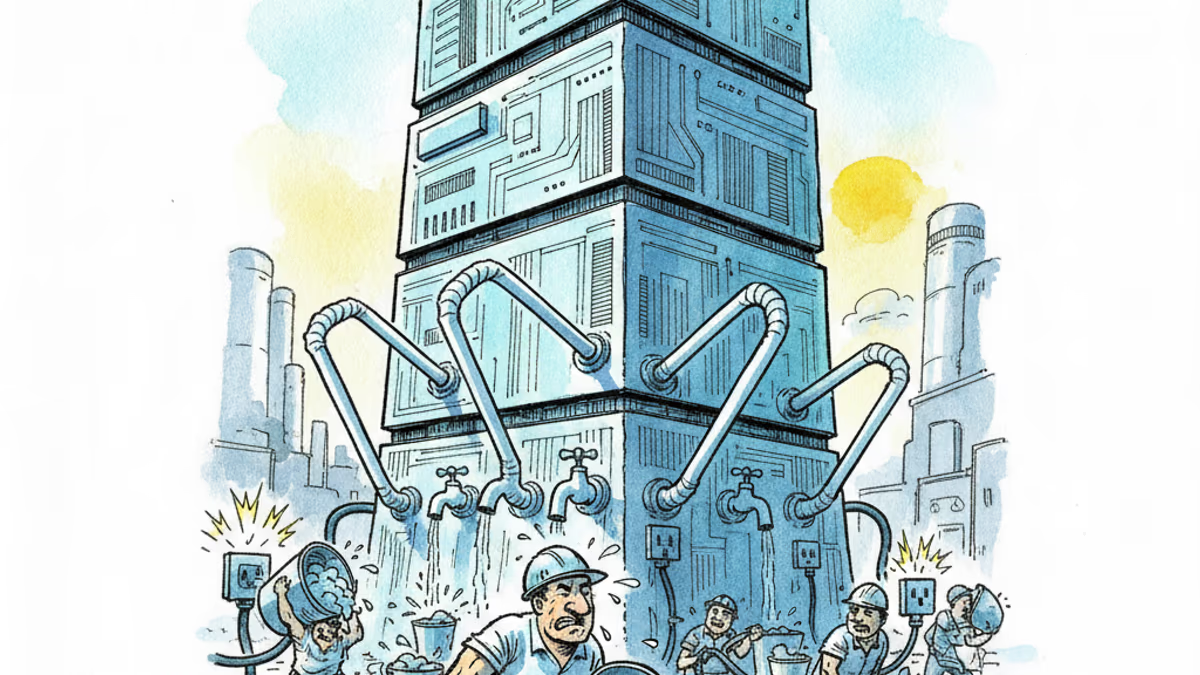
Samsung and SK unveiled a chip and AI investment package worth thousands of trillions of won on June 29. The headline number swings wildly by outlet, but the real contest isn't capital — it's water and power.
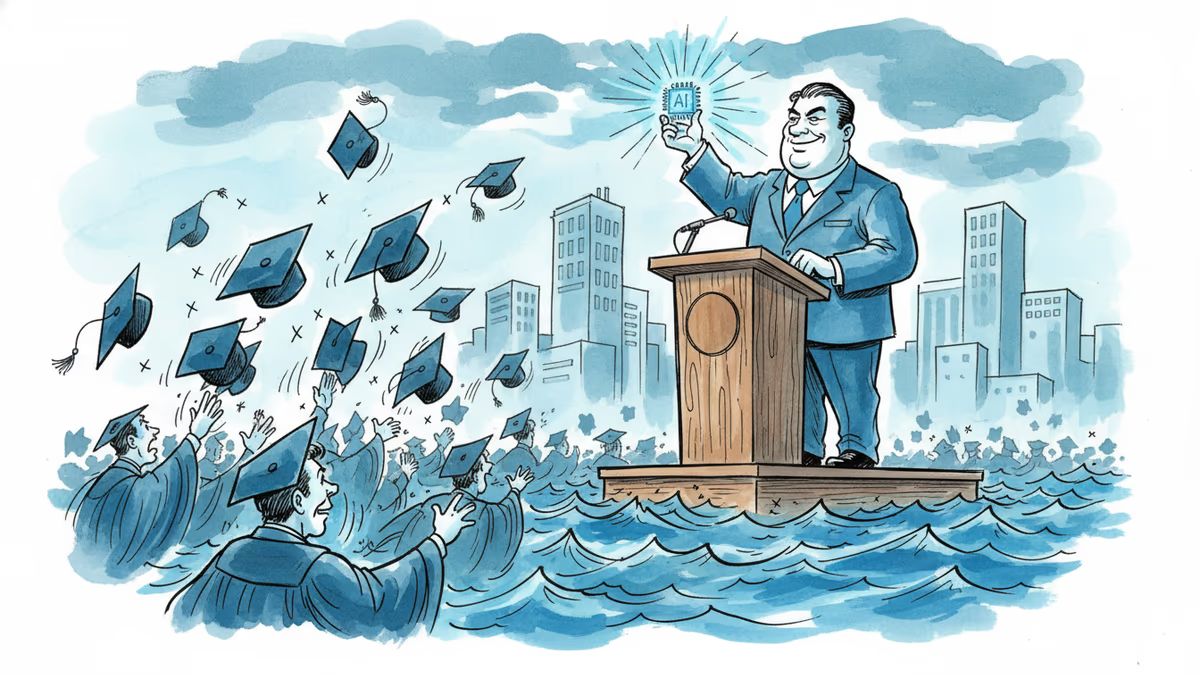
Viral videos show 2026 graduates jeering executives who praise AI at commencement ceremonies. It's not just rudeness — it's a signal about who pays for technological optimism.
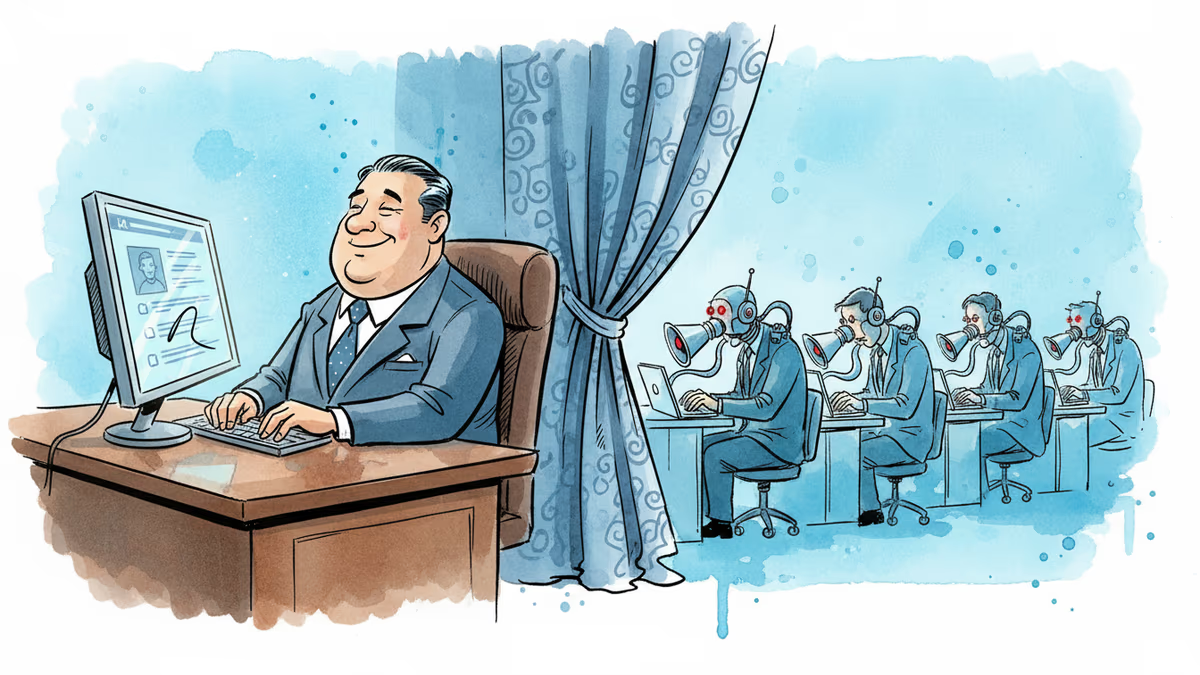
Filipino virtual assistants using AI to ghost-manage LinkedIn profiles for executives is now a structured industry. 30 comments a day, fake engagement rings, and a platform struggling to tell real from fabricated.
Two commencement speakers learned the hard way that AI enthusiasm doesn't land well with today's graduates. The backlash reveals a widening gap between tech optimism and Gen Z's economic reality.
Samsung and SK unveiled a chip and AI investment package worth thousands of trillions of won on June 29. The headline number swings wildly by outlet, but the real contest isn't capital — it's water and power.
Viral videos show 2026 graduates jeering executives who praise AI at commencement ceremonies. It's not just rudeness — it's a signal about who pays for technological optimism.
Filipino virtual assistants using AI to ghost-manage LinkedIn profiles for executives is now a structured industry. 30 comments a day, fake engagement rings, and a platform struggling to tell real from fabricated.
Two commencement speakers learned the hard way that AI enthusiasm doesn't land well with today's graduates. The backlash reveals a widening gap between tech optimism and Gen Z's economic reality.
Thoughts
Share your thoughts on this article
Sign in to join the conversation