
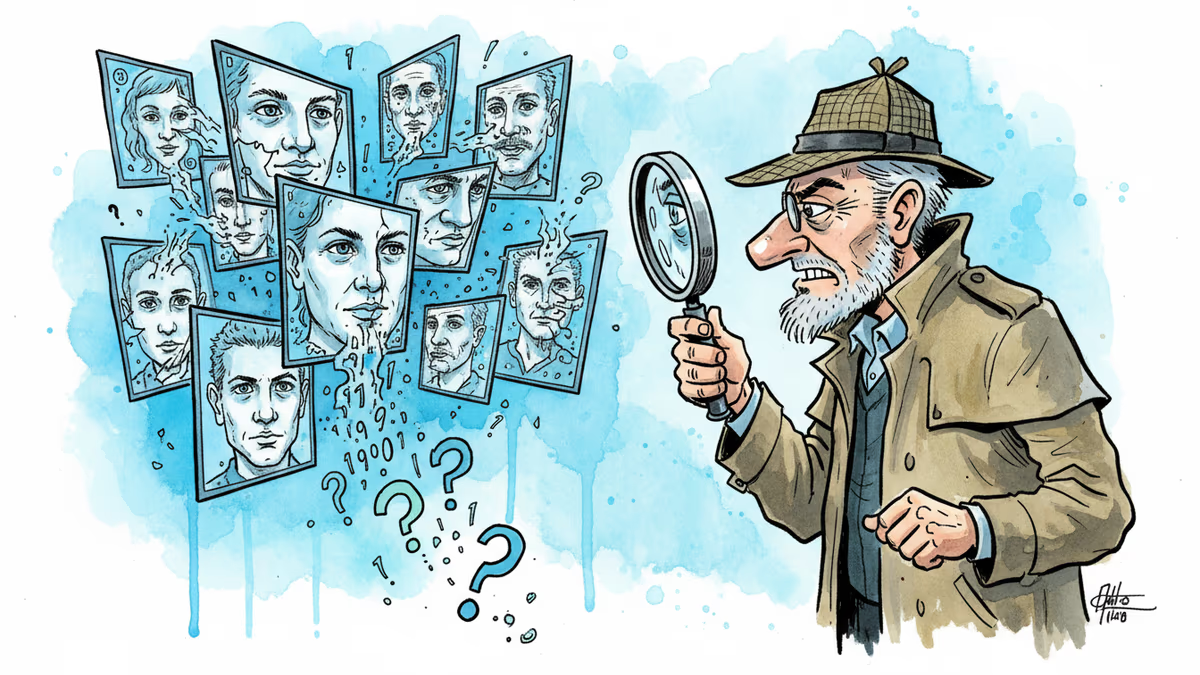
The Truth Wars Have Begun: Microsoft's Battle Plan Against AI Deception
Microsoft proposes new technical standards to combat AI-generated fake content as deepfakes become indistinguishable from reality. Can we still prove what's real online?
962 Cases of Measles, 34 Outbreaks in London, and the Last 'Real' Video You Watched
Think about the viral videos that flooded your social media feeds in recent months. Celebrity confessions, political gaffes, breaking news footage. How many were actually real?
Microsoft's new blueprint, shared exclusively with MIT Technology Review, starts with exactly this question. As AI-generated deception infiltrates our daily digital lives, the company argues we desperately need new ways to prove what's authentic online.
The Evolution of Deception: From Static Fakes to Live Conversations
Microsoft's AI safety research team paints a sobering picture of our current reality. We've moved far beyond simple face-swapping deepfakes. Today's threats include interactive deepfakes that can hold real-time conversations and hyperrealistic AI models accessible to anyone with an internet connection.
The problem? Existing digital manipulation detection methods are failing spectacularly against these advances. "Current verification systems simply can't keep pace with the latest AI developments," the research team concluded, calling for entirely new technical standards.
Microsoft's Three-Pronged Solution
The tech giant's proposed framework centers on three key pillars:
Content Provenance Tracking: Every piece of digital content would carry a "digital fingerprint" documenting its journey from creation to final distribution.

Mandatory AI Company Standards: Developers of AI models would be required to embed "watermarking" capabilities that can identify content generated by their technology.
Platform Verification Systems: Social media companies would adopt standardized verification protocols that work across different platforms.
The Stakeholder Divide: Who Wins, Who Loses?
Tech Companies face a complex calculus. While Meta and Google might welcome industry-wide standards that level the playing field, smaller AI startups worry about compliance costs that could stifle innovation.
Content Creators are split. Professional journalists and filmmakers see verification as protecting their credibility, while some digital artists fear it could stifle creative AI experimentation.
Consumers want protection from deception but also value privacy. Any verification system that tracks content provenance inevitably creates new surveillance capabilities.
The Technical Reality Check
Experts outside Microsoft are skeptical about the feasibility of comprehensive content verification. The fundamental challenge remains: if AI can generate perfect fakes, what stops it from generating perfect fake verification signatures?
Moreover, the proposed standards would require unprecedented cooperation between competing tech giants. Historical precedent suggests this level of industry coordination typically only happens under regulatory pressure.
Beyond Technology: The Human Element
Technical solutions alone won't solve the deepfake problem. Media literacy education, updated legal frameworks, and changes in how we consume and share information are equally crucial.
The speed at which misinformation spreads—often faster than verification systems can process it—means we need cultural shifts alongside technological ones. The "share first, verify later" mentality that dominates social media must evolve.
Authors
Related Articles

Samsung and SK unveiled a chip and AI investment package worth thousands of trillions of won on June 29. The headline number swings wildly by outlet, but the real contest isn't capital — it's water and power.
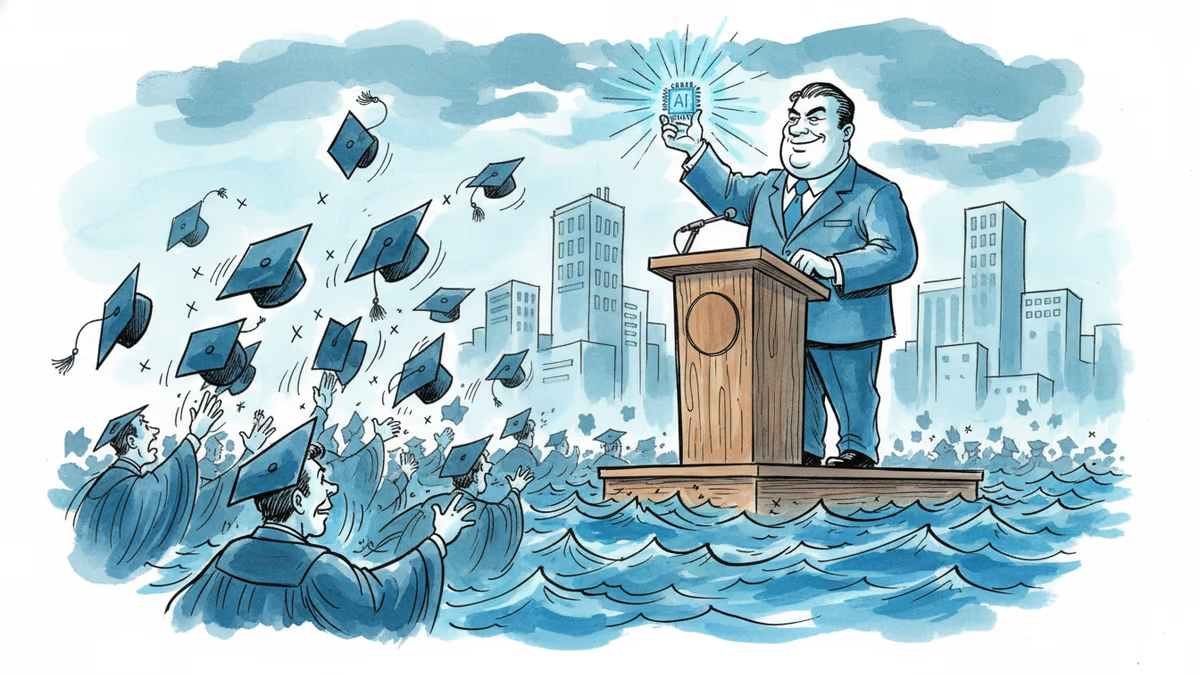
Viral videos show 2026 graduates jeering executives who praise AI at commencement ceremonies. It's not just rudeness — it's a signal about who pays for technological optimism.

GitHub confirmed hackers stole data from 3,800 internal repositories via a poisoned VS Code extension. Here's why developer tools are now the most dangerous attack surface in tech.
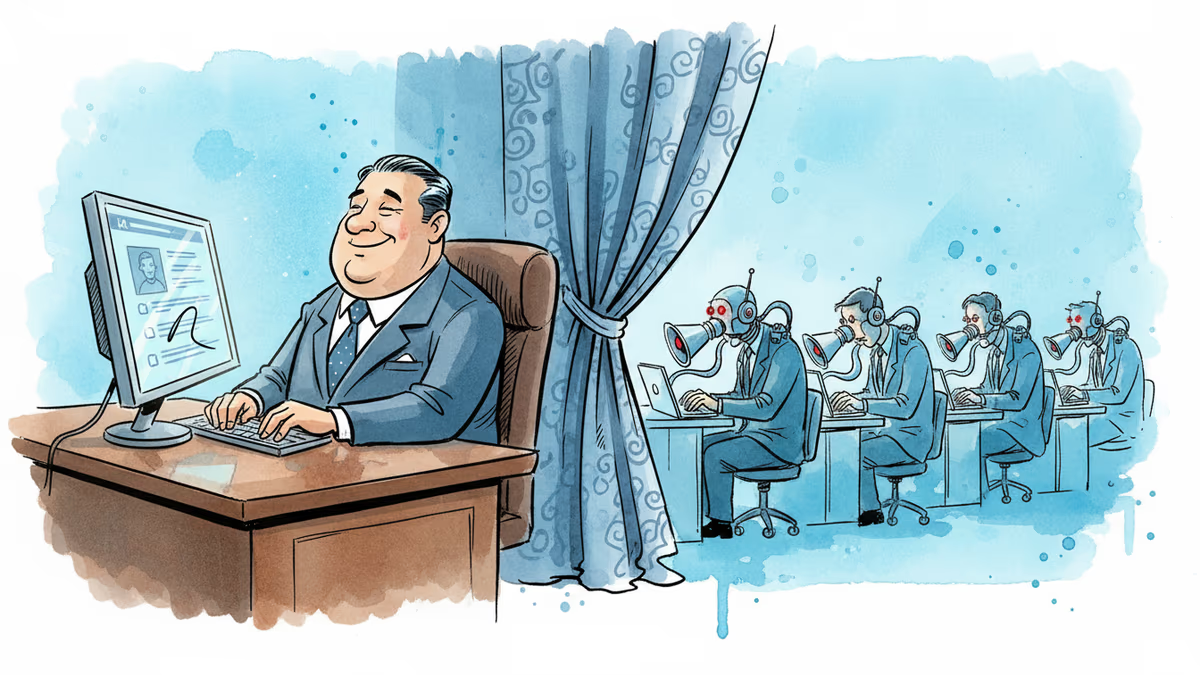
Filipino virtual assistants using AI to ghost-manage LinkedIn profiles for executives is now a structured industry. 30 comments a day, fake engagement rings, and a platform struggling to tell real from fabricated.
Samsung and SK unveiled a chip and AI investment package worth thousands of trillions of won on June 29. The headline number swings wildly by outlet, but the real contest isn't capital — it's water and power.
Viral videos show 2026 graduates jeering executives who praise AI at commencement ceremonies. It's not just rudeness — it's a signal about who pays for technological optimism.
GitHub confirmed hackers stole data from 3,800 internal repositories via a poisoned VS Code extension. Here's why developer tools are now the most dangerous attack surface in tech.
Filipino virtual assistants using AI to ghost-manage LinkedIn profiles for executives is now a structured industry. 30 comments a day, fake engagement rings, and a platform struggling to tell real from fabricated.
Thoughts
Share your thoughts on this article
Sign in to join the conversation