
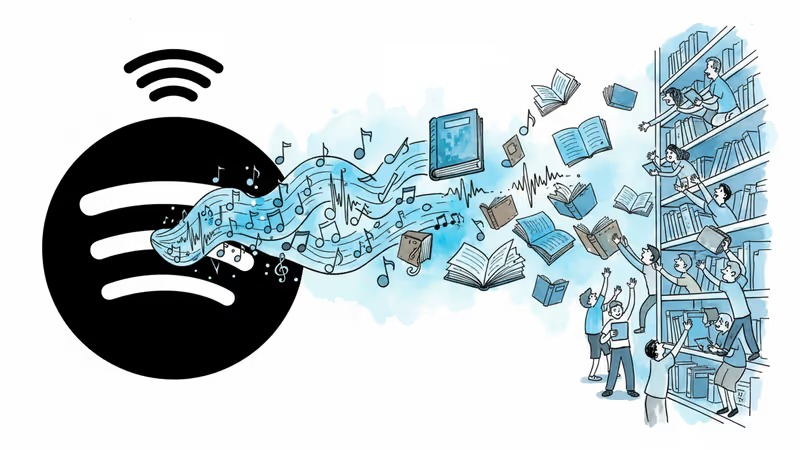
Spotify's Bold Bet: Why a Music App is Now Selling Physical Books
Spotify expands into physical book sales with Page Match technology that bridges print and audio. Partnership with independent bookstores challenges Amazon's dominance in book retail
While Spotify users grumble about another price hike, the company just announced something that might actually add value: they're selling physical books now. Yes, you read that right—a music streaming service is getting into the centuries-old business of paper and ink.
When Digital Goes Physical
Spotify's move into physical book sales, launching this spring in the US and UK, isn't just about diversification. It's about recognizing that many readers still crave the tactile experience of flipping pages, even as they embrace the convenience of audiobooks during commutes.
The integration happens through a simple "Add to your bookshelf at home" button on audiobook pages, which redirects users to Bookshop.org—an online marketplace that supports independent bookstores. Every purchase benefits local book communities, positioning Spotify as the anti-Amazon in book retail.
But the real innovation lies in bridging the gap between formats. The new "Page Match" feature lets users scan any page from a physical book with their phone camera, instantly jumping to that exact spot in the audiobook. It's powered by computer vision and image scanning technology, working across most English-language titles among the platform's 500,000 audiobook catalog.
The Numbers Behind the Strategy
Spotify's audiobook gamble is paying off. Since launching audiobooks two years ago, the platform has seen 36% growth in audiobook users and 37% increase in listening hours. More than half of Spotify's 281 million premium subscribers have engaged with audiobooks—a remarkable adoption rate for a relatively new feature.
These metrics explain why Spotify is doubling down on books. With music streaming margins razor-thin and competition fierce, audiobooks represent a higher-value content category that commands premium pricing and deeper user engagement.

Taking on the Book Retail Giants
By entering physical book sales, Spotify directly challenges Amazon and Barnes & Noble. But their partnership with independent bookstores creates a compelling narrative: supporting local businesses while offering the convenience of a major platform.
This positioning is particularly smart given growing concerns about big tech monopolies. Spotify gets to be the good guy—the platform that helps indie bookstores rather than crushing them. It's a stark contrast to Amazon's approach of dominating through scale and efficiency.
The Seamless Content Experience
The "Page Match" technology represents something bigger than just a cool feature—it's about creating frictionless transitions between content formats. Imagine starting a book on your morning commute via audio, continuing with the physical copy during lunch, then switching back to audio for the evening jog.
This kind of seamless experience is what tech companies excel at, and it's something traditional publishers and bookstores struggle to provide. Spotify is essentially creating the "Netflix for books"—but with the twist of supporting physical media rather than replacing it.
What This Means for Readers and Investors
For consumers, this represents genuine value-add. The ability to seamlessly switch between formats addresses a real pain point for hybrid readers. For investors, it signals Spotify's evolution from a music platform to a broader audio and content ecosystem.
The move also has implications for other streaming services. Could we see Netflix partnering with bookstores to sell books related to their shows? Might Apple integrate physical book sales with their existing book ecosystem?
Authors
Related Articles
iOS 26.4 brings AI-generated playlists to Apple Music. It's convenient, but it raises real questions about taste, discovery, and who controls what you hear.
Spotify's AI-powered Prompted Playlists expand globally, letting users create custom playlists with natural language. What happens when algorithms know us better than we know ourselves?
Spotify partners with SeatGeek for seamless ticket buying. Can this challenge Ticketmaster's venue monopoly or just create new platform dependencies?
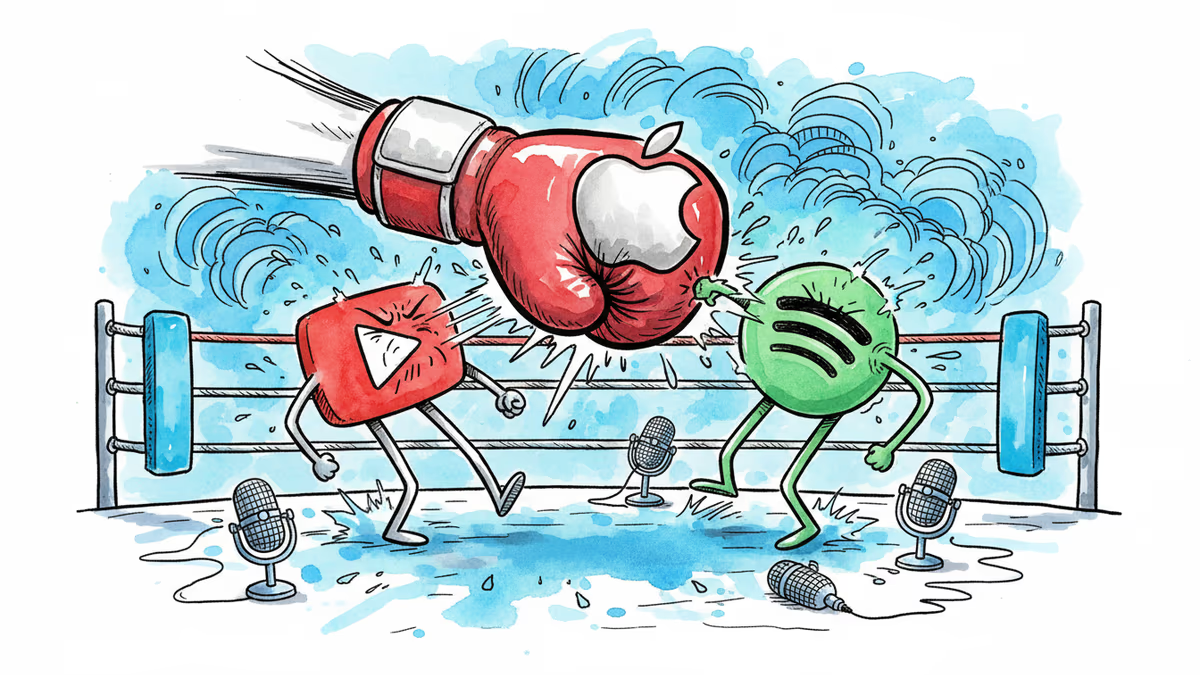
Apple's spring video podcast launch isn't just a feature update. It's a strategic play for the **$51 billion** podcasting market that could reshape how creators monetize content.
iOS 26.4 brings AI-generated playlists to Apple Music. It's convenient, but it raises real questions about taste, discovery, and who controls what you hear.
Spotify's AI-powered Prompted Playlists expand globally, letting users create custom playlists with natural language. What happens when algorithms know us better than we know ourselves?
Spotify partners with SeatGeek for seamless ticket buying. Can this challenge Ticketmaster's venue monopoly or just create new platform dependencies?
Apple's spring video podcast launch isn't just a feature update. It's a strategic play for the **$51 billion** podcasting market that could reshape how creators monetize content.
Thoughts
Share your thoughts on this article
Sign in to join the conversation