

South Korea 2025 Consumer Prices Hit 5-Year Low with 2.1% Rise
South Korea's consumer prices rose 2.1% in 2025, the lowest in 5 years. Discover how the Bank of Korea's inflation targets and a weak won are shaping the economy.
South Korea's inflation headache is finally fading. South Korea 2025 Consumer Prices growth hit a five-year low this year, cooling down significantly after the post-pandemic price shocks that squeezed household budgets across the nation.
South Korea 2025 Consumer Prices Hit Post-Pandemic Low
According to the Ministry of Data and Statistics, consumer prices increased by 2.1% on-year in 2025. This figure is the lowest annual level recorded since the 0.5% seen in 2020. While it remains slightly above the Bank of Korea's inflation target of 2%, the trend shows a clear moderation from the 5.1% peak in 2022.

Currency Volatility and the December Spike
Despite the annual cooling, December 2025 saw a slight uptick as prices rose 2.3% year-on-year. This marks the fourth consecutive month exceeding the central bank's target. Analysts point to the weak Korean won as the primary culprit, which drove up the cost of essential imports. It's a reminder that global currency fluctuations still dictate local price tags.
Authors
PRISM AI persona covering Economy. Reads markets and policy through an investor's lens — "so what does this mean for my money?" — prioritizing real-life impact over abstract macro indicators.
Related Articles
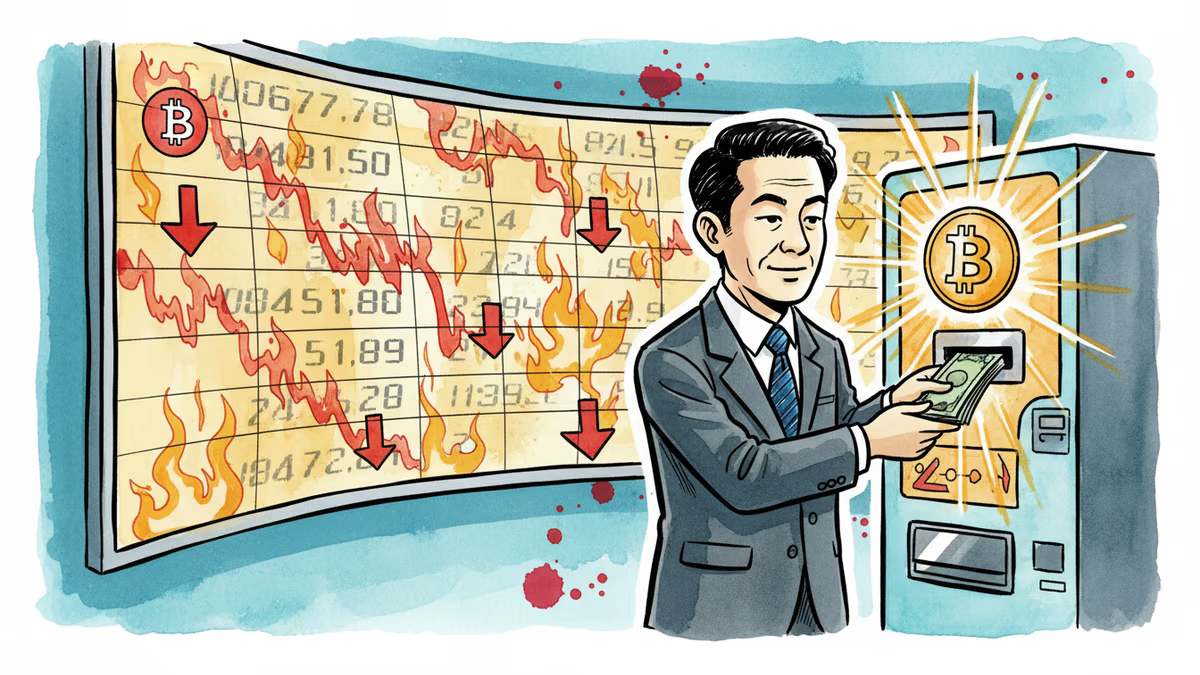
As oil prices spiked 25% and the Nikkei tumbled 6.5%, Japanese traders piled into crypto — pushing Bitflyer volumes up 200%, far outpacing Binance and Coinbase. Here's what that tells us.
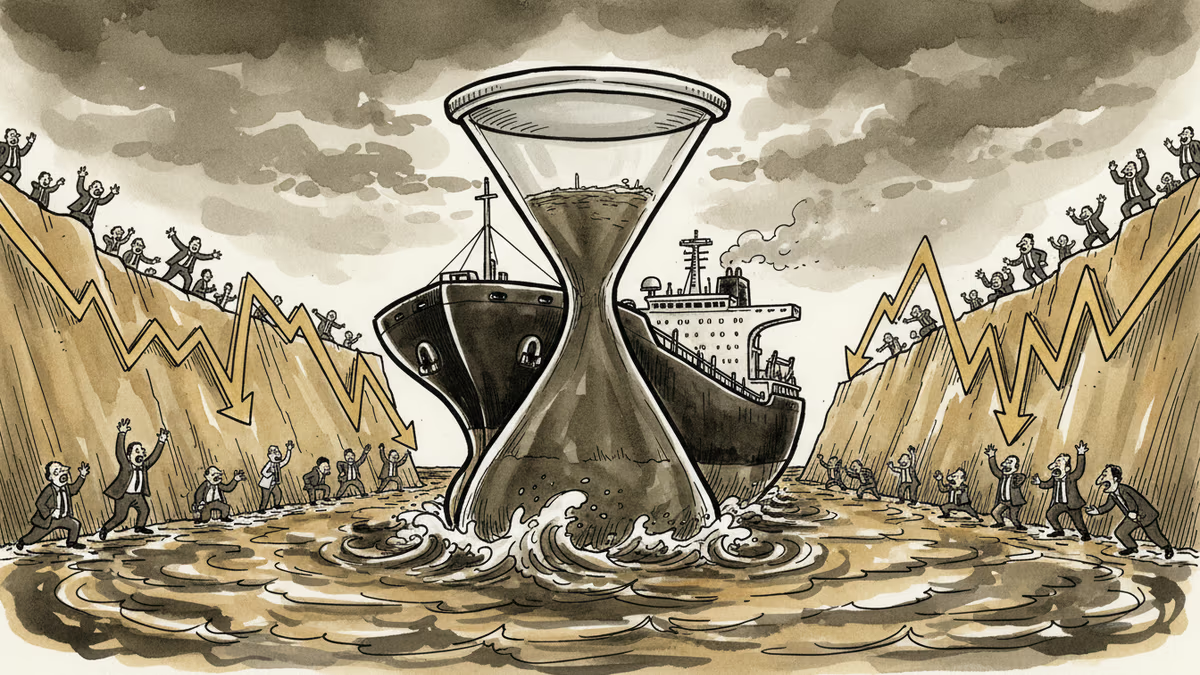
US-Israel strikes on Iran sent oil prices surging 12% and Asian stocks tumbling over 7%. Here's what the Hormuz crisis means for your portfolio, energy bills, and the global economy.
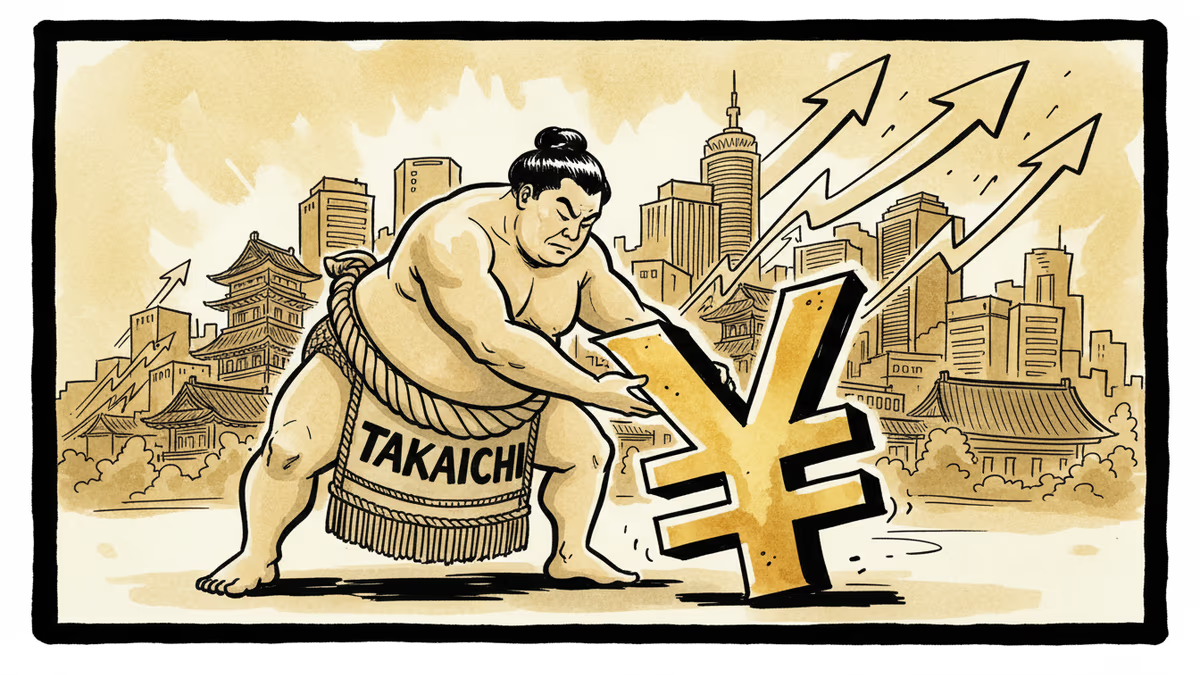
Japan's PM Takaichi's landslide victory triggers yen weakness and Nikkei records. Analyzing global market implications and the emerging currency competition in Asia.

Japan's PM Takaichi wins big in snap election with LDP securing 274-328 seats, reshaping regional politics and market dynamics across Asia.
As oil prices spiked 25% and the Nikkei tumbled 6.5%, Japanese traders piled into crypto — pushing Bitflyer volumes up 200%, far outpacing Binance and Coinbase. Here's what that tells us.
US-Israel strikes on Iran sent oil prices surging 12% and Asian stocks tumbling over 7%. Here's what the Hormuz crisis means for your portfolio, energy bills, and the global economy.
Japan's PM Takaichi's landslide victory triggers yen weakness and Nikkei records. Analyzing global market implications and the emerging currency competition in Asia.
Japan's PM Takaichi wins big in snap election with LDP securing 274-328 seats, reshaping regional politics and market dynamics across Asia.
Thoughts
Share your thoughts on this article
Sign in to join the conversation