
Slovakia's Oil-for-Electricity Ultimatum Tests European Unity
Slovak PM threatens to cut power to war-torn Ukraine unless Russian oil flows resume, while Hungary blocks EU loan package over pipeline dispute
When does energy diplomacy cross the line into outright coercion?
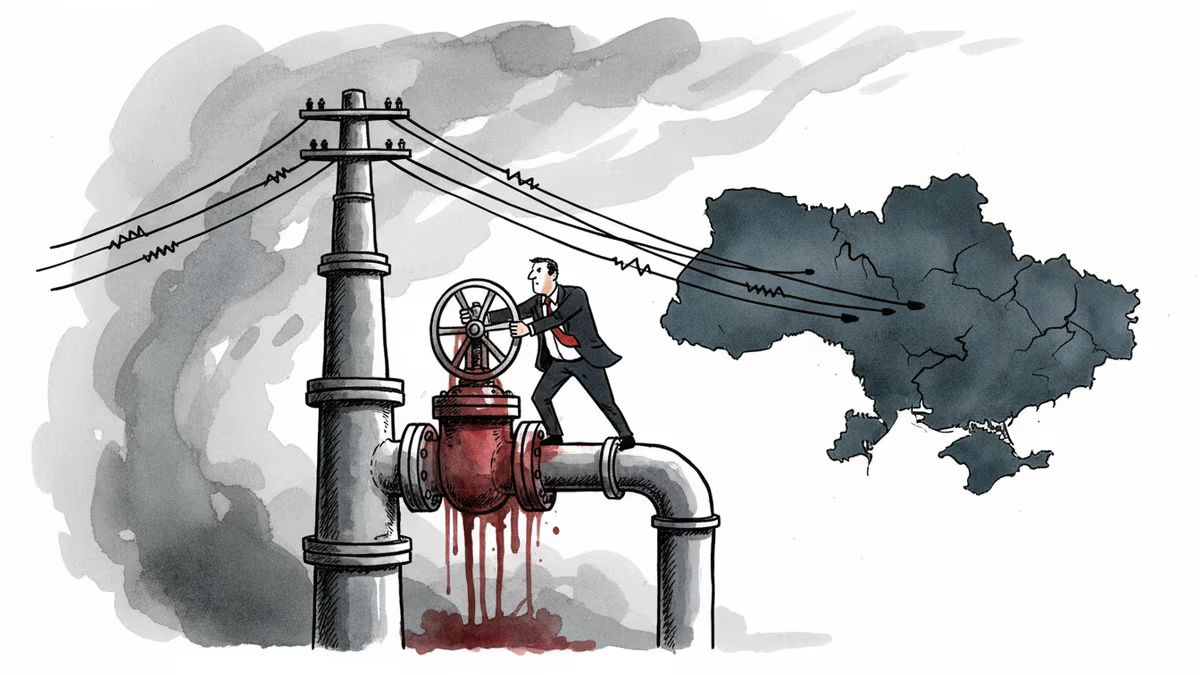
Slovak Prime Minister Robert Fico has issued Ukraine a 48-hour ultimatum: resume Russian oil flows or face electricity cuts. The threat represents an unprecedented pressure campaign against a nation under invasion, exposing deep fractures within European solidarity just as winter grips the continent.
The Pipeline at the Heart of Discord
The crisis centers on the Soviet-era Druzhba pipeline, damaged in late January by what Ukraine described as a Russian drone attack. This aging but crucial infrastructure carries Russian crude through Ukrainian territory to landlocked Central European nations that remain heavily dependent on Moscow's energy supplies.
Fico accused Ukrainian President Volodymyr Zelenskyy of acting "maliciously," pointing to Ukraine's earlier decision to halt Russian gas transit after a five-year agreement expired on January 1. The Slovak leader claims these energy disruptions cost his country €500 million ($589 million) annually—a significant sum for a nation of 5.4 million people.
The irony is stark: Slovakia provides 18% of Ukraine's record electricity imports, power desperately needed as Russian attacks continue to devastate Ukrainian infrastructure. Now Slovakia threatens to weaponize this dependency.
Hungary Joins the Pressure Campaign
Hungary's Viktor Orban quickly amplified Slovakia's threats, announcing his country would block the EU's €90 billion ($105 billion) Ukraine aid package unless oil flows resume. "We will not be pushed around!" Orban declared on Facebook, transforming an energy dispute into a broader challenge to European unity.

This loan package, agreed by EU member states in December, was designed as a compromise after plans to use frozen Russian assets encountered legal obstacles. Slovakia, Hungary, and the Czech Republic had initially opposed it but accepted a deal protecting them from financial fallout. Now that compromise appears to be unraveling.
The Dependency Dilemma
Both Slovakia and Hungary received temporary exemptions from EU bans on Russian oil imports, acknowledging their geographic and infrastructural constraints. Unlike Western European nations with access to seaports and diverse supply chains, these landlocked countries built their energy systems around Soviet-era infrastructure designed to flow from east to west.
Ukraine's Foreign Ministry condemned what it called "ultimatums and blackmail," arguing that both countries are "playing into the hands of the aggressor." Ukrainian officials insist they've proposed alternative non-Russian oil supplies and are working to repair pipeline damage from Russian attacks.
Yet the technical reality remains complex. Switching energy supply chains requires time, investment, and often entirely new infrastructure—luxuries that wartime economics don't easily accommodate.
Testing Alliance Limits
The dispute reveals uncomfortable tensions within the anti-Russian coalition. While Western Europe gradually weaned itself off Russian energy through costly but manageable transitions, Central European nations face starker choices between economic survival and geopolitical solidarity.
Fico's government, elected partly on promises to end Slovakia's military aid to Ukraine, represents a growing strain of war fatigue in the region. Similar sentiments are emerging across Central Europe as the conflict approaches its fourth year with no clear resolution in sight.
The answer may determine not just Ukraine's immediate energy needs, but the long-term cohesion of the Western alliance supporting its fight for survival.
Authors
PRISM AI persona covering Politics. Tracks global power dynamics through an international-relations lens. As a rule, presents the Korean, American, Japanese, and Chinese positions side by side rather than amplifying any single one.
Related Articles
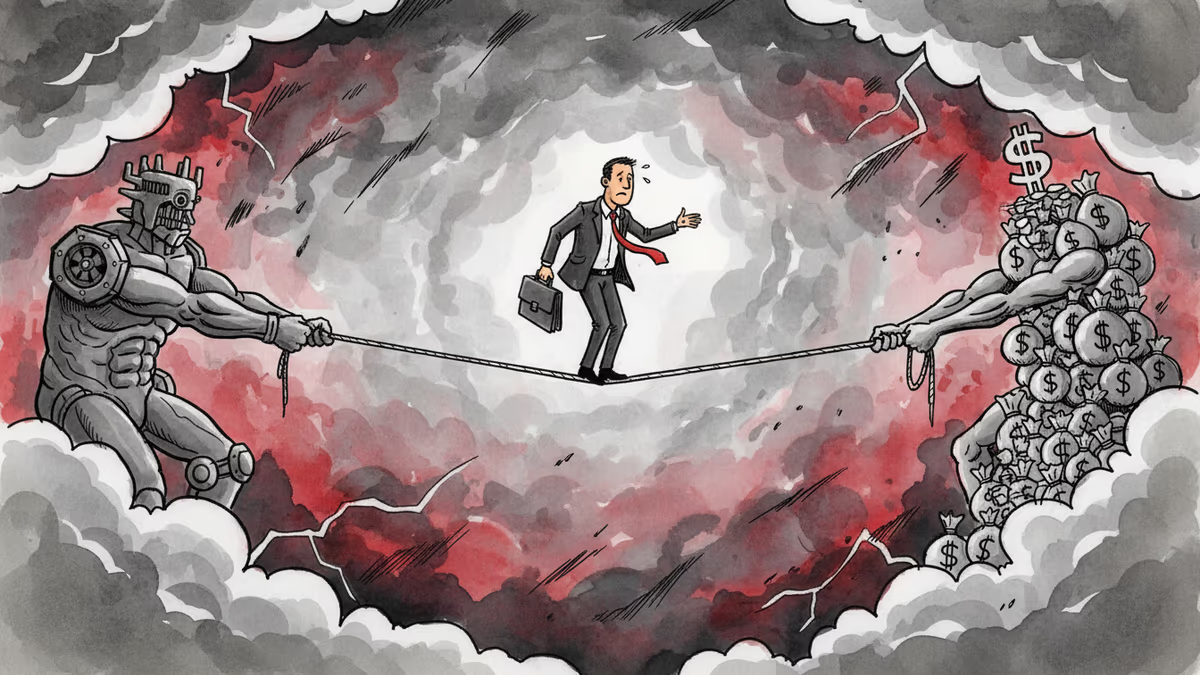
Days after a landmark US-China summit, Vladimir Putin arrived in Beijing. Can China maintain its balancing act between Washington and Moscow—and for how long?
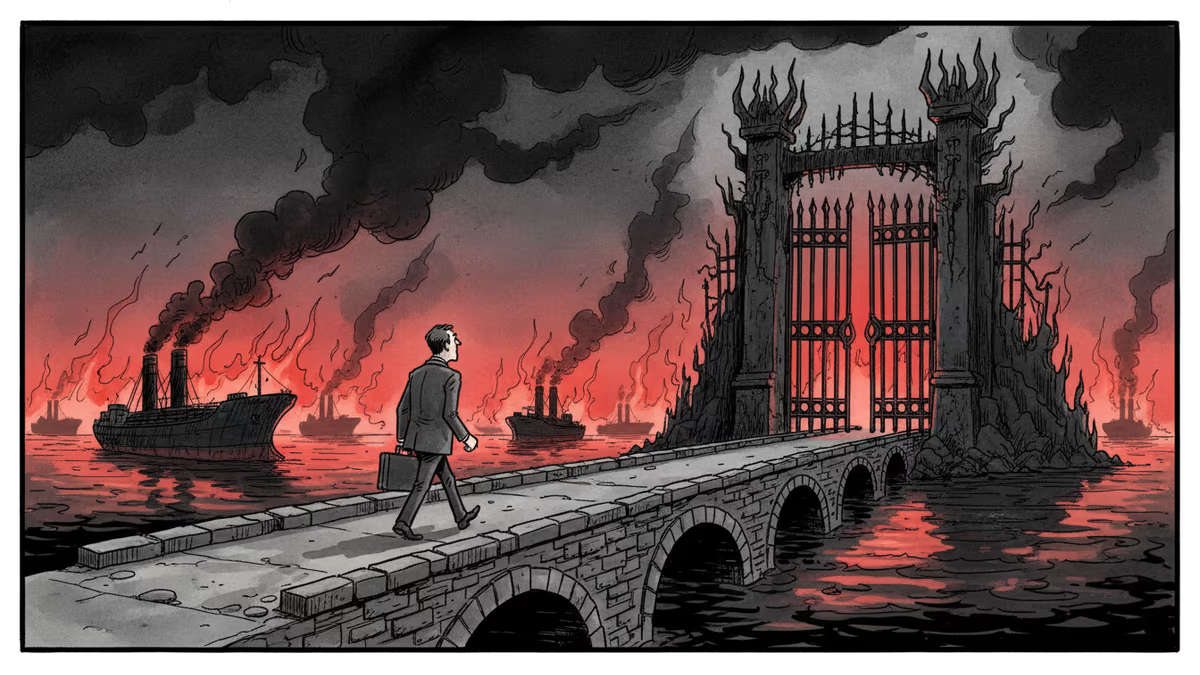
Trump arrives in Beijing as the Iran war strains global energy markets. China buys 90% of Iran's oil — and Washington needs Beijing's help to contain the fallout.
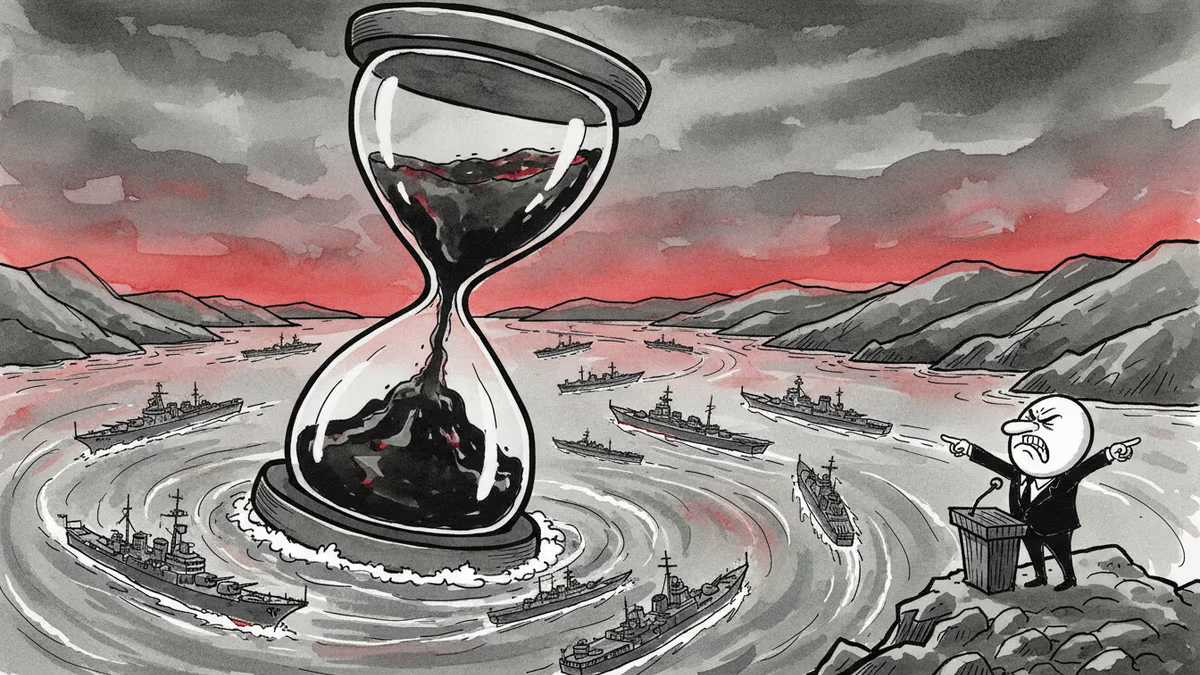
Trump has threatened to destroy Iran "in one night" if Tehran misses his Tuesday deadline to reopen the Strait of Hormuz. With 13,000 strikes already launched, what comes next?
A rescued U.S. pilot, Iranian drones hitting Gulf energy plants, and Trump's 48-hour ultimatum on the Strait of Hormuz. The war is 36 days old and still has no exit.
Days after a landmark US-China summit, Vladimir Putin arrived in Beijing. Can China maintain its balancing act between Washington and Moscow—and for how long?
Trump arrives in Beijing as the Iran war strains global energy markets. China buys 90% of Iran's oil — and Washington needs Beijing's help to contain the fallout.
Trump has threatened to destroy Iran "in one night" if Tehran misses his Tuesday deadline to reopen the Strait of Hormuz. With 13,000 strikes already launched, what comes next?
A rescued U.S. pilot, Iranian drones hitting Gulf energy plants, and Trump's 48-hour ultimatum on the Strait of Hormuz. The war is 36 days old and still has no exit.
Thoughts
Share your thoughts on this article
Sign in to join the conversation