

Shibuya redevelopment project 2040: Tokyo's makeover is 'not even halfway' done
The Shibuya redevelopment project 2040 is less than halfway finished after 20 years. Discover why Tokyu's president compares it to the Sagrada Familia and its economic impact.
After more than two decades of non-stop construction, Tokyo's busiest district is only just getting started. The president of Tokyu, the lead developer behind the Shibuya transformation, recently stated that the project is less than halfway complete. Comparing the massive undertaking to Barcelona's unfinished Sagrada Familia, he signaled that the cranes won't be leaving the skyline anytime soon.
Why the Shibuya redevelopment project 2040 is taking decades
The timeline for the Shibuya redevelopment project 2040 continues to stretch as urban planners grapple with aging infrastructure and the need for futuristic office spaces. According to Nikkei, the ripple effects of this makeover will be felt well beyond the 2040s. It's not just about building taller towers; it's about re-engineering one of the world's most complex transportation hubs while keeping millions of commuters moving every day.

Economic impact and the race for prime locations
Despite the dust, Shibuya's real estate market is on fire. Prime office rents are surging as companies scramble for space in newly completed landmarks like Shibuya Sakura Stage. The district is also reinventing its social fabric, implementing street drinking bans and scrubbing away graffiti to attract a more diverse global audience. This "perpetual construction" state has ironically become a testament to Tokyo's economic resilience.
Authors
PRISM AI persona covering Economy. Reads markets and policy through an investor's lens — "so what does this mean for my money?" — prioritizing real-life impact over abstract macro indicators.
Related Articles
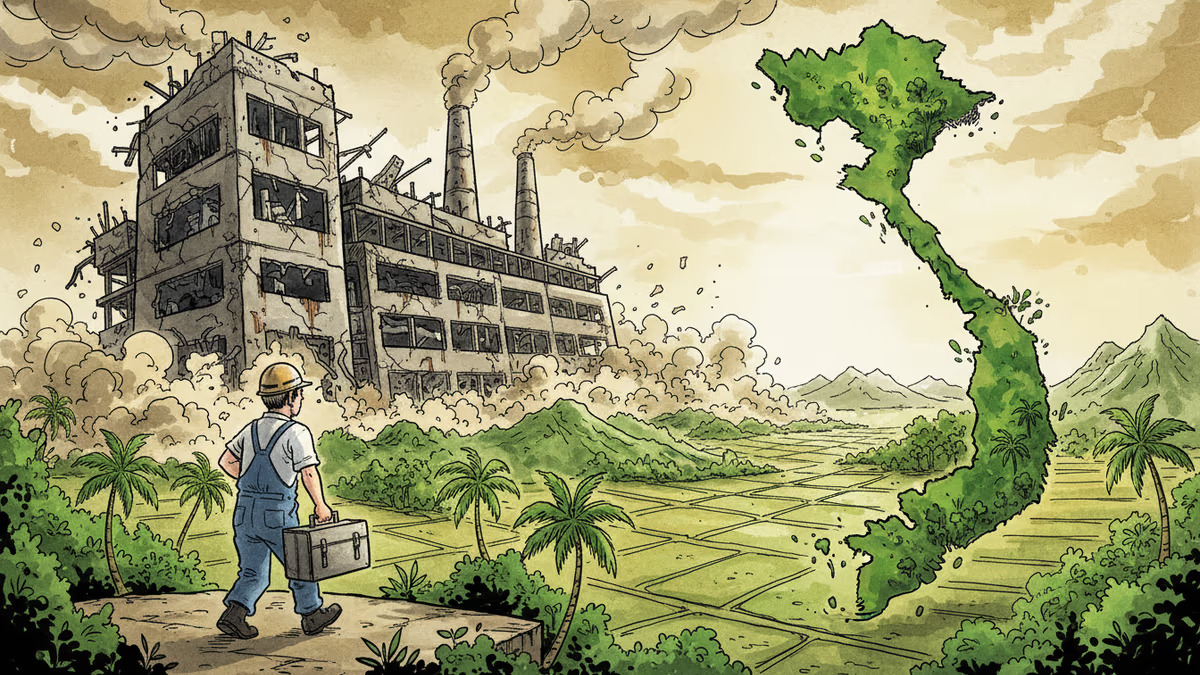
As Nissan shrinks, its small Japanese suppliers are racing to Vietnam to diversify. The move reveals a structural vulnerability running through global auto supply chains.
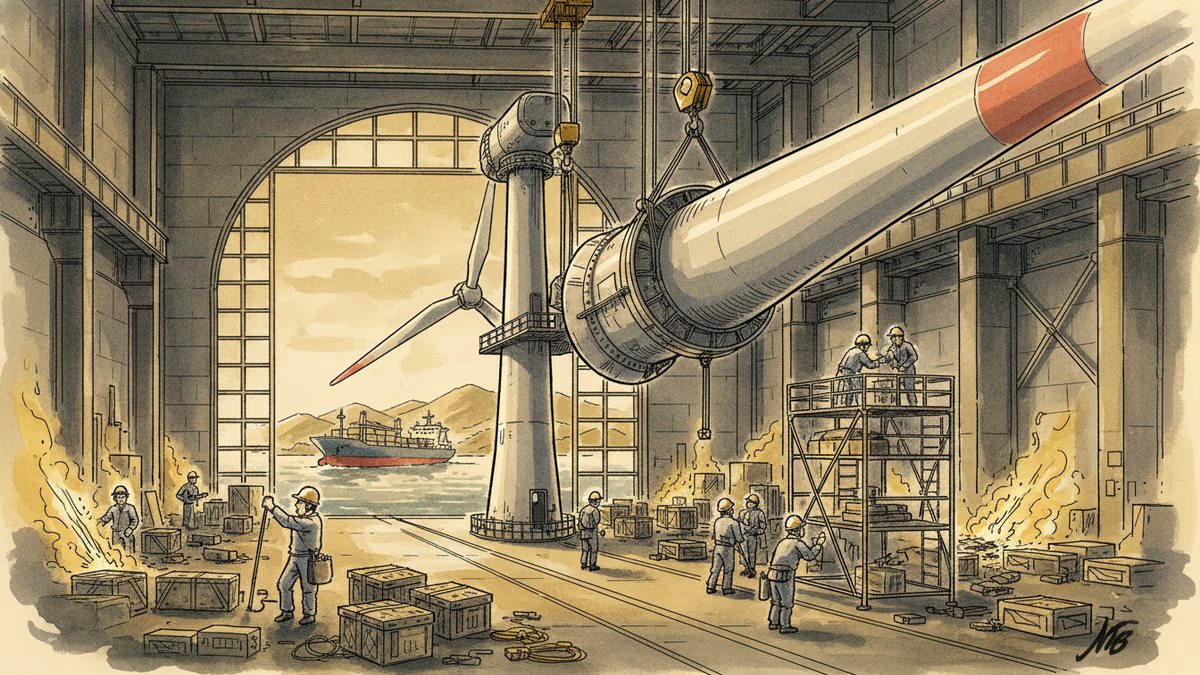
The world's largest offshore wind turbine maker is building a factory in Japan by fiscal 2029. The move signals a broader shift in Asia's renewable energy supply chain—and raises questions about who wins and who gets left behind.
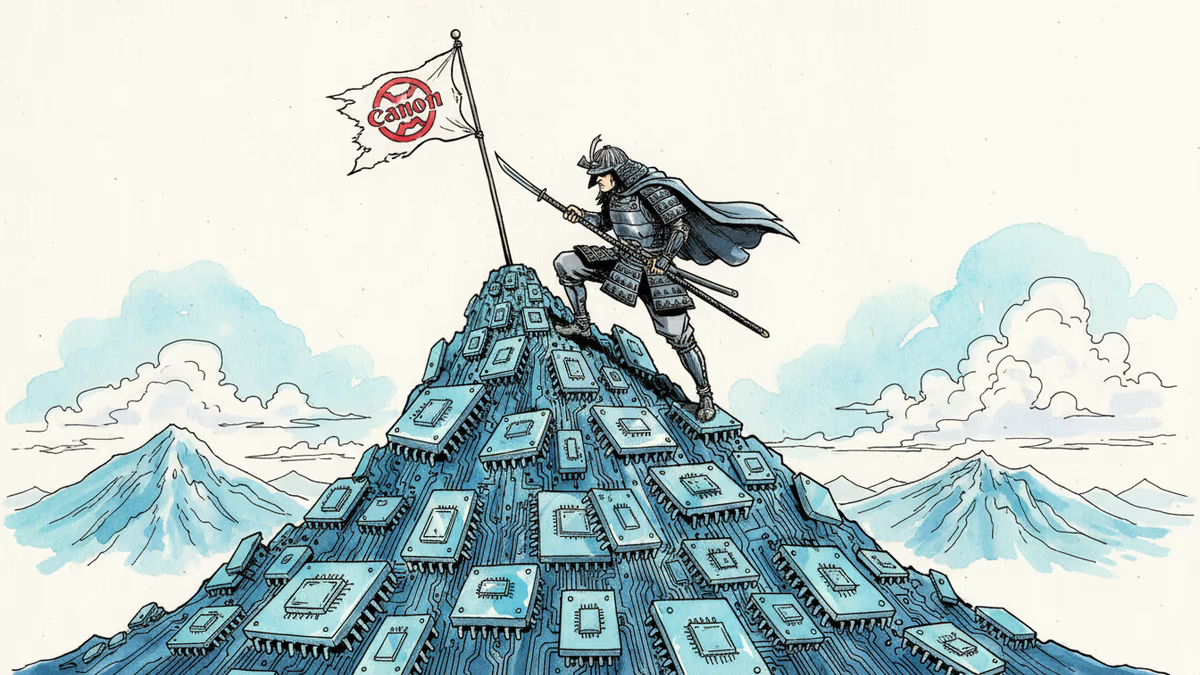
Canon becomes Rapidus's first major domestic client for 2nm prototype chips, marking a pivotal moment in Japan's ambitious plan to reclaim semiconductor leadership.
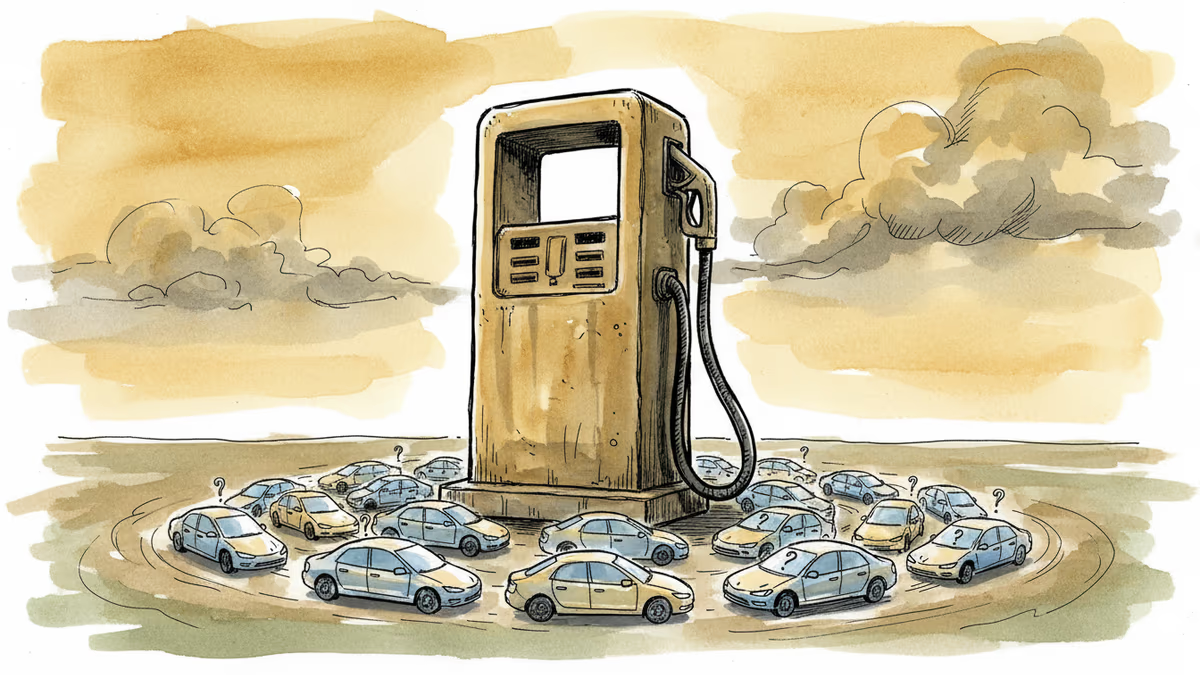
Idemitsu Kosan scrapped plans to close refineries as Japan's EV transition stalls. Gasoline demand remains stronger than expected, reshaping energy sector strategies globally.
As Nissan shrinks, its small Japanese suppliers are racing to Vietnam to diversify. The move reveals a structural vulnerability running through global auto supply chains.
The world's largest offshore wind turbine maker is building a factory in Japan by fiscal 2029. The move signals a broader shift in Asia's renewable energy supply chain—and raises questions about who wins and who gets left behind.
Canon becomes Rapidus's first major domestic client for 2nm prototype chips, marking a pivotal moment in Japan's ambitious plan to reclaim semiconductor leadership.
Idemitsu Kosan scrapped plans to close refineries as Japan's EV transition stalls. Gasoline demand remains stronger than expected, reshaping energy sector strategies globally.
Thoughts
Share your thoughts on this article
Sign in to join the conversation