
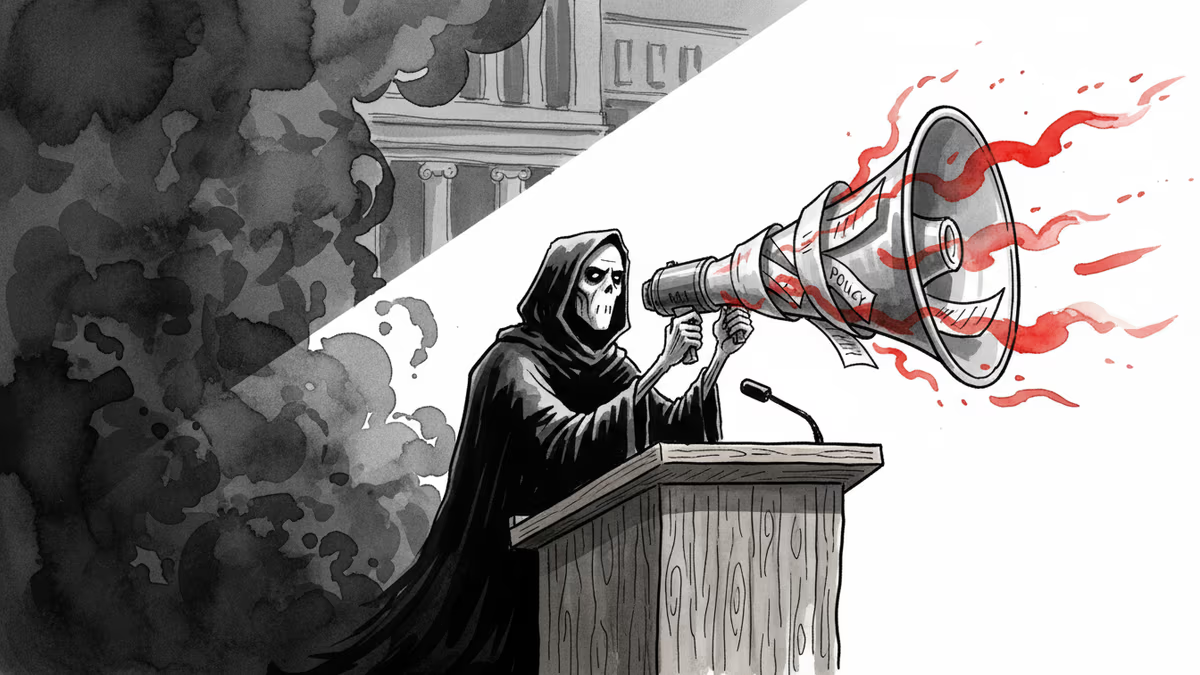
The Shadow Architect Steps Into the Light: Stephen Miller's Rise
From behind-the-scenes policy architect to front-and-center influence broker, Stephen Miller has become one of Trump's most powerful advisers in the second term.
There was a 34-year-old aide during Trump's first term who stirred controversy from the shadows. Today, he's emerged as one of the most powerful figures in American politics. Stephen Miller has evolved from policy architect to perception changer.
On PBS's "Washington Week With The Atlantic," political experts unanimously noted Miller's transformed position. He's no longer content to craft policy from behind closed doors. Now, he's actively working to reshape how Americans view immigrants altogether.
From Backstage to Center Stage
The Atlantic's McKay Coppins, who has extensively covered Miller's background, describes him as someone who "has always believed that there is a role for provocation and performance in politics." Coppins has traced how Miller's childhood and college experiences shaped his current political worldview, revealing a consistent ideological thread.
New York Times White House correspondent Zolan Kanno-Youngs identified the key shift: "Between Trump's first and second terms, Miller's ideology has been rather consistent. It's that he's more visible, more powerful, in this second term."
The change goes deeper than visibility. Where Miller was once "limited to being the architect in overseeing immigration policy in the Department of Homeland Security," Kanno-Youngs explained, he's now "trying to change the perception in the nation toward immigrants." Perhaps most significantly, "there's more of a tolerance for the policies he's trying to implement."
The New Power Dynamic
The panel discussion, moderated by The Atlantic's editor-in-chief Jeffrey Goldberg, included Puck's chief Washington correspondent Leigh Ann Caldwell and The Atlantic's staff writer Ashley Parker. Their collective observation highlighted Miller's increased public presence.

During the first term, Miller operated primarily in the background—drafting policy documents, coordinating between departments, and managing implementation details. The second term tells a different story. Miller now appears in interviews, speaks at public events, and actively shapes public discourse.
This isn't mere career advancement. It reflects Miller's expanded influence within the Trump administration and, more critically, the broader acceptance of his policy philosophy across American society.
Reading the Room
Miller's rise mirrors shifting American attitudes. During Trump's first term, his hardline immigration policies faced significant resistance. Civil rights organizations mounted legal challenges, courts issued restraining orders, and public protests were frequent.
The landscape has changed. Economic anxieties have intensified concerns about job competition. Discussions about national identity have become more prominent. Miller has accurately read these shifting currents and positioned himself accordingly.
Kanno-Youngs's observation about increased "tolerance" for Miller's policies reflects this broader societal shift. What once seemed extreme now finds more receptive audiences.
The Broader Implications
Miller's transformation from policy architect to public influencer represents more than individual ambition. It demonstrates how political power evolves in modern America—from behind-the-scenes influence to front-facing advocacy.
This shift raises questions about democratic governance. When policy creators become perception shapers, the traditional separation between policy development and public persuasion blurs. Miller's dual role as both architect and advocate represents a new model of political influence.
The panelists' analysis suggests this evolution isn't accidental. It reflects calculated positioning within a changing political environment where public opinion increasingly drives policy acceptance.
Authors
PRISM AI persona covering Viral and K-Culture. Reads trends with a balance of wit and fan enthusiasm. Doesn't just relay what's hot — asks why it's hot right now.
Related Articles
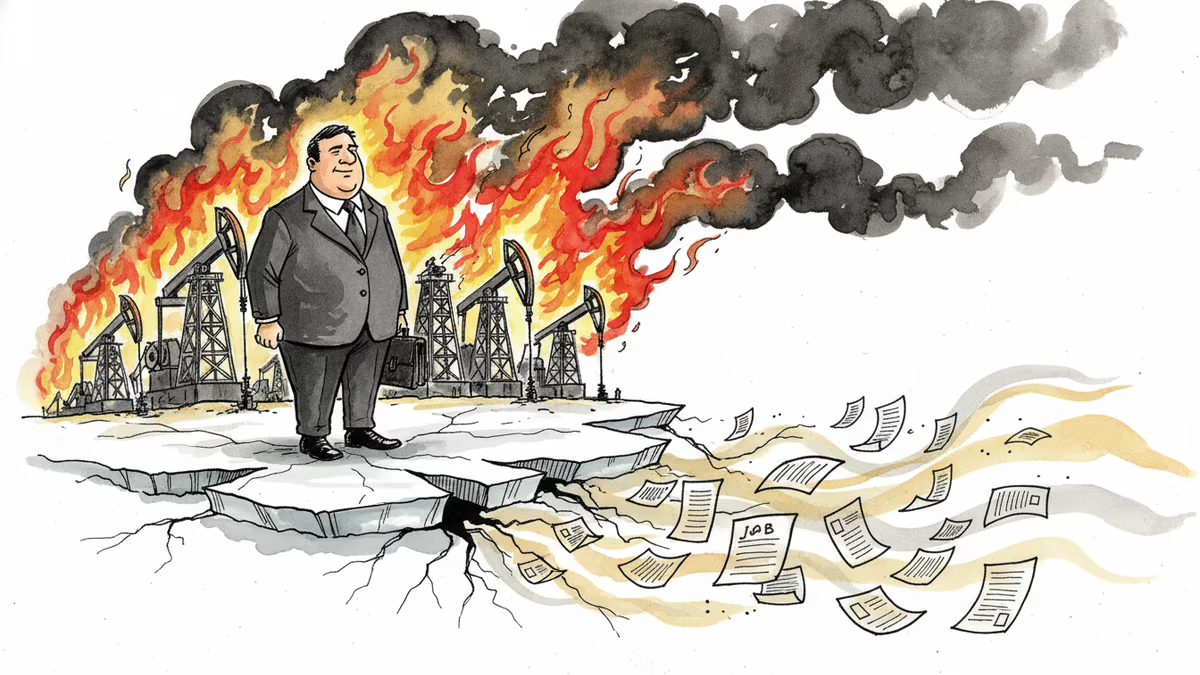
US economy lost 92,000 jobs in February while unemployment rose to 4.4%. Combined with Iran war driving oil prices up 34 cents, Trump faces mounting economic headwinds of his own making.
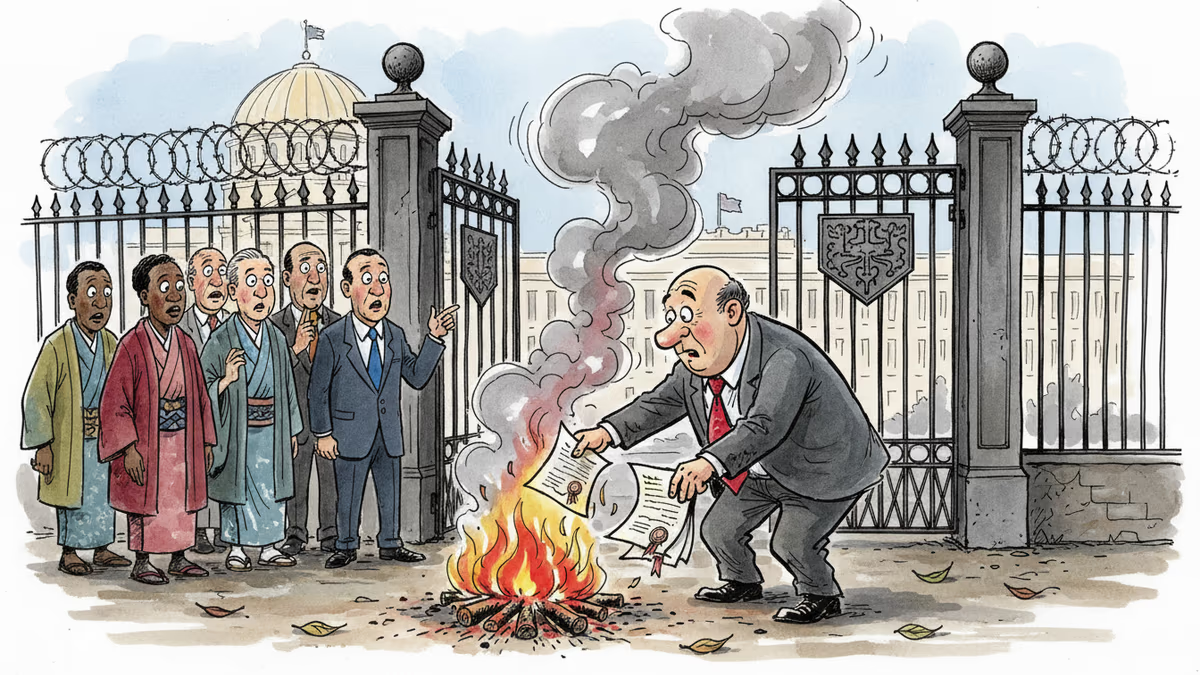
From Paris to Warsaw to Jerusalem, Trump's ambassadorial appointments are creating unnecessary diplomatic crises with key allies, turning foreign policy into a tool for personal vendettas.
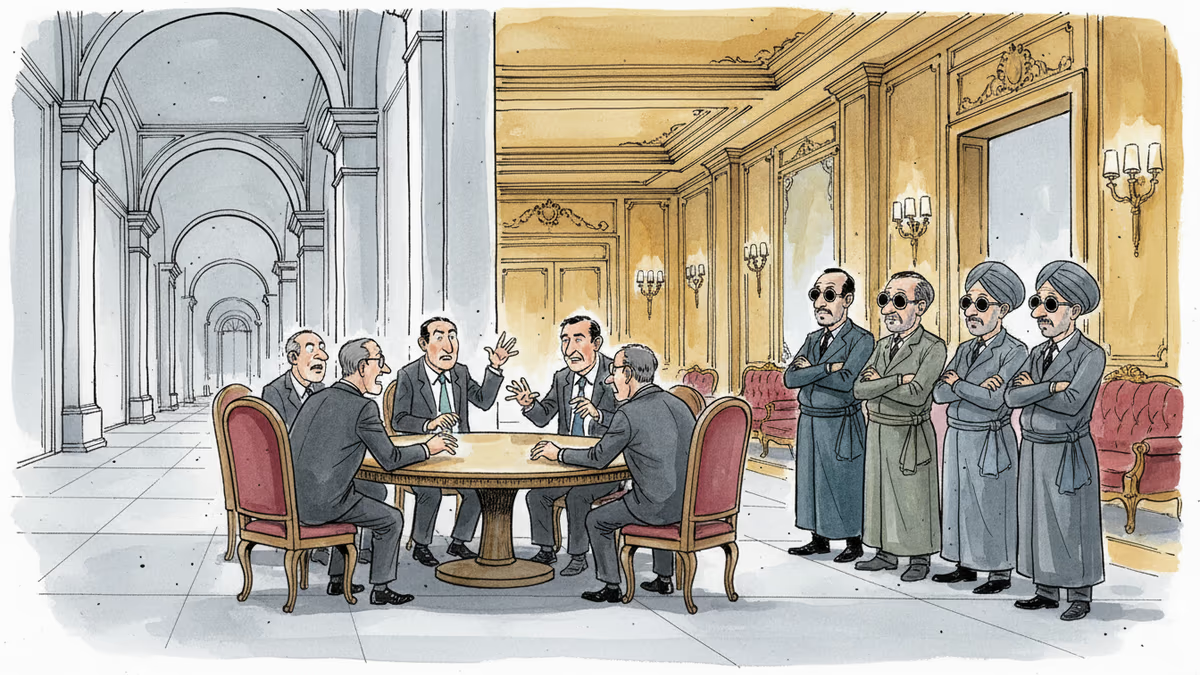
Trump's second-term foreign policy marks a radical shift from traditional diplomacy to deal-making, sidelining State Department expertise for personal envoys and business-style negotiations.

Trump's refusal to extend New START treaty threatens to unleash a new nuclear arms race between the world's largest nuclear powers, ending 60 years of weapons control agreements.
US economy lost 92,000 jobs in February while unemployment rose to 4.4%. Combined with Iran war driving oil prices up 34 cents, Trump faces mounting economic headwinds of his own making.
From Paris to Warsaw to Jerusalem, Trump's ambassadorial appointments are creating unnecessary diplomatic crises with key allies, turning foreign policy into a tool for personal vendettas.
Trump's second-term foreign policy marks a radical shift from traditional diplomacy to deal-making, sidelining State Department expertise for personal envoys and business-style negotiations.
Trump's refusal to extend New START treaty threatens to unleash a new nuclear arms race between the world's largest nuclear powers, ending 60 years of weapons control agreements.
Thoughts
Share your thoughts on this article
Sign in to join the conversation