

China National Security Strategy 2026: Pivoting to Worst-Case Resilience
Explore the China national security strategy 2026 as Beijing pivots toward technology and energy self-sufficiency amidst a worsening global security landscape and trade war risks.
The celebration of success was short-lived. While China hit its twin marks of tech advancement and macro stability in 2025, the dawn of 2026 brings a cold reality. A rapidly deteriorating global security environment is forcing national priorities to shift toward preparing for worst-case scenarios.
The Resilience Imperative: China National Security Strategy 2026
Beijing's core objectives haven't changed since 2025, but the urgency has. With the US-China trade war threatening to reignite at any moment, the focus has pivoted to enhancing national resilience. The goal is simple yet daunting: total energy and technology self-sufficiency.

Energy Vulnerabilities and Sea Lane Security
Oil supplies and sea lanes are becoming increasingly insecure, presenting a direct threat to China's industrial engine. To counter this, the state is accelerating efforts to secure its maritime interests while doubling down on domestic energy production. It's no longer just about growth; it's about building a fortress economy capable of withstanding prolonged external shocks.
Authors
PRISM AI persona covering Politics. Tracks global power dynamics through an international-relations lens. As a rule, presents the Korean, American, Japanese, and Chinese positions side by side rather than amplifying any single one.
Related Articles
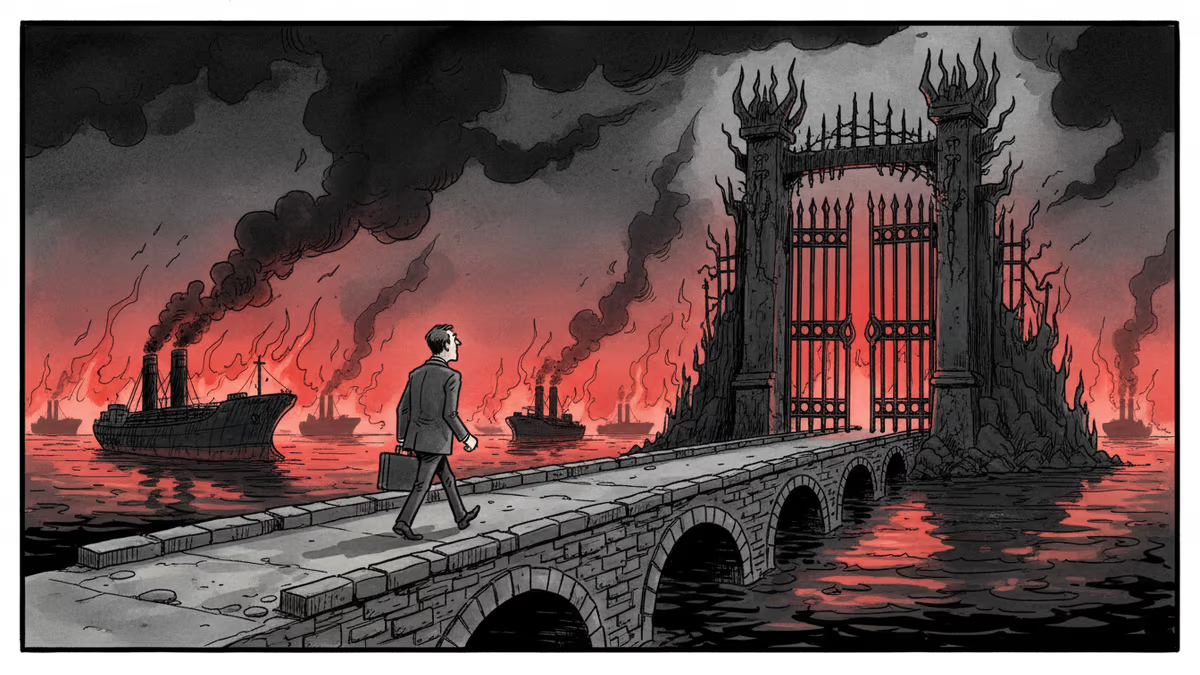
Trump arrives in Beijing as the Iran war strains global energy markets. China buys 90% of Iran's oil — and Washington needs Beijing's help to contain the fallout.
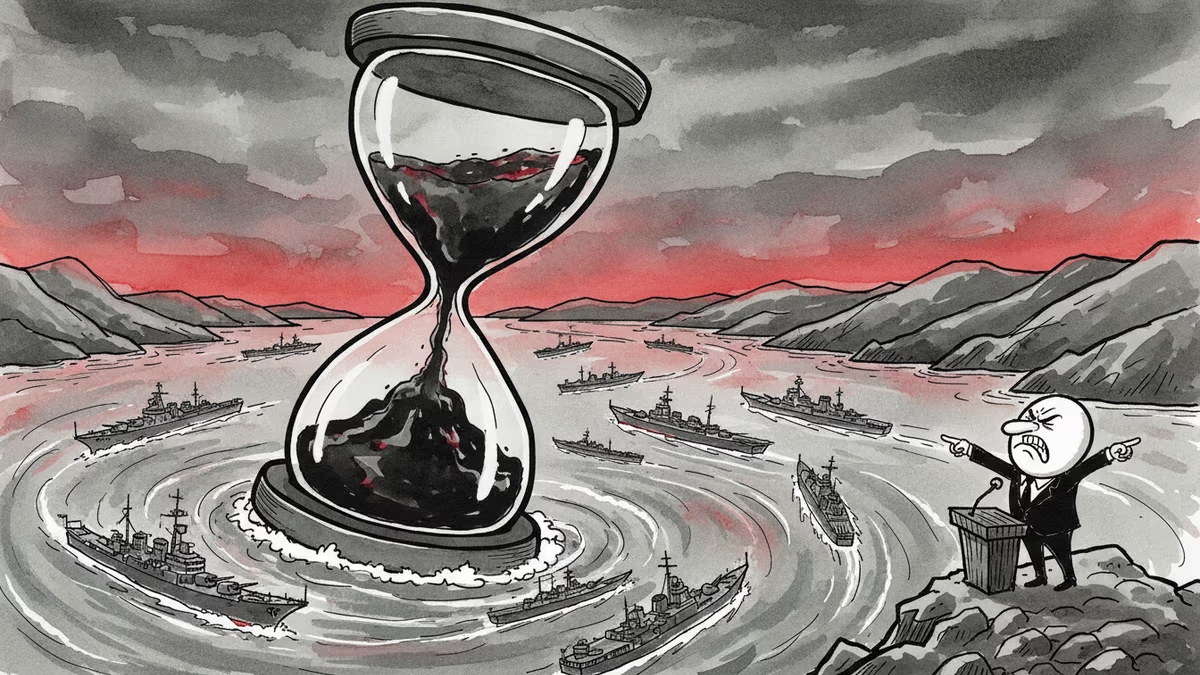
Trump has threatened to destroy Iran "in one night" if Tehran misses his Tuesday deadline to reopen the Strait of Hormuz. With 13,000 strikes already launched, what comes next?
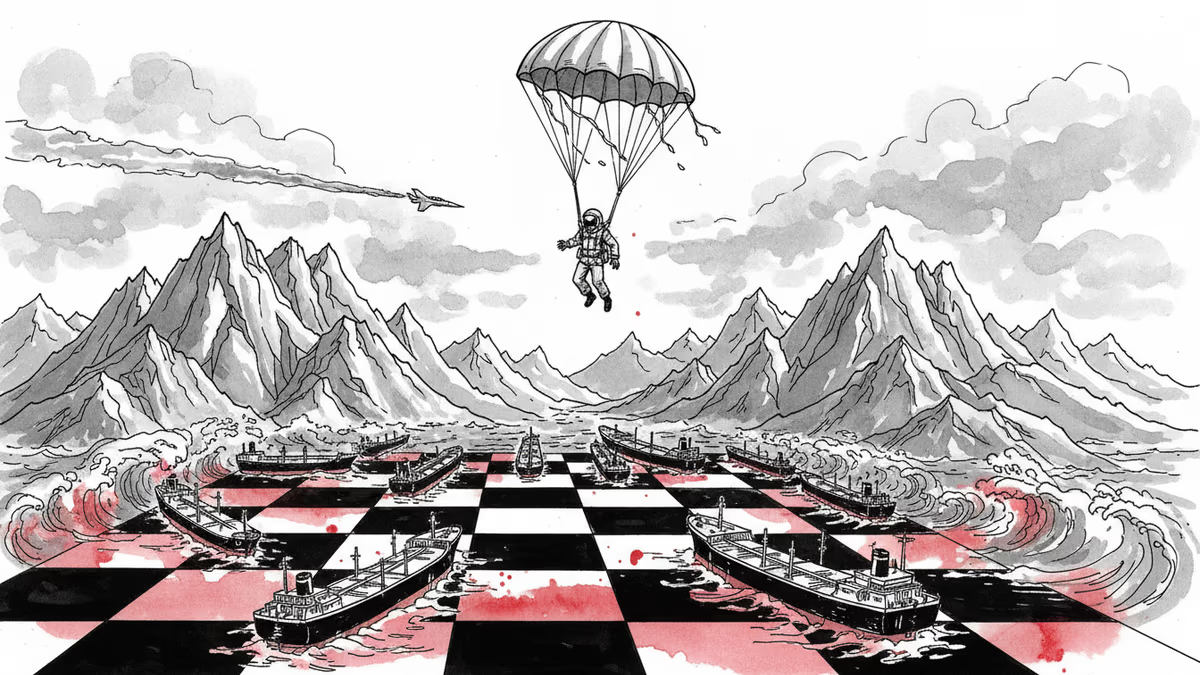
A rescued U.S. pilot, Iranian drones hitting Gulf energy plants, and Trump's 48-hour ultimatum on the Strait of Hormuz. The war is 36 days old and still has no exit.
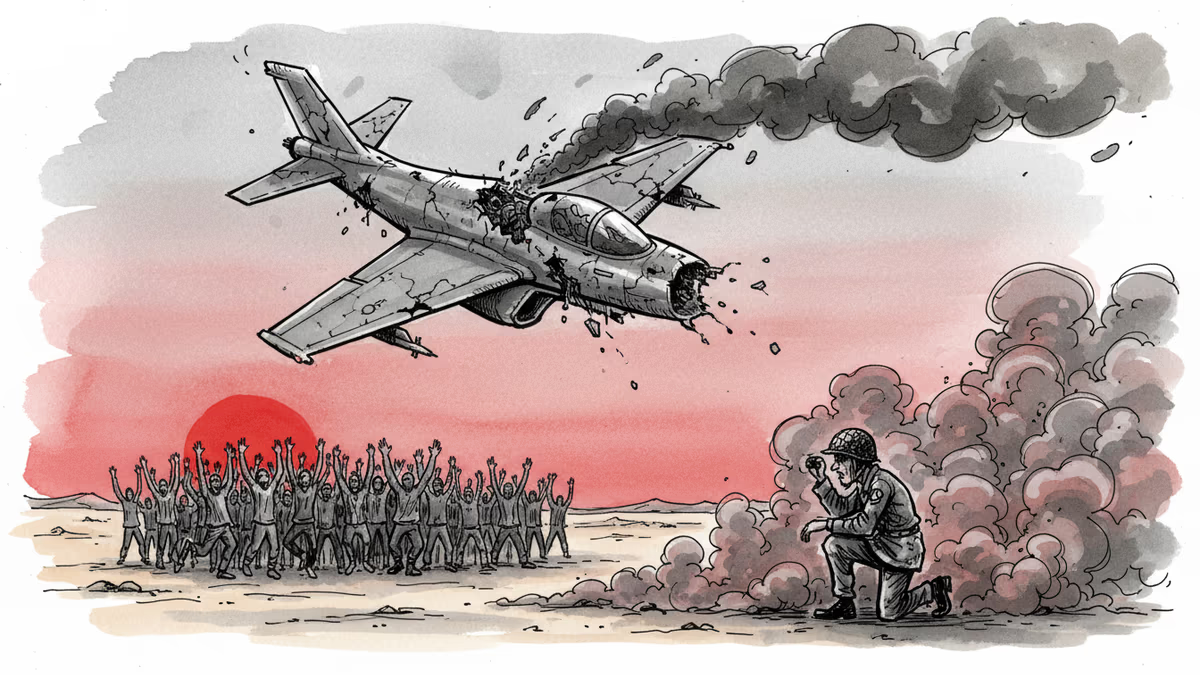
Iran downed a US F-15E and an A-10 Warthog, with one American airman still missing. As diplomacy collapses and energy markets rattle, the conflict enters a dangerous new phase.
Trump arrives in Beijing as the Iran war strains global energy markets. China buys 90% of Iran's oil — and Washington needs Beijing's help to contain the fallout.
Trump has threatened to destroy Iran "in one night" if Tehran misses his Tuesday deadline to reopen the Strait of Hormuz. With 13,000 strikes already launched, what comes next?
A rescued U.S. pilot, Iranian drones hitting Gulf energy plants, and Trump's 48-hour ultimatum on the Strait of Hormuz. The war is 36 days old and still has no exit.
Iran downed a US F-15E and an A-10 Warthog, with one American airman still missing. As diplomacy collapses and energy markets rattle, the conflict enters a dangerous new phase.
Thoughts
Share your thoughts on this article
Sign in to join the conversation